Discover insights about this artwork
Women and children near a cross — History & Facts
In Women and Children Near a Cross, Francisco de Goya presents a somber scene filled with muted colors. The figures of women and children are clustered together, their expressions reflecting a sense of contemplation or sorrow. The cross in the background serves as a focal point, symbolizing faith and sacrifice.
The overall atmosphere is one of quiet reflection, typical of Goya's later works. This painting is executed in oil on canvas, a medium that allows for rich textures and depth. Goya's brushwork is evident in the way he captures the delicate features of the figures and the intricate details of their clothing. The composition is carefully arranged, with the cross drawing the viewer's eye towards the center.
The use of light and shadow adds to the emotional weight of the scene. Francisco de Goya was a prominent Spanish painter known for his critical view of society and the human condition. This work, created during a time of political turmoil in Spain, reflects the artist's deep concern for the plight of the vulnerable. An interesting fact about this painting is that it showcases Goya's transition from the more lighthearted themes of his earlier works to the darker, more introspective subjects that characterize his later career.
More Artworks by Francisco de Goya
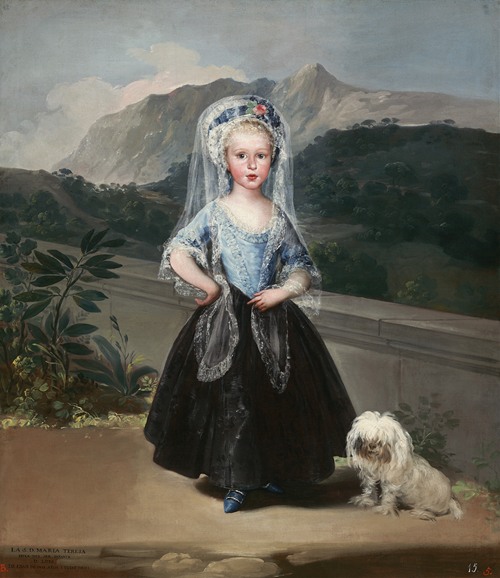
María Teresa de Borbón y Vallabriga,later Condesa de Chinchón
Francisco de Goya
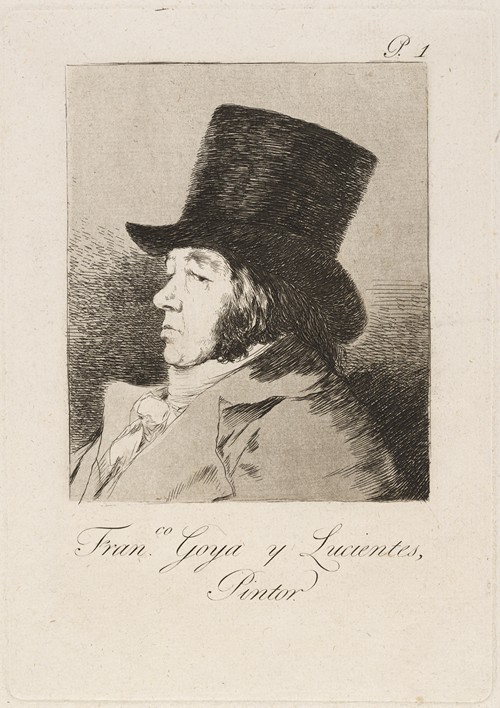
Francisco Goya y Lucientes, Pintor (Francisco Goya y Lucientes, painter)
Francisco de Goya
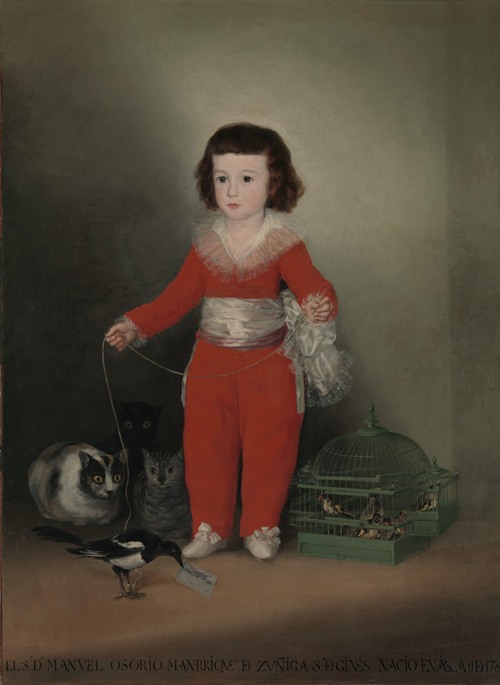
Manuel Osorio Manrique de Zuñiga (1784–1792)
Francisco de Goya
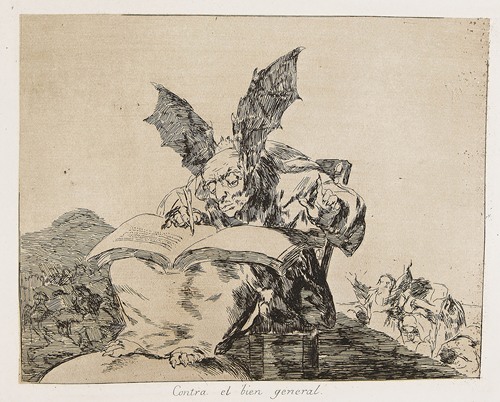
Los desastres de la guerra
Francisco de Goya
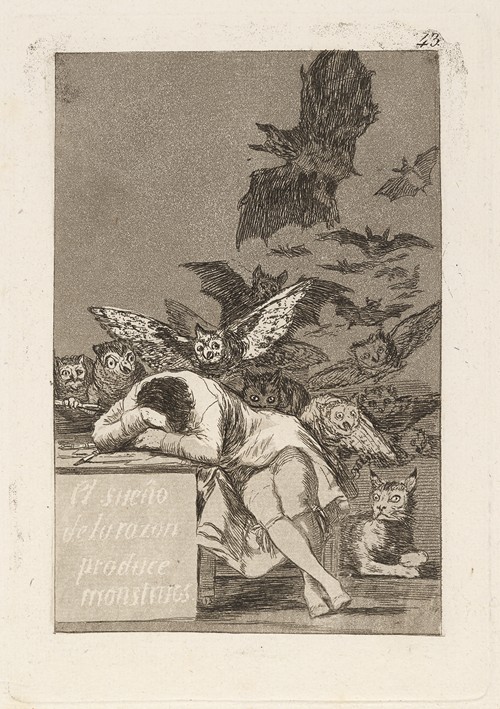
El sueño de la razon produce monstruos. (The sleep of reason produces monsters.)
Francisco de Goya
El sueño de la razon produce moustruos (Serie Caprichos)
Francisco de Goya
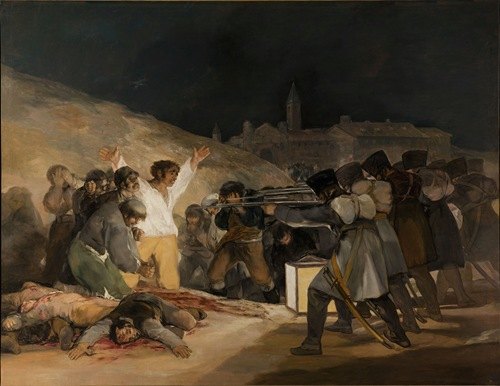
The Third of May
Francisco de Goya
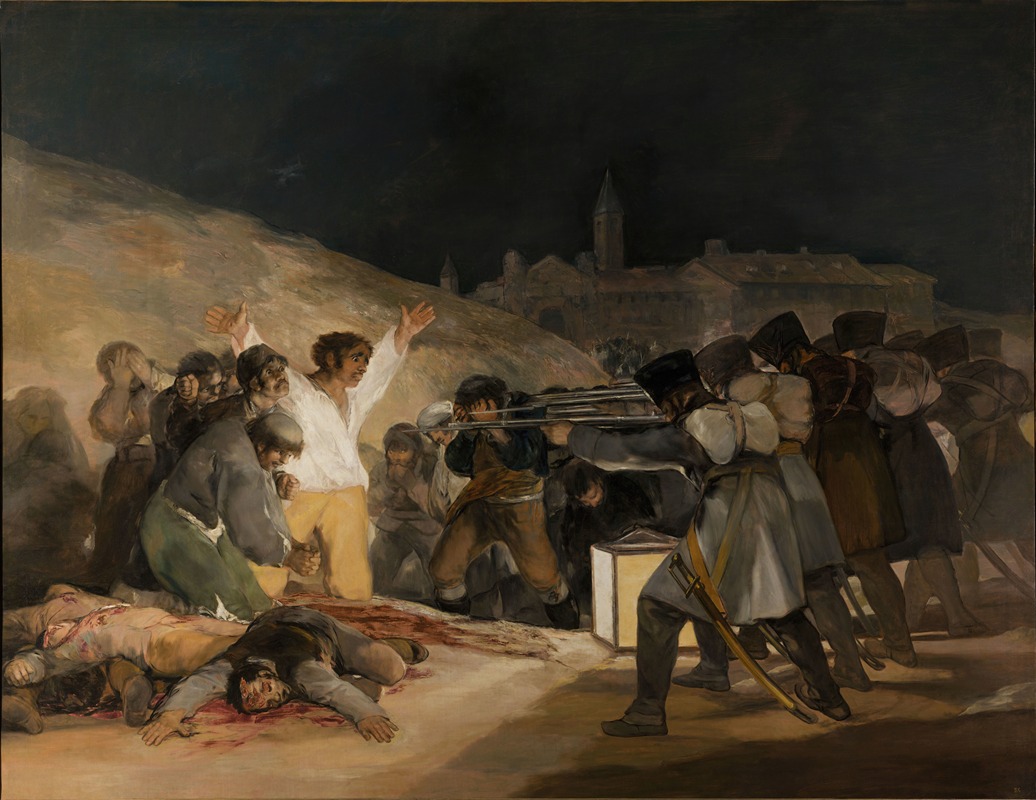
The Third of May 1808
Francisco de Goya
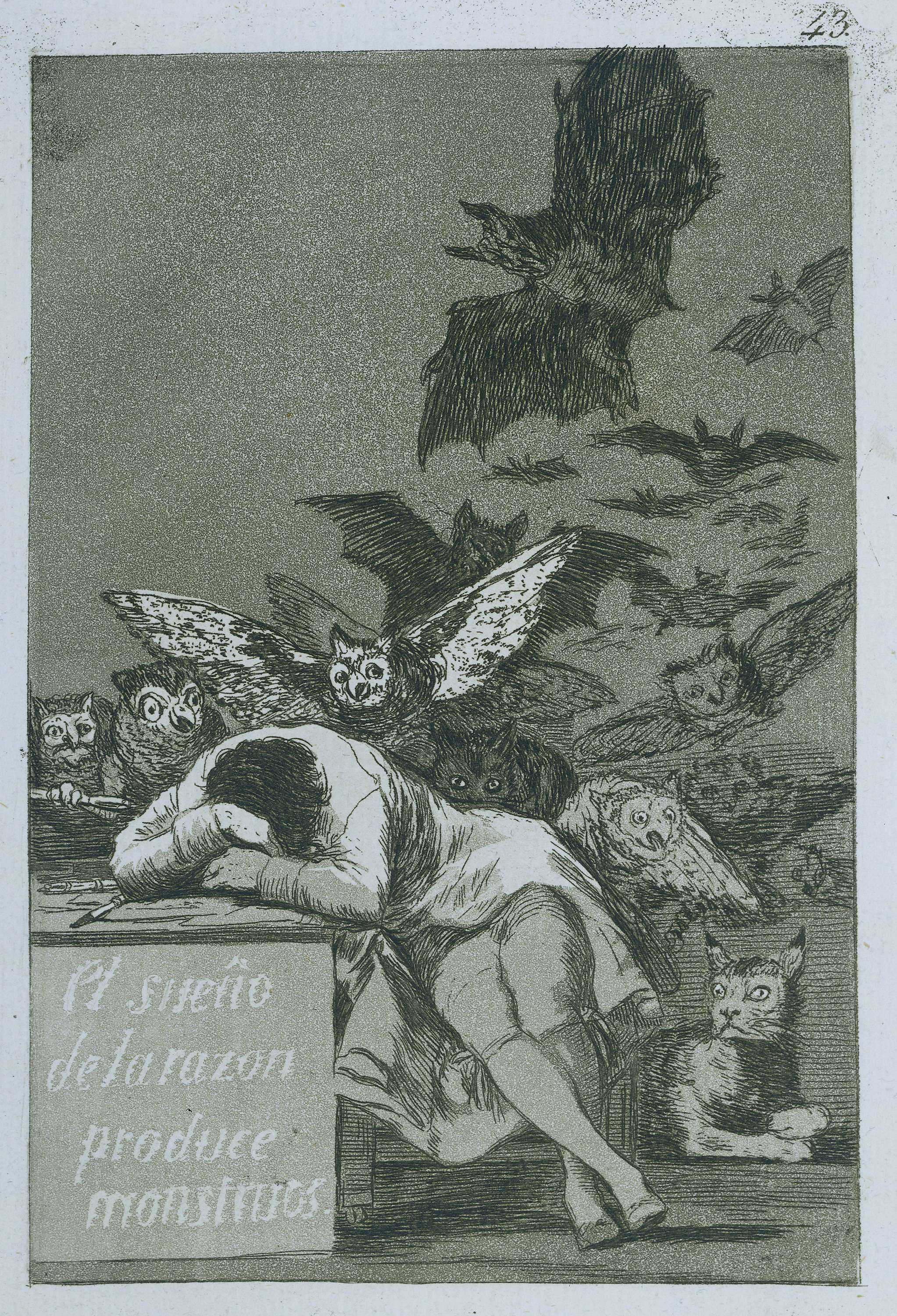
De slaap van de rede brengt monsters voort
Francisco de Goya
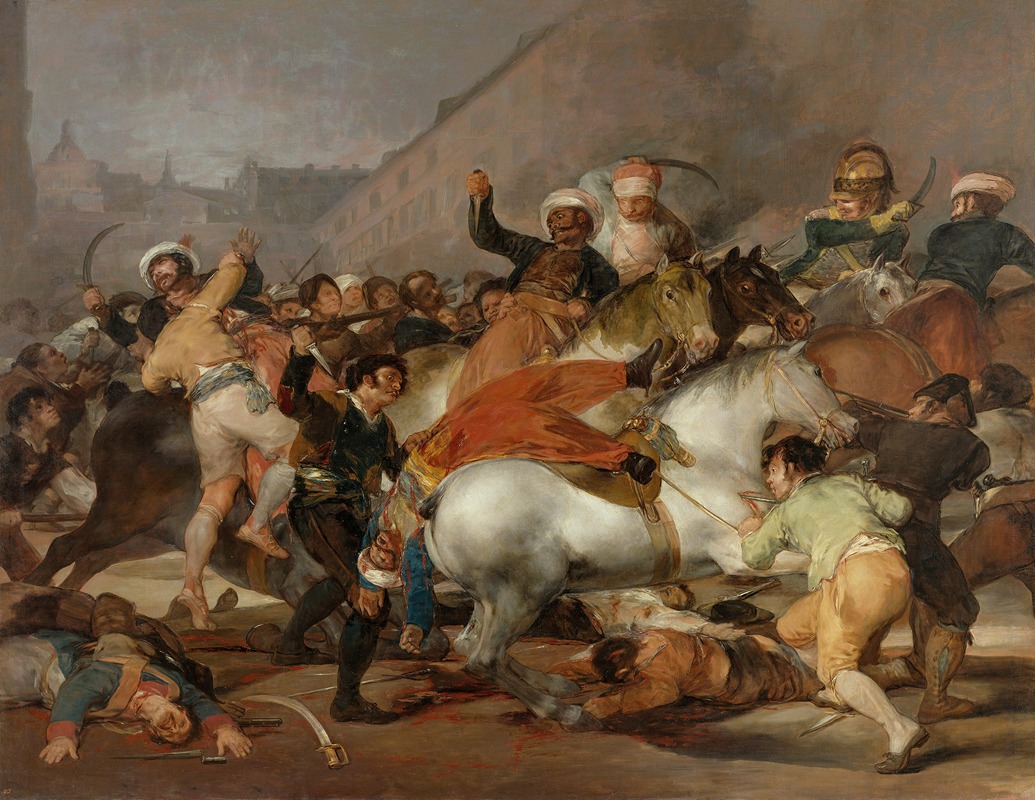
The Charge of the Mamelukes (1814)
Francisco de Goya