
Wooded Landscape — History & Facts
In the quietude of nature, where the noise of civilization fades, a profound void invites reflection. This wooded landscape captures not just trees and earth but the essence of solitude and introspection, a reminder of the beauty lurking in the unseen. Look to the center of the canvas, where the tall trees rise majestically, their dark trunks and lush green foliage standing against a muted, brooding sky. The play of light filters through the leaves, casting a gentle dappling on the forest floor, inviting viewers to wander into the depths of this serene yet mysterious environment.
Courbet’s masterful brushwork creates an almost tactile texture, emphasizing the richness of the organic forms and earthy palette that define this tranquil scene. Within this landscape lies a tension between the vibrant life represented in the trees and the elusive void that surrounds them. The interplay of light and shadow gives a sense of depth, suggesting a world beyond what is visible—a space that evokes feelings of both comfort and isolation. The absence of any human presence allows nature to reign, hinting at existential themes of solitude and the search for meaning in vastness.
Courbet subtly invites the observer to confront their own voids, echoing the profound silence of the wilderness. Painted during 1860-65, this work emerged from Courbet’s studio in France, a time when the artist was deeply exploring realism, seeking to challenge the artistic conventions of his day. This era was marked by a burgeoning interest in nature and the human experience, as the artist grappled with the pressures of modernity and the changing landscape of art. Courbet's work stands as a testament to his commitment to portraying the raw truths of existence, transcending the superficial in a world increasingly preoccupied with the illusion of beauty.
More Artworks by Gustave Courbet
Browse all →
Marine
Gustave Courbet
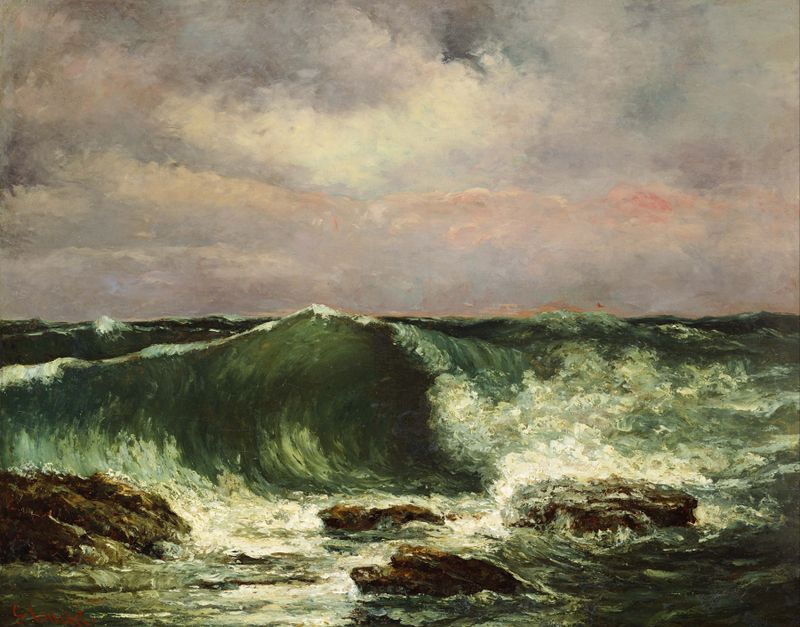
Waves
Gustave Courbet

Étretat; Les Falaises
Gustave Courbet
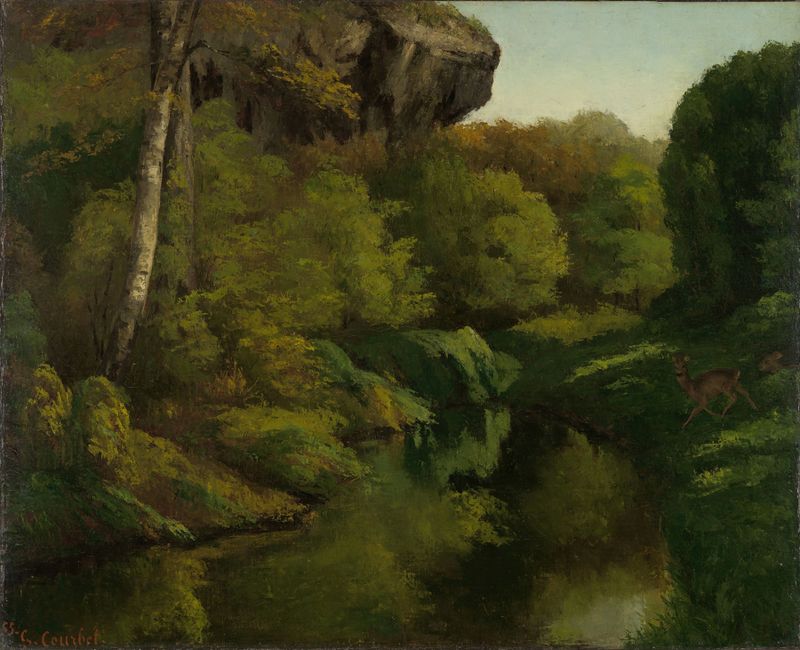
View in the Forest of Fontainebleau
Gustave Courbet
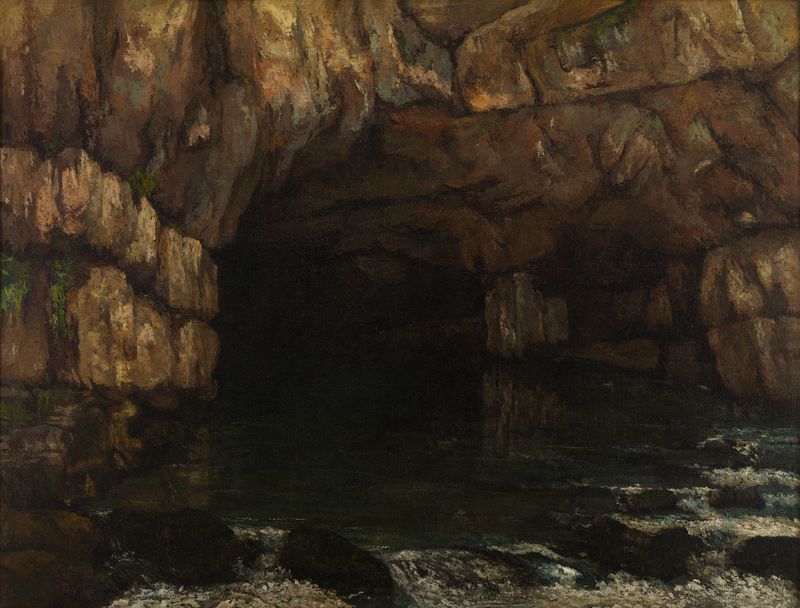
La source de la Loue (The Source of the Loue)
Gustave Courbet

Low Tide at Trouville
Gustave Courbet
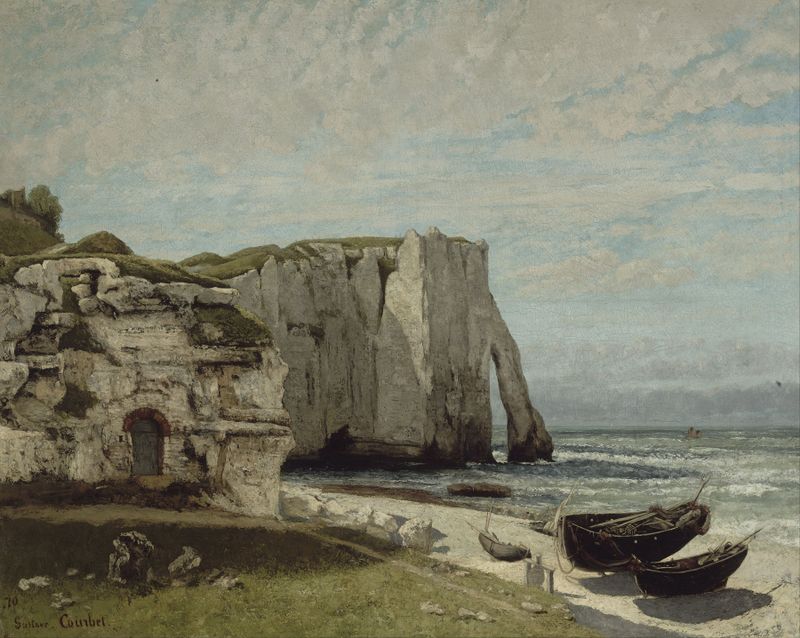
The Etretat Cliffs after the Storm
Gustave Courbet
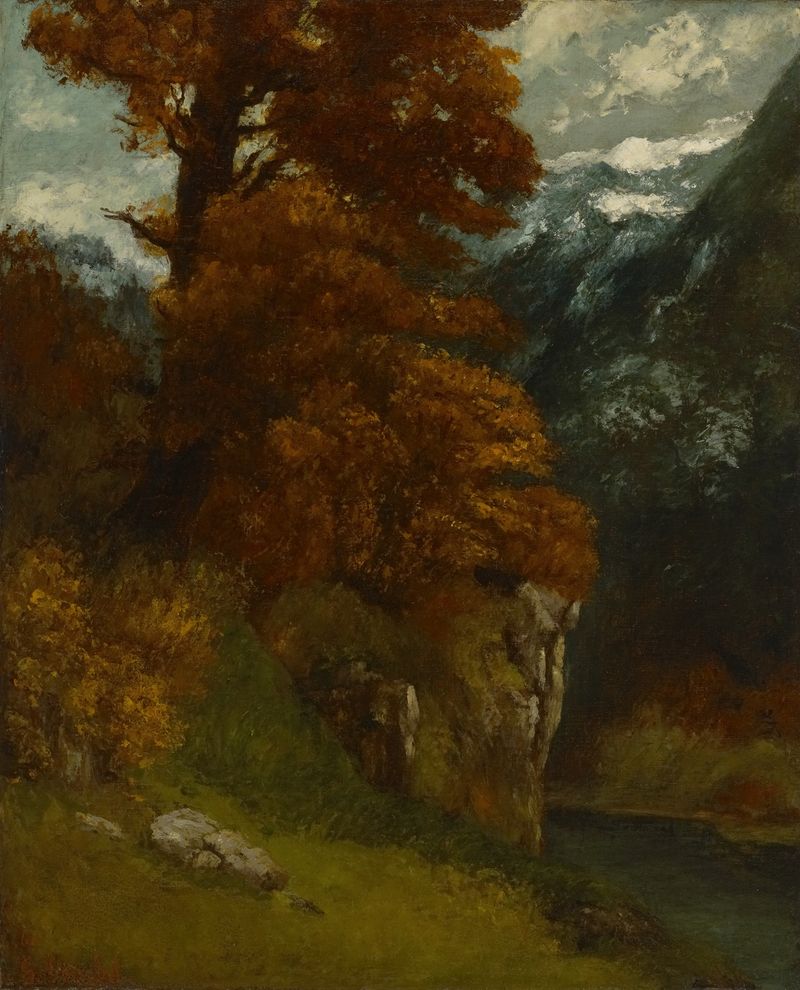
The Glen at Ornans (Bords du Doubs; Effet d’Automne)
Gustave Courbet
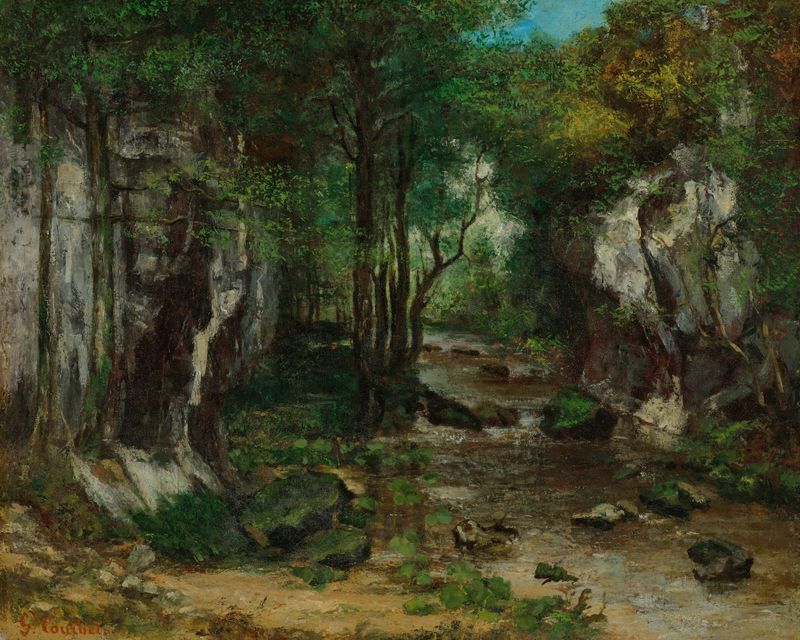
Le Ruisseau de Puits Noir
Gustave Courbet
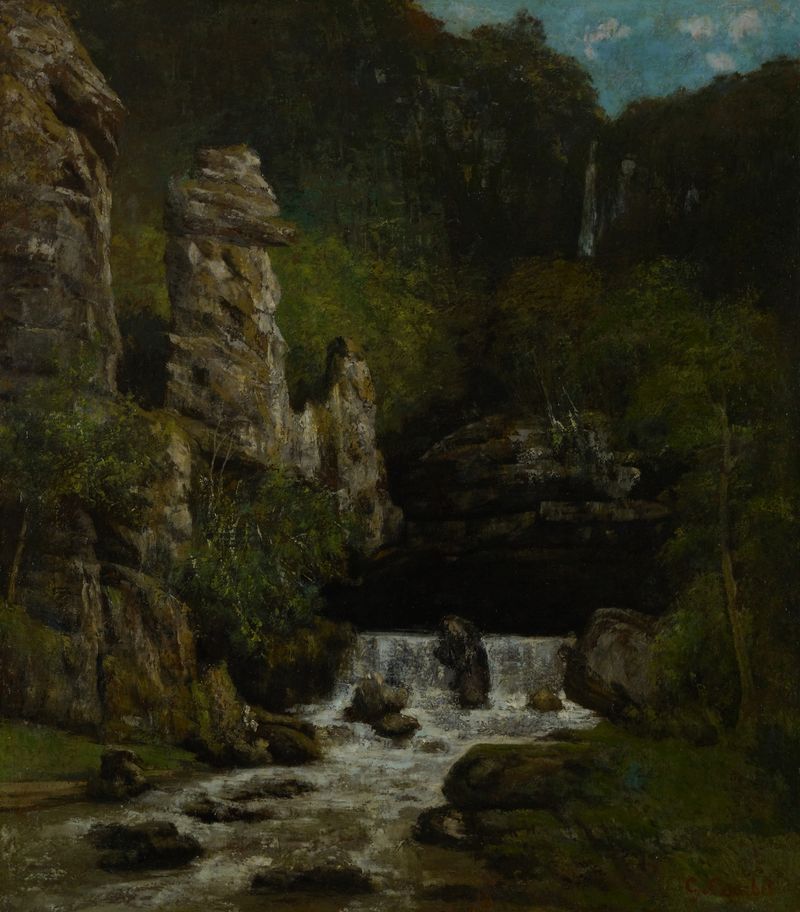
Landscape with a Waterfall
Gustave Courbet





