
Wooded Landscape with a Watermill — History & Facts
In the quiet embrace of nature, obsession weaves itself into the fabric of the landscape, hinting at a deeper narrative beneath the surface. Look to the center where the watermill stands, its sturdy wooden structure cradled by the gentle curve of the stream. The subtle play of light dances on the water's surface, shimmering with life yet tinged with a melancholic shadow. Notice how the trees arch protectively around the scene, their lush green foliage contrasting with the cool, reflective blues of the water.
The rich earth tones employed by the artist ground the painting, evoking a sense of stability while simultaneously stirring a longing for the ephemeral beauty of this moment. Beneath the serene exterior lies a tension between obsession and tranquility. Each blade of grass and ripple of water seems imbued with the artist’s meticulous attention, reflecting a desire to capture an essence that feels both sacred and fleeting. The interplay of light and shadow suggests the passage of time — the fleeting nature of beauty — while the mill itself stands as a testament to human endeavor, caught within nature's intricate embrace.
This duality ignites a dialogue between man and the wild, inviting contemplation of our own obsessions. Painted in 1663, this work emerged during a time of artistic flourishing in the Dutch Golden Age, when Hobbema was deeply influenced by the naturalism of his contemporaries. In the tranquility of Haarlem, he channeled his surroundings into exquisite landscapes, often reflecting an intricate relationship between humanity and nature. The world around him, filled with burgeoning trade and exploration, informed his depiction of the pastoral ideal — a momentary escape that still echoes with the artist's inner struggles and aspirations.
More Artworks by Meindert Hobbema
Browse all →
The Water Mill (The Trevor Landscape)
Meindert Hobbema

Bewaldete Flusslandschaft mit Figuren auf einem Weg
Meindert Hobbema
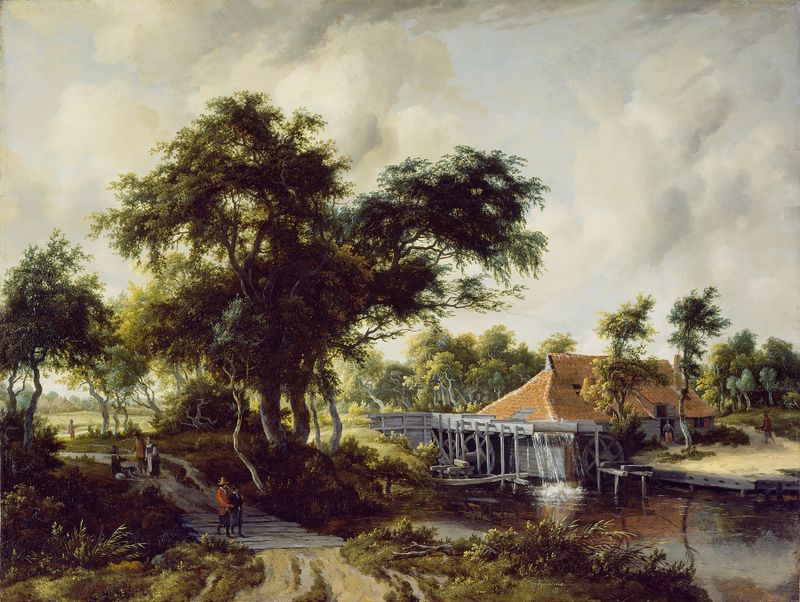
A Watermill
Meindert Hobbema
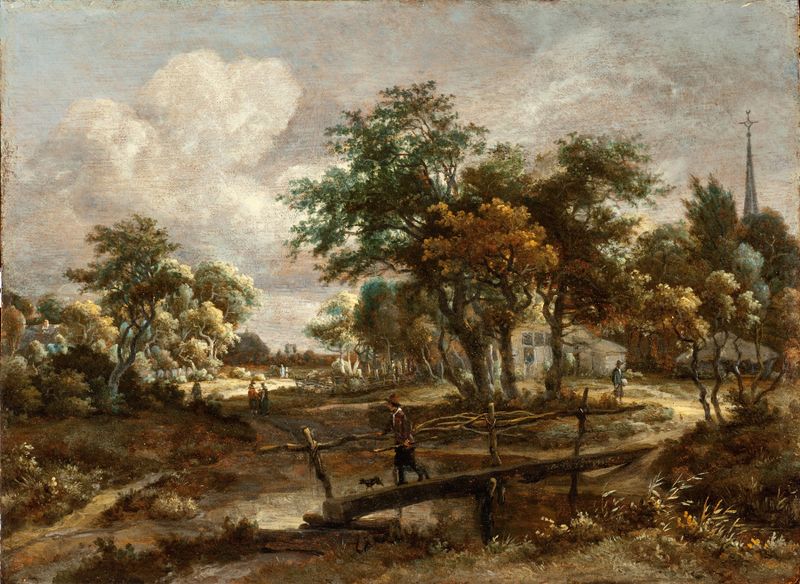
Landscape with a Footbridge
Meindert Hobbema

A Watermill
Meindert Hobbema
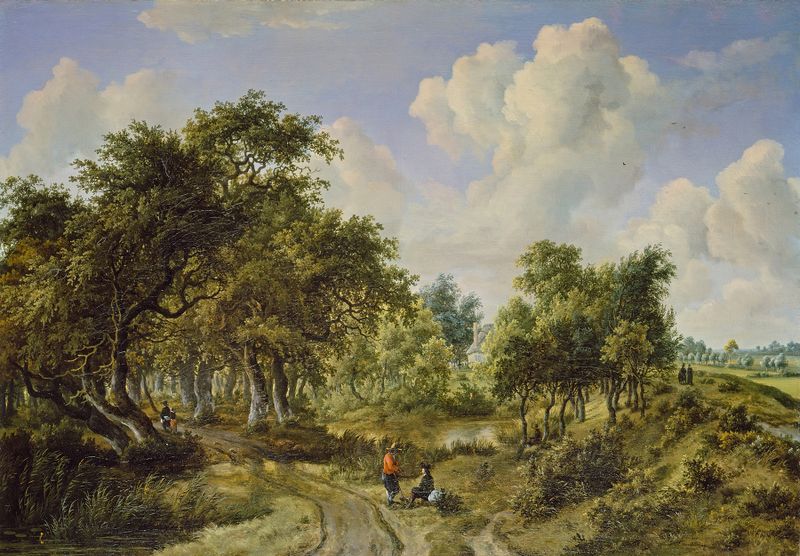
A Wooded Landscape
Meindert Hobbema

A Wooded Landscape
Meindert Hobbema
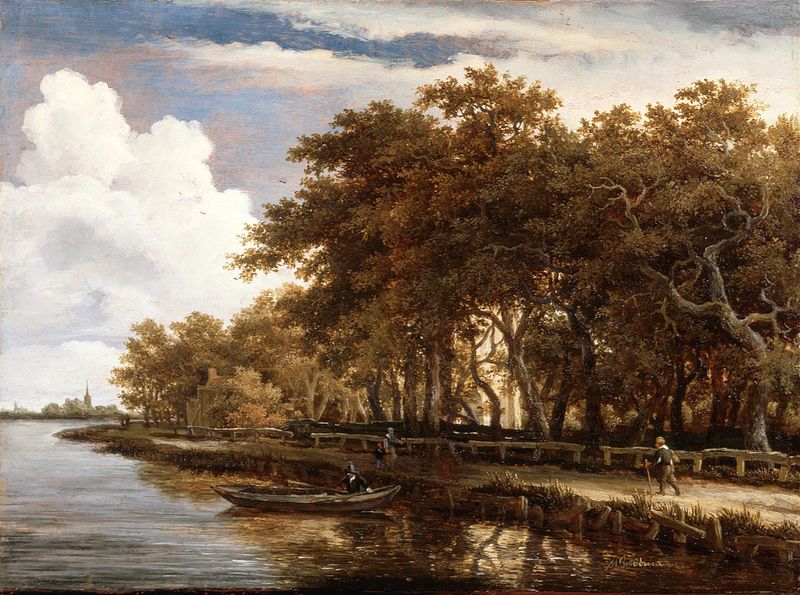
View Along the Amstel
Meindert Hobbema

The Watermill with the Great Red Roof
Meindert Hobbema

Water Mill
Meindert Hobbema





