
Woodland Stream — History & Facts
In the shimmering ripples of a woodland stream, turmoil dances beneath the surface, inviting viewers to explore the chaotic undercurrents of nature’s splendor. Look to the center, where a cascade of water spills over smooth stones, its crystalline clarity a stark contrast to the dense vegetation surrounding it. Notice how the sunlight filters through the leaves, casting dappled shadows that play upon the water’s surface, creating a sense of movement that feels both alive and ephemeral. The artist’s careful brushwork captures the texture of the rugged banks and the fluidity of the water, blending earthy greens and blues with whispers of gold, embodying the harmony and chaos inherent in nature. Within this serene moment lies an underlying tension, as the gentle flow of water belies the tumult of life both above and below.
The vibrant foliage is alive with color, yet hints at the inevitability of decay, as autumn encroaches. Each element in the painting speaks to a cycle of beauty intertwined with chaos, suggesting that tranquility often masks the tumult that fuels it. In 1895, Winslow Homer created this piece during a period of great artistic exploration and personal introspection. Living primarily in Maine, he sought to encapsulate the rugged beauty of the American landscape while navigating his own emotional depths.
The world of art was evolving, and Homer straddled the line between realism and impressionism, embracing the complexities of nature and the human experience within his work.
More Artworks by Winslow Homer
Browse all →
The Gulf Stream
Winslow Homer
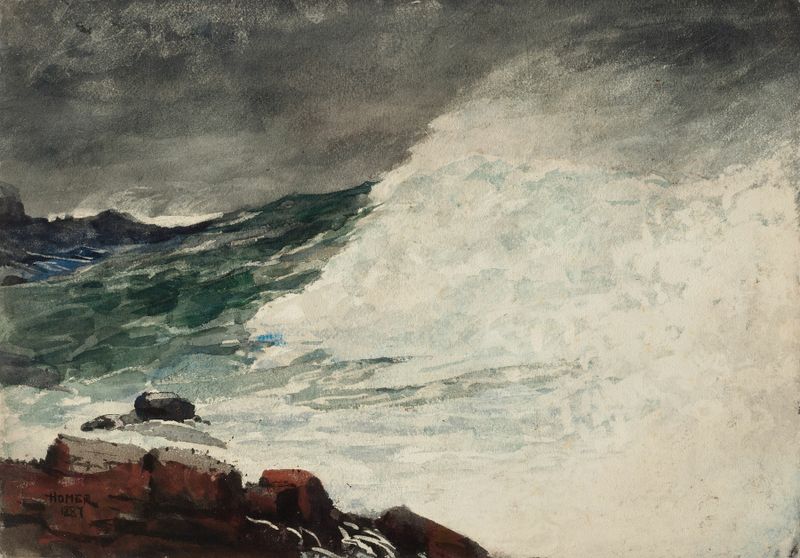
Prout’s Neck, Breaking Wave
Winslow Homer
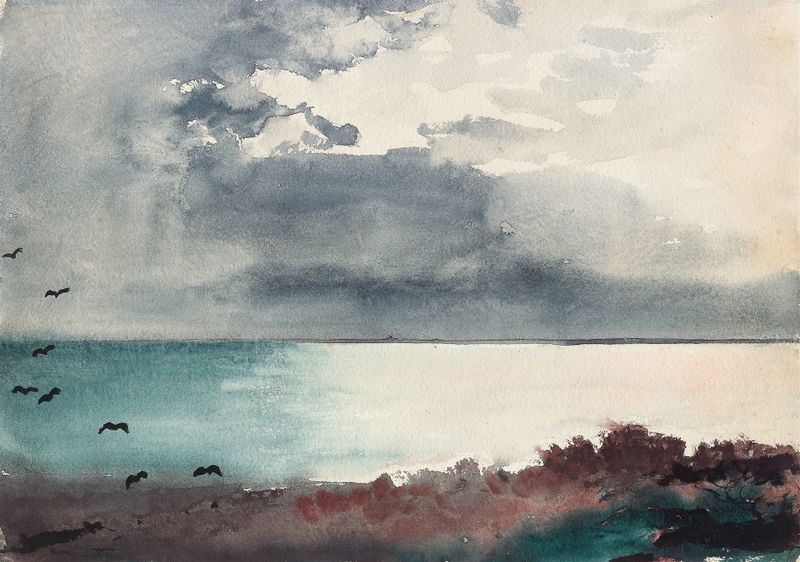
Breaking Storm, Coast of Maine
Winslow Homer
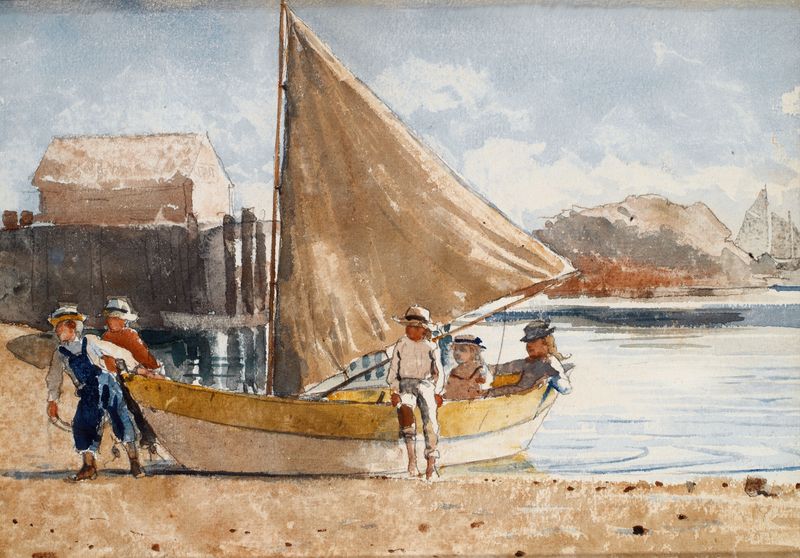
Summertime
Winslow Homer
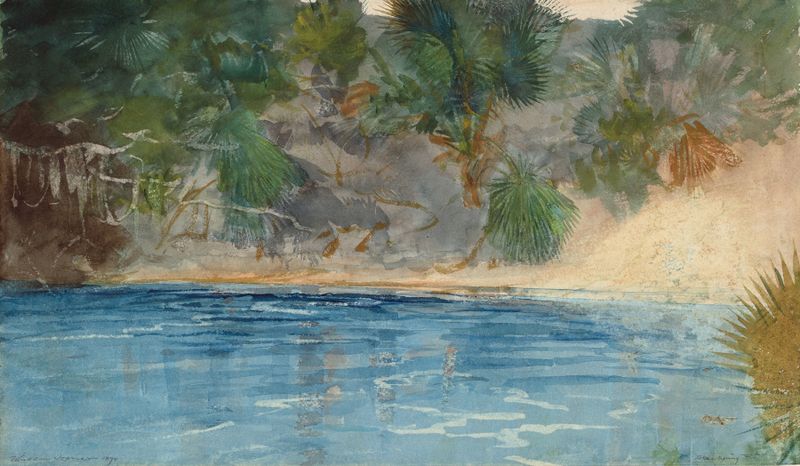
Blue Spring, Florida
Winslow Homer
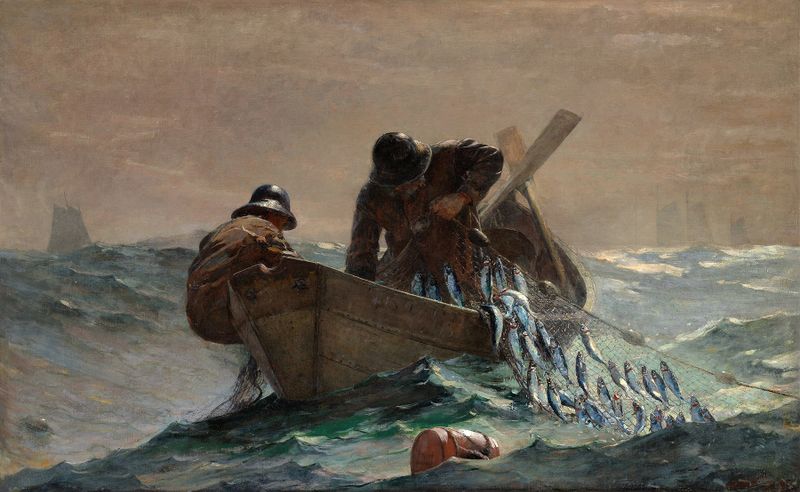
The Herring Net
Winslow Homer
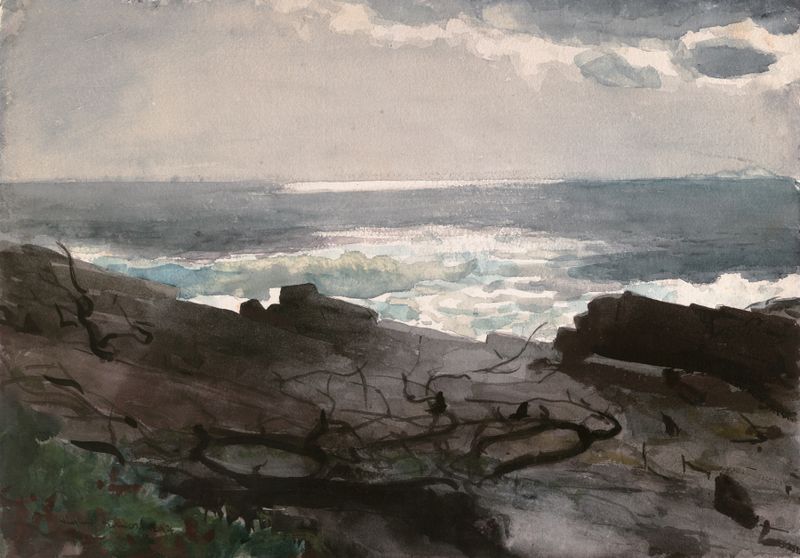
Sunshine and Shadow, Prout’s Neck
Winslow Homer
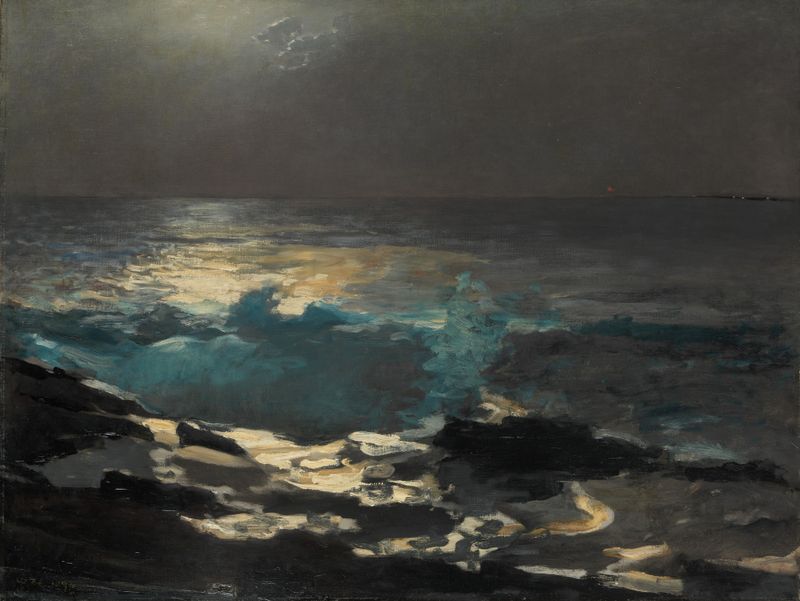
Moonlight, Wood Island Light
Winslow Homer
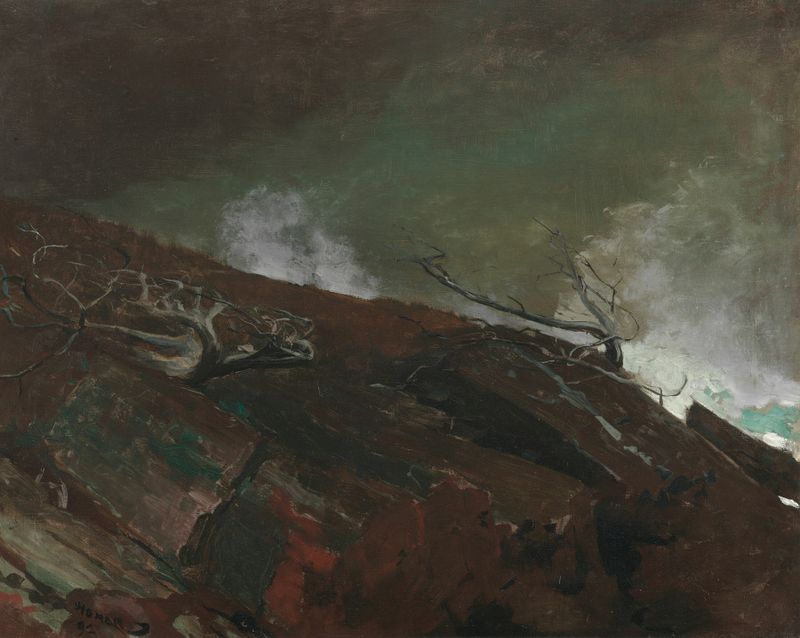
Coast of Maine
Winslow Homer
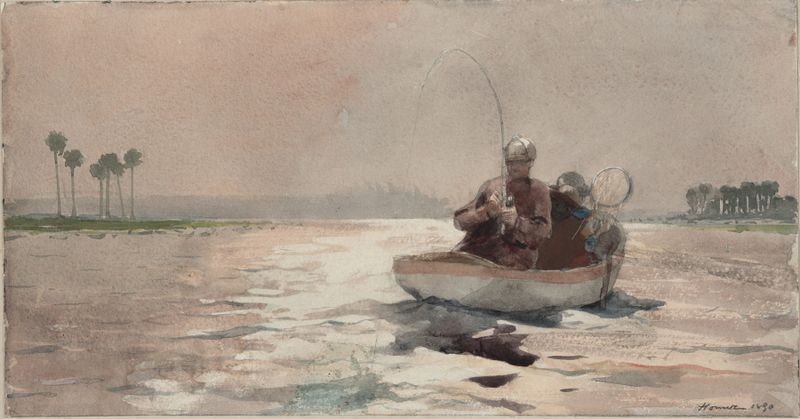
Bass Fishing – Florida
Winslow Homer





