
Wreck of the Ancon in Loring Bay, Alaska — History & Facts
A lone ship leans precariously in the still water, its yellow lifeboats stark against the brooding sky—a flash of color that draws the eye and refuses to let go. The vessel’s masts are stripped and silent, their lines mirrored in the glassy surface below, while the horizon dissolves into a haze of distant land and gathering clouds. The drama here is not in crashing waves or human figures, but in the uneasy calm: the ship is caught in a moment of aftermath, the world paused between disaster and recovery.
The dark palette and low vantage emphasize the ship’s isolation, while the faint light on the left hints at a world beyond the storm, just out of reach. Painted in 1889, Wreck of the Ancon in Loring Bay, Alaska belongs to the late nineteenth-century tradition of American landscape and maritime painting, when artists like Albert Bierstadt turned their gaze to the farthest reaches of the continent. This was an era when the Pacific Northwest and Alaska were still frontier, their dangers and wonders captured for audiences who might never see them firsthand. Works like this were often commissioned by patrons eager to document the expanding nation, or by artists themselves, keen to record the encounters between nature and human ambition.
Today, the painting is preserved in the MFA Educators Online collection, a quiet testament to an age of exploration and uncertainty—inviting the viewer to linger in that suspended moment, where the fate of the ship remains unresolved.
More Artworks by Albert Bierstadt

A Storm in the Rocky Mountains, Mt. Rosalie
Albert Bierstadt
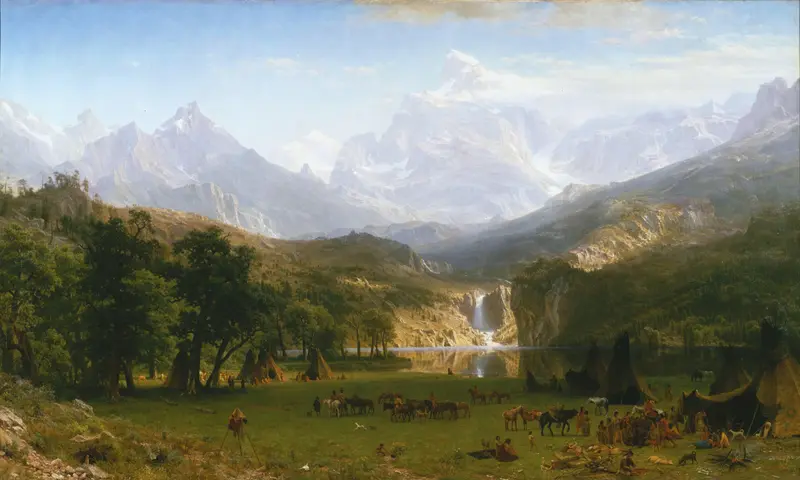
The Rocky Mountains, Lander's Peak
Albert Bierstadt
Niagara from the American Side
Albert Bierstadt
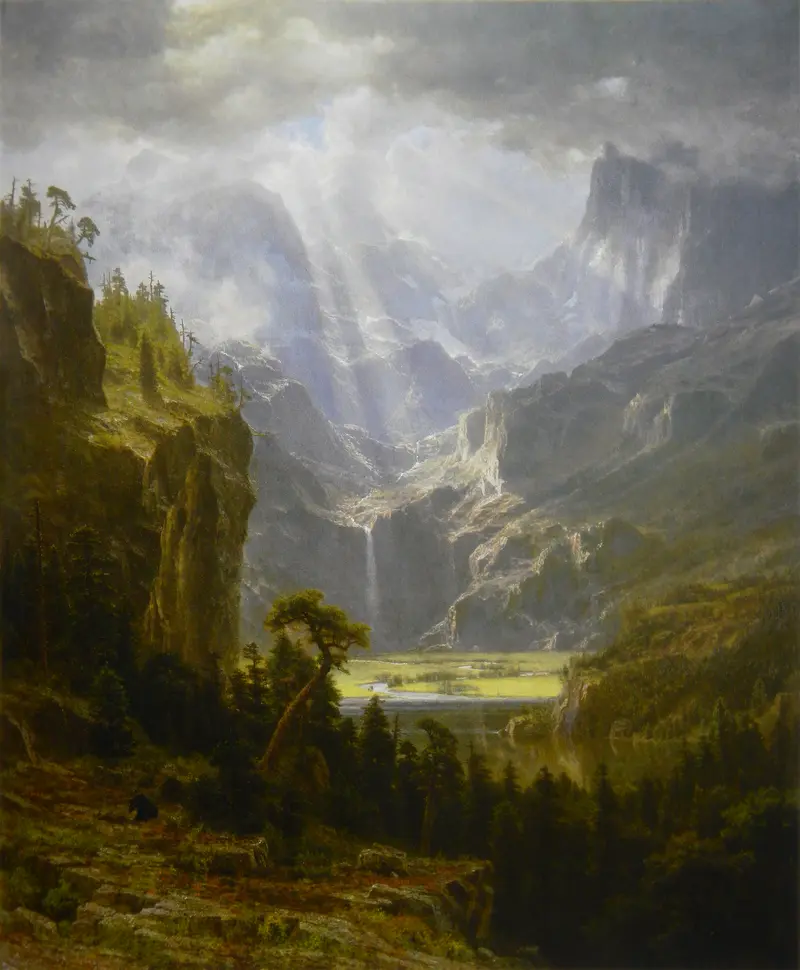
Rocky Mountains, Lander’s Peak
Albert Bierstadt

Valley of the Yosemite
Albert Bierstadt
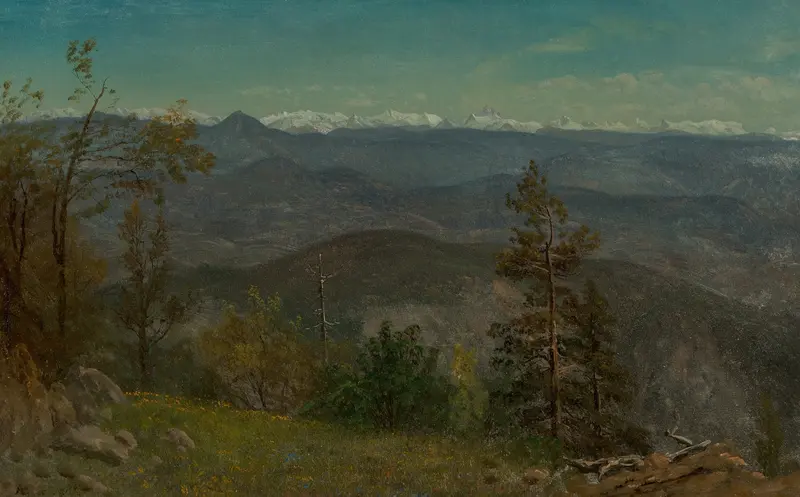
Yosemite Valley, California
Albert Bierstadt
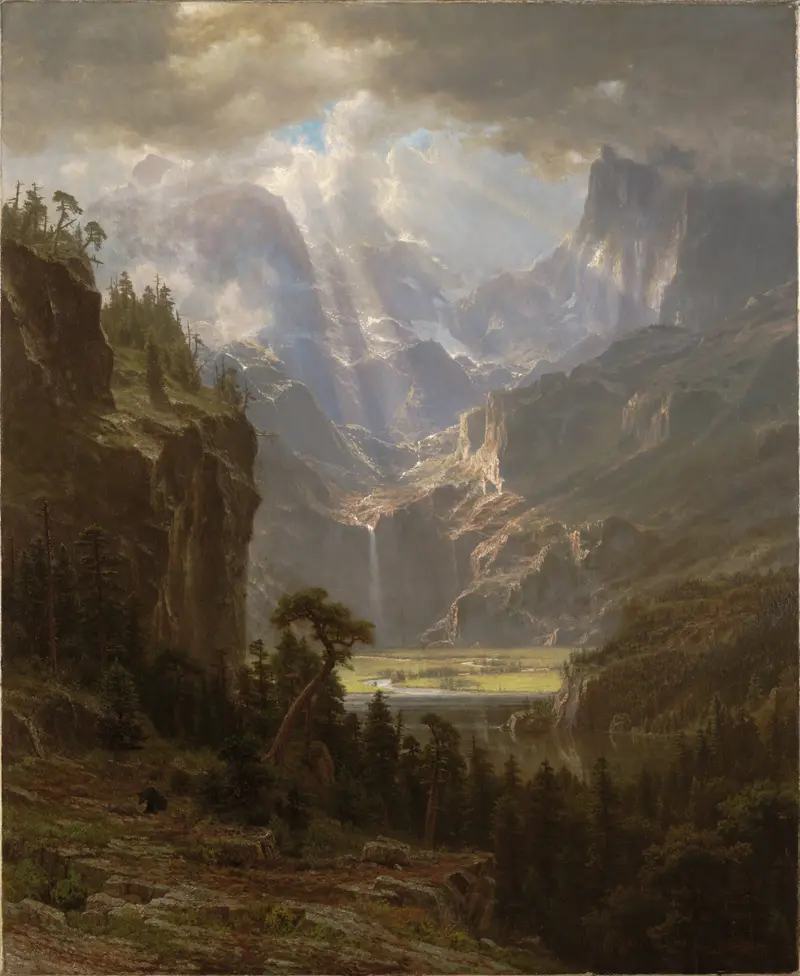
Rocky Mountains, "Lander's Peak"
Albert Bierstadt

Laramie Peak
Albert Bierstadt
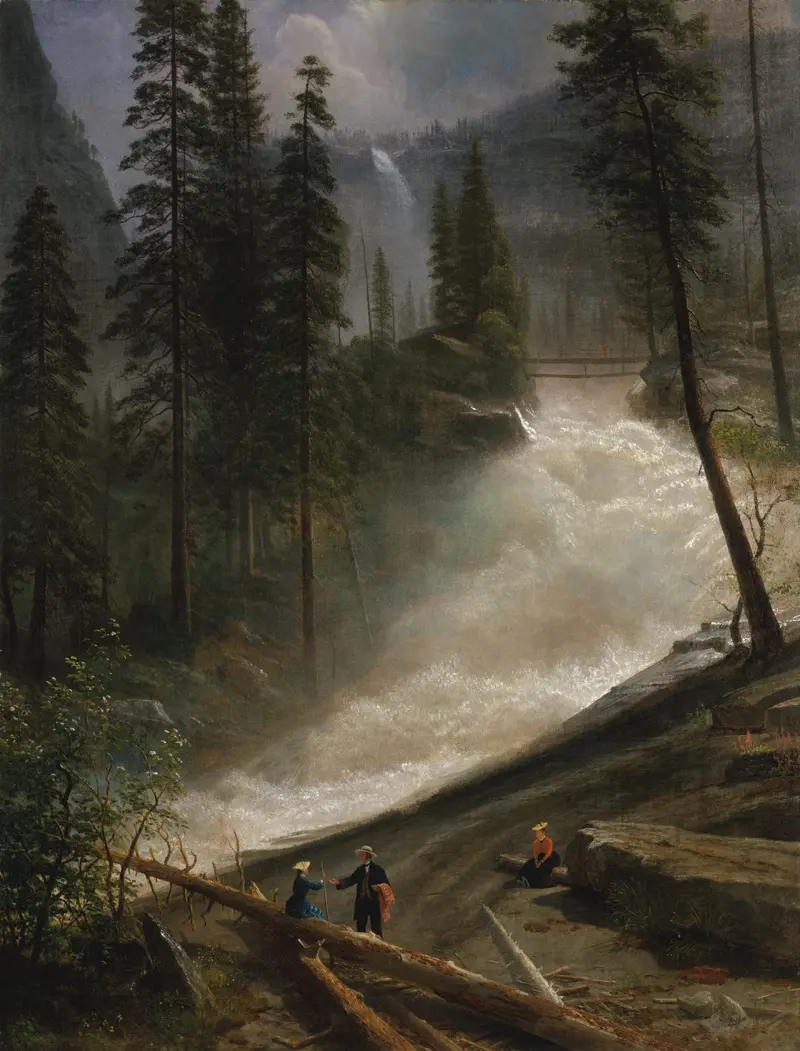
Nevada Falls, Yosemite
Albert Bierstadt
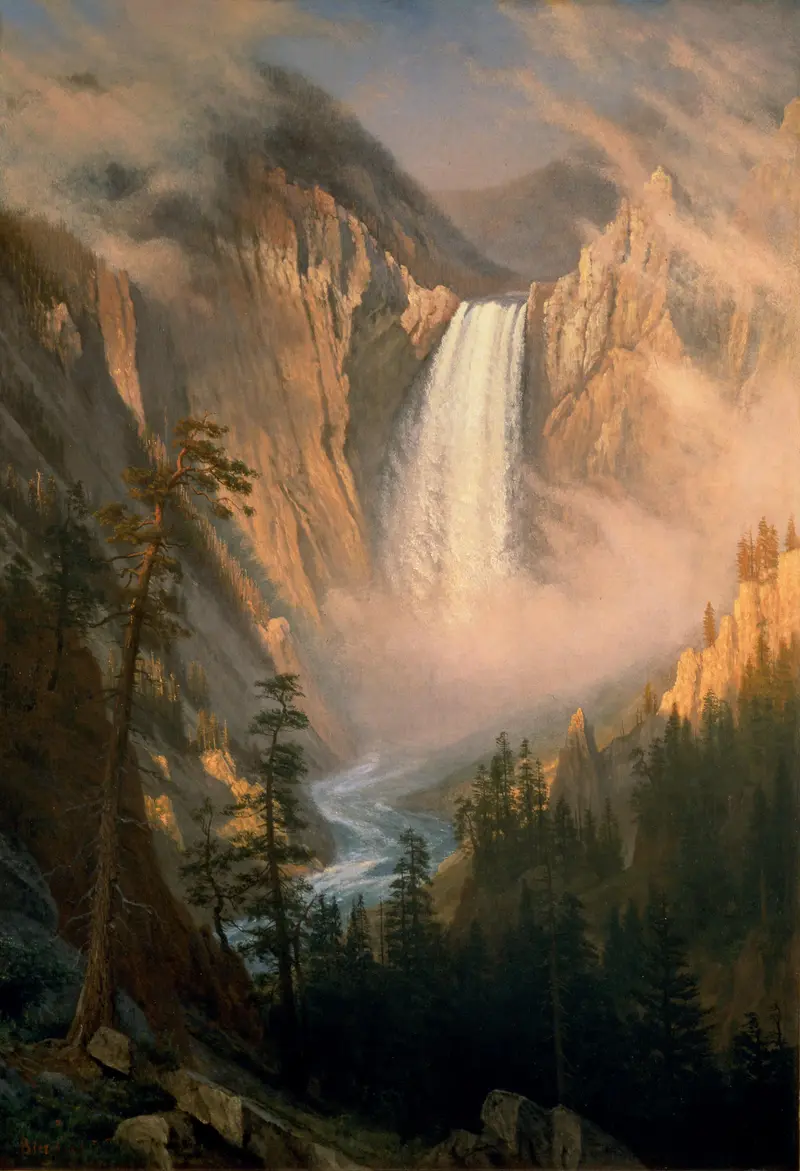
Yellowstone Falls
Albert Bierstadt





