
Wunderbare Errettung eines ertrunkenen Knaben aus Bregenz — History & Facts
What first catches the eye in Wunderbare Errettung eines ertrunkenen Knaben aus Bregenz is the charged moment of rescue, frozen with a clarity that makes every gesture count. The drama gathers at the water’s edge, where a kneeling figure in vivid red reaches toward a pale, limp child emerging from the reeds—a face just above the surface, suspended between worlds. The urgency of the rescue is echoed in the tense, almost theatrical expressions of the onlookers: the woman in white and red, hand to her cheek in worry, the man beside her lost in thought, and the boatmen whose movements and glances connect the land to the water.
The composition draws the viewer’s gaze in a circle: from the anxious faces on shore, to the rescuers in action, and back to the distant, serene lake—a world indifferent to the crisis unfolding at its edge. Painted around 1490-1493, this work belongs to a moment in late medieval and early Renaissance Europe when artists like Albrecht Dürer were experimenting with realism, narrative, and the emotional charge of everyday miracles. While little is recorded about the specific commission or journey of this painting, its presence in a modern digital collection reminds us how such images once served as both moral lesson and local chronicle—perhaps commemorating a real event, perhaps offering hope to a community. The careful attention to costume, gesture, and landscape roots the scene in the artist’s own world, where the boundaries between the sacred and the ordinary often blurred.
The painting’s survival into the digital age, catalogued by The Yorck Project, invites us to keep searching the faces and waters for the next chapter of its story.
More Artworks by Albrecht Dürer

Melancholia
Albrecht Dürer

St. George and the dragon.
Albrecht Dürer
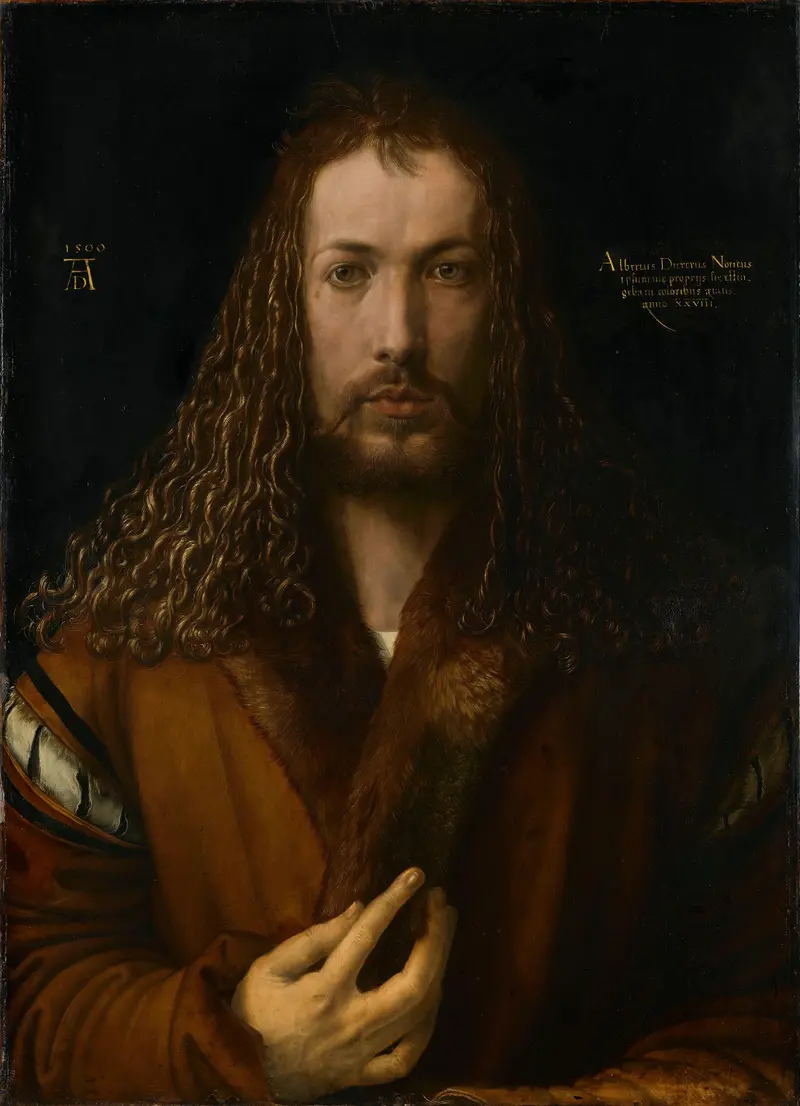
Self-Portrait with Fur-Trimmed Robe
Albrecht Dürer

Wing of a European Roller
Albrecht Dürer
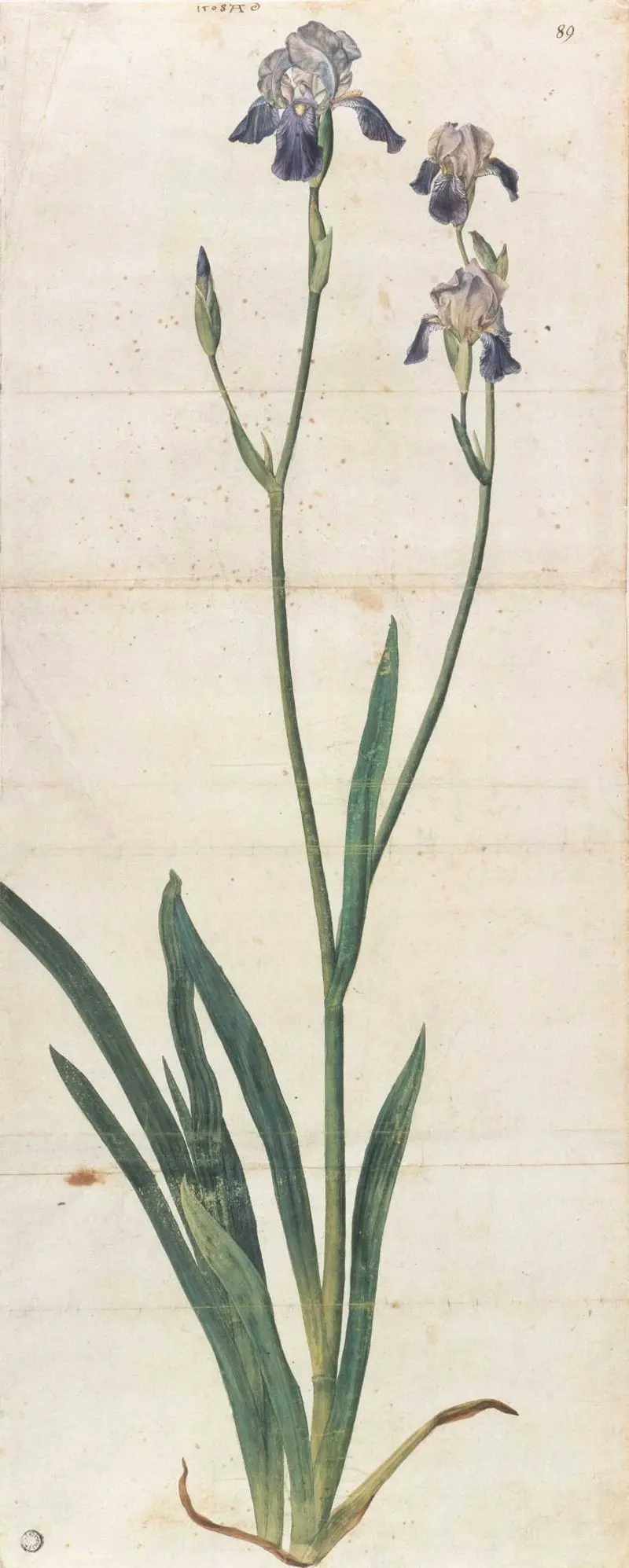
Iris
Albrecht Dürer
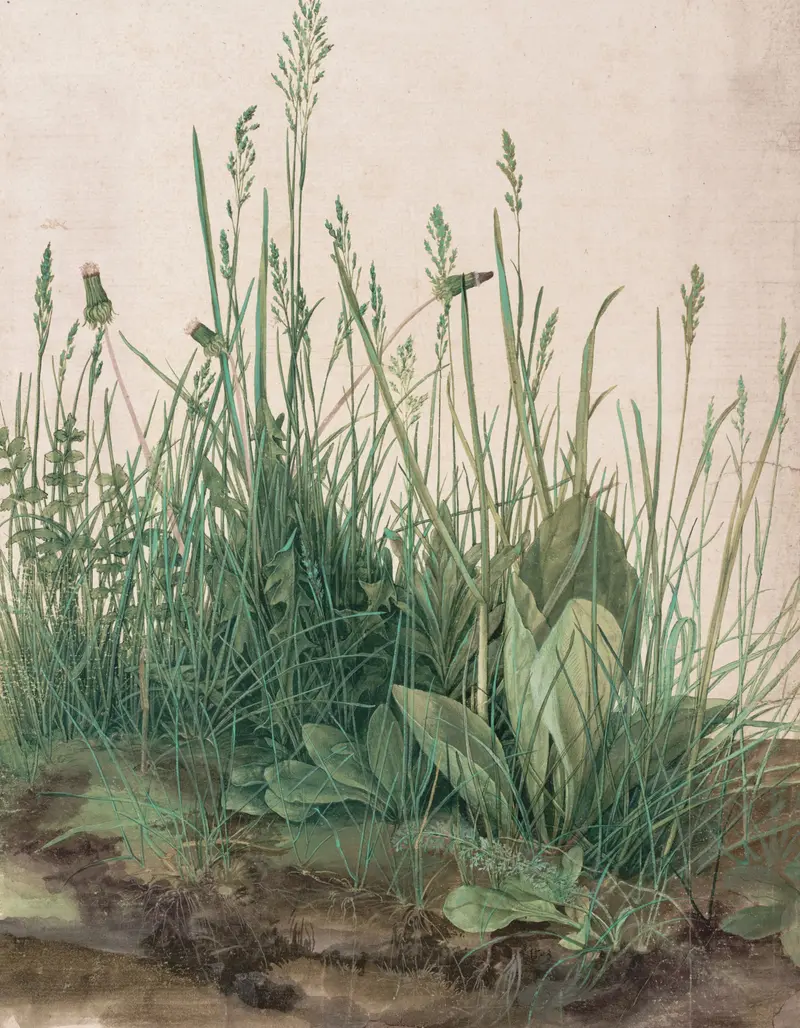
The Great Piece of Turf
Albrecht Dürer
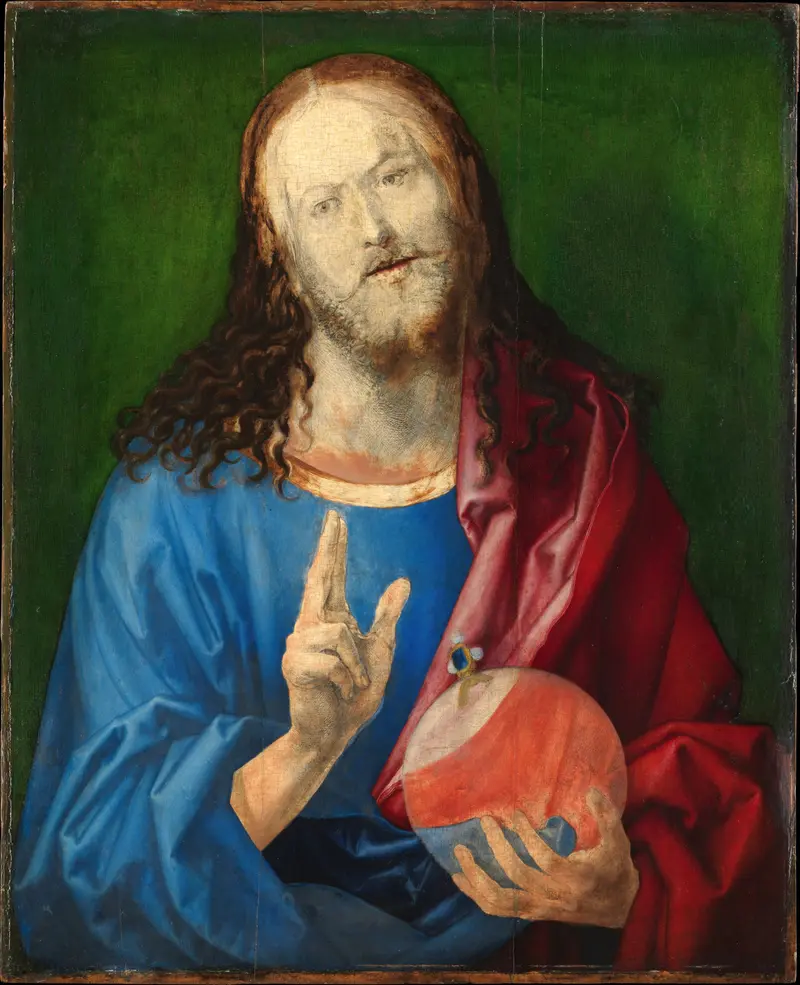
Salvator Mundi
Albrecht Dürer
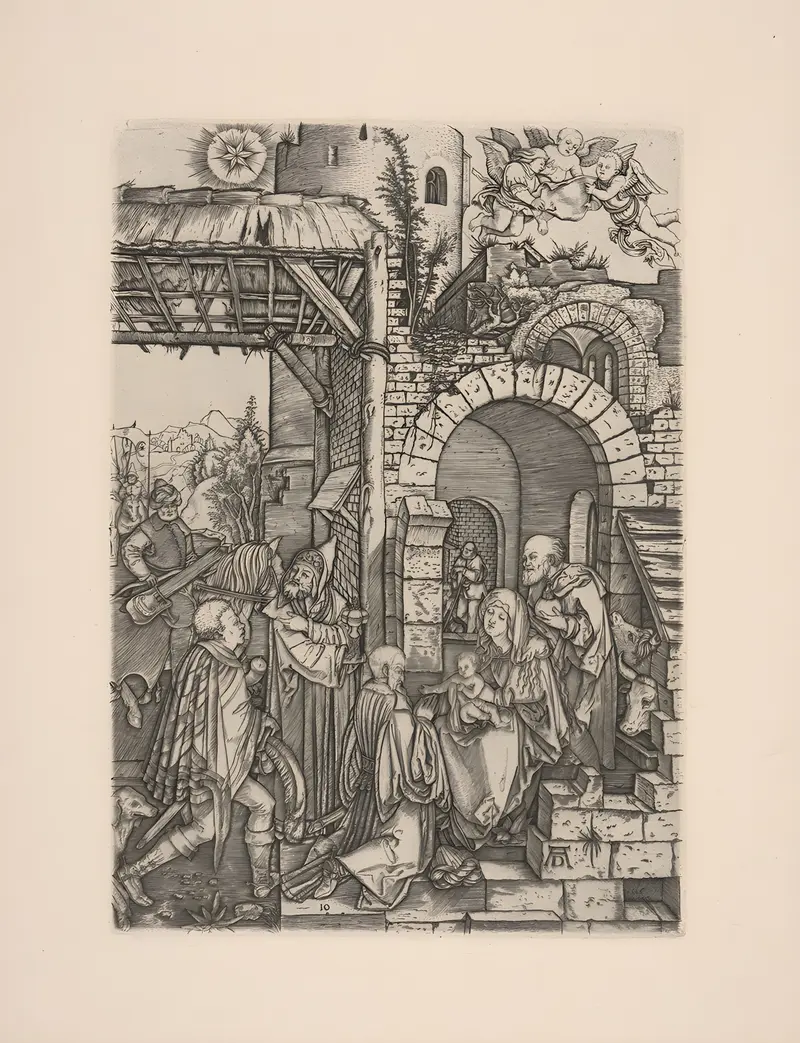
The Adoration of the Magi
Albrecht Dürer
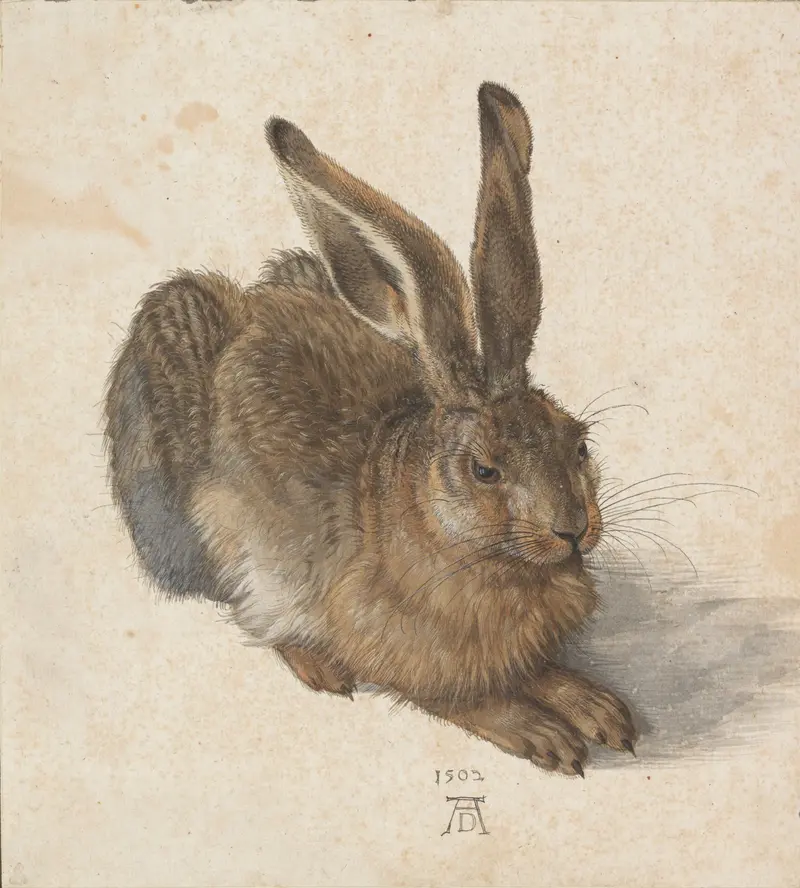
Young Hare
Albrecht Dürer
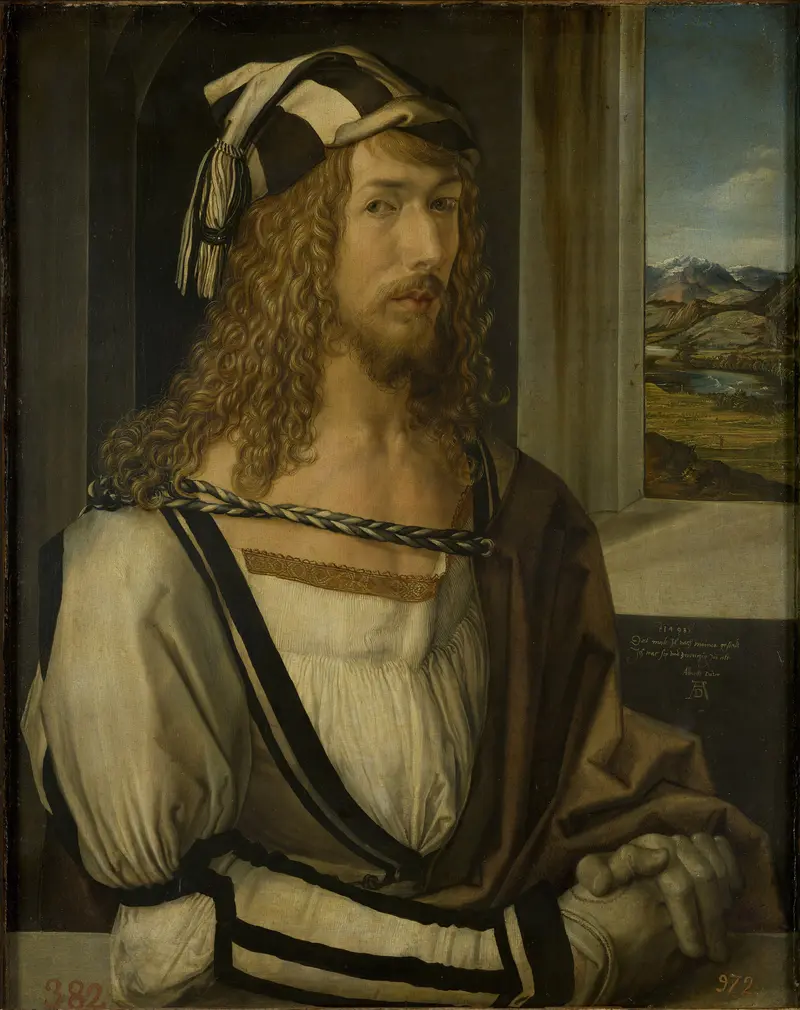
Self-portrait
Albrecht Dürer
More Genre Scene Art

Banquet of the Officers of the St George Civic Guard
Frans Hals

Rembrandt and Saskia in the Scene of the Prodigal Son
Rembrandt van Rijn

Bal du moulin de la Galette
Pierre-Auguste Renoir

Quadrille at the Moulin Rouge
Henri de Toulouse-Lautrec

A Burial at Ornans
Gustave Courbet

When Will You Marry?
Paul Gauguin