
Xiaomei — History & Facts
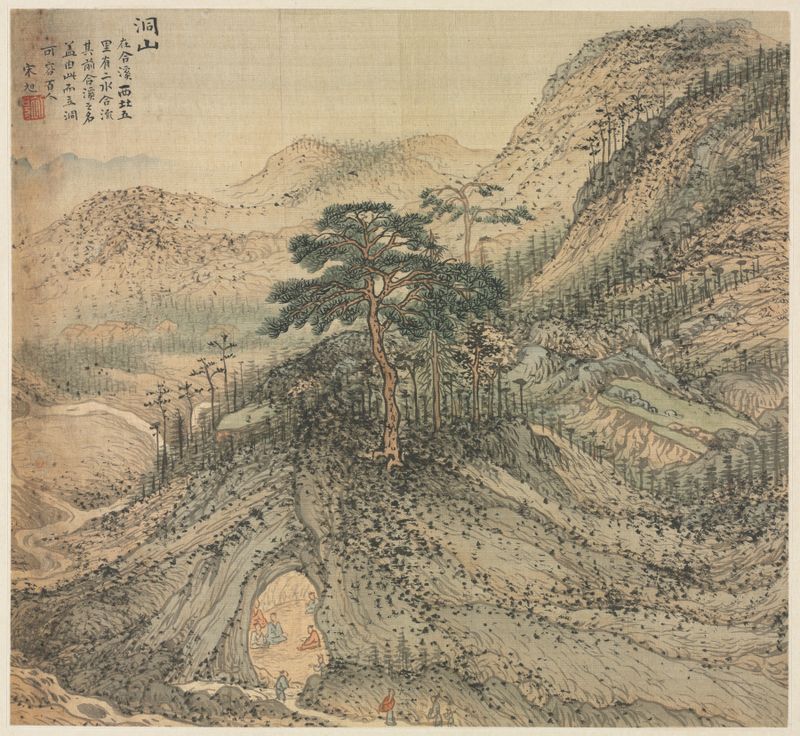
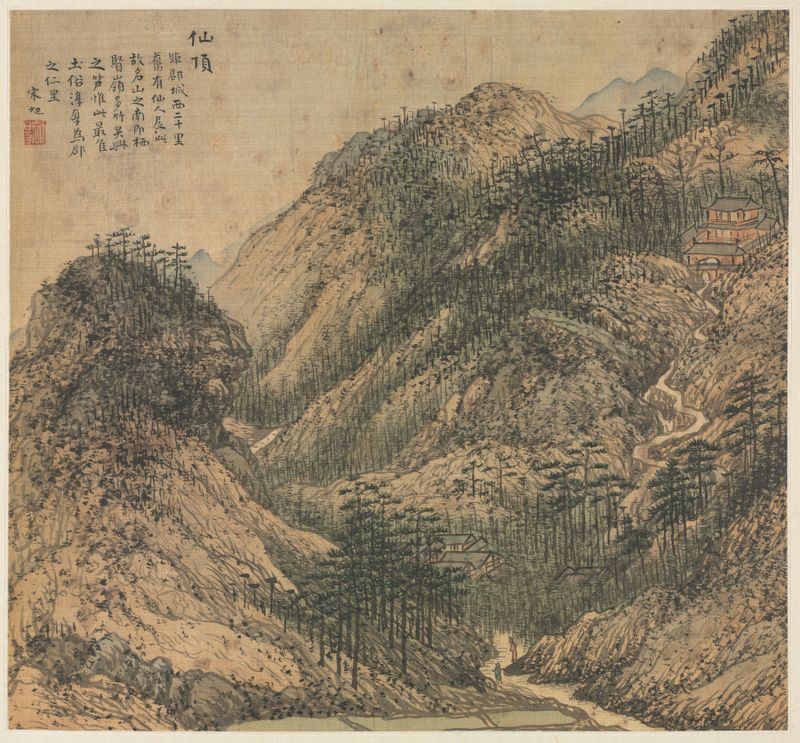
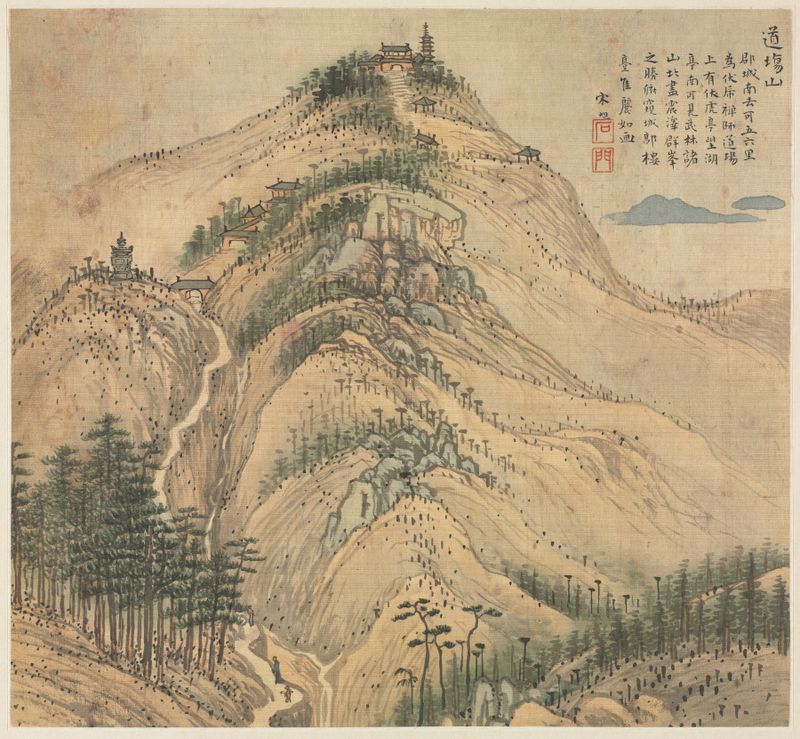
In a world that rushes forward, capturing fleeting moments becomes an act of rebellion against the inevitable passage of time. Look to the left where vibrant strokes of red and gold weave together in a tapestry of motion, embodying the spirit of the subject. The careful placement of the figure draws the eye, while flowing lines hint at movement, suggesting a dance between stillness and dynamism. The artist’s choice of color palette resonates with warmth, creating an inviting yet complex atmosphere, as if the viewer has stumbled upon a moment both intimate and profound. The layers of texture reveal deeper meanings beneath the surface.
The juxtaposition of the subject's poised expression against the swirling colors evokes a tension between serenity and chaos, mirroring life’s own contradictions. Small details, like the graceful curve of the figure’s arm and the gentle ripple in the fabric, symbolize not just movement but also the enduring power of memory, reminding us of the beauty in the transient. Song Xu created this work around 1588, during a time when traditional Chinese painting was experiencing significant evolution. As an accomplished artist of the Ming dynasty, he was influenced by a resurgence of interest in literati painting, blending scholarly expression with emotive technique.
This period saw a flourishing of artistic experimentation, setting the stage for Xu to explore the balance between motion and stillness through his unique lens.
More Artworks by Song Xu
Browse all →




More Portrait Art
Browse all →
Las meninas
Diego Velázquez

Self-portrait with a Bandaged Ear and Pipe
Unidentified artist

Girl with a Pearl Earring
Johannes Vermeer

The Sampling Officials of the Amsterdam Drapers’ Guild, Known as ‘The Syndics’
Rembrandt van Rijn

The Hundred Guilder Print: the man seen on the back in the lower left corner
Rembrandt van Rijn

Portrait of Dr Gachet
Vincent van Gogh