
Xiphacantha (Acantharian Radiolarian) — History & Facts
What first seizes the eye in Xiphacantha (Acantharian Radiolarian) is its crystalline symmetry: a form that seems as much engineered as grown, radiating outward with mathematical precision. The golden structure at the center draws you in, its starburst arms bristling with delicate spines, each segment repeating in a rhythm that feels both organic and architectural. This is no idle doodle—every line, every gradient of yellow and shadow, serves to reveal the intricate skeleton of a single-celled marine organism, magnified and rendered with the care of a jeweler.
The play of light across the form highlights its three-dimensionality, inviting you to imagine the creature suspended in water, turning gently in the currents. Created in 1904 by Ernst Haeckel, this image belongs to a world where science and art were not rivals but partners. Haeckel’s illustrations of radiolarians, such as this acantharian, were not only scientific documents but also celebrations of the hidden beauty of nature’s smallest architects. At the dawn of the twentieth century, such works fed a growing hunger for knowledge about the microscopic world, as new microscopes revealed wonders previously invisible.
These images found their way into books, classrooms, and even artists’ studios, influencing everything from jewelry to architecture. History has kept few traces of the individual journeys of these illustrations, but their legacy endures in every viewer who finds wonder in the geometry of life—look again, and let your eye trace those radiating lines anew.
More Artworks by Ernst Haeckel
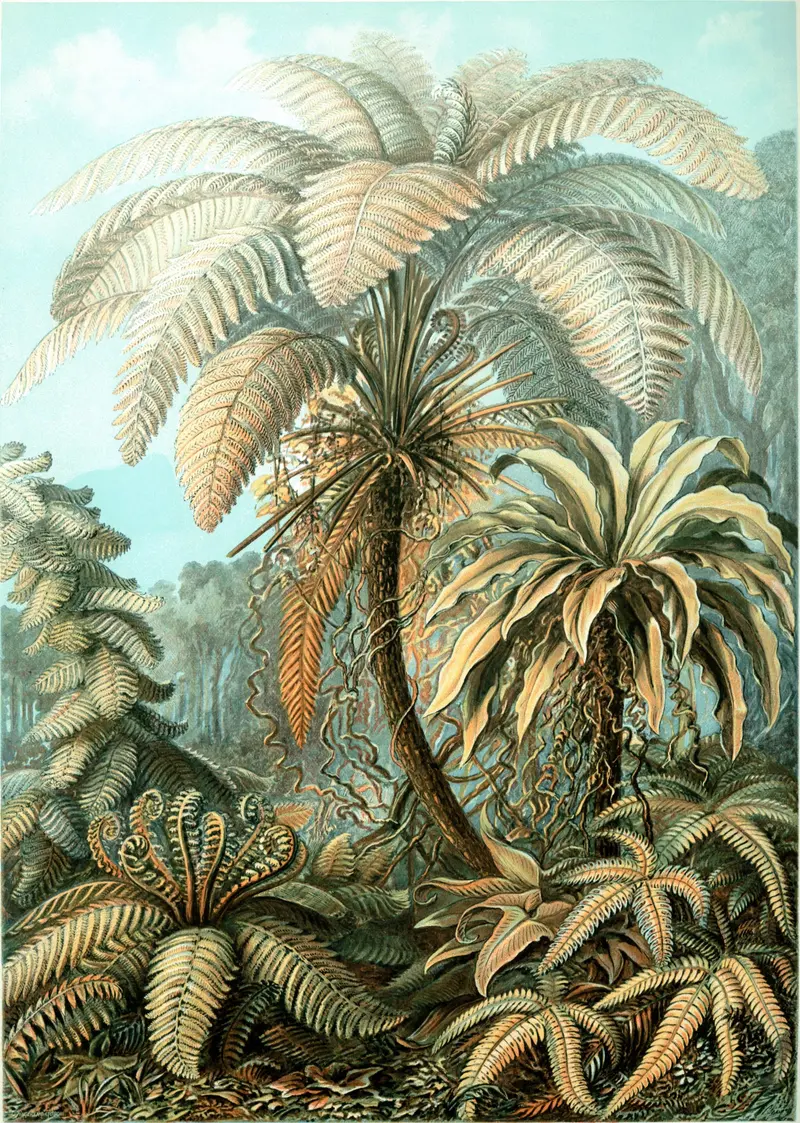
Filicinae (Ferns)
Ernst Haeckel
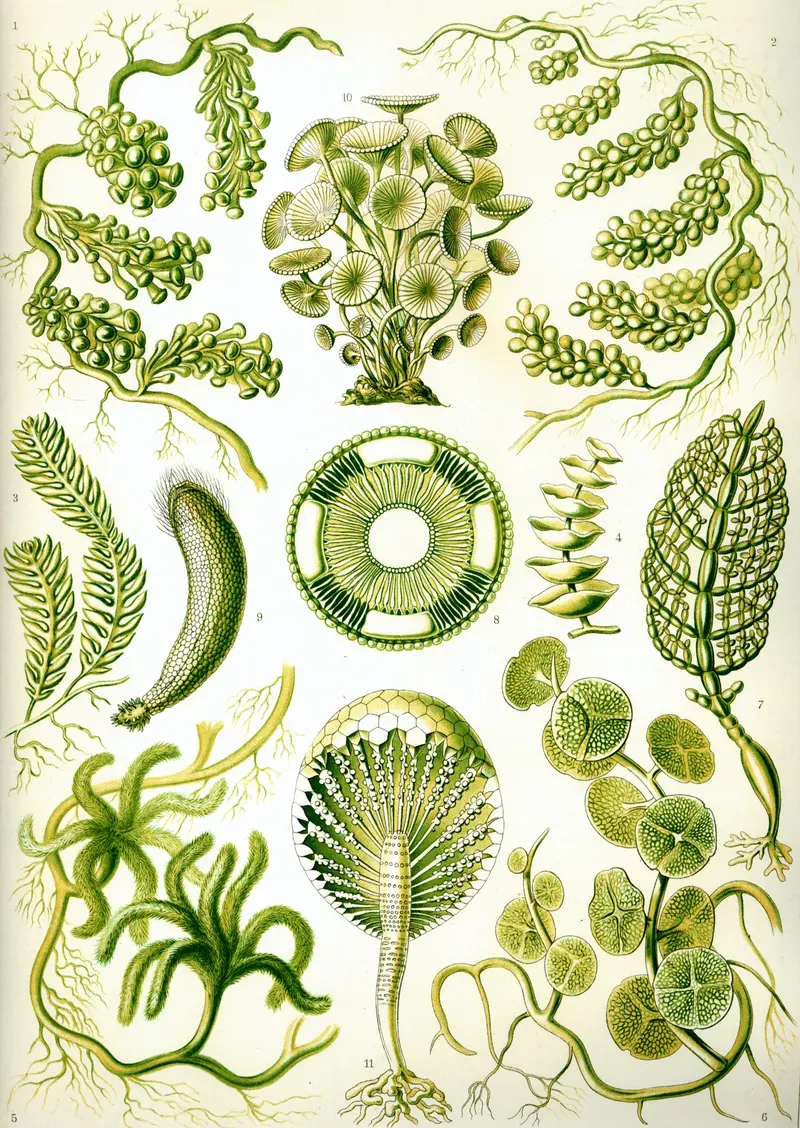
Siphoneae (Green Algae)
Ernst Haeckel

Cirripedia (Barnacles)
Ernst Haeckel

Actiniae (Sea Anemones)
Ernst Haeckel
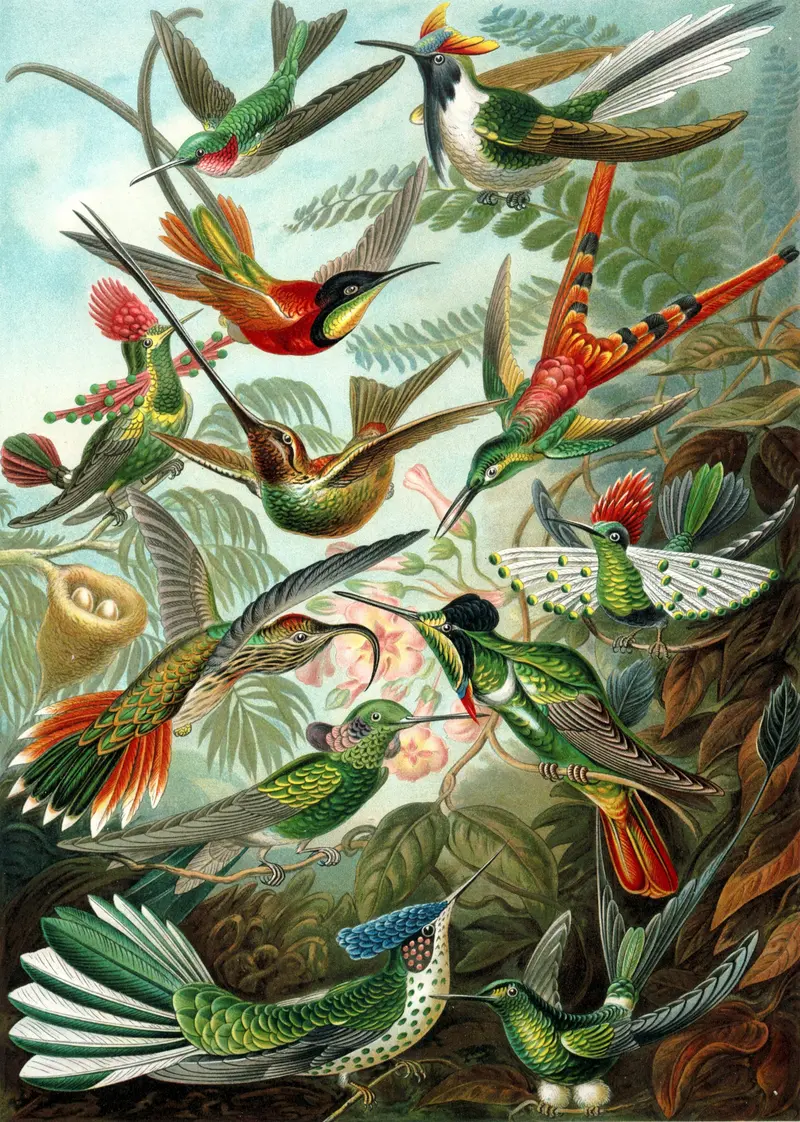
Trochilidae (Hummingbirds)
Ernst Haeckel
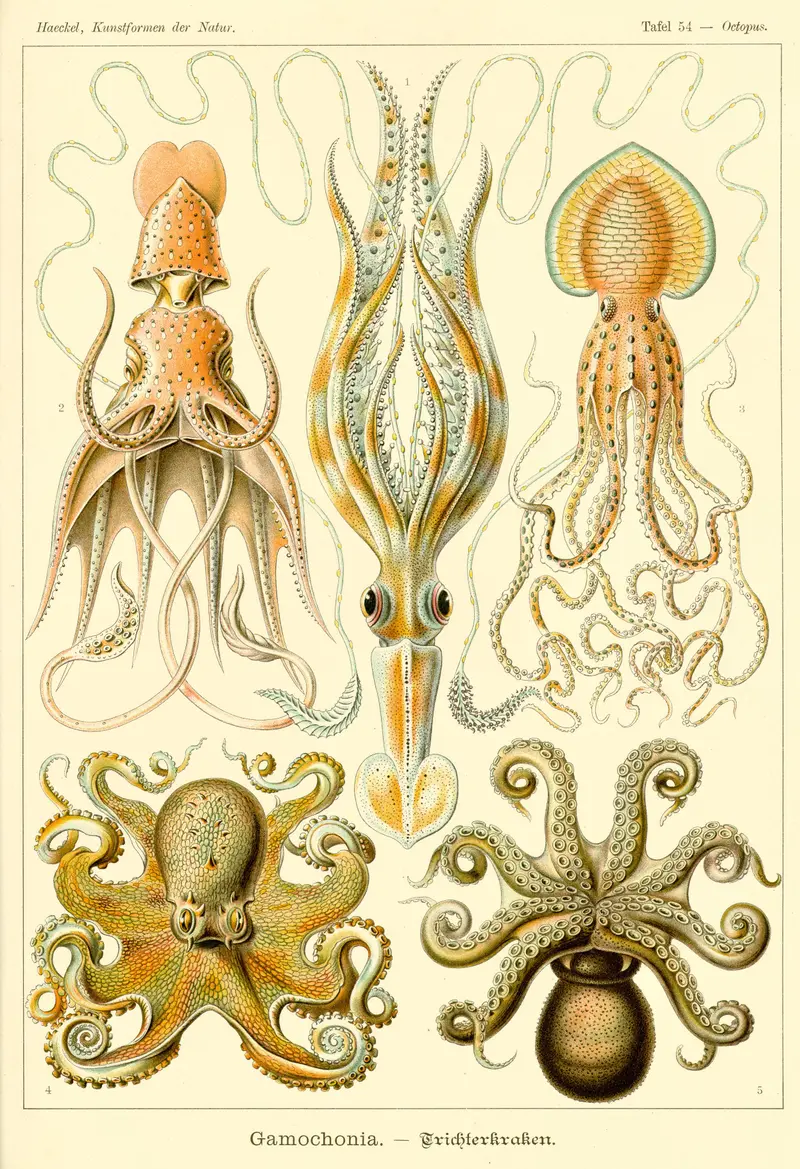
Gamochonia (Cephalopods)
Ernst Haeckel
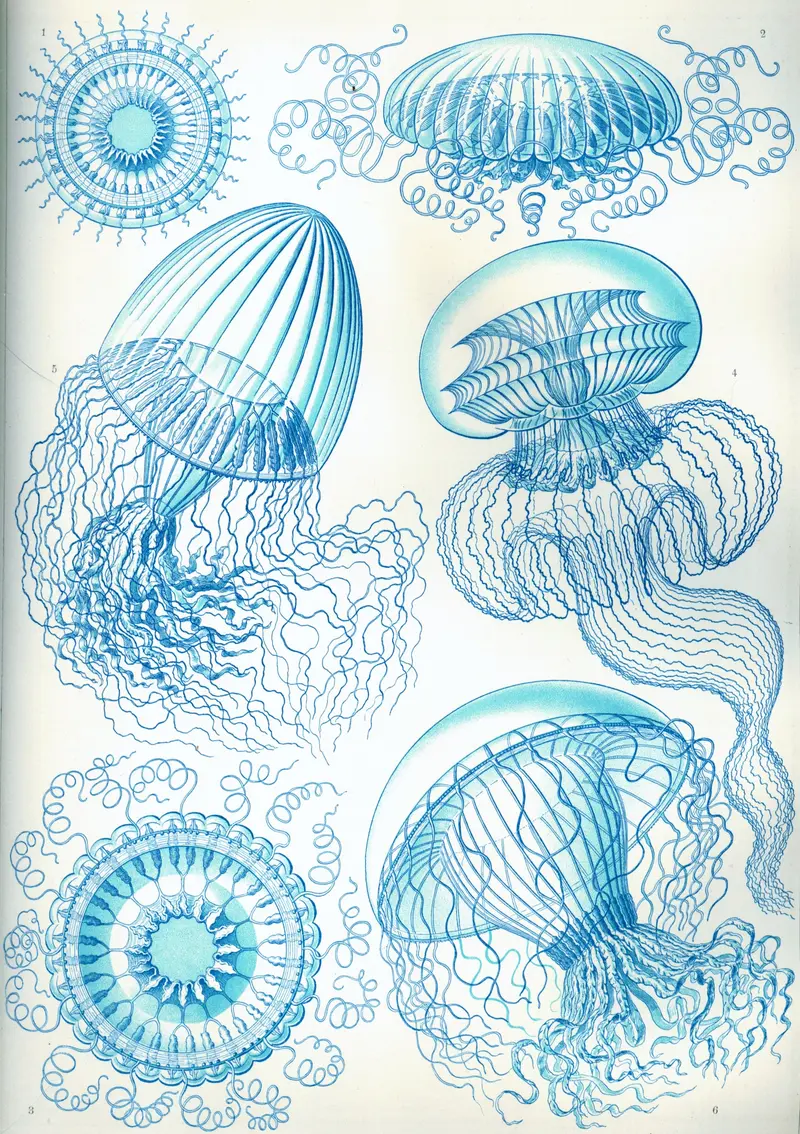
Leptomedusae (Jellyfish)
Ernst Haeckel
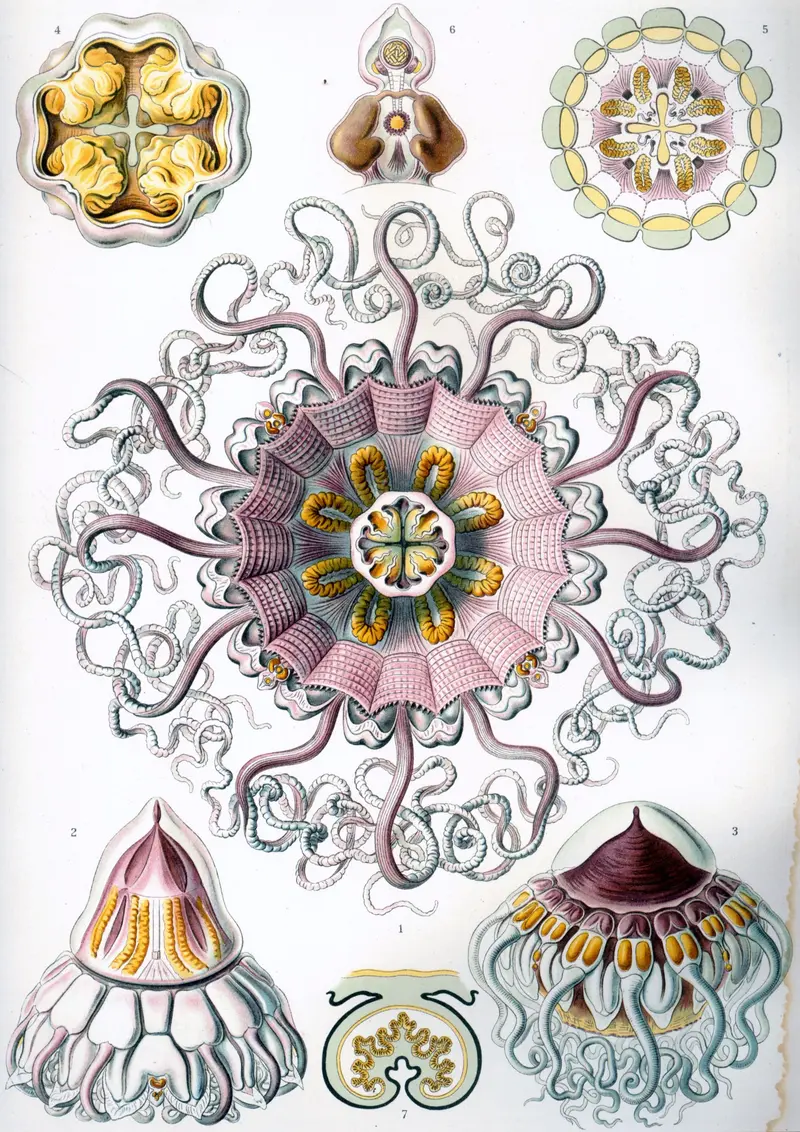
Peromedusae (Jellyfish)
Ernst Haeckel
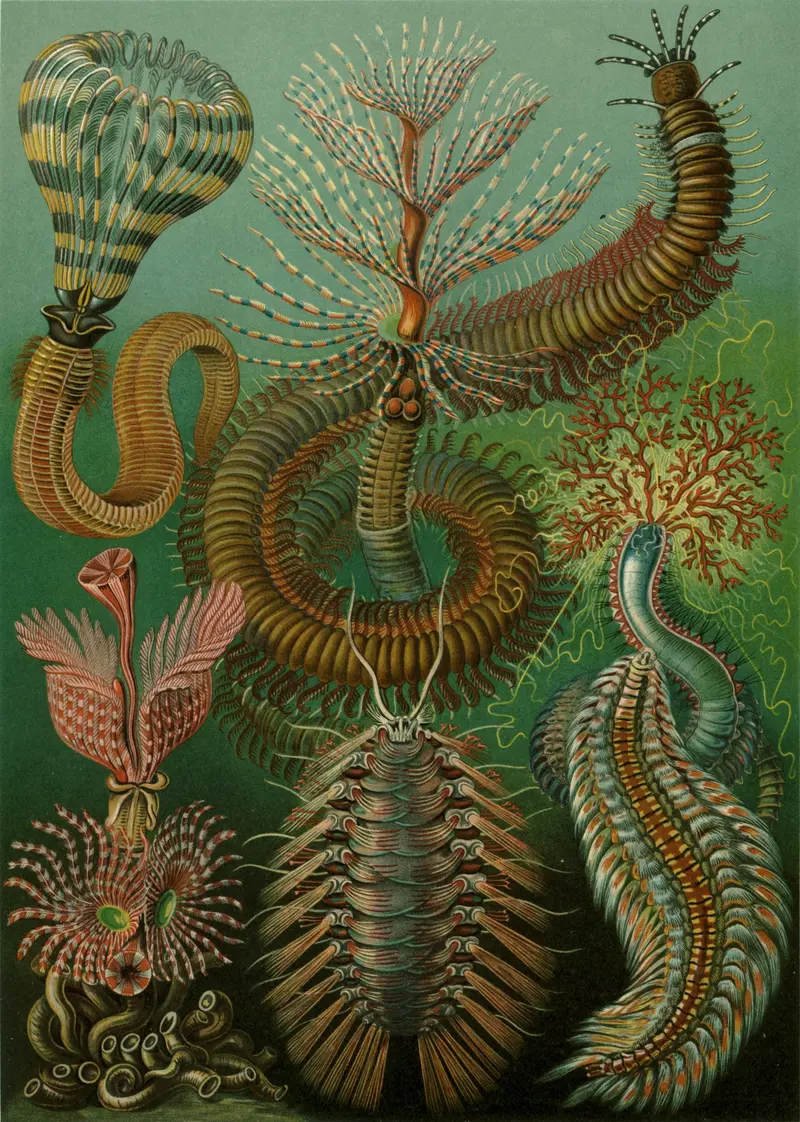
Chaetopoda (Bristle Worms)
Ernst Haeckel
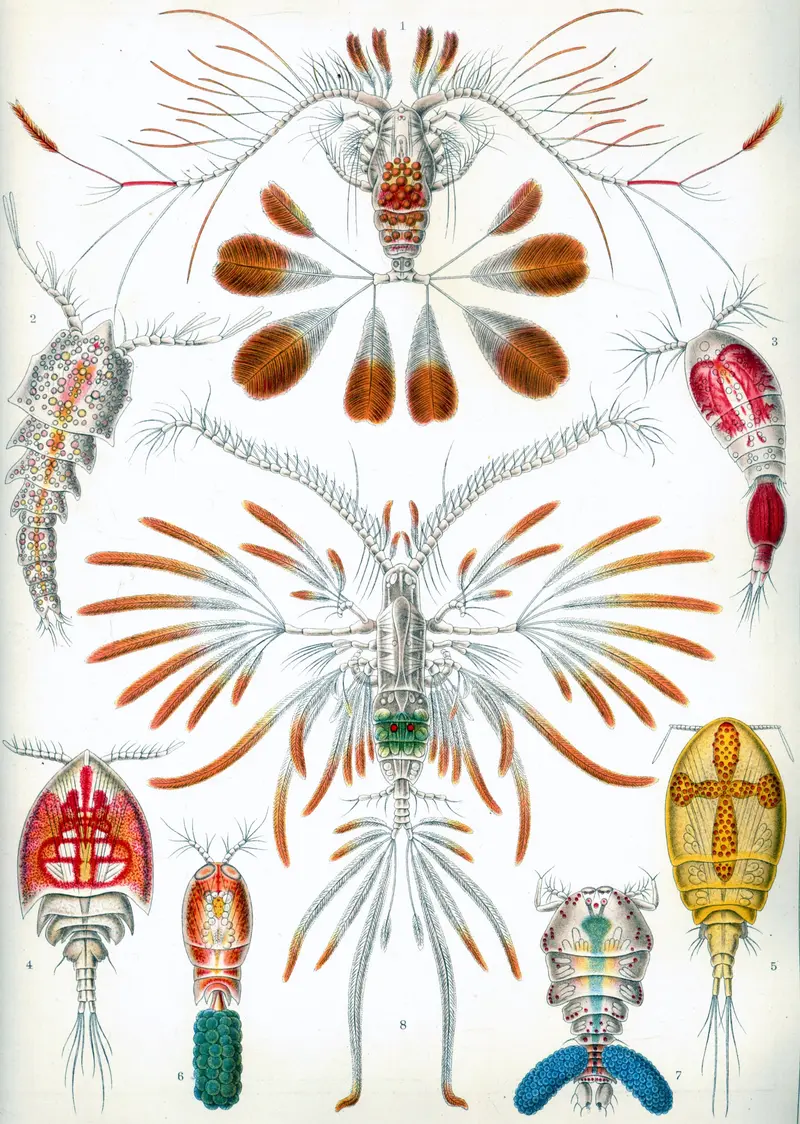
Copepoda (Copepods)
Ernst Haeckel





