
Yorktown 3 — History & Facts
Could beauty survive in a century of chaos? Yorktown 3 captivates, inviting us into a quiet dialogue with absence, a haunting stillness amidst tumultuous times. Look to the expansive horizon, where muted blues and grays blend seamlessly into one another, creating an atmosphere of introspection. Notice how the gentle curvature of the shoreline draws the eye toward a distant, almost ghostly silhouette of a fort. The brushwork is delicate yet firm, revealing Peixotto's mastery in balancing color and form, while the subtle gradients of light evoke a sense of time suspended.
The scene resonates with a profound stillness, as if the viewer has stumbled upon a moment untouched by the outside world. Delve deeper, and one can sense the emotional undercurrents at play: the fort, a symbol of strength, now lies empty, suggesting the passage of time and forgotten histories. The serene water reflects a dichotomy of tranquility and loss, as if it holds the weight of stories longing to be told. Every stroke whispers of absence, the kind that haunts the landscape, reminding us of what once was and what has faded into memory. In 1898, Yorktown 3 emerged as Ernest Peixotto navigated the complexities of an evolving art landscape in America, influenced by impressionism and the burgeoning realism movement.
Living in California, he witnessed both natural beauty and the encroachment of modernity, prompting him to explore themes of legacy and change. This painting stands as a poignant reminder of the echoes of history captured within the vastness of the American landscape.
More Artworks by Ernest Peixotto
Browse all →
Fort Moultrie on the Site of Old Fort Sullivan
Ernest Peixotto
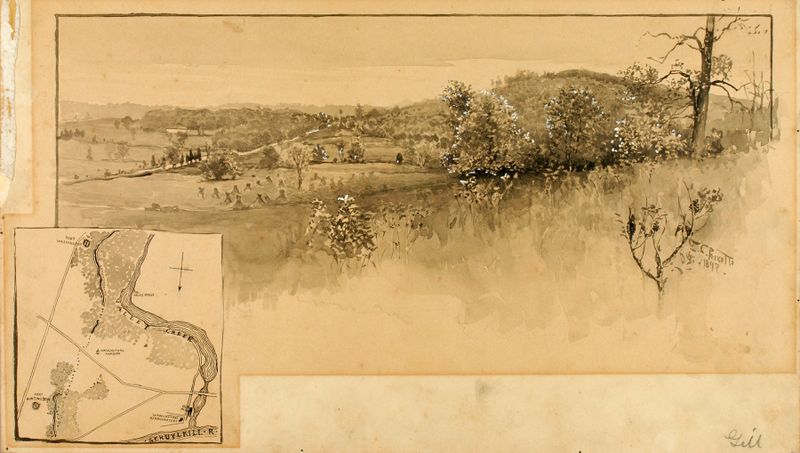
Valley Forge
Ernest Peixotto
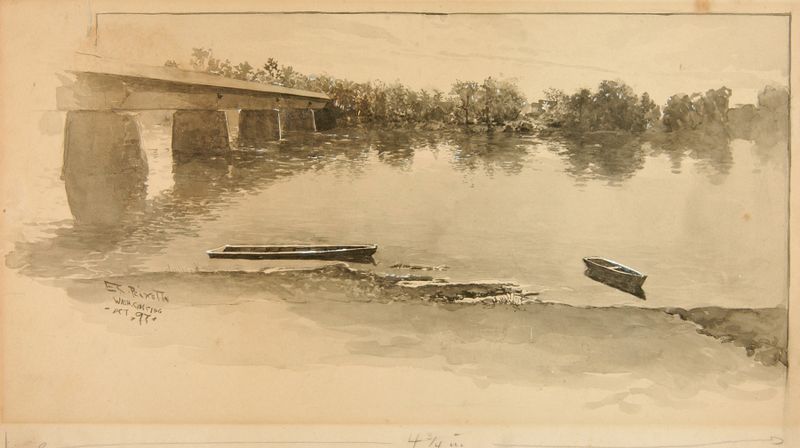
Washington Crossing
Ernest Peixotto

Ticonderoga
Ernest Peixotto
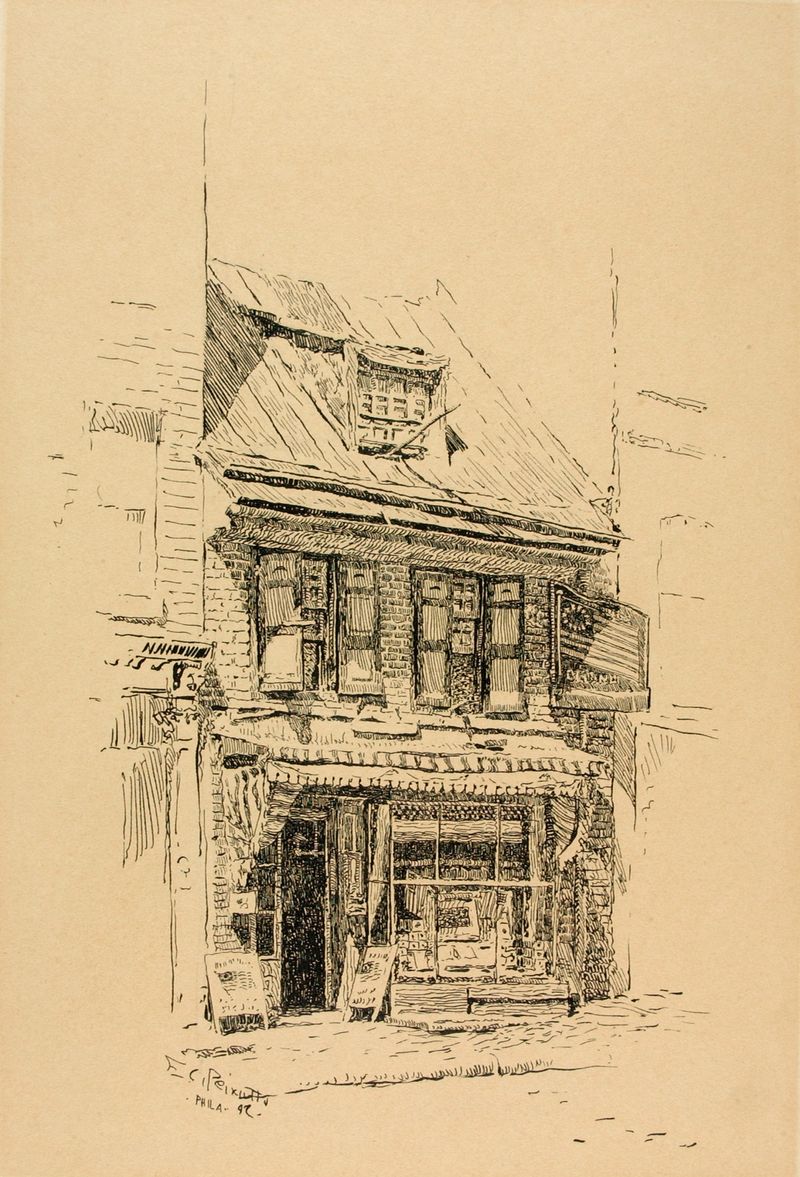
House Where First American Flag Was Made
Ernest Peixotto
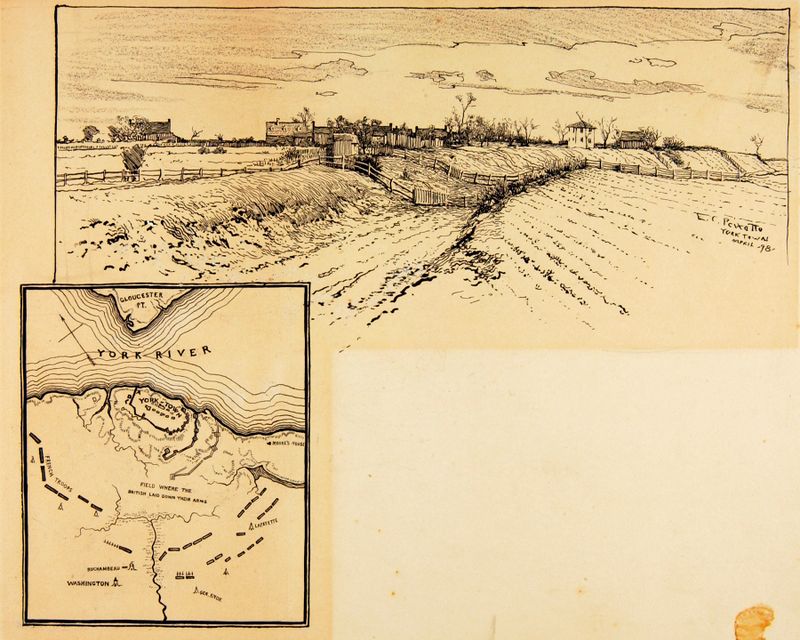
Present Appearance of British Entrenchment, Yorktown
Ernest Peixotto
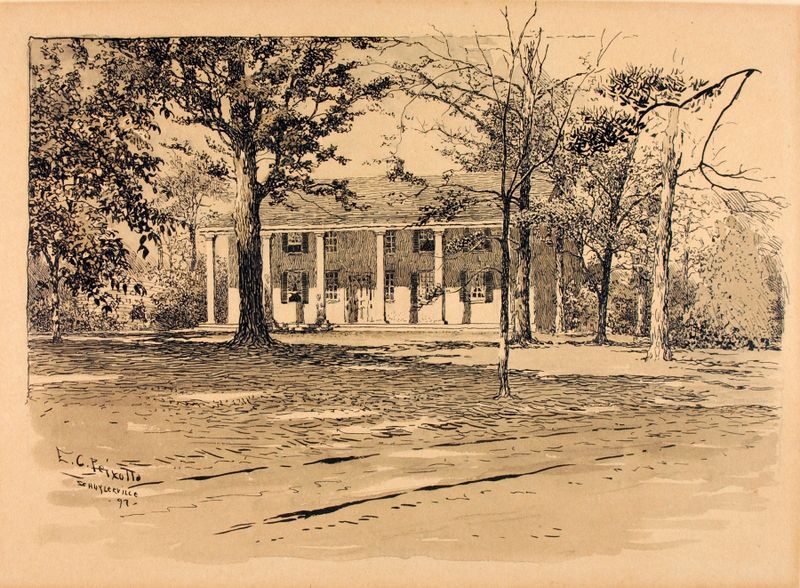
Saratoga. General Schuyler’s House
Ernest Peixotto
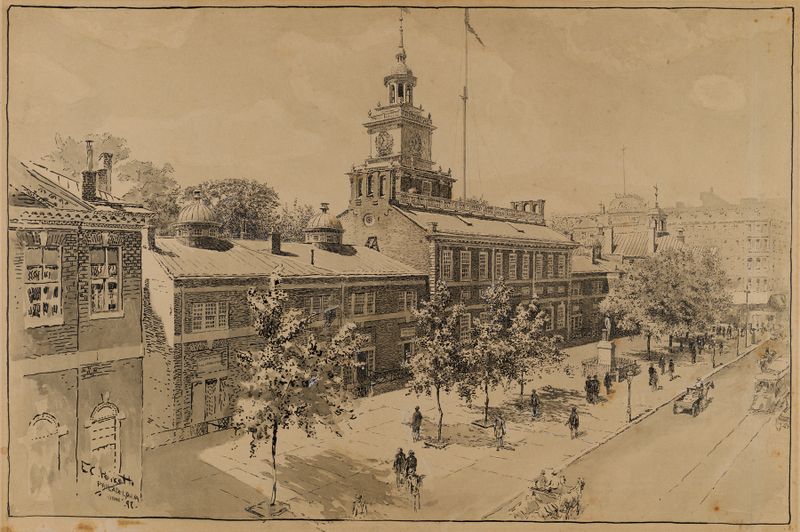
Philadelphia, Independence Hall, Chestnut Street
Ernest Peixotto
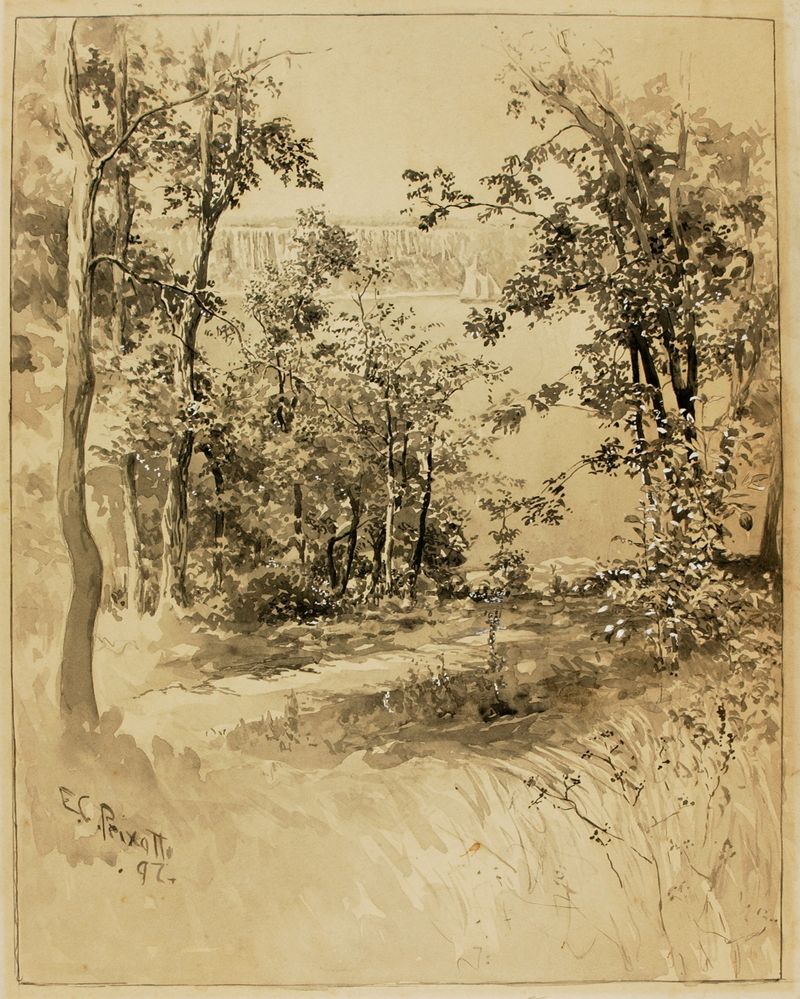
New York, Site of Fort Washington, Looking at Fort Lee
Ernest Peixotto

Capture of Fort Ticonderoga
Ernest Peixotto





