
Zalmvisserij — History & Facts
Can beauty exist without sorrow? A solitary fisherman stands at the water's edge, the melancholy of the scene enveloping him like a fog, his figure a testament to both resilience and isolation. The quiet ripples of the water mirror his solitude, invoking a deep sense of longing that echoes in the stillness of the air. Look to the left at the rugged shoreline, where the earthy tones of browns and greens blend seamlessly to create a natural backdrop. The finely detailed lines of the fisherman’s modest attire draw your eye, revealing the intricate craftsmanship of Hollar’s etching technique.
Notice how the soft, muted colors contrast with the sharp, precise texture of the fisherman’s silhouette, emphasizing his loneliness against the vastness of nature that surrounds him. Deeper insights emerge upon closer inspection: the subtle play of light on the water captures fleeting moments, while the distant horizon suggests both promise and despair. The fisherman’s posture, slightly slumped, conveys a sense of weariness—a silent struggle against the weight of solitude. Elements of the landscape, from the distant boats to the unseen depths of the river, reflect the broader human experience of isolation, resonating with those who dare to confront their own loneliness. In 1671, Wenceslaus Hollar created this work amidst a period of personal upheaval and artistic exploration.
Living in London after fleeing the turmoil of his native Bohemia, Hollar found solace in the intricate details of etching. His art often danced between realism and emotion, capturing the natural world with a sensitivity that transcended the mere visual, capturing the essence of human experience in an era defined by strife and displacement.
More Artworks by Wenceslaus Hollar
Browse all →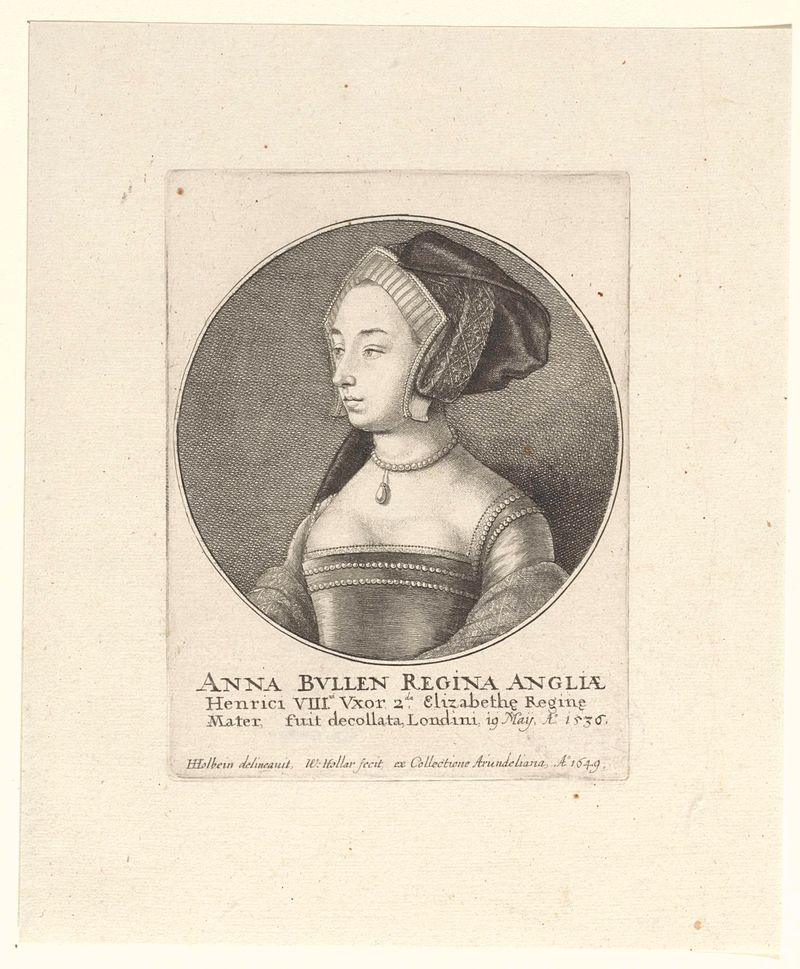
Portret van Anna Boleyn, koningin van Engeland
Wenceslaus Hollar
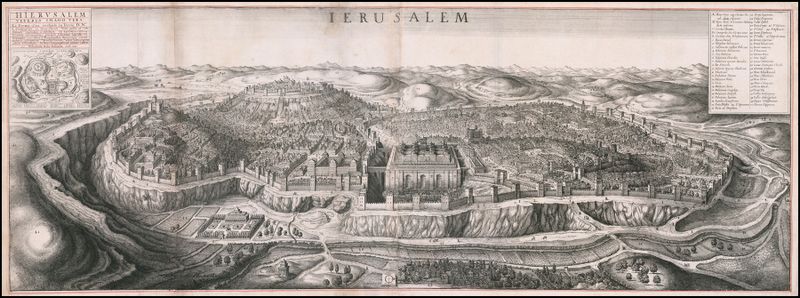
Bird’s eye view of Jerusalem
Wenceslaus Hollar
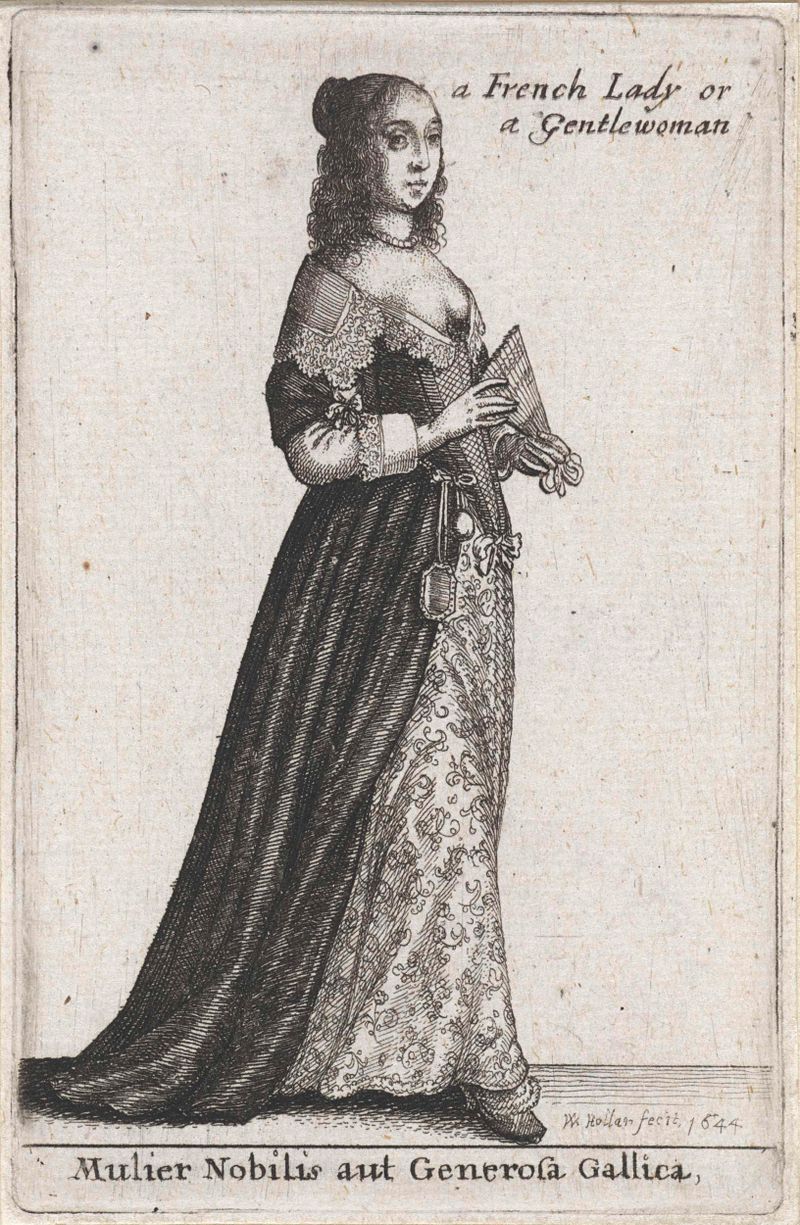
Mulier Nobilis aut Generosa Gallica / a French Lady or Gentlewoman
Wenceslaus Hollar
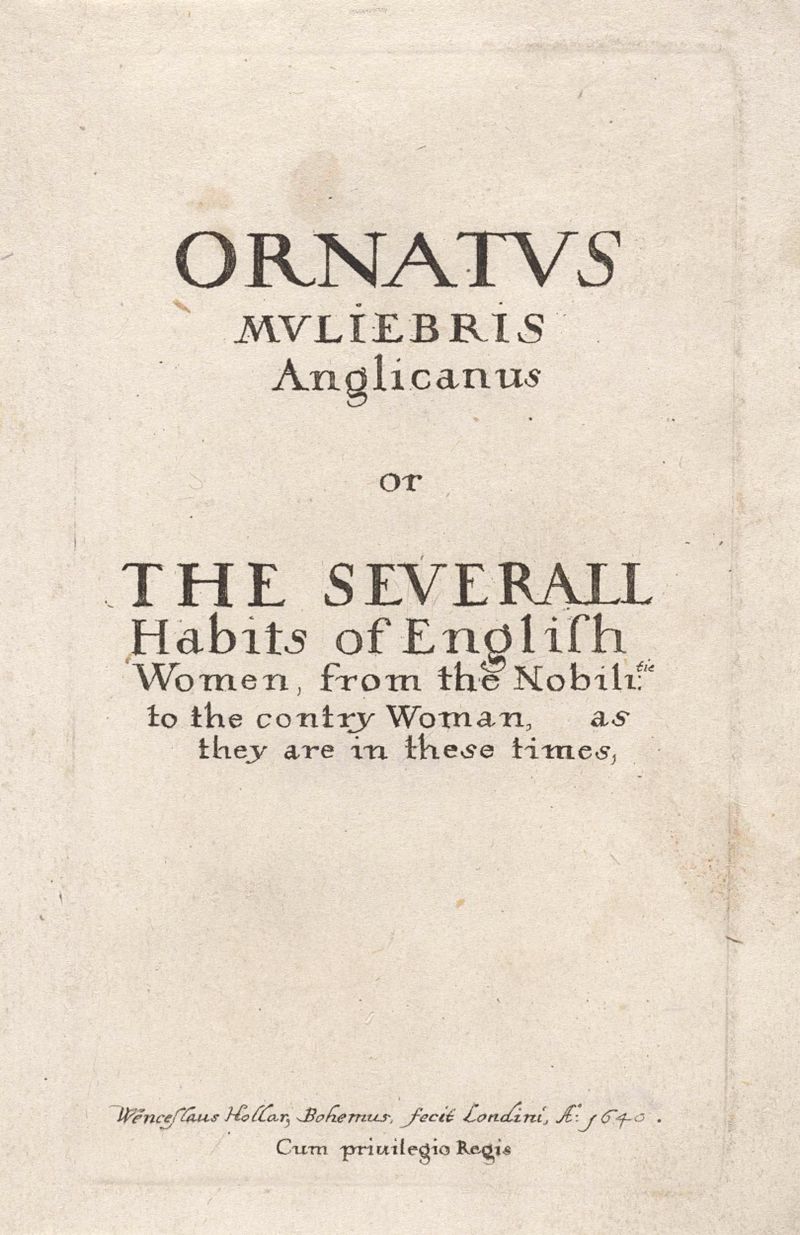
Titelprent voor: Ornatus Muliebris Anglicanus
Wenceslaus Hollar
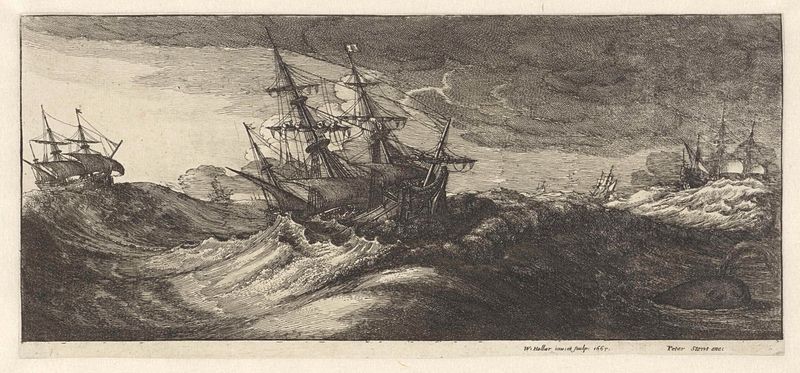
Oorlogsschepen en een walvis in een zeestorm
Wenceslaus Hollar
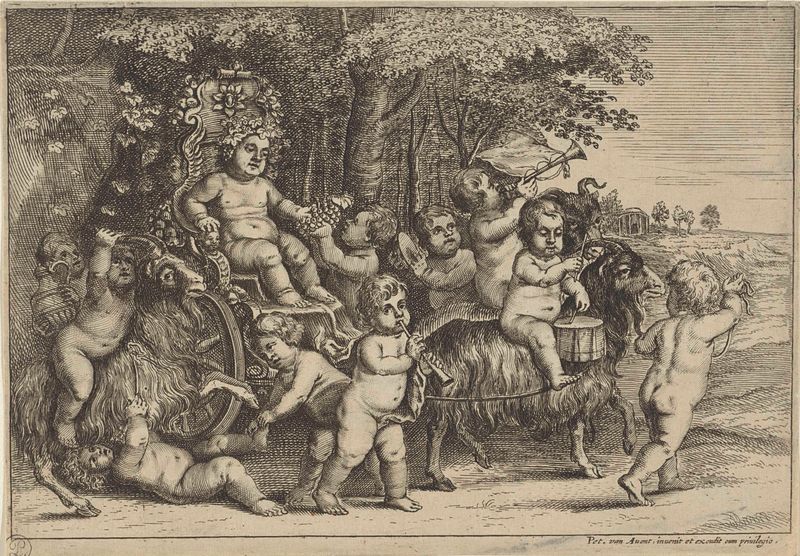
Optocht van bacchant en jongetjes op geiten
Wenceslaus Hollar
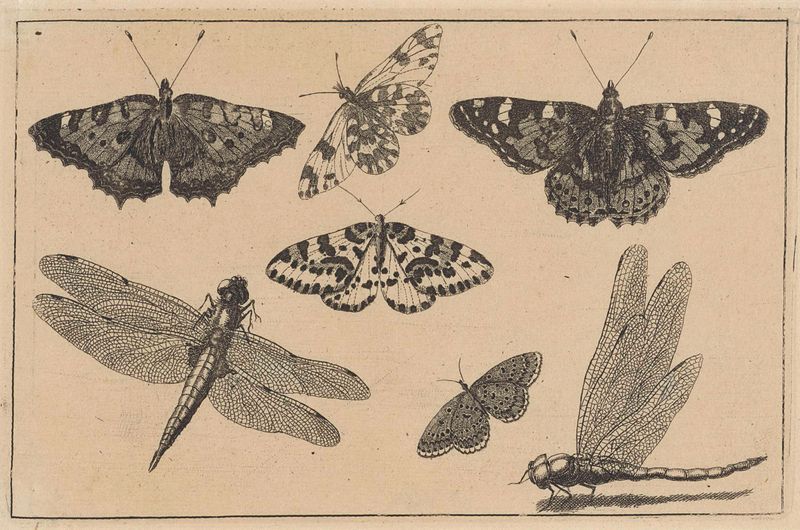
Twee libellen en vijf vlinders
Wenceslaus Hollar
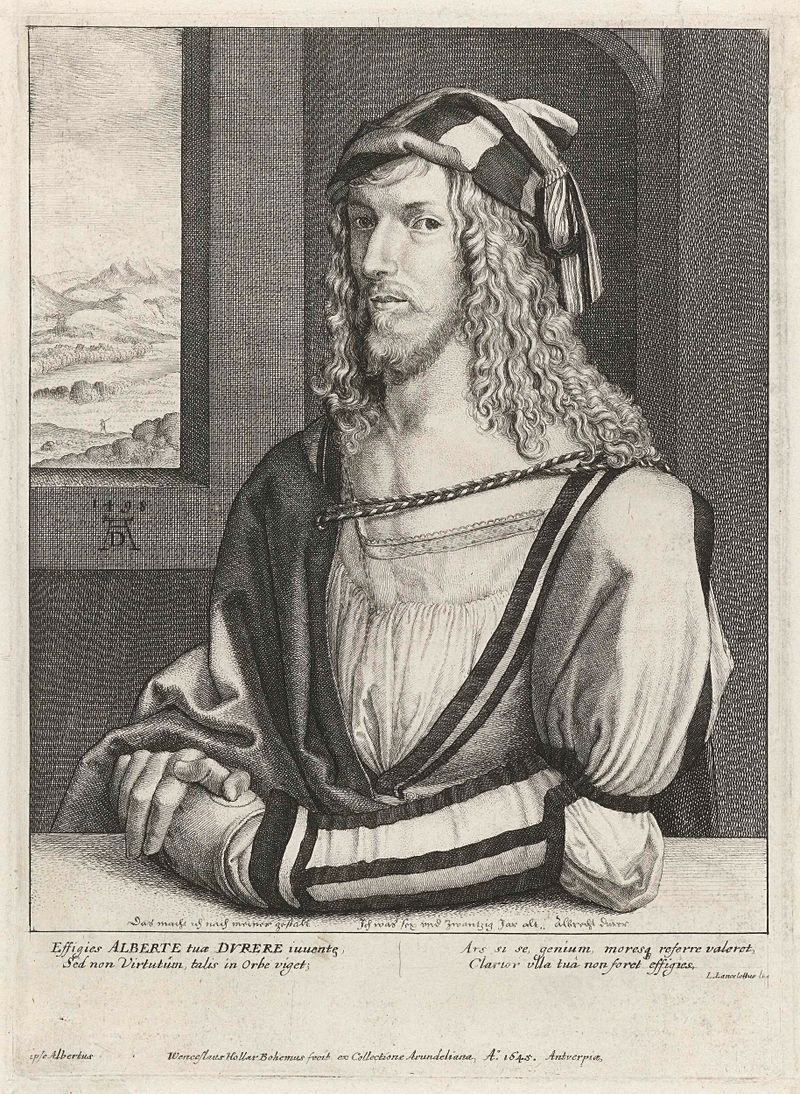
Portret van Albrecht Dürer
Wenceslaus Hollar
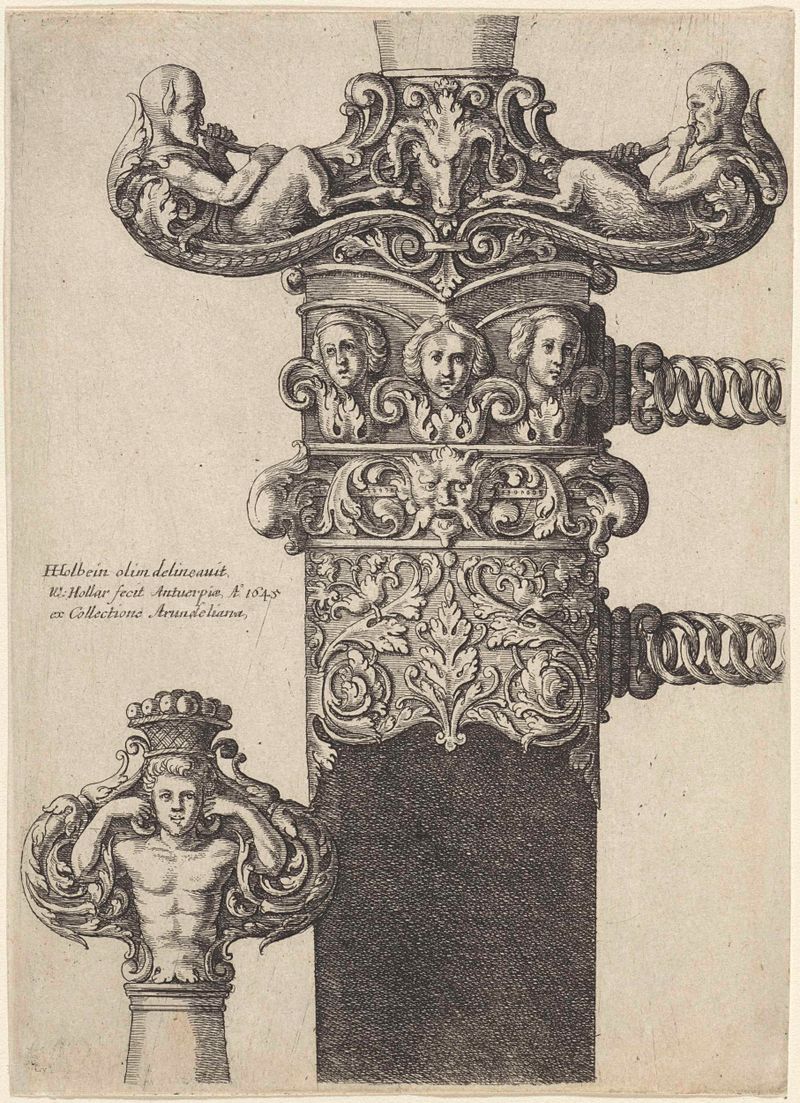
Ornamenteel ontwerp voor een dolk
Wenceslaus Hollar
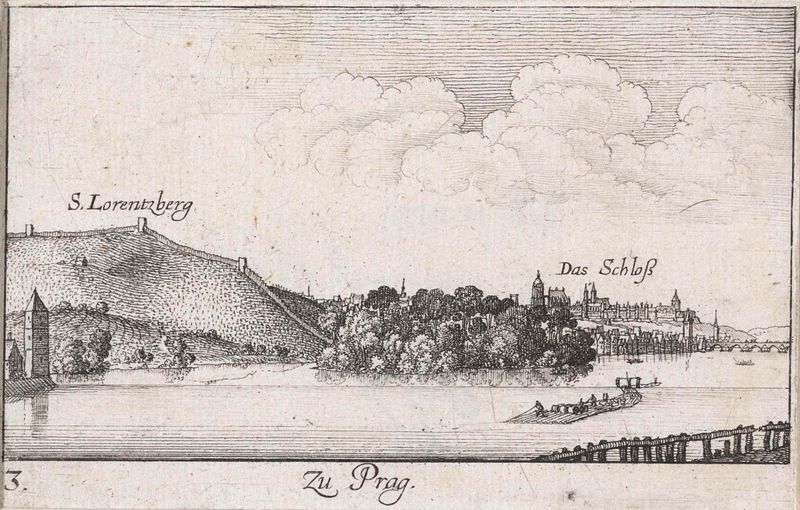
Gezicht op Praag vanaf de Moldau
Wenceslaus Hollar





