
Zeeslag — History & Facts
What if silence could speak through light? In Zeeslag, the stillness of the water captures whispers of a bygone era, revealing the echoes of legacy long after the last splash has faded. Focus first on the horizon, where the soft gradient of azure and cerulean melds into one another, resembling a dreamscape. The ships, bold silhouettes against the vast ocean, command attention, their masts reaching toward an unyielding sky. Notice how the light dances on the water's surface, each wave becoming a brushstroke, inviting you to lose yourself in this tranquil yet vibrant maritime tableau. Beneath the surface of this serene scene, contrasts emerge.
The interplay between the grand vessels and their fragile surroundings speaks to the tension of human ambition against nature’s timelessness. Each ship, a symbol of exploration and conquest, floats delicately on the water, embodying both pride and vulnerability. The subtle ripples beneath them suggest the weight of history—every journey a testament to those who dared to traverse unknown waters, leaving behind a legacy that will forever linger. Created between 1627 and 1636, Hollar painted Zeeslag during a time of significant social and political transformation in Europe.
The artist, who had fled the Thirty Years War, was establishing himself in a new artistic environment, showcasing his unique ability to blend detail with a sense of atmosphere. This period marked a shift in artistic focus towards both realism and the sublime, with Hollar’s work embodying the era's fascination with maritime themes and the broader implications of exploration.
More Artworks by Wenceslaus Hollar
Browse all →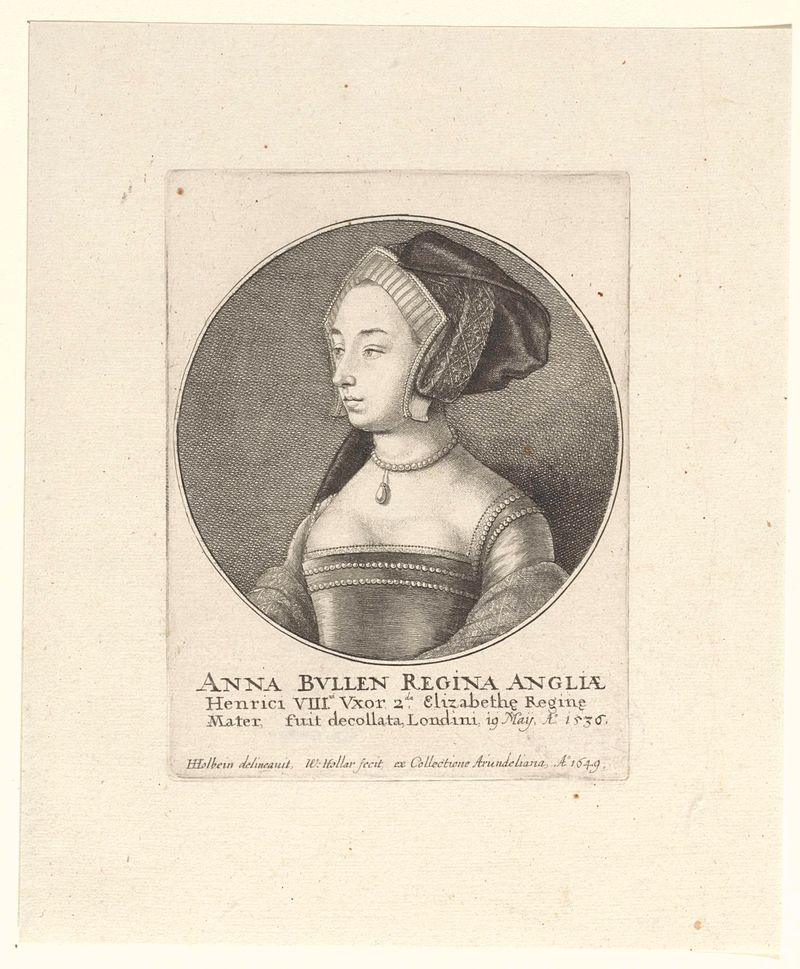
Portret van Anna Boleyn, koningin van Engeland
Wenceslaus Hollar
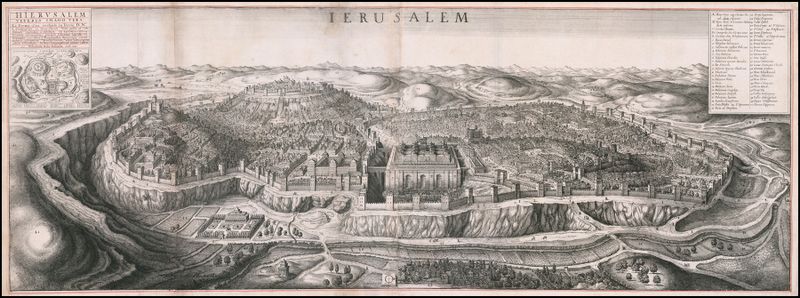
Bird’s eye view of Jerusalem
Wenceslaus Hollar
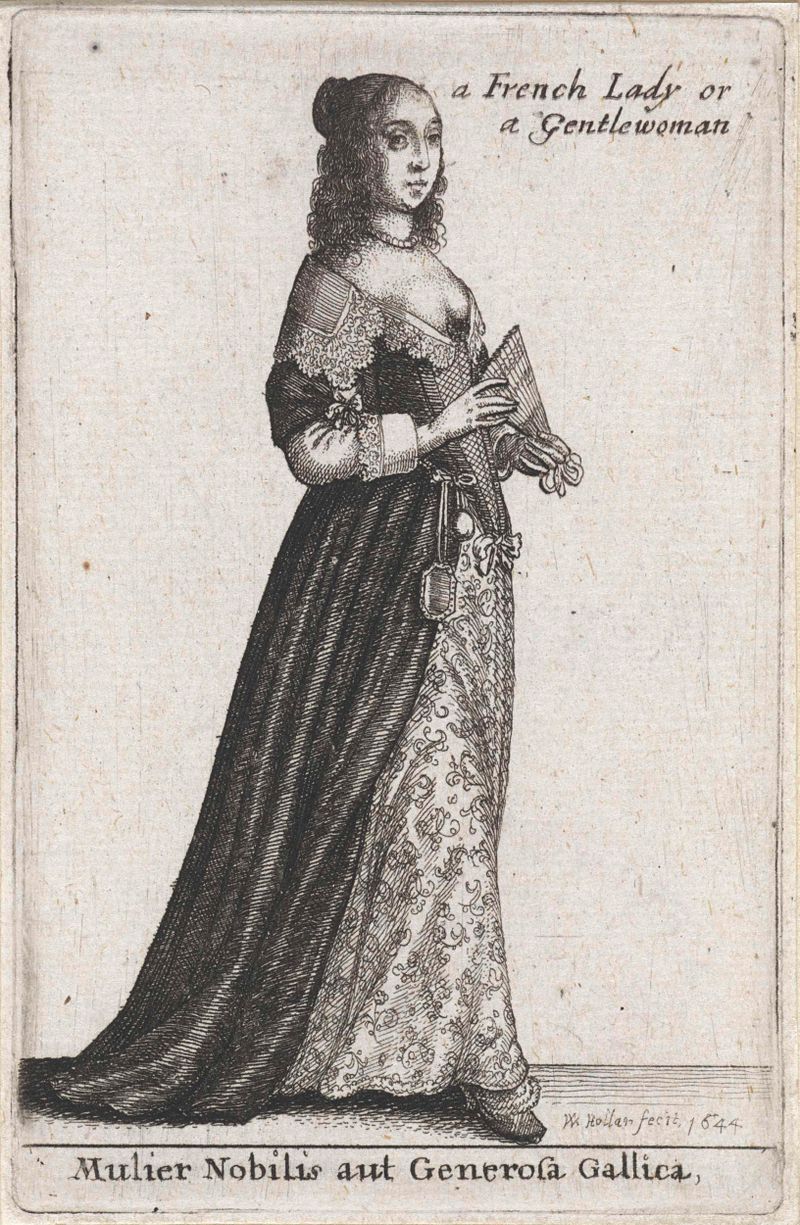
Mulier Nobilis aut Generosa Gallica / a French Lady or Gentlewoman
Wenceslaus Hollar
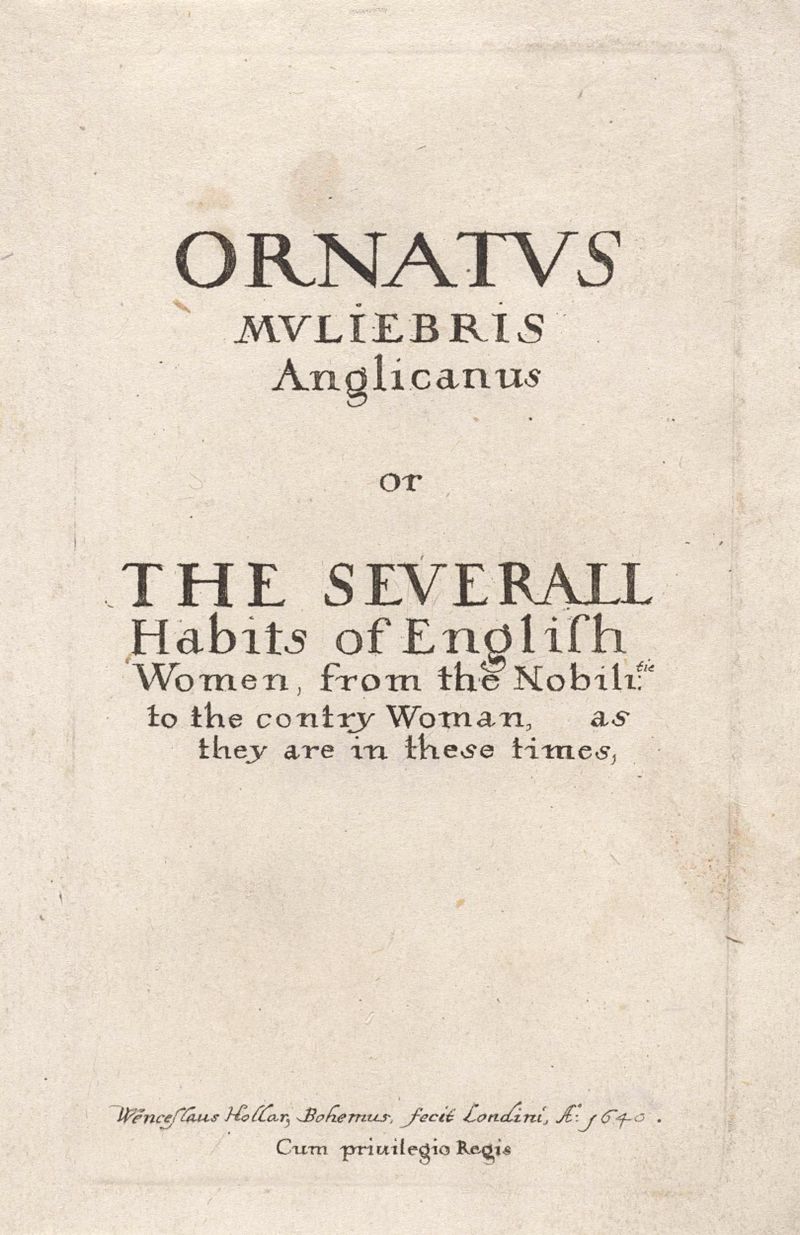
Titelprent voor: Ornatus Muliebris Anglicanus
Wenceslaus Hollar
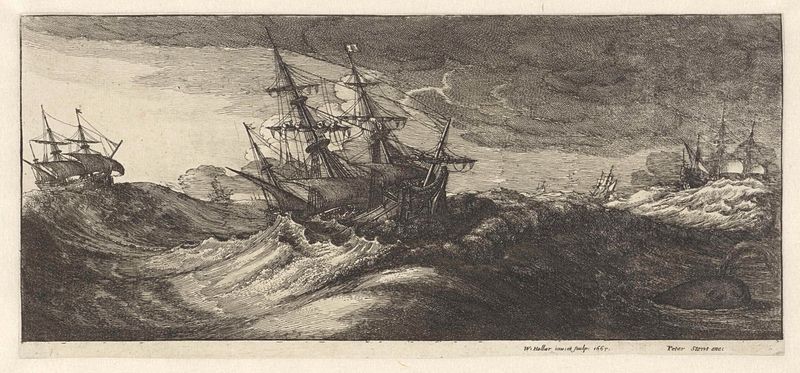
Oorlogsschepen en een walvis in een zeestorm
Wenceslaus Hollar
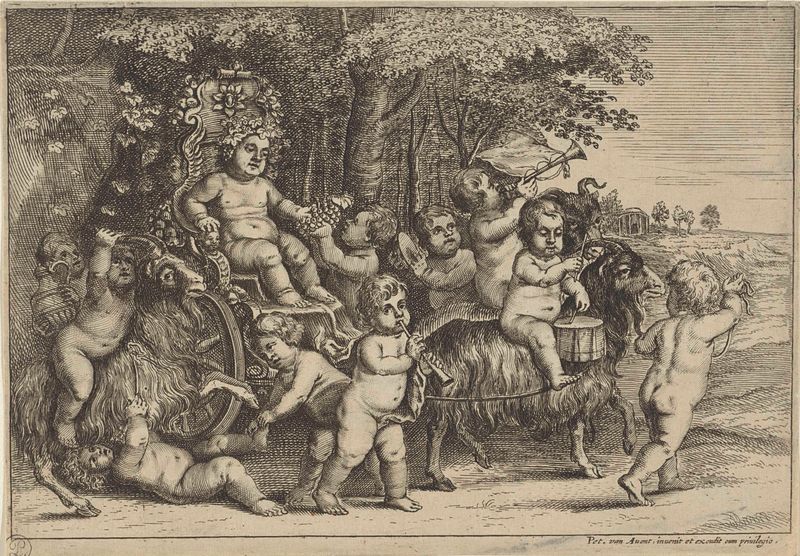
Optocht van bacchant en jongetjes op geiten
Wenceslaus Hollar
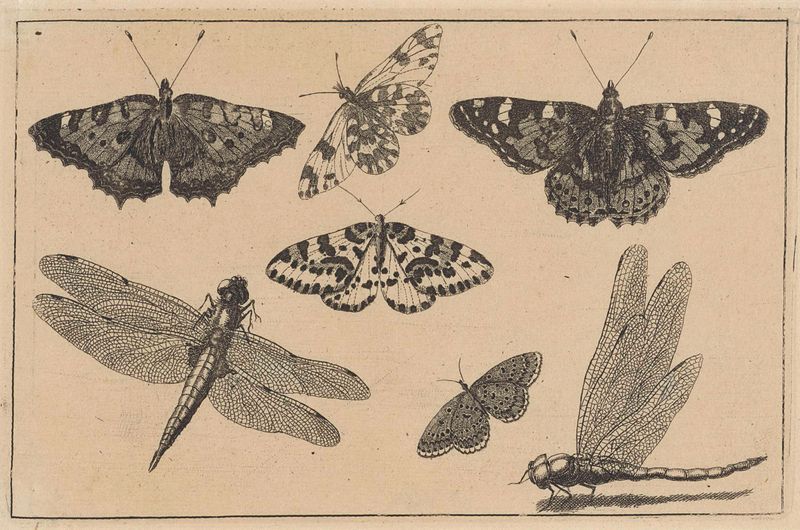
Twee libellen en vijf vlinders
Wenceslaus Hollar
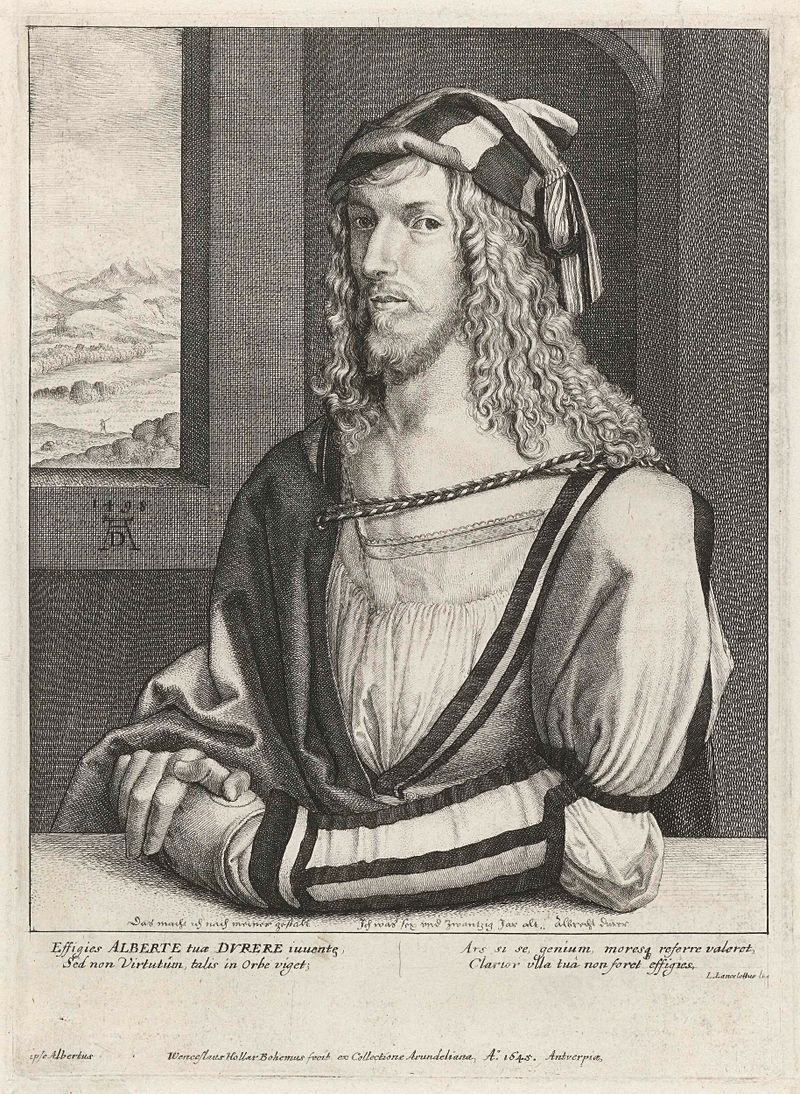
Portret van Albrecht Dürer
Wenceslaus Hollar
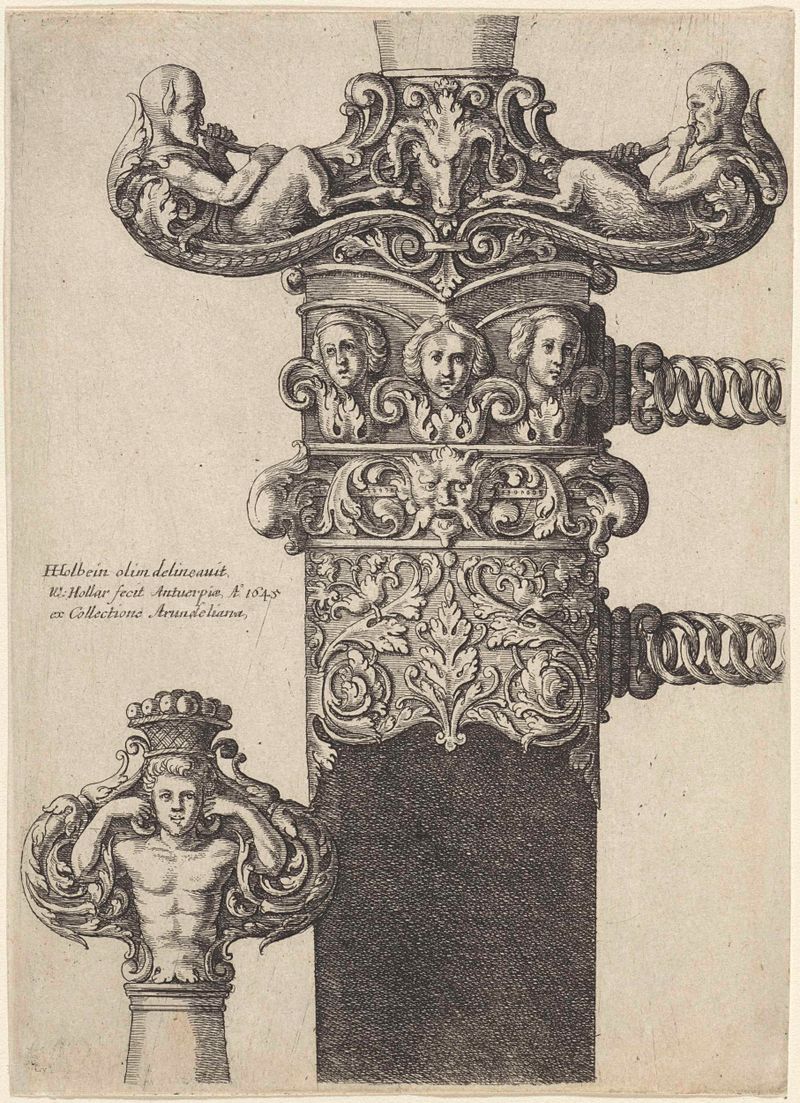
Ornamenteel ontwerp voor een dolk
Wenceslaus Hollar
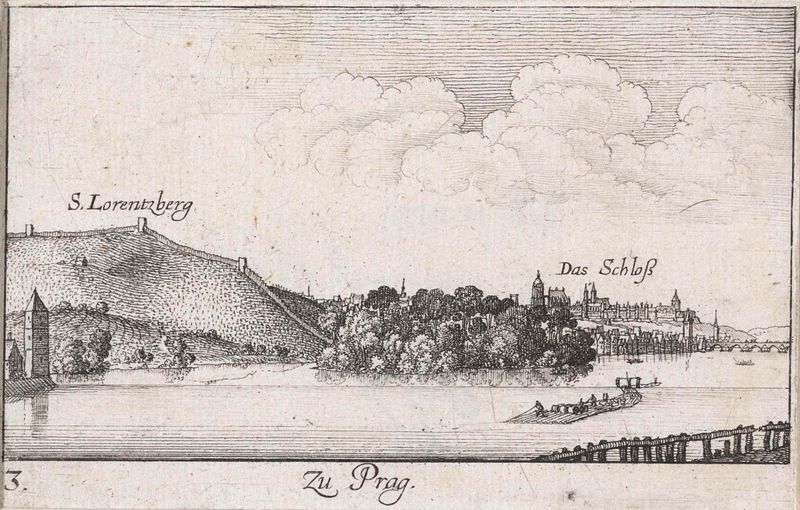
Gezicht op Praag vanaf de Moldau
Wenceslaus Hollar





