
Zeeslag tussen de Engelse en de Nederlandse vloot op 26 juli 1666 — History & Facts
Can beauty exist without sorrow? In the swirling chaos of Zeeslag tussen de Engelse en de Nederlandse vloot op 26 juli 1666, vibrant hues collide with the stark realities of battle, showcasing the dichotomy of conflict and artistry. Look to the center where the turbulent seas churn beneath a sky painted with ominous clouds. The swirling waves, rendered in sharp blues and greys, contrast dramatically with the vivid reds and golds of the ships' sails. Notice how the artist employs intricate line work to create a sense of movement, each vessel struggling against the onslaught of the elements.
The billowing smoke from cannon fire blurs the horizon, while the sunlight breaks through, casting an ethereal glow on the scene, inviting the viewer to linger in the moment of conflict. Beneath the apparent chaos lies a tension between hope and despair. The bold colors signal valor and pride, yet the darkened clouds and the ferocity of the battle evoke an underlying sorrow, hinting at the lives lost within the fray. The juxtaposition of the serene beauty of the ships against the backdrop of warfare reflects the harsh realities of maritime existence during this tumultuous period.
It’s both a tribute to naval power and a reminder of the sacrifices that accompany such glory. Wenceslaus Hollar created this piece in 1666 during the Second Anglo-Dutch War, a time when the naval powers of England and the Netherlands were locked in fierce competition. Living in London after fleeing the Thirty Years' War, Hollar drew from his deep understanding of both nature and humanity, infusing this battle scene with both drama and a sense of historical significance that resonates even today.
More Artworks by Wenceslaus Hollar
Browse all →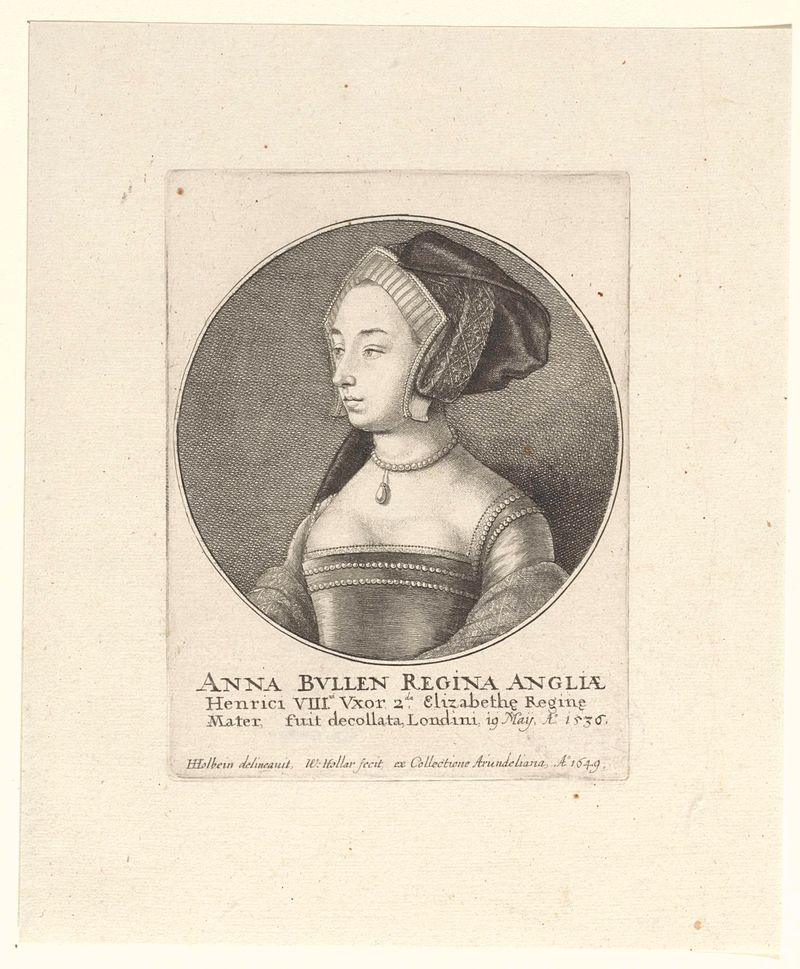
Portret van Anna Boleyn, koningin van Engeland
Wenceslaus Hollar
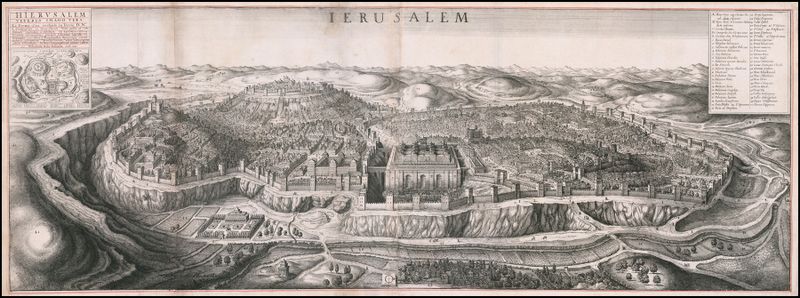
Bird’s eye view of Jerusalem
Wenceslaus Hollar
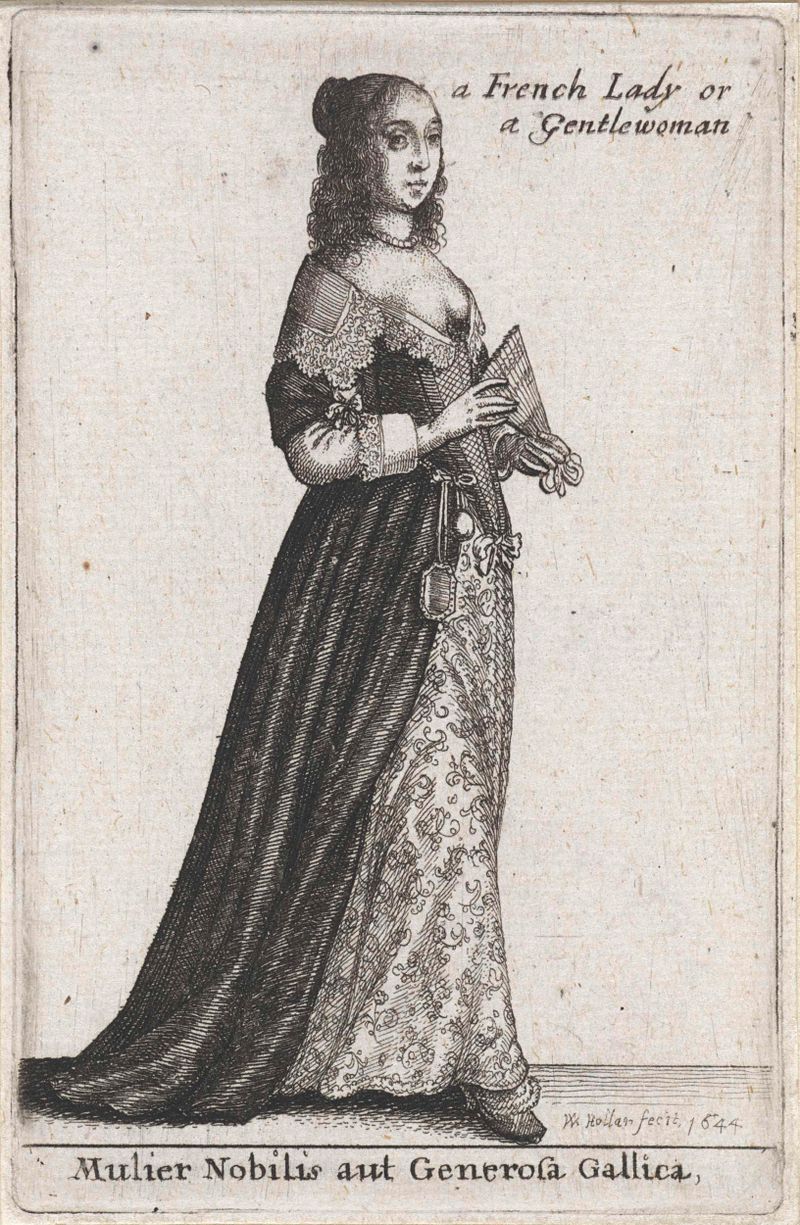
Mulier Nobilis aut Generosa Gallica / a French Lady or Gentlewoman
Wenceslaus Hollar
Titelprent voor: Ornatus Muliebris Anglicanus
Wenceslaus Hollar
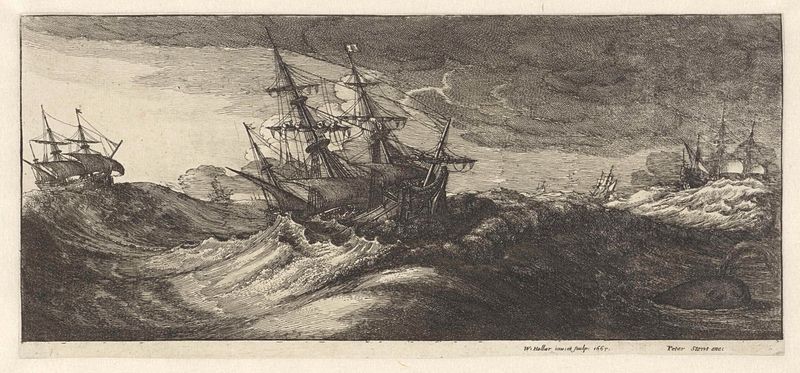
Oorlogsschepen en een walvis in een zeestorm
Wenceslaus Hollar
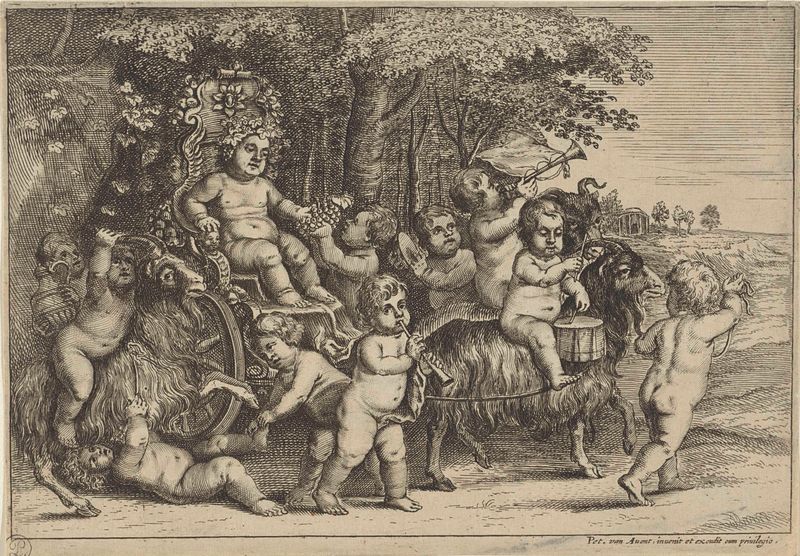
Optocht van bacchant en jongetjes op geiten
Wenceslaus Hollar
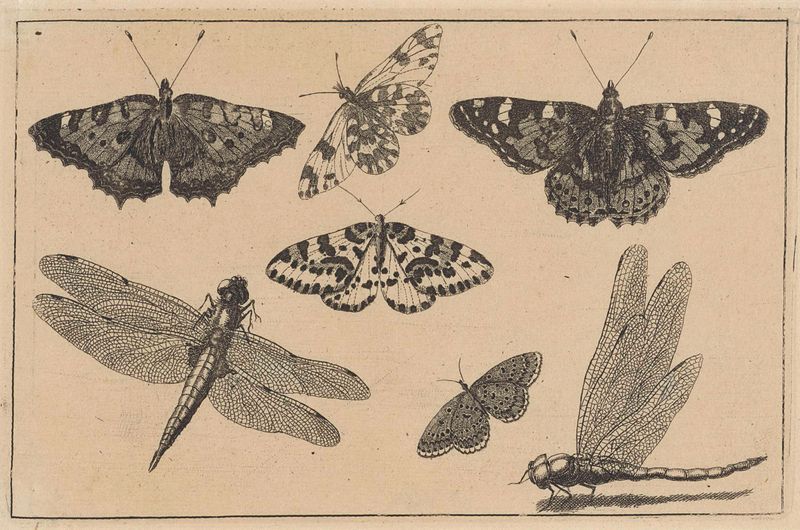
Twee libellen en vijf vlinders
Wenceslaus Hollar
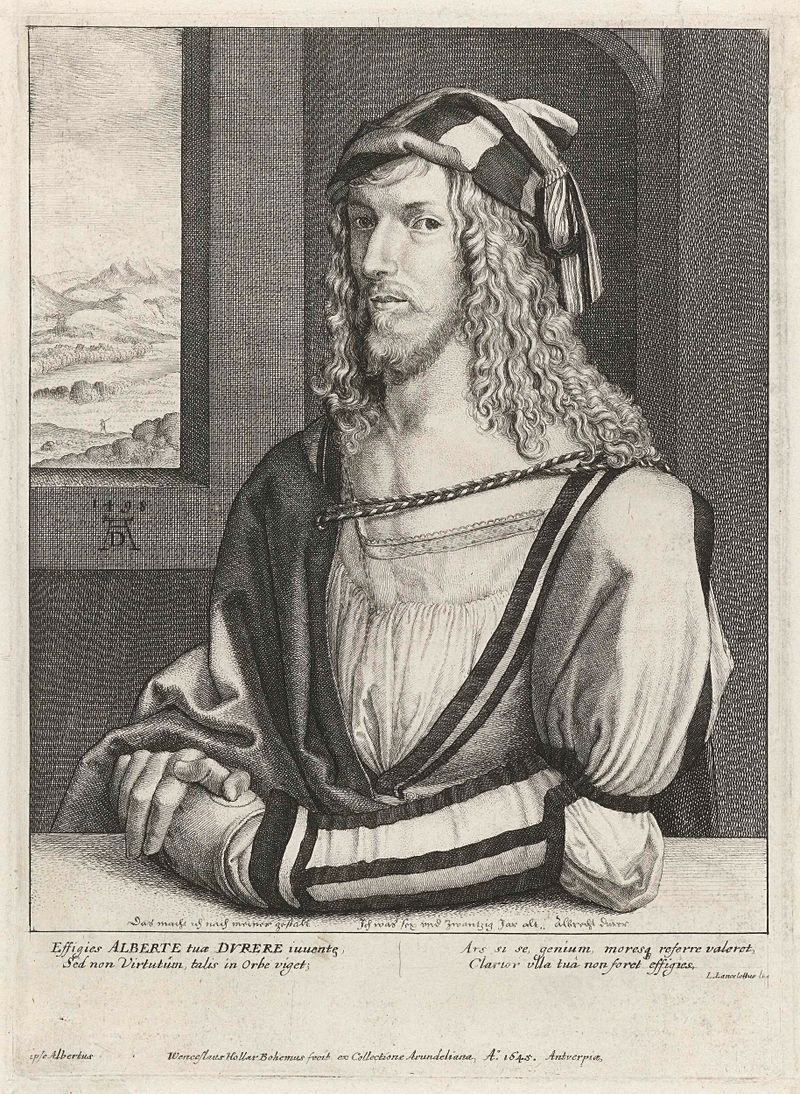
Portret van Albrecht Dürer
Wenceslaus Hollar
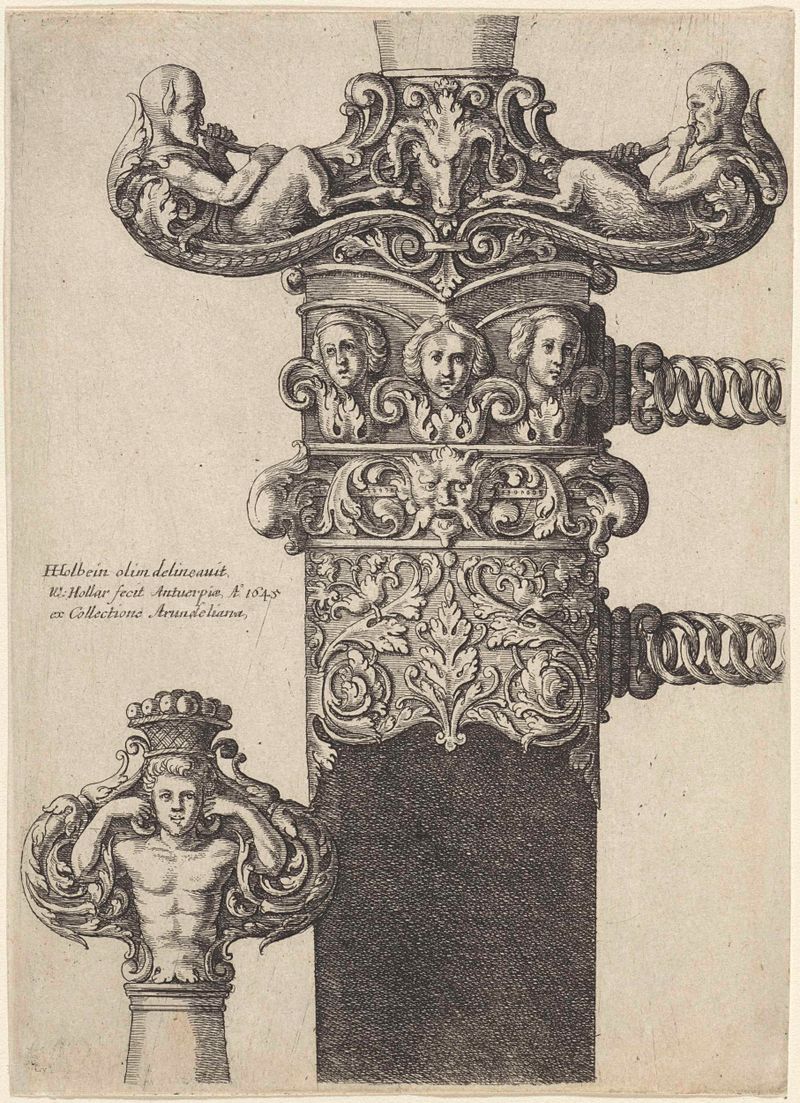
Ornamenteel ontwerp voor een dolk
Wenceslaus Hollar
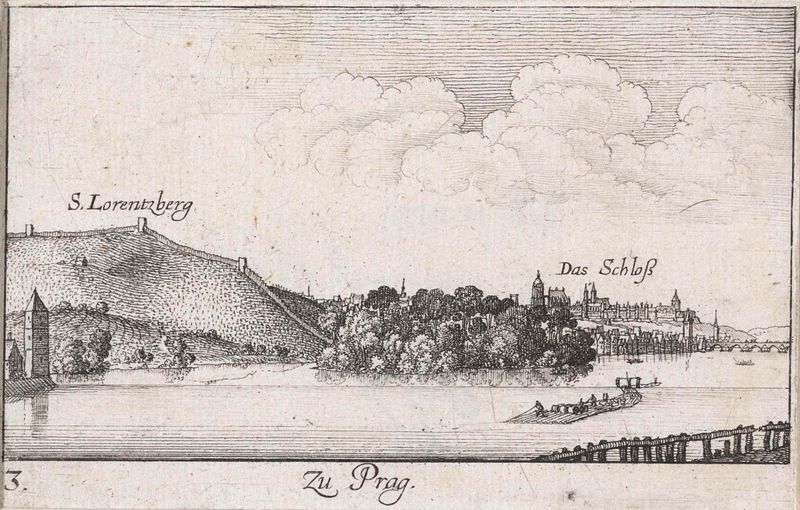
Gezicht op Praag vanaf de Moldau
Wenceslaus Hollar
More Historical Art
Browse all →
The Night Watch Militia Company of District II under the Command of Captain Frans Banninck Cocq
Rembrandt van Rijn

Lincoln Memorial
Henry Bacon

The Third of May 1808
Francisco de Goya

Isaac and Rebecca, Known as ‘The Jewish Bride’
Rembrandt van Rijn

The Charge of the Mamelukes (1814)
Francisco de Goya

De vier ruiters van de apocalyps
Albrecht Dürer