The Kiss by Klimt: meaning and location
The Kiss was not its first name: when Gustav Klimt (1862–1918) showed the picture at the Kunstschau in June 1908 it was titled Liebespaar, “Lovers”, and only a museum catalogue of autumn 1909 called it Der Kuss. Klimt had probably begun the square canvas in 1907, and the Ministry bought it from that exhibition for the Moderne Galerie, today’s Belvedere in Vienna, which dates it 1908–1909. The museum counts it among the icons of Viennese Jugendstil, or Art Nouveau.
- Two bodies, one shape: a man and a woman are fused almost into a single form at the edge of a flowering meadow, set apart only by the different patterns of their robes and wrapped in a golden glow against a dark, gold-flecked ground.
- No commission: Klimt painted it without a specific commission, at the height of his Golden Period, the years in which gold leaf became one of his main means of expression.
- Ornament with a history: the Belvedere traces his first inspiration to a 1903 journey to Ravenna and its Byzantine mosaics. The ornament also holds motifs from many cultural epochs, above all ancient Egyptian mythology, and recent research finds echoes of Klimt’s love for Emilie Flöge and of his study of Auguste Rodin.
- Gold in the figures, brass in the ground: the figures combine gold, silver and platinum leaf with oil-resin paints on primed canvas; the background is brass leaf painted over with glazes and strewn with flakes of metal leaf.
- A visitor magnet: in 2018 the Belvedere called it the most famous painting by an Austrian artist, drawing around one million visitors a year.
Sources: Belvedere collection record, Der Kuss (Liebespaar), inv. 912 (via Europeana) · Belvedere text on Google Arts & Culture: The Kiss · Belvedere: Why did Gustav Klimt use gold? · Belvedere press text: A New Look, The Permanent Collection Redisplayed (2018) · Wikidata Q698487
Questions and answers about the painting
What is the meaning of The Kiss by Klimt?
Its theme is love as union, and the Belvedere reads it as the peak of Klimt’s Golden Period, when his coded ornament circled around the mystery of existence, love and fulfilment through art. The two figures merge into one golden form, in a moment the museum calls intimate, yet solemn and almost sacred. The Belvedere adds that the ornaments are not only timeless symbols: recent research links them to Klimt’s love for Emilie Flöge and to his study of Rodin.
Source: Belvedere text on Google Arts & Culture: The Kiss · Belvedere: Why did Gustav Klimt use gold?
Where is the painting by Klimt, and which museum owns it?
In the Upper Belvedere in Vienna, The Kiss belongs to the permanent collection of the Belvedere (inventory number 912), which acquired it in 1908, during Klimt’s lifetime. As of 17 November 2026 the museum lists it in its collection display Picture this! at the Upper Belvedere, and its exhibition folder places it on Level 1, in the section “Vienna 1900 (The Kiss)”. Displays change, so check the museum’s website before you visit.
Source: Belvedere: Picture this! (website, 6 Nov 2026) · Belvedere: Picture this! exhibition folder (2024) · Belvedere collection record, inv. 912 (via Europeana)
How big is Klimt’s canvas, and is the gold real?
The canvas is square, 180 × 180 centimetres, and the gold is real: the Belvedere’s record lists gold, silver and platinum leaf in the figures, combined with oil-resin paints on primed canvas. The background is different. It is brass leaf (Schlagmetall) painted over with glazes and strewn with flakes of metal leaf, so the glow there is not gold leaf. The Belvedere says Klimt used real gold, silver and platinum in his paintings.
Source: Belvedere collection record, inv. 912 (via Europeana) · Belvedere: Why did Gustav Klimt use gold? · Vienna Tourist Board: A Kiss makes History
How did Klimt’s painting reach the Belvedere, and what did it cost?
The Austrian state bought it at the 1908 Kunstschau in Vienna for 25,000 Kronen, a high sum even then, and acquired it for the Moderne Galerie, today’s Belvedere. Klimt had probably begun it in 1907 and showed it in June 1908 as Liebespaar (“Lovers”); the museum dates it 1908, completed 1909. A museum catalogue first called it Der Kuss in autumn 1909, the title it is known by today.
Source: Belvedere text on Google Arts & Culture: The Kiss · Belvedere collection record, inv. 912 (via Europeana)
Who are the man and woman in Klimt’s painting?
Their identities are not known: the Belvedere’s description of the painting names neither of them. A contemporary rumour, reported by the Vienna Tourist Board, says they are Klimt himself and Emilie Flöge, his lifelong partner, whose fashion salon was designed by Klimt and Kolo Moser. The Belvedere itself only notes that recent research finds references to Klimt’s love for Flöge in the ornament.
Source: Vienna Tourist Board: A Kiss makes History · Belvedere text on Google Arts & Culture: The Kiss
Is Klimt’s painting in the public domain?
Yes. Klimt died in 1918, so his paintings are free of copyright everywhere. A faithful photograph of a public-domain painting adds no new copyright in the United States or the European Union, so you can download this image and use it in personal or commercial projects, for example on prints, books, websites or products. Public Domain Images for Commercial Use explains how.
More Artworks by Gustav Klimt
Adam and Eve
Gustav Klimt
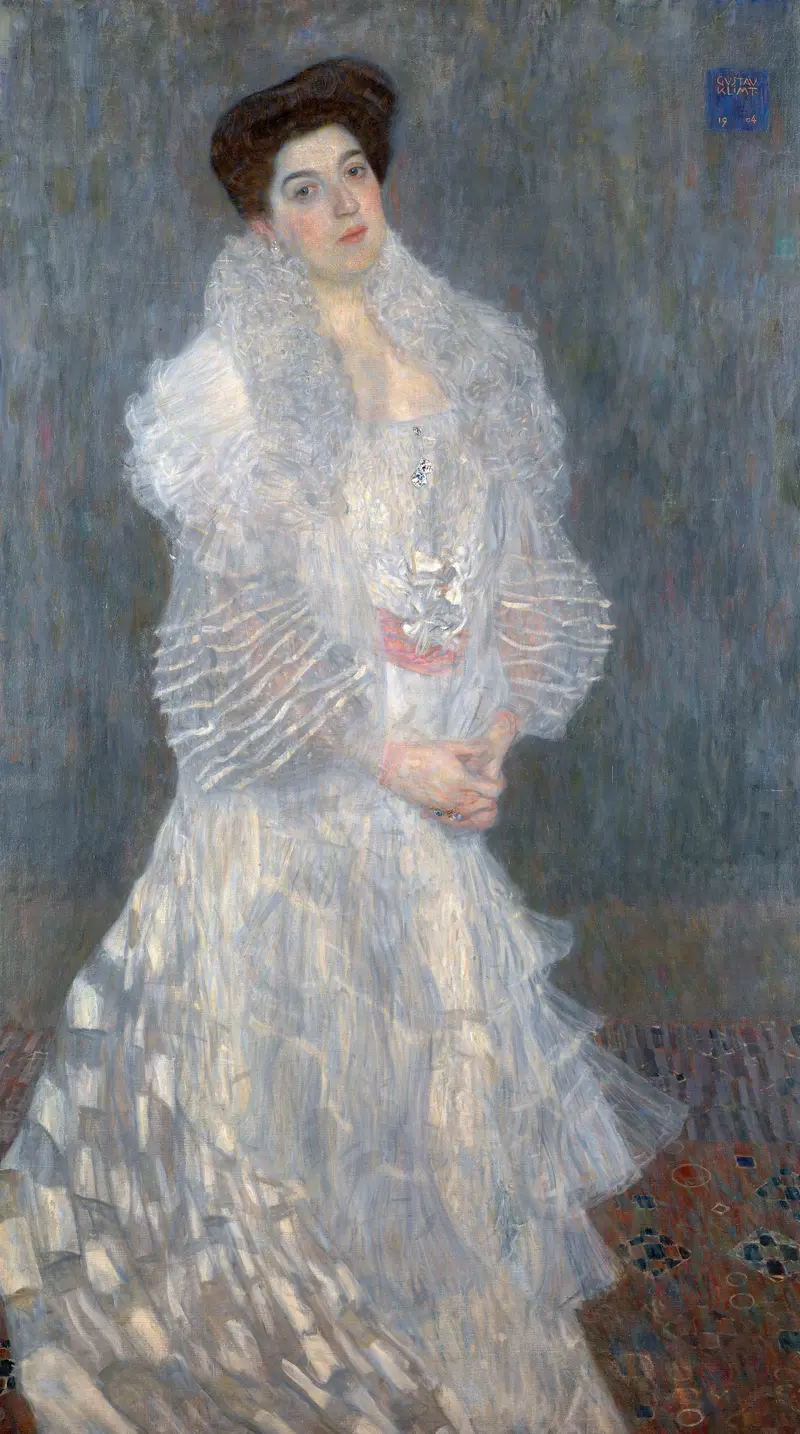
Portrait of Hermine Gallia
Gustav Klimt
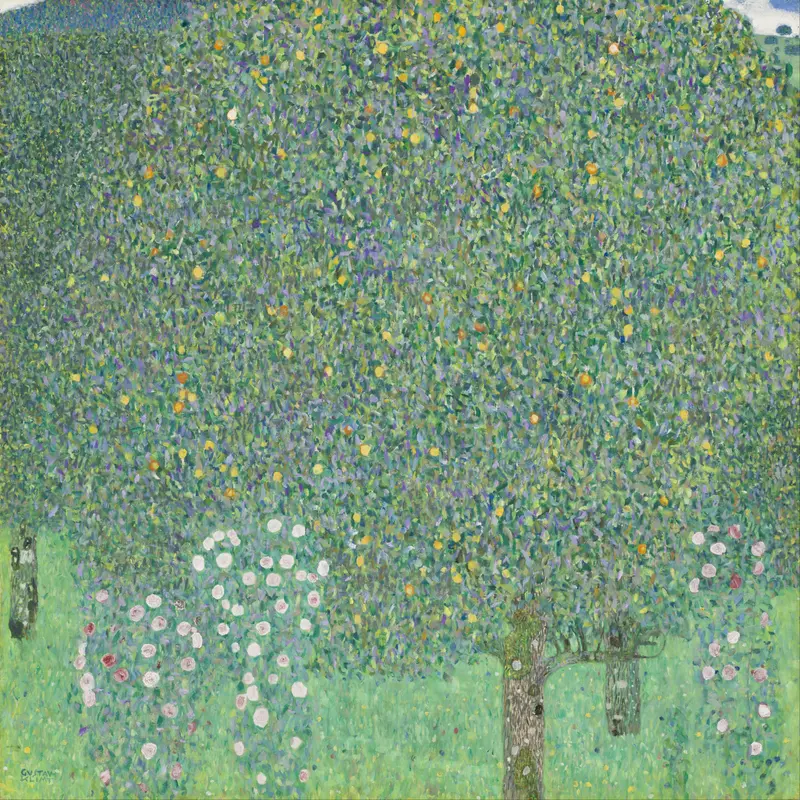
Rosebushes under the Trees
Gustav Klimt
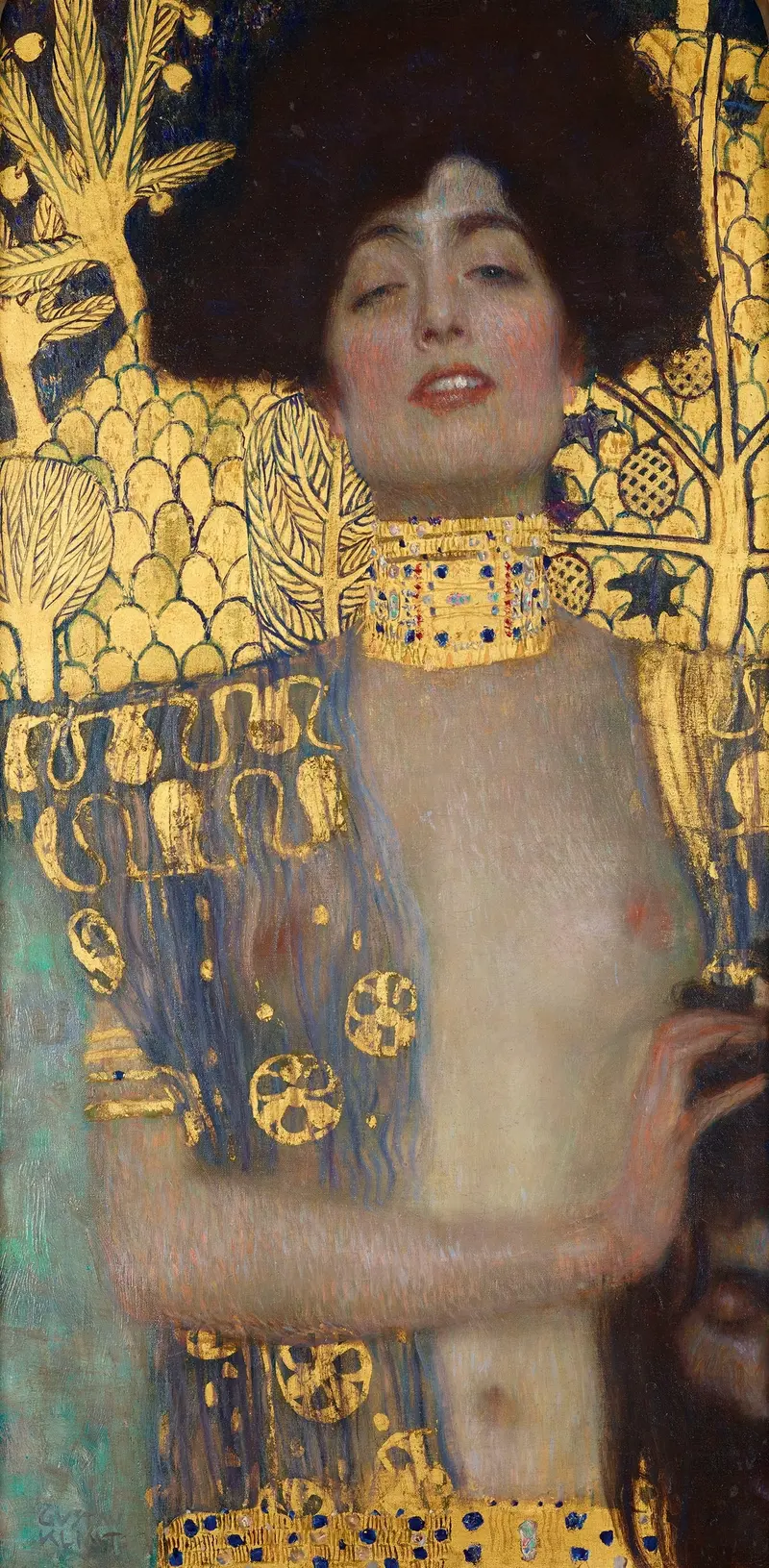
Judith and the Head of Holofernes
Gustav Klimt
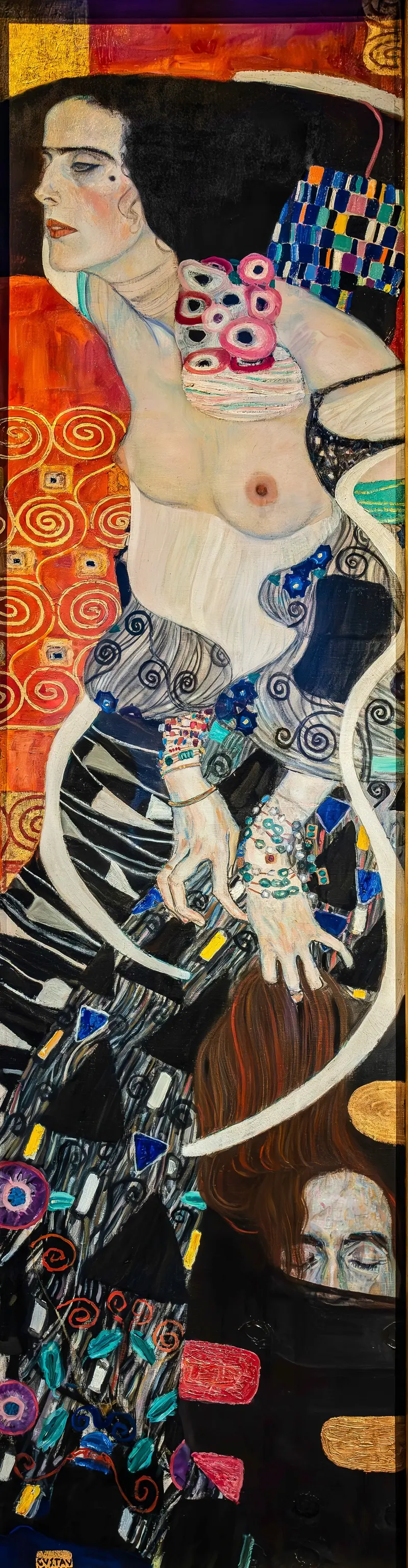
Judith II (Salome)
Gustav Klimt
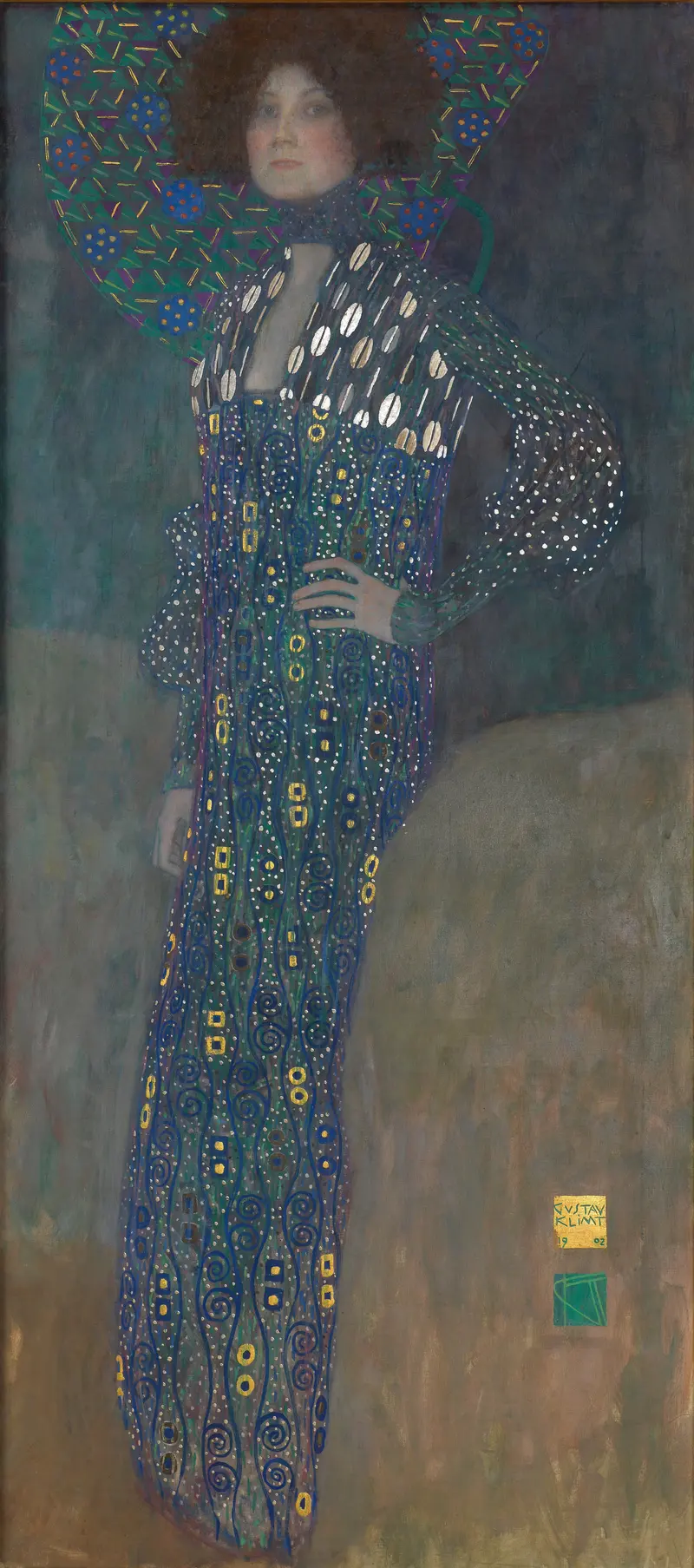
Portrait of Emilie Flöge
Gustav Klimt
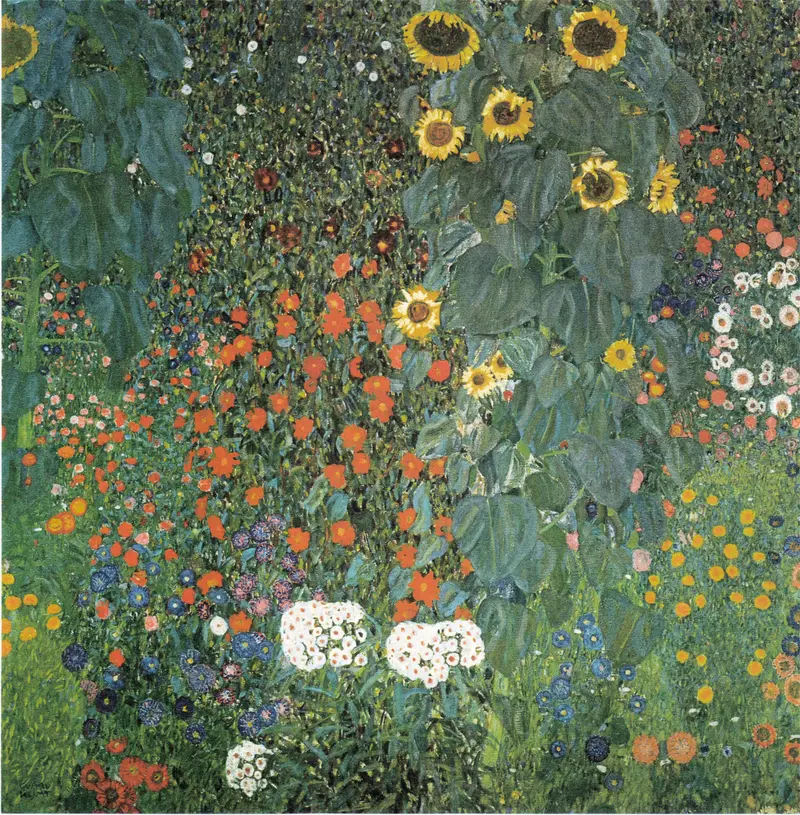
Farm Garden with Sunflowers
Gustav Klimt
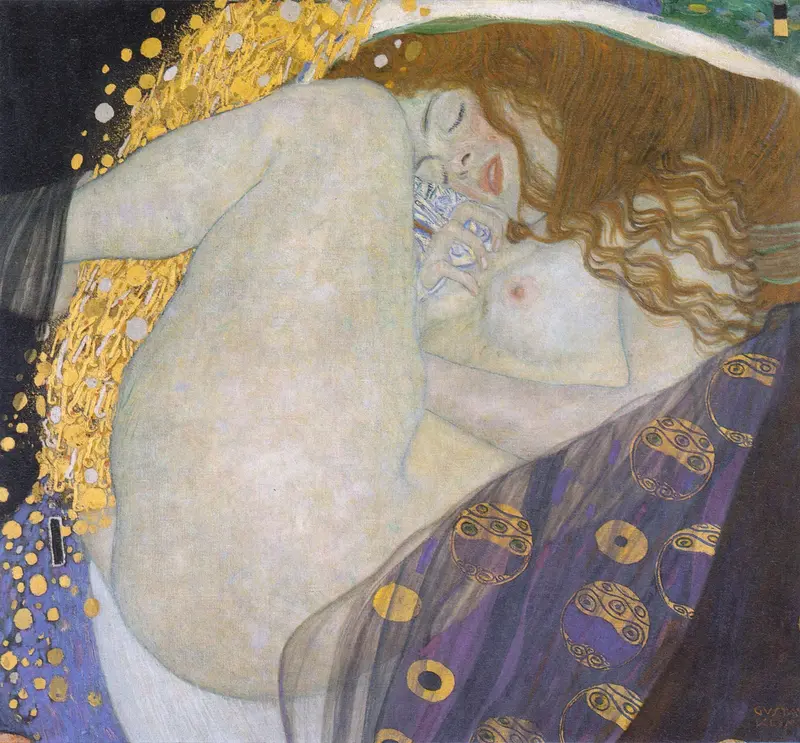
Danaë
Gustav Klimt
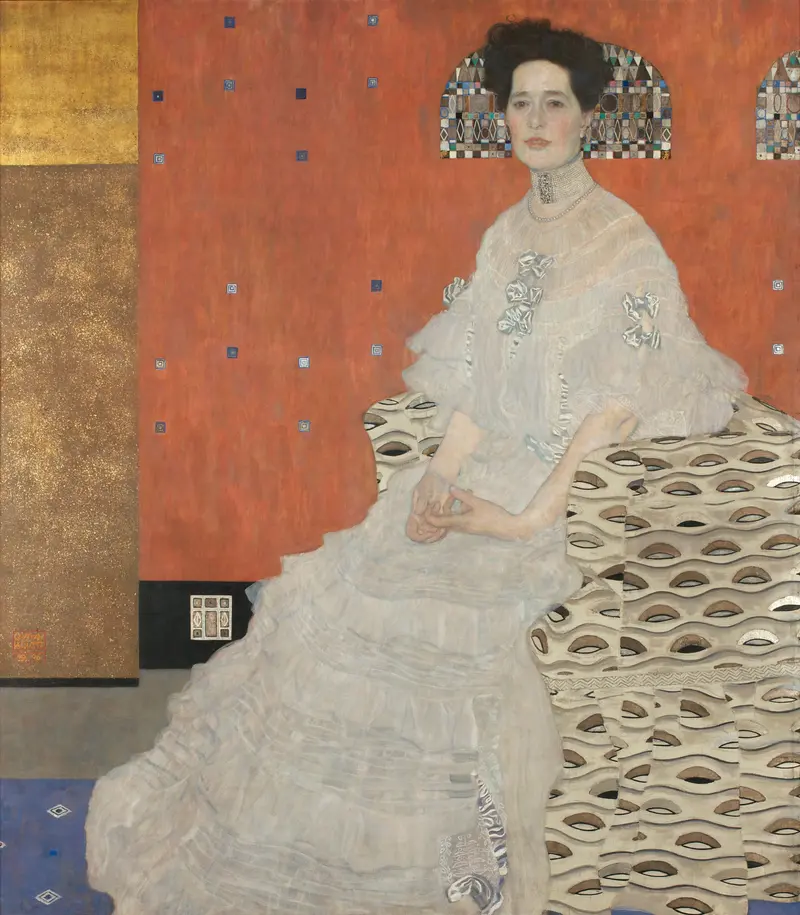
Portrait of Fritza Riedler
Gustav Klimt
Hope II
Gustav Klimt