
11 et 13 rue Cassette, 6ème arrondissement — History & Facts
Did the painter know this moment would outlive them? In a world that constantly pulses with life, decay lies quietly beneath the surface, waiting for its story to be told. Focus first on the intricate brickwork of the buildings, where the warm hues of ochre and burnt sienna whisper tales of age and memory. Notice how the light filters through the soft clouds above, casting gentle shadows that dance across the worn pavement. The composition invites you to trace the edges of the architecture, leading your gaze along the timeworn facades that speak of a rich history, each crack and crevice a testament to the passage of time. As you delve deeper, consider the contrasts present: the vibrancy of life amidst the inevitable decay.
The lush greenery that peeks through the gaps between structures hints at nature’s resilience, while the muted tones of the buildings reflect the melancholy of their fading glory. This silent confrontation between urban life and natural reclamation evokes a sense of nostalgia and loss, reminding viewers of the beauty found in transience. In 1879, while working in Paris, the artist encountered a city teeming with change and modernity. During this period, the effects of industrialization were palpable, yet pockets of history lingered in the architecture.
Amidst this backdrop, the painter sought to capture a fleeting moment of urban life, exploring themes that would resonate throughout the art world and beyond.
More Artworks by Jules-Adolphe Chauvet
Browse all →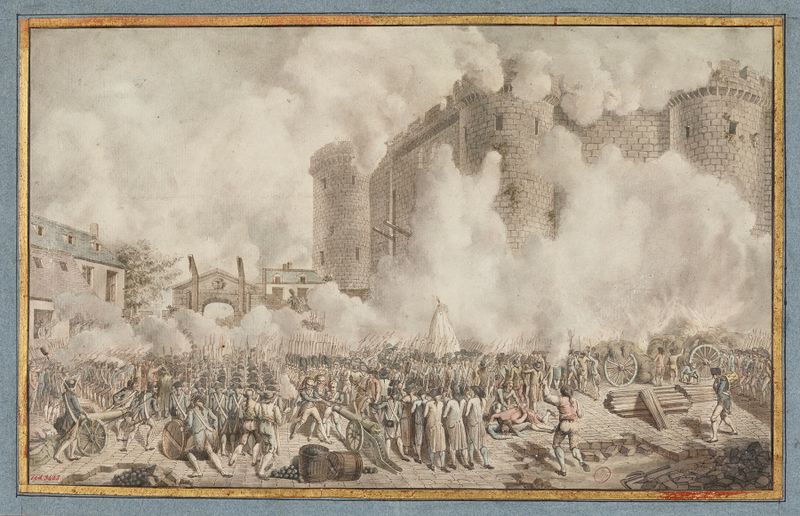
La prise de la Bastille, 14 juillet 1789
Jules-Adolphe Chauvet
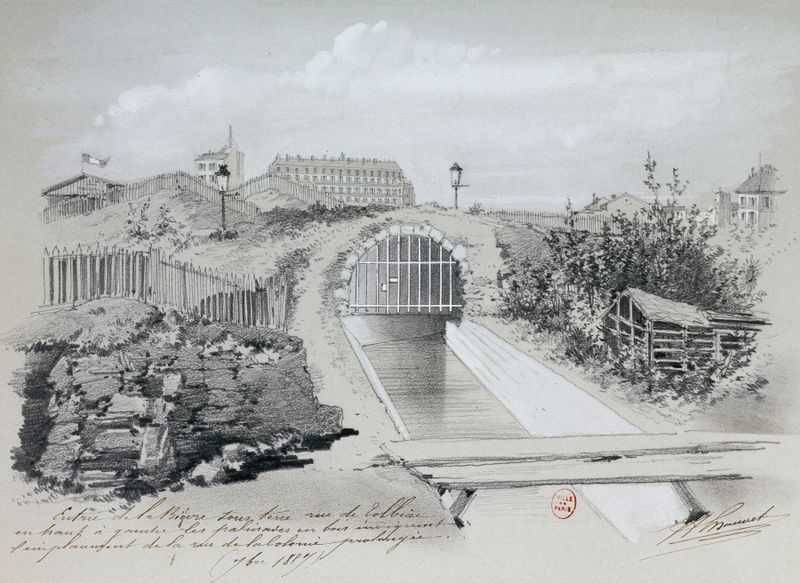
L’entrée de la Bièvre dans Paris rue de Tolbiac, 13ème arrondissement
Jules-Adolphe Chauvet
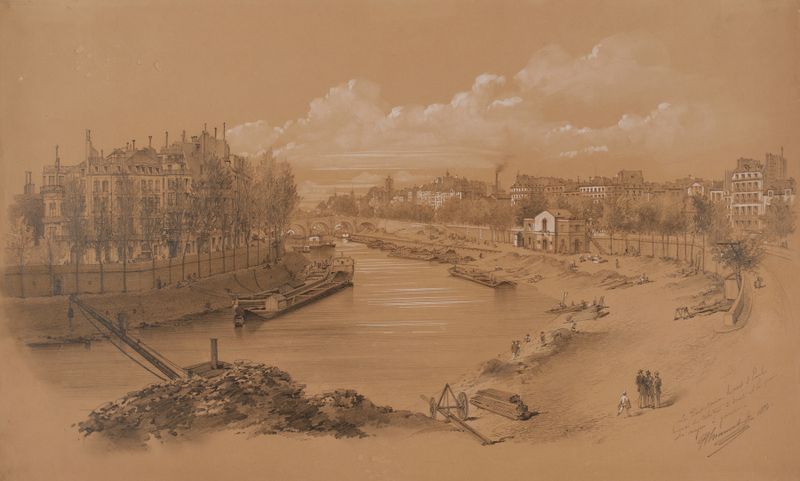
Le port Saint-Paul (absorbé par le port des Célestins en 1905), le Pont-Marie, le quai des Célestins à droite et le quai
Jules-Adolphe Chauvet
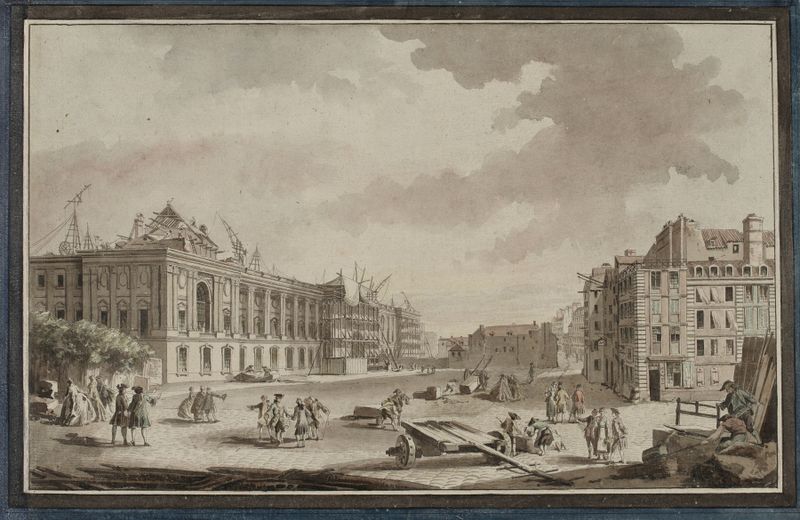
Dégagement de la colonnade du Louvre vers 1770.
Jules-Adolphe Chauvet
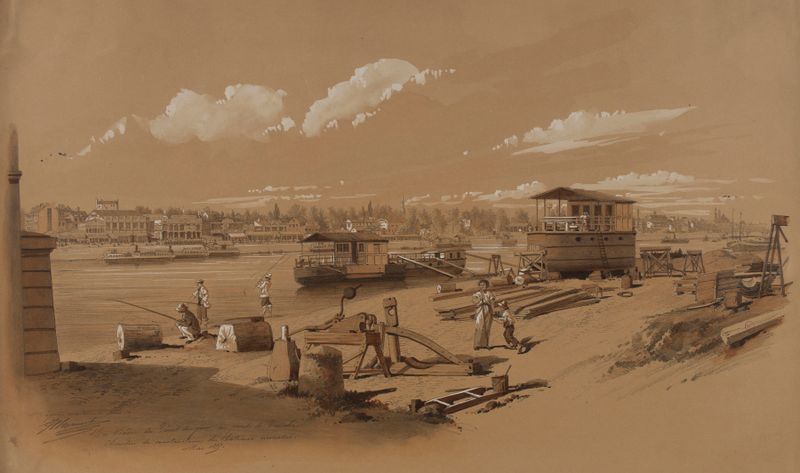
Du Viaduc du Point du jour au pont de Grenelle, chantier de construction des bateaux mouches
Jules-Adolphe Chauvet
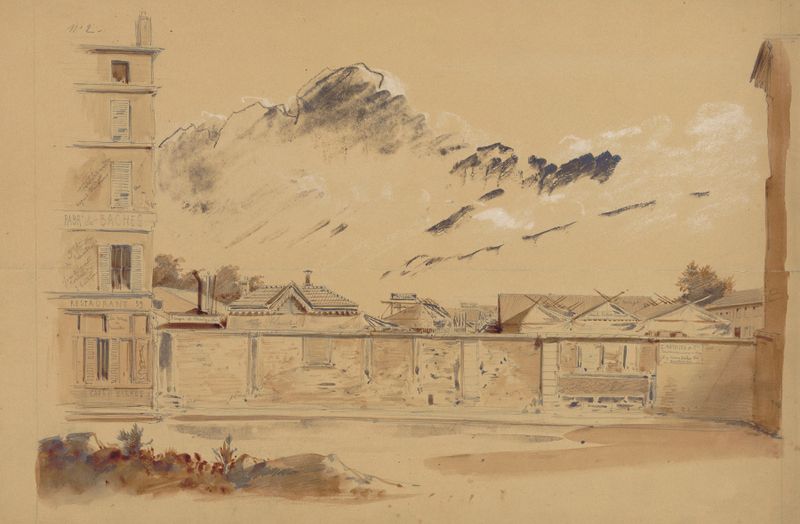
Vieux Bercy, N° 2
Jules-Adolphe Chauvet
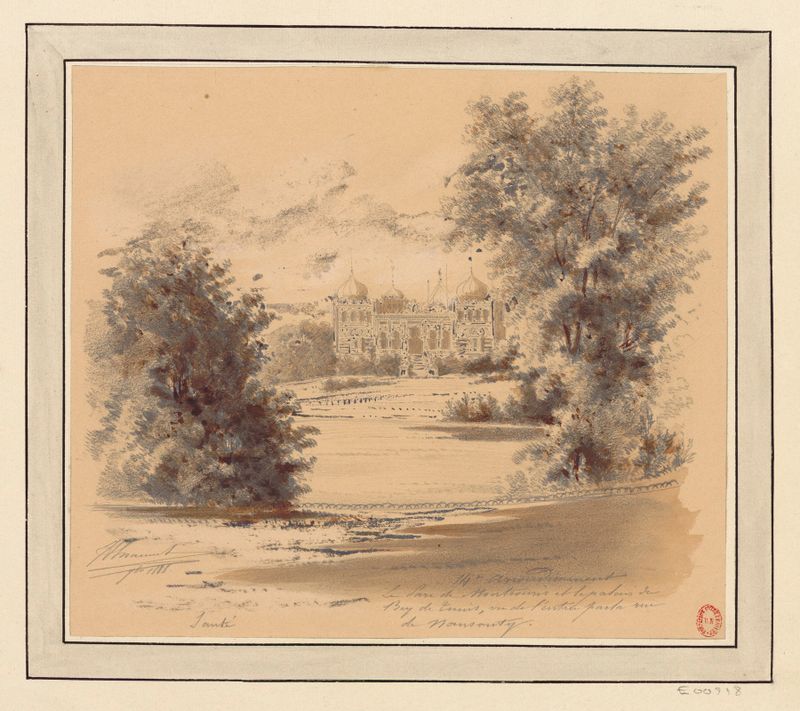
Le Parc de Montsouris et le palais du bey de Tunis, vu de l’entrée par la rue Nansouty
Jules-Adolphe Chauvet
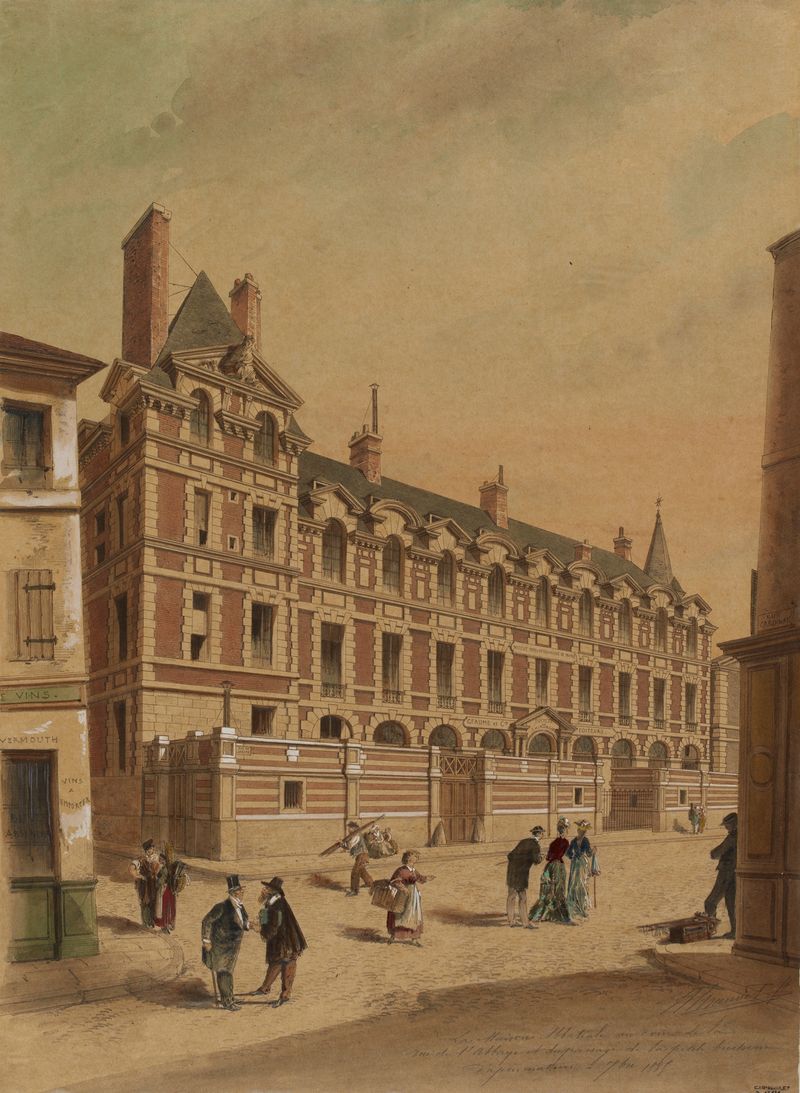
Maison Abbatiale à l’angle de la rue de l’Abbaye, de la rue Cardinale et du passage de la Petite-Boucherie, 6ème arrondi
Jules-Adolphe Chauvet
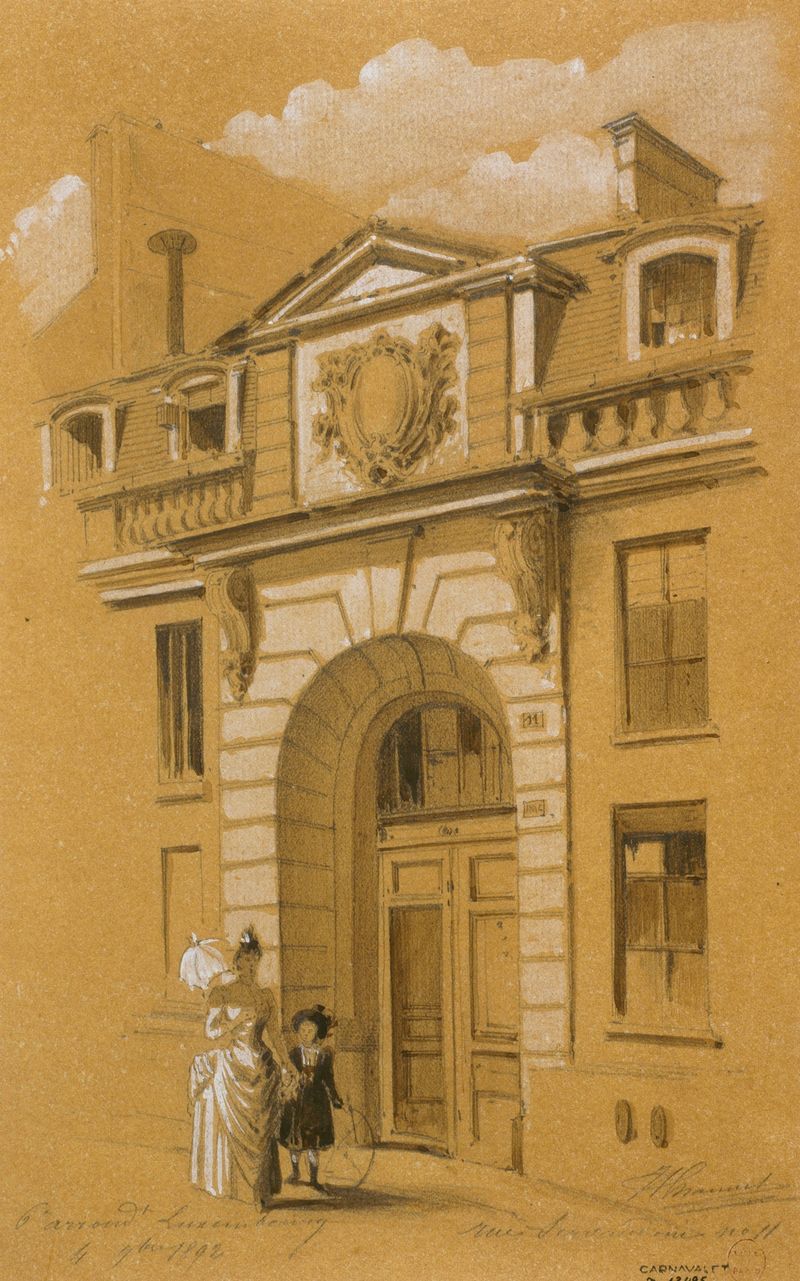
Porte d’entrée du 11 rue Servandoni, 6ème arrondissement
Jules-Adolphe Chauvet
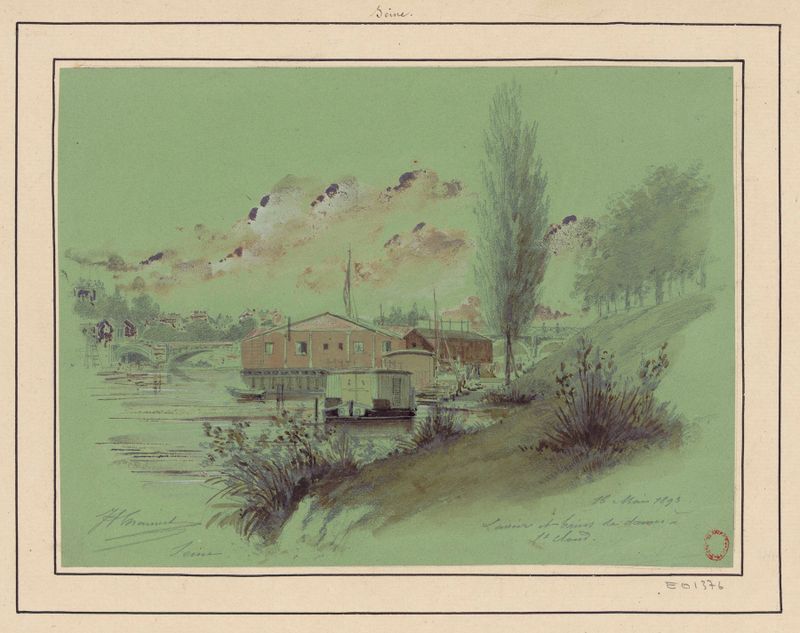
Lavoir et bains de dames à St Cloud – (Département de la) Seine
Jules-Adolphe Chauvet
More Architecture Art
Browse all →
The statue of Liberty
Frédéric Auguste Bartholdi

View of Houses in Delft, Known as ‘The Little Street’
Johannes Vermeer

View of Houses in Delft, Known as ‘The Little Street’
Johannes Vermeer

The Cathedral in Rouen. The portal, Grey Weather
Claude Monet

The yellow house
Vincent van Gogh

The Church in Auvers-sur-Oise, View from the Chevet
Vincent van Gogh