
230 Strand — History & Facts
In the interplay of color and form, one finds a profound truth that speaks to the soul of both artist and observer. How does the vibrancy of a cityscape capture the essence of urban life while revealing the complexities hidden beneath its surface? Look to the left at the bold splashes of ochre and sienna, grounding the scene in the warmth of a sunlit afternoon. Notice how the darkened outlines of buildings stand in contrast, their sharp angles echoing the rigidity of city life.
The striking use of color not only delineates space but also breathes life into the structures, transforming them into characters in this bustling narrative. The thick, expressive lines weave through the urban tapestry, creating a rhythm that draws the viewer deeper into the composition. Amidst the vibrancy lies a tension between movement and stillness. The colors pulse with energy, yet the meticulous detail invites contemplation.
The blending of hues hints at the fleeting moments of daily life, where joy and struggle coexist within the same frame. Each stroke serves as a reminder of the stories nestled in the shadows of the bustling street, revealing the duality of human experience in the heart of a city that never sleeps. In 1928, Joseph Pennell painted this work while living in London, a period marked by his exploration of urban themes and the burgeoning modernist movement. Art was undergoing significant transformation, with artists seeking new ways to interpret contemporary life.
Pennell, known for his etchings and lithographs, embraced the vibrancy of color in this canvas, reflecting not only his artistic evolution but also the dynamic spirit of the metropolis that inspired him.
More Artworks by Joseph Pennell
Browse all →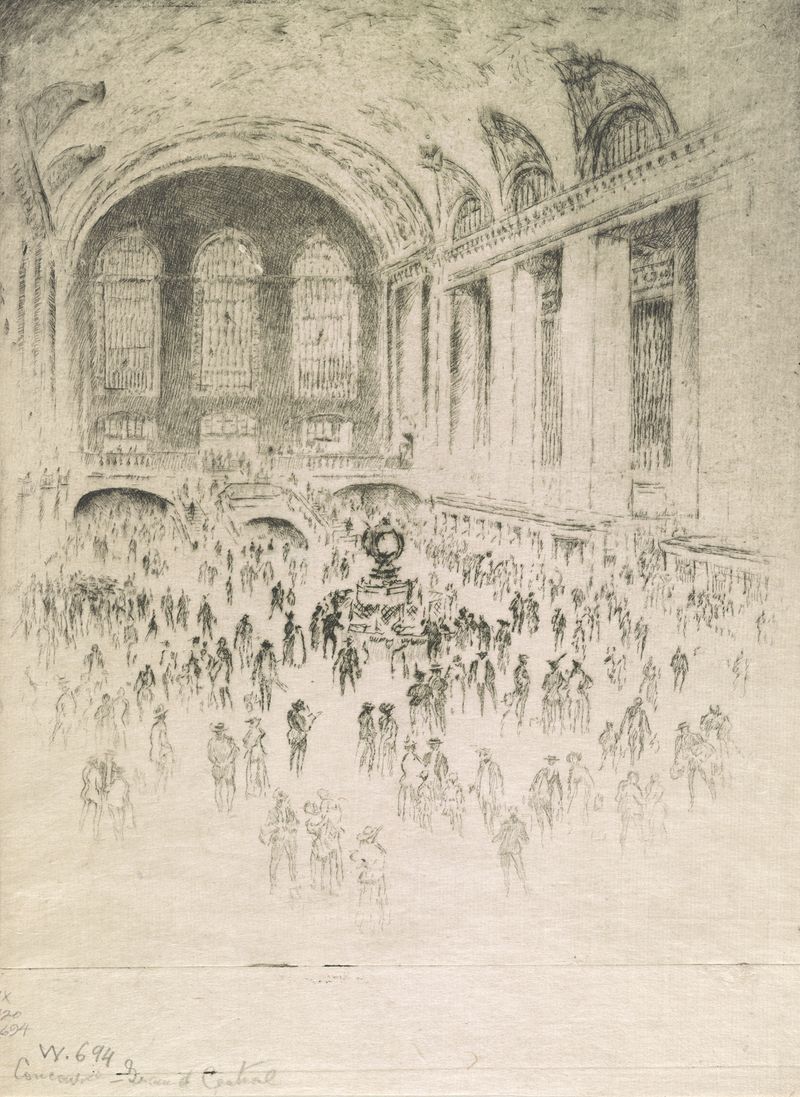
Concourse, Grand Central
Joseph Pennell
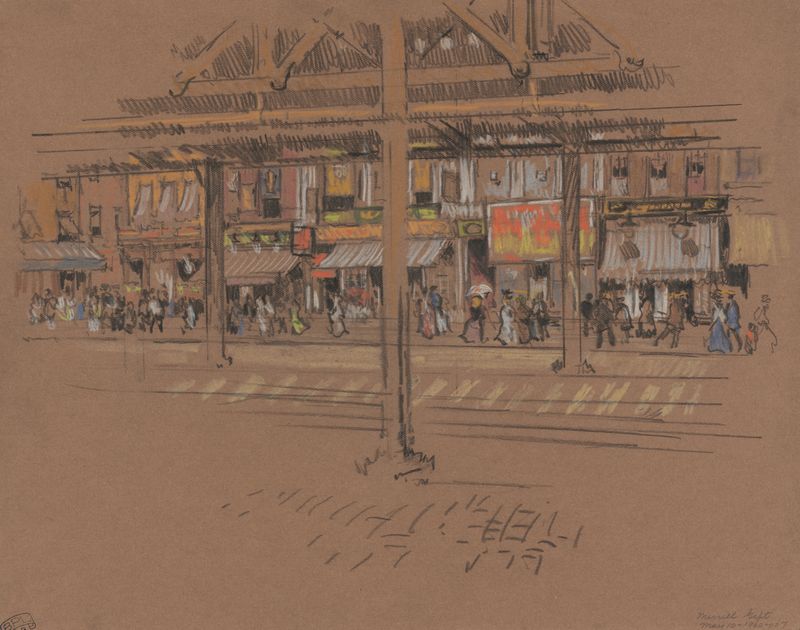
Sixth Avenue
Joseph Pennell
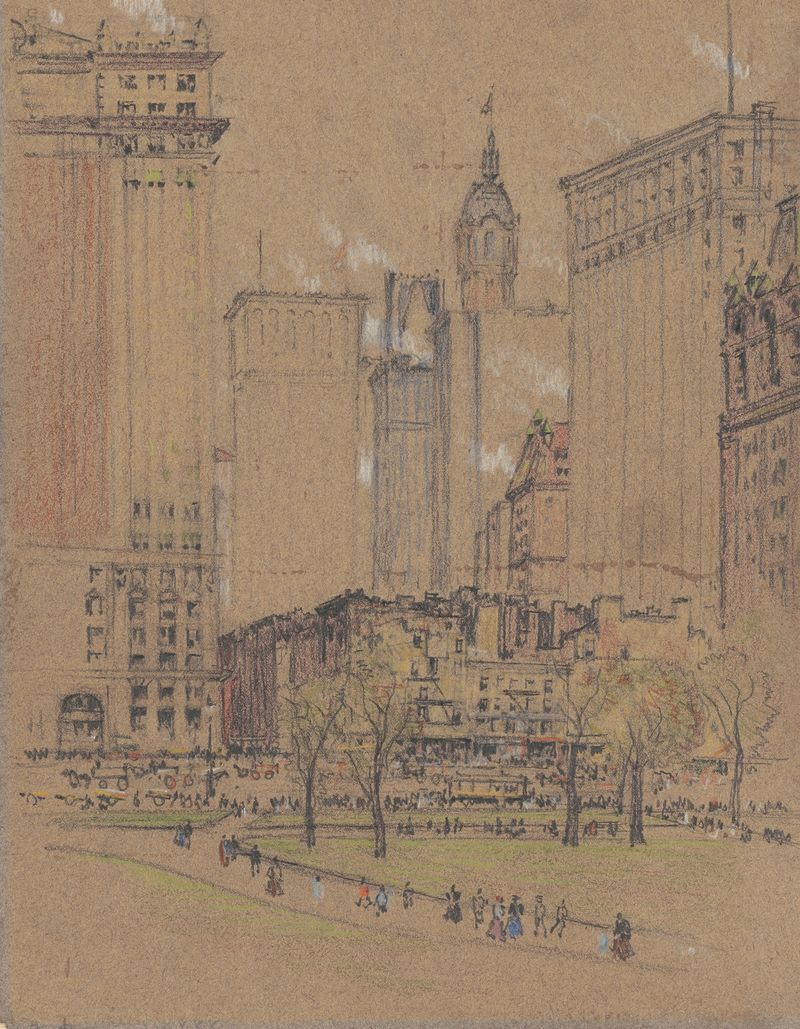
New York,the Old and the New
Joseph Pennell
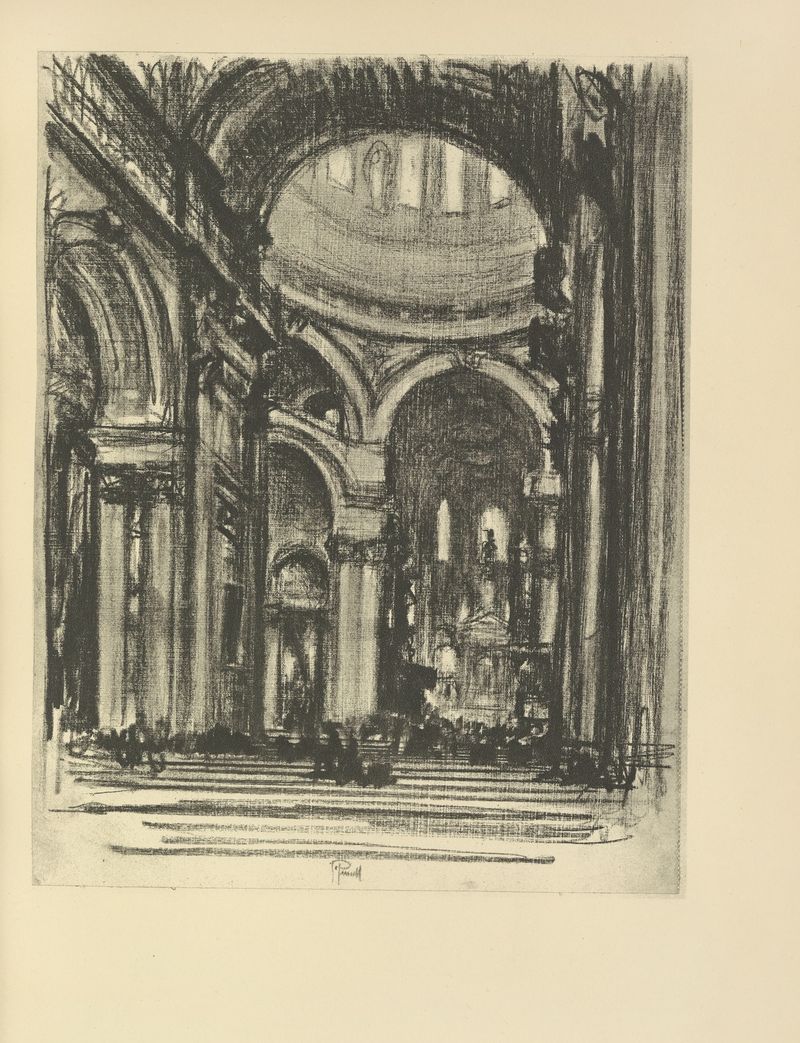
St. Paul’s, The Nave
Joseph Pennell
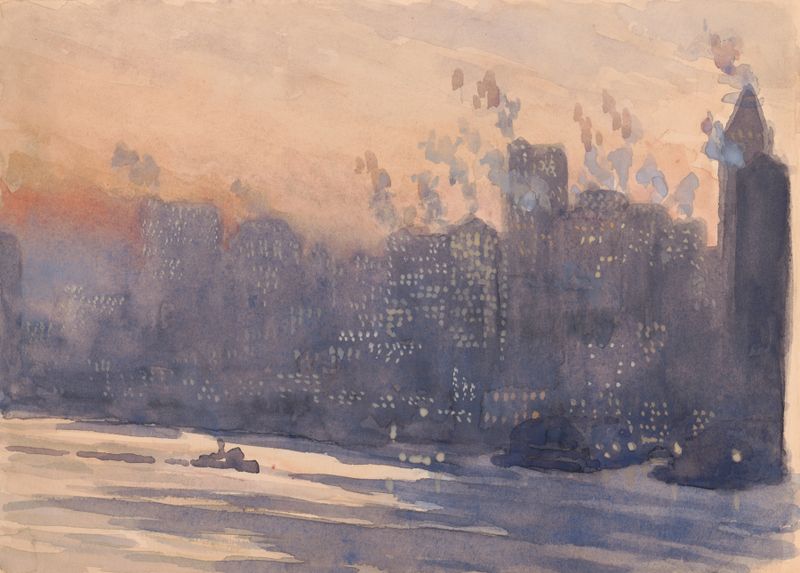
New York City harbor and skyline at night
Joseph Pennell
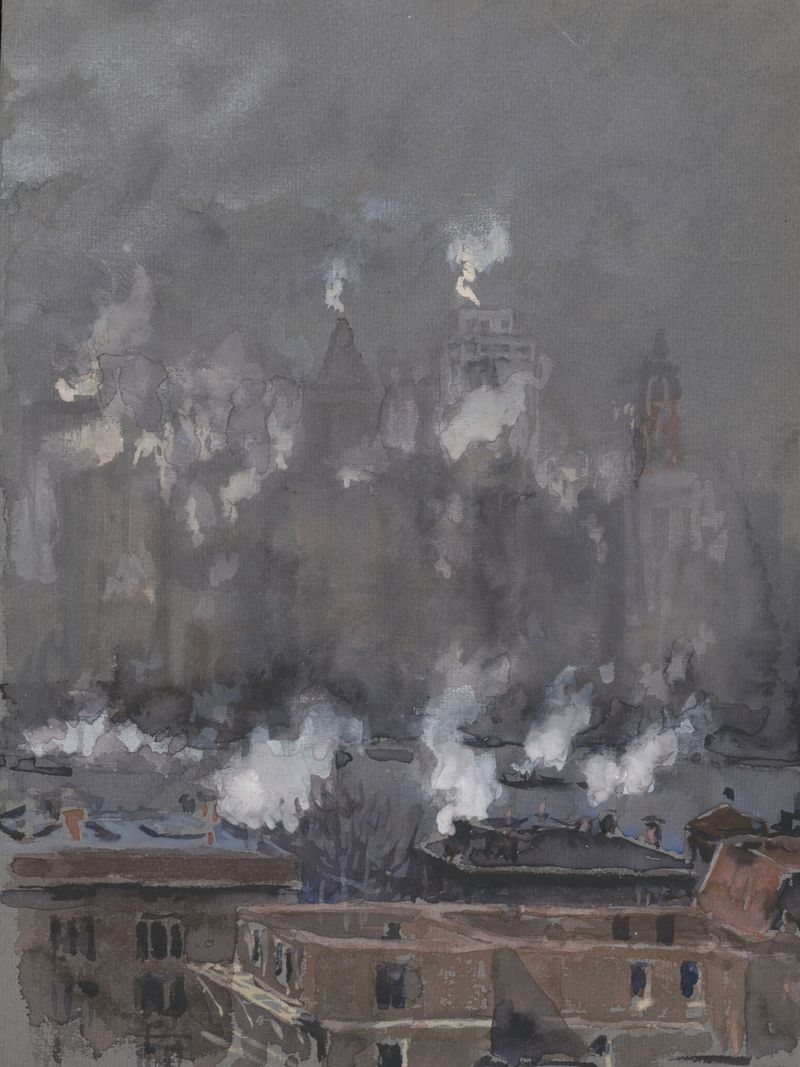
Smoke and fog on gray day, New York City
Joseph Pennell
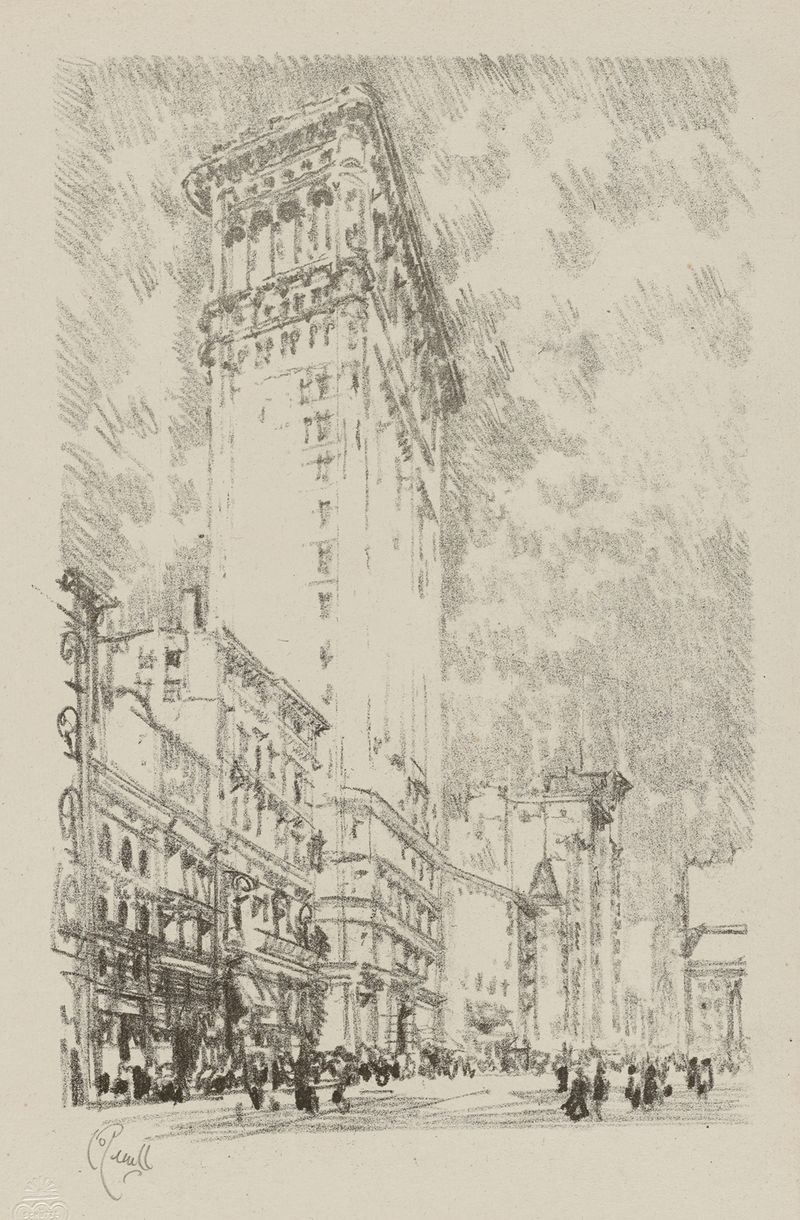
The Flat Iron
Joseph Pennell
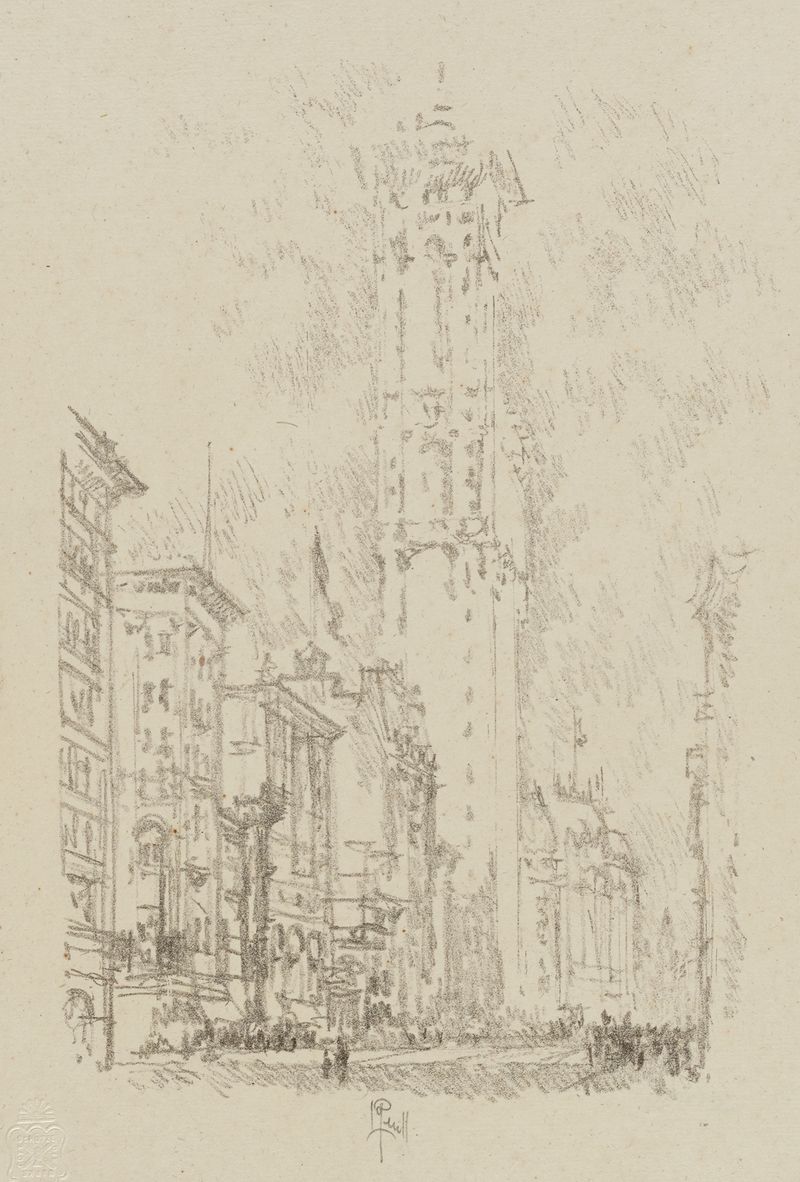
The Times Building
Joseph Pennell
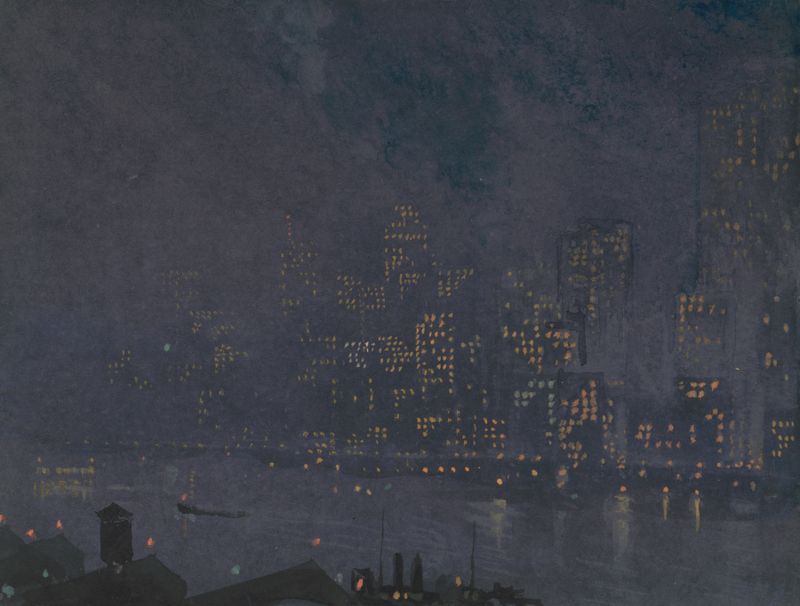
Skyscrapers at night
Joseph Pennell

St. James’ Park
Joseph Pennell
More Architecture Art
Browse all →
The statue of Liberty
Frédéric Auguste Bartholdi

View of Houses in Delft, Known as ‘The Little Street’
Johannes Vermeer

View of Houses in Delft, Known as ‘The Little Street’
Johannes Vermeer

The Cathedral in Rouen. The portal, Grey Weather
Claude Monet

The yellow house
Vincent van Gogh

The Church in Auvers-sur-Oise, View from the Chevet
Vincent van Gogh