
31. Plafond du Tombeau de Sou-m-Nout (n° 92) — History & Facts
Can beauty exist without sorrow? In the delicate balance of art, reflection becomes a poignant reminder of life's complexities. As you engage with this masterpiece, look to the intricate patterns and colors that weave a narrative across the ceiling. Notice how the muted hues of gold and azure create a celestial atmosphere, inviting your gaze to dance among the delicate motifs. The artist employs a meticulous technique that combines both finesse and grandeur, each brushstroke echoing the reverence for the tomb it adorns.
The overall composition draws you into a space both sacred and surreal, where the edges blur between earthly existence and the divine. Beneath the surface of the artwork lies a duality of emotion. The lavish ornamental details suggest opulence, yet they also evoke a sense of melancholy, a reminder of the impermanence of beauty. Subtle contrasts emerge as light plays across the complex forms, illuminating the fleeting nature of life, much like the transient beauty of a dying flower.
Every curve and color choice whispers stories untold, where joy intertwines with the shadows of loss, revealing that sorrow can indeed intensify the appreciation of beauty. Created in 1911, this work was crafted during a period of significant artistic experimentation. Gustave Jéquier painted 31. Plafond du Tombeau de Sou-m-Nout in Paris, where he found himself surrounded by the emerging movements of modernism and the lingering echoes of Art Nouveau.
At this time, cultural shifts and a quest for deeper meaning were reshaping the landscape of art, pushing artists like Jéquier to explore the depths of human emotion through their creations.
More Artworks by Gustave Jéquier
Browse all →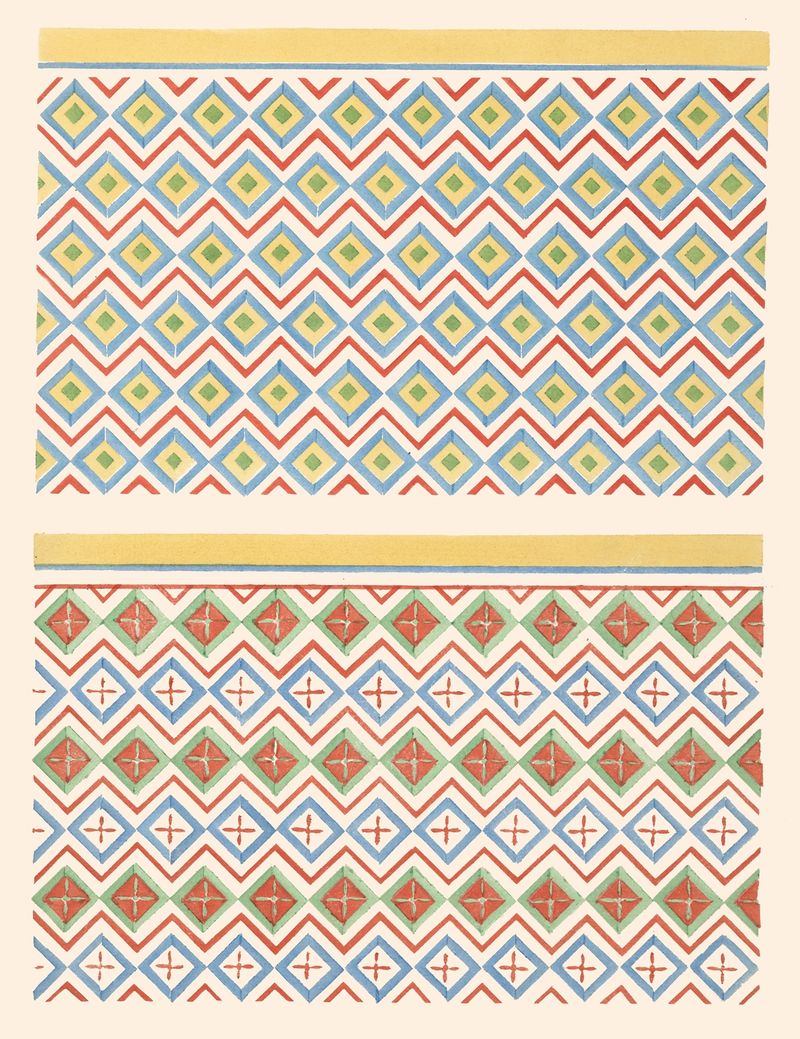
9. Plafond du Tombeau de Hapousenb (n° 67), 10. Plafond du Tombeau D’amounzeh (n° 84)
Gustave Jéquier
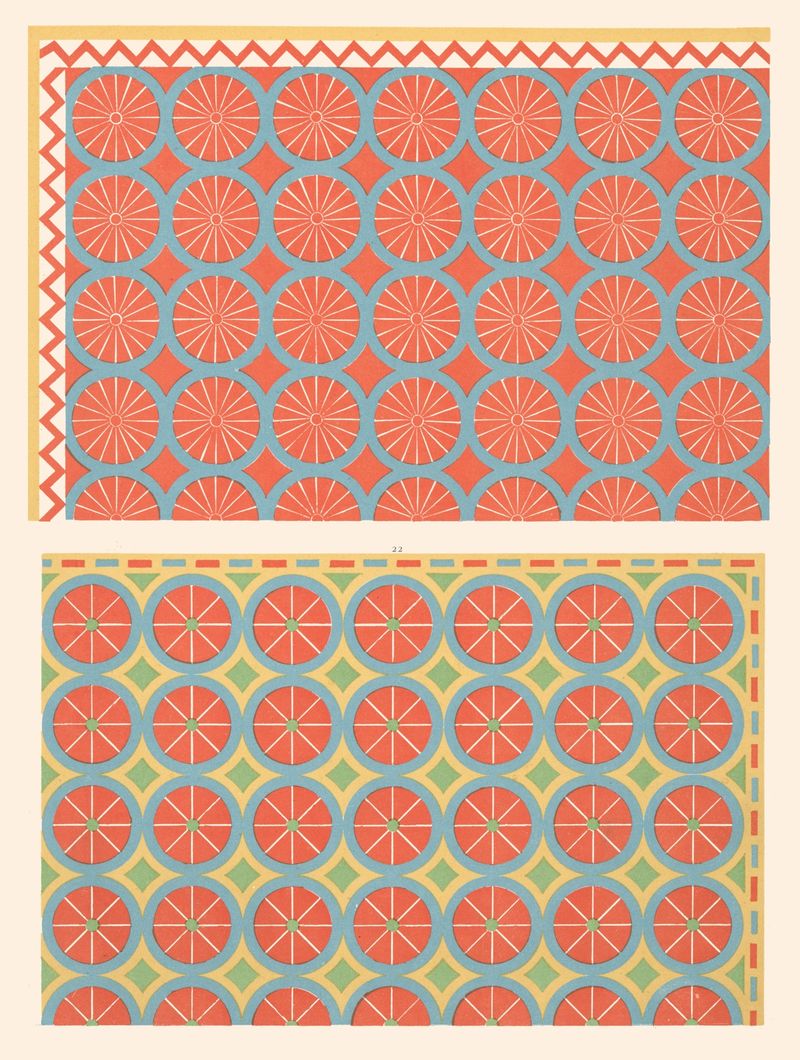
22. Plafond du Tombeau de Hiq-er-Neheh (n°64), 23. Plafond du Tombeau de Tenna (n° 76)
Gustave Jéquier
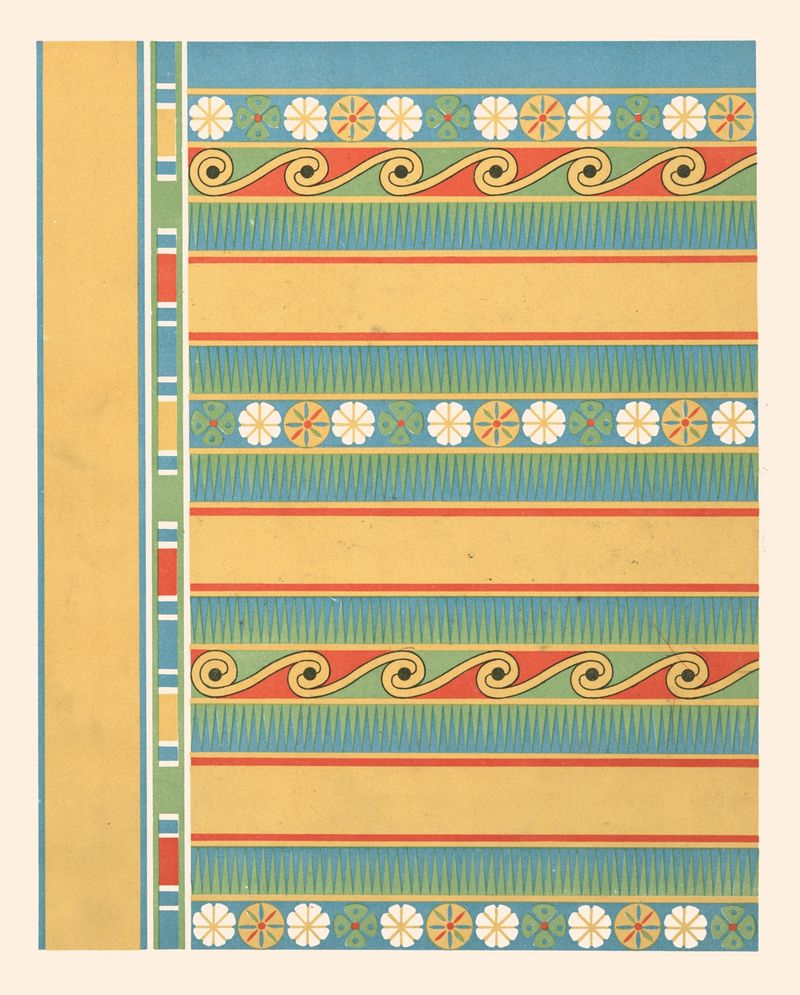
49. Plafond du Tombeau de Nesi-pa-Noferher (n° 68)
Gustave Jéquier
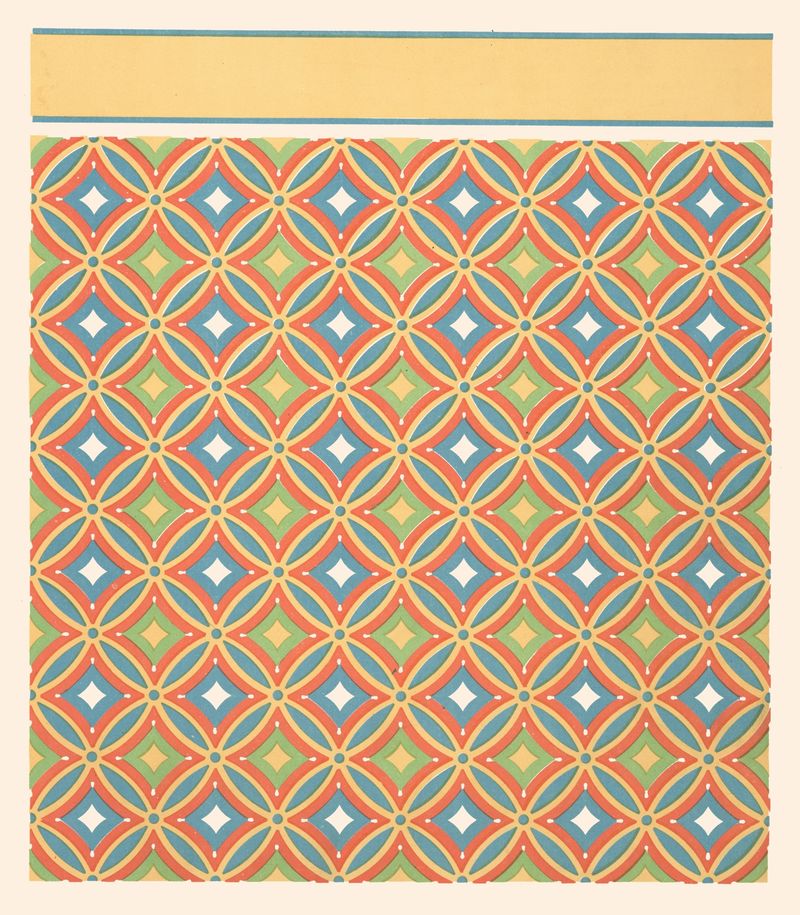
29. Plafond du Tombeau D’amenemhat (n° 82)
Gustave Jéquier
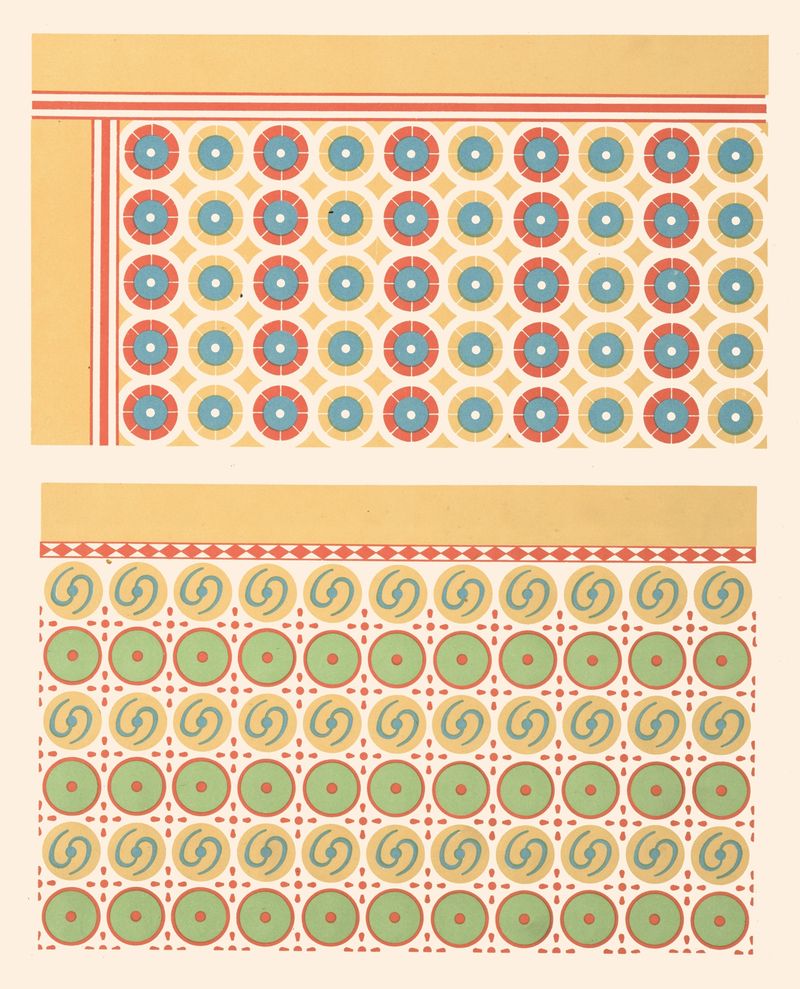
20. Plafond du Tombeau D’amenheb (n° 90), 21. Plafond du Tombeau de Menkheper (n° 79)
Gustave Jéquier
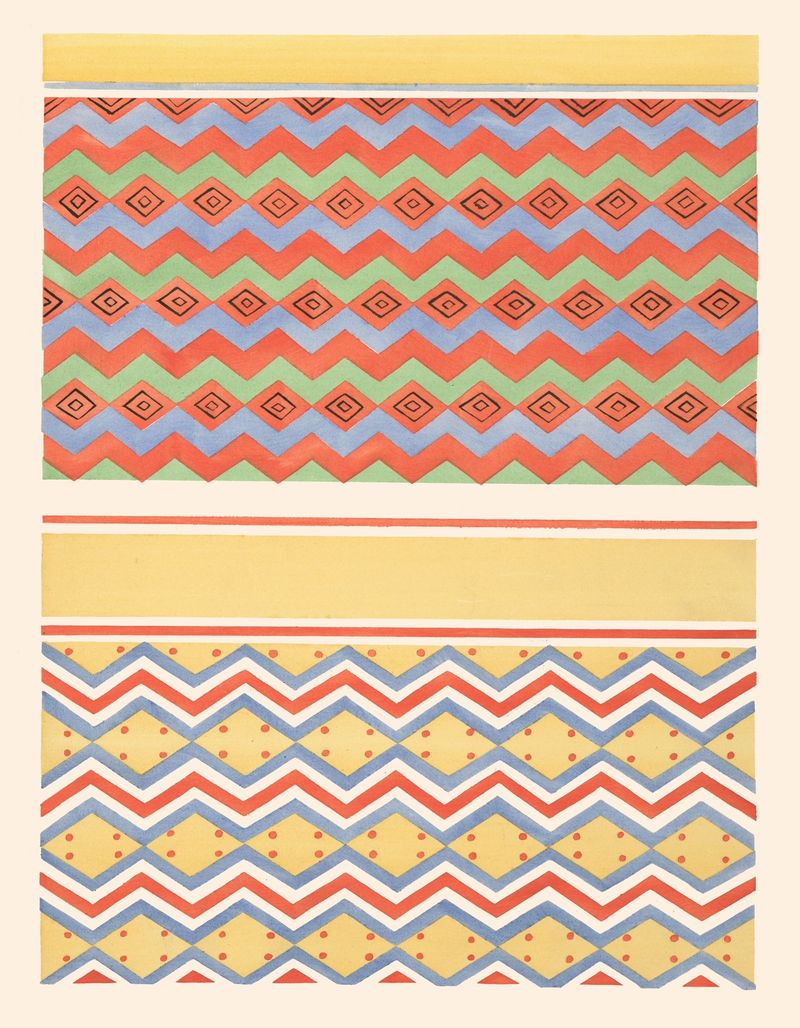
5. Plafond du Tombeau D’amounzeh (° 84), 6. Plafond du Tombeau D’amenemheb
Gustave Jéquier
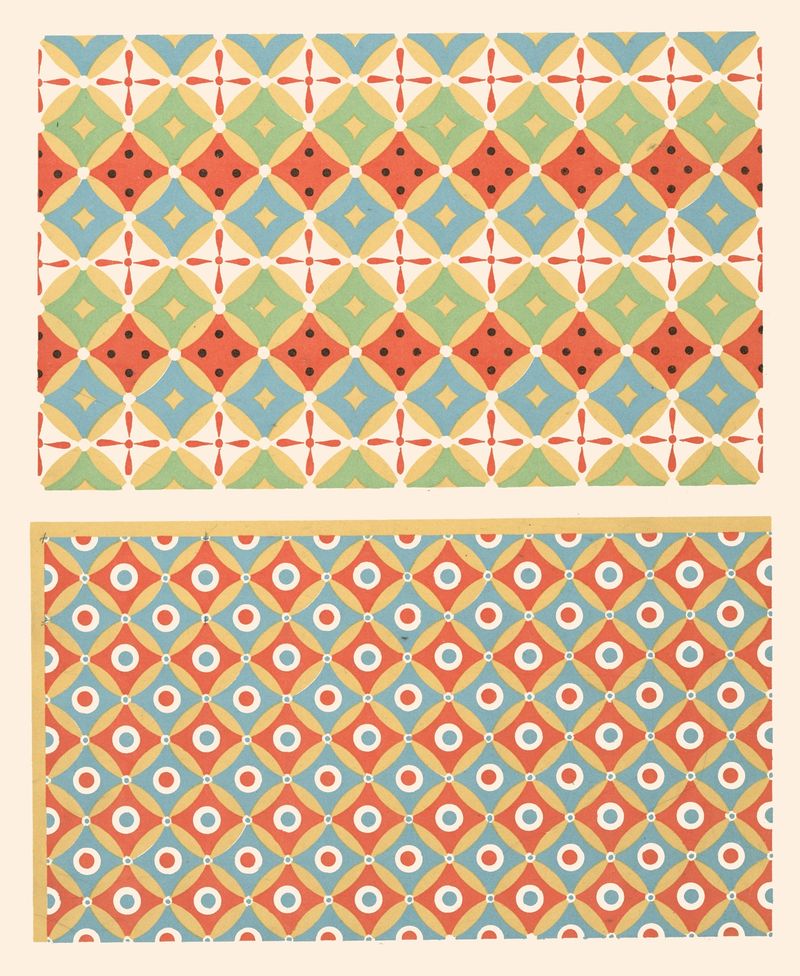
27. Plafond du Tombeau de Nekht-Mîn (n° 87), 28. Plafond du Tombeau n° 91 (Anonyme)
Gustave Jéquier
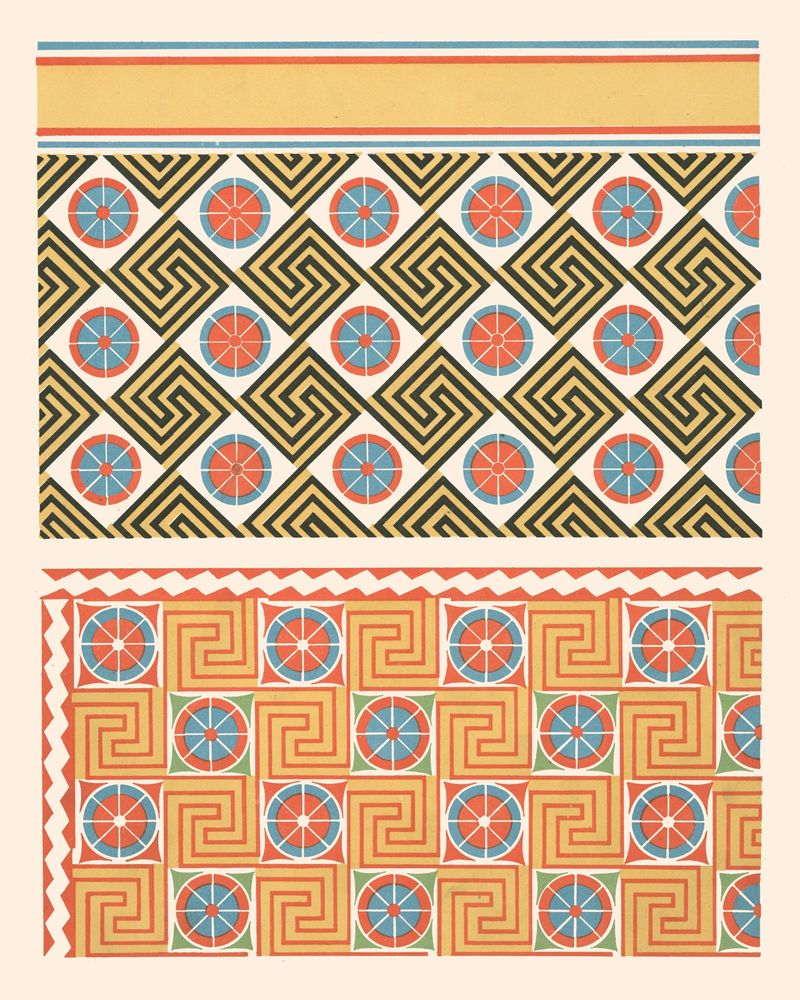
38. Plafond du Tombeau D’anna (n° 81), 39. Plafond du Tombeau de Senmout (n° 71)
Gustave Jéquier
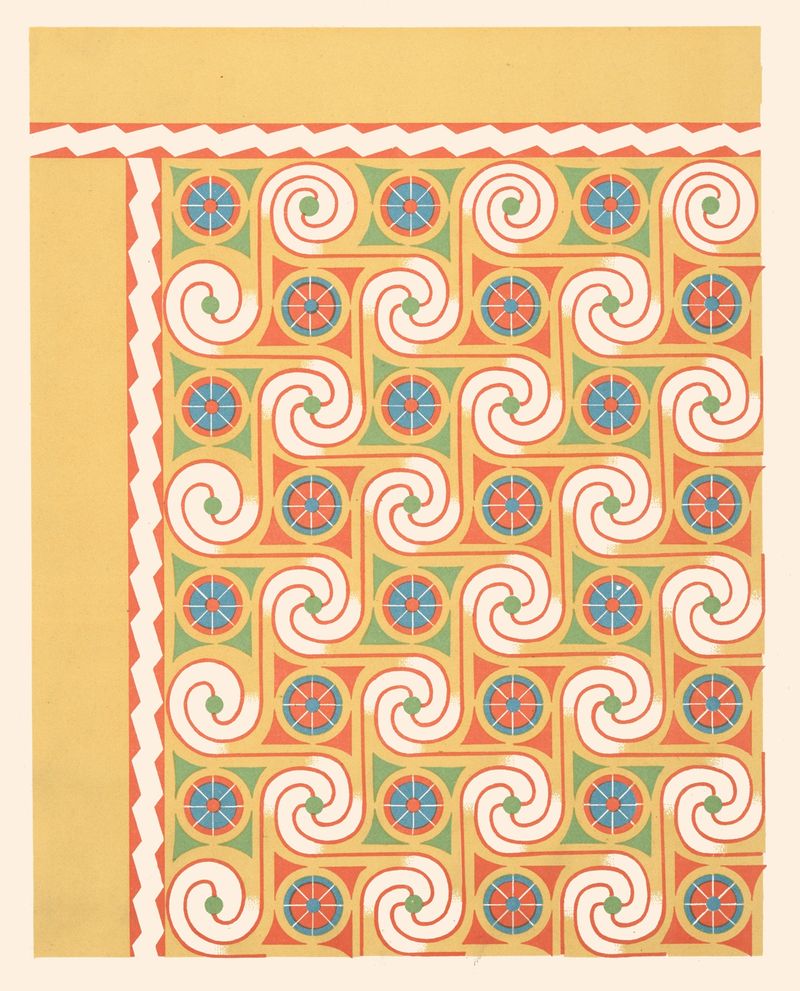
34. Plafond du Tombeau de Senmout (n° 71)
Gustave Jéquier
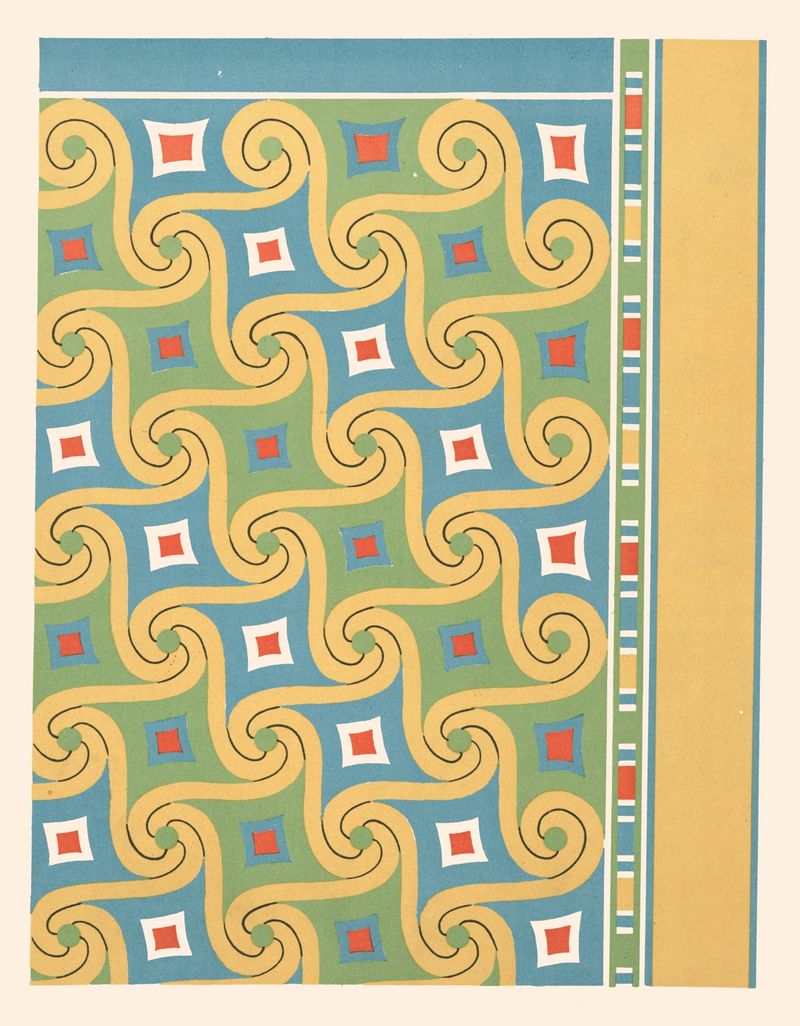
51. Plafond du Tombeau de Nesi-pa-Noferher (n° 68)
Gustave Jéquier
More Religious Art
Browse all →
The Return of the Prodigal Son
Rembrandt van Rijn

The Garden of Earthly Delights
El Bosco

Count Orgaz’ funeral
El Greco

The Hundred Guilder Print: the central piece with Christ preaching, the plate arched
Rembrandt van Rijn

The Descent from the Cross
Rogier van der Weyden

The return of the prodigal son
Rembrandt van Rijn