
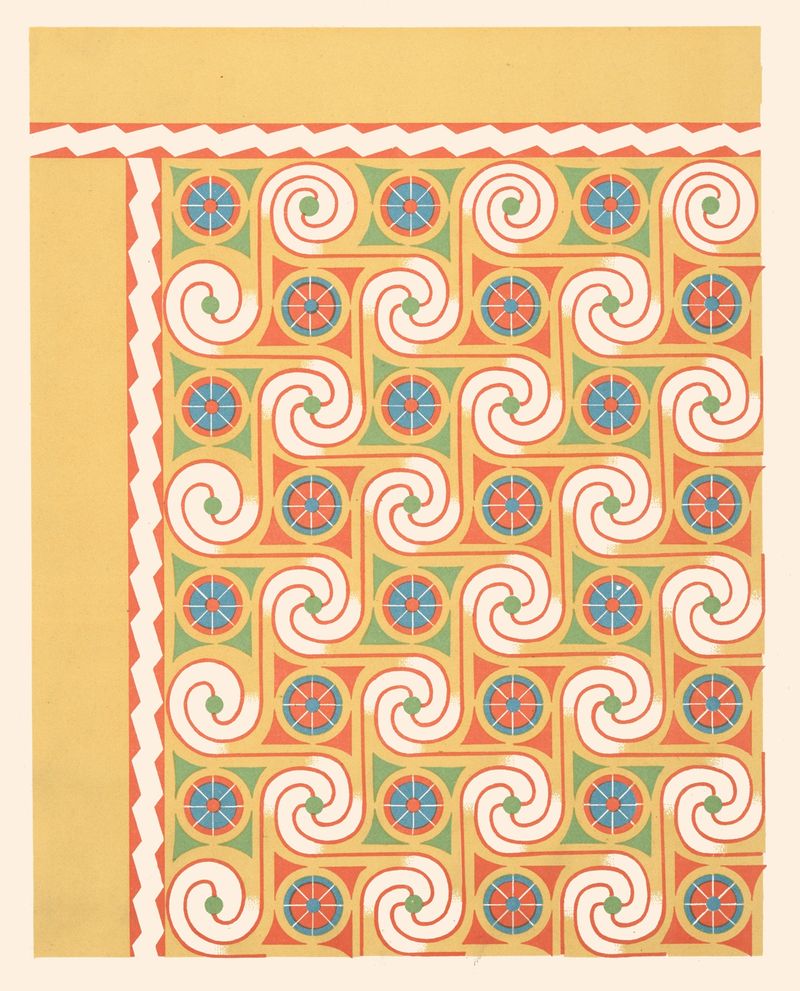
33. Plafond du Tombeau D’anna (n° 81) — History & Facts
In the realm of dreams, what do we find hidden beneath the surface? Focus on the swirling forms that dance across the canvas, where color and movement collide in an ethereal embrace. The layers of paint blend harmoniously, creating a sense of motion that captivates the eye. Notice how soft blues and vibrant reds intertwine, leading you toward a central vortex of energy.
The delicate brushwork invites exploration, as if inviting the viewer to step into a dreamscape where the boundaries of reality dissolve. As you delve deeper, consider the intricate balance between chaos and order. The seemingly random patterns reveal a deeper structure, suggesting the underlying currents of emotions that shape our subconscious. Each brushstroke speaks of an inner turmoil, yet the overall composition offers a sense of resolution, a fleeting moment of harmony.
This tension between disorder and serenity reflects the complexities of the human psyche, urging us to confront our own dreams and fears. Gustave Jéquier created this artwork in 1911, amid the shifting tides of modernism. Working in Paris, he was influenced by the avant-garde movements that sought to capture the essence of the human experience. At this time, art was undergoing a radical transformation, exploring new forms of expression that broke free from tradition.
Jéquier's innovative approach to color and form positioned him within this vibrant context, as he navigated the delicate balance between chaos and grace.
More Artworks by Gustave Jéquier
Browse all →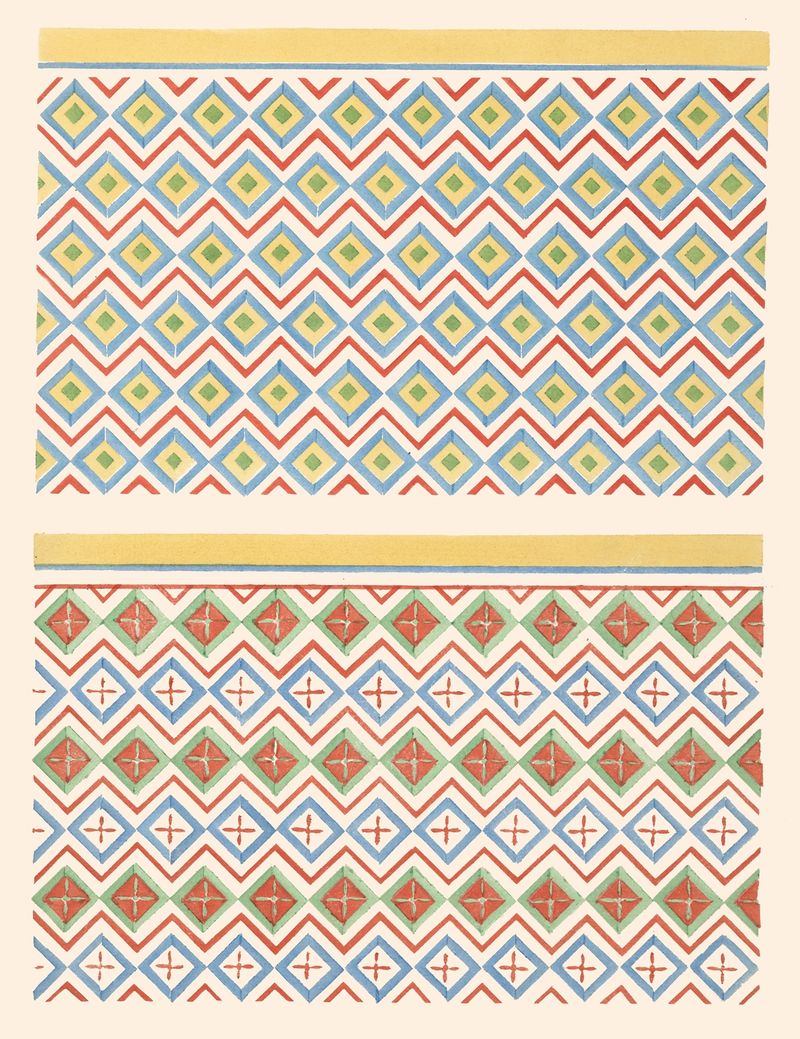
9. Plafond du Tombeau de Hapousenb (n° 67), 10. Plafond du Tombeau D’amounzeh (n° 84)
Gustave Jéquier
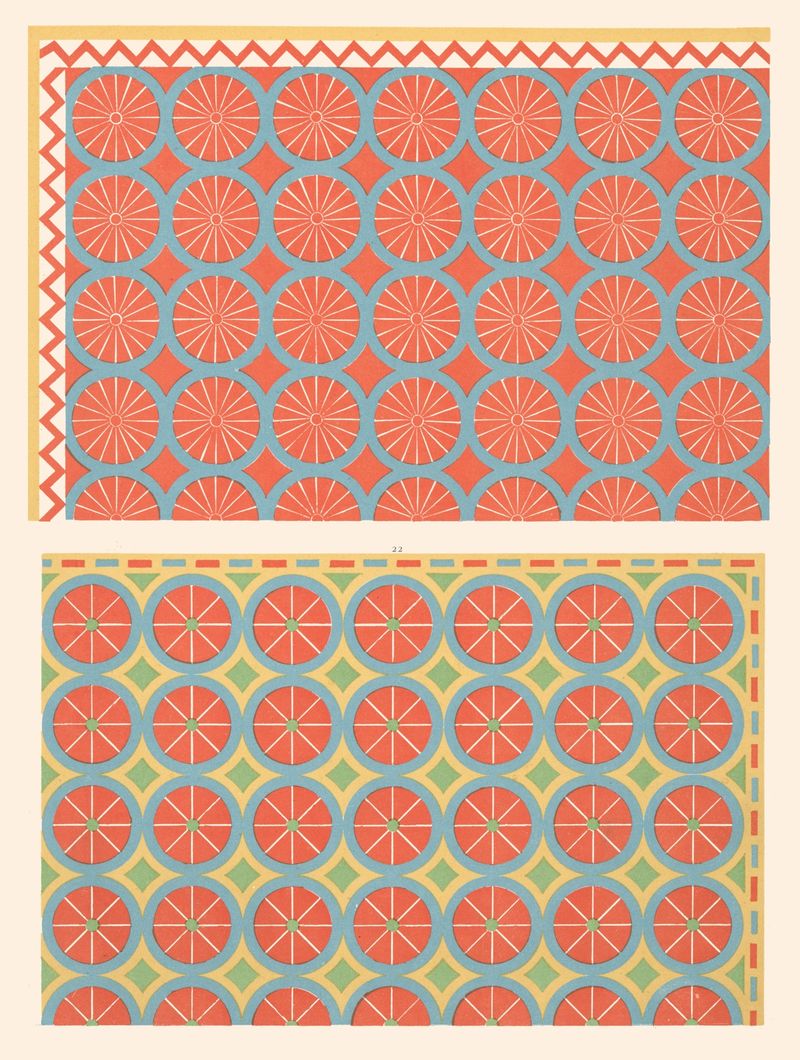
22. Plafond du Tombeau de Hiq-er-Neheh (n°64), 23. Plafond du Tombeau de Tenna (n° 76)
Gustave Jéquier
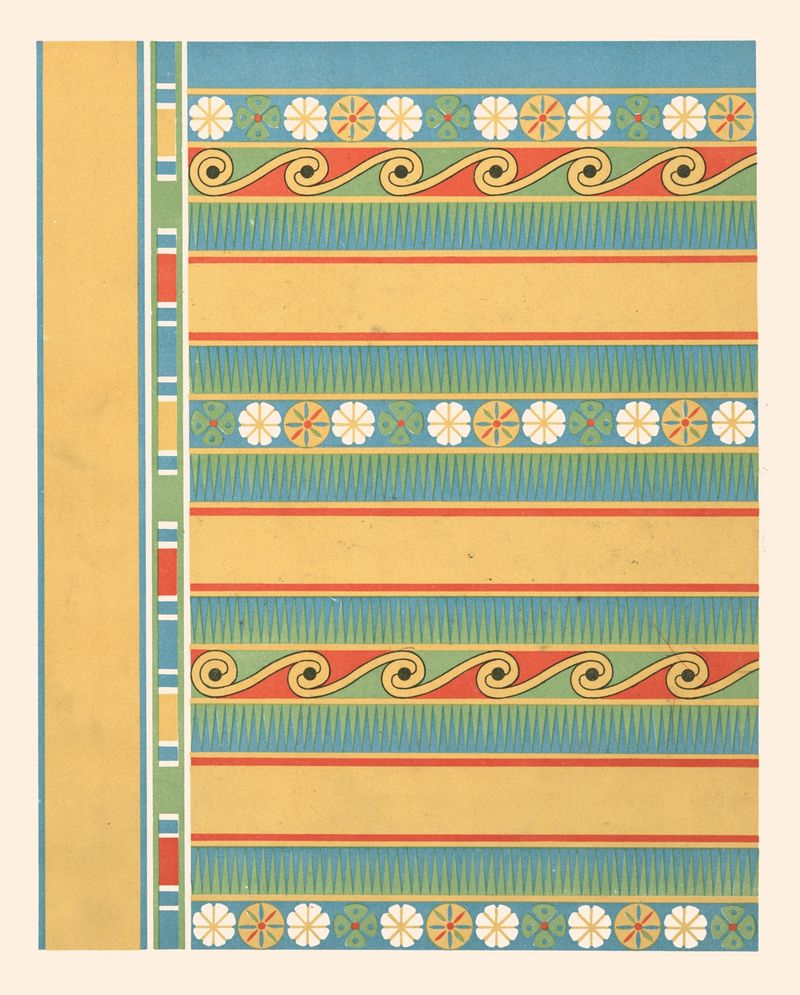
49. Plafond du Tombeau de Nesi-pa-Noferher (n° 68)
Gustave Jéquier
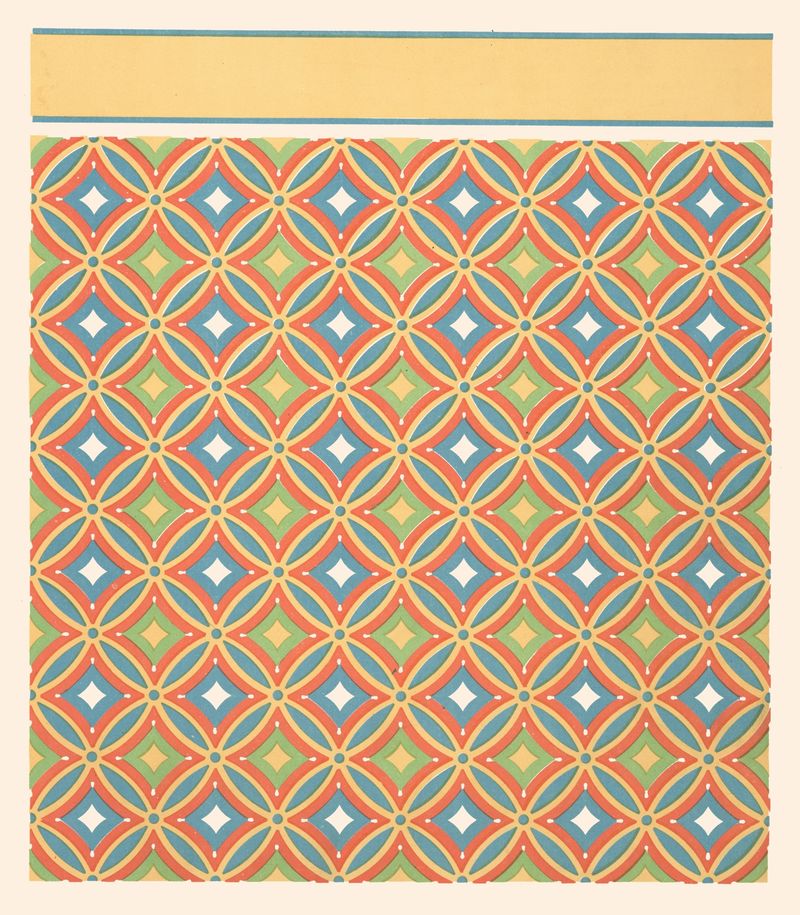
29. Plafond du Tombeau D’amenemhat (n° 82)
Gustave Jéquier
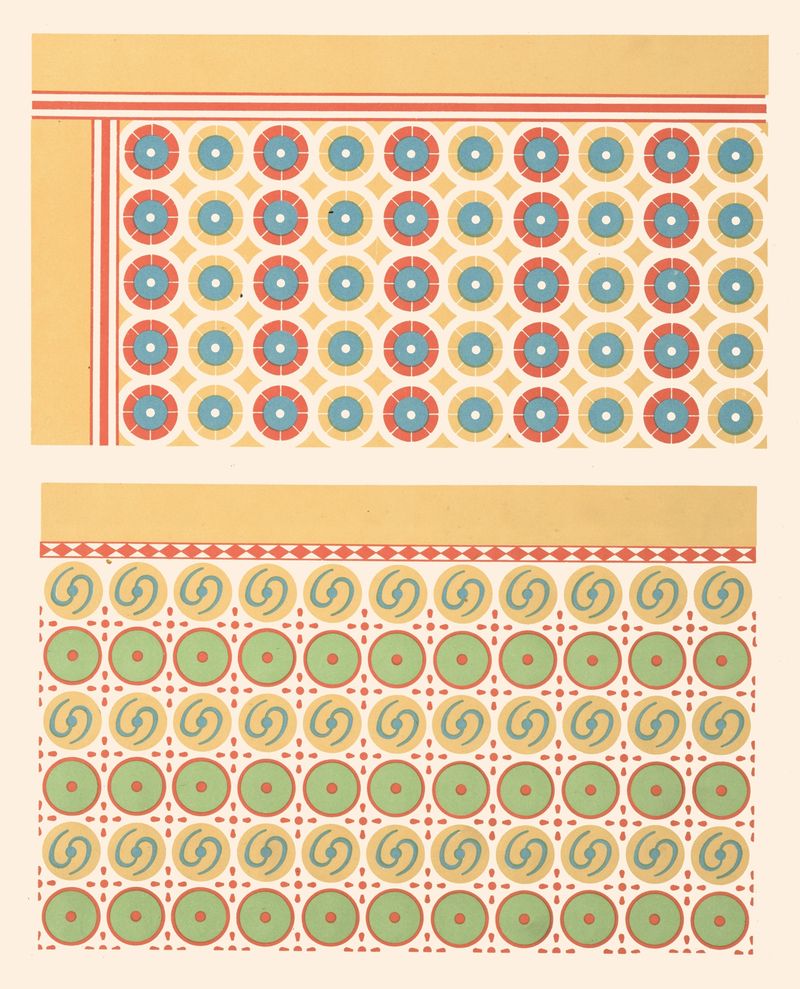
20. Plafond du Tombeau D’amenheb (n° 90), 21. Plafond du Tombeau de Menkheper (n° 79)
Gustave Jéquier
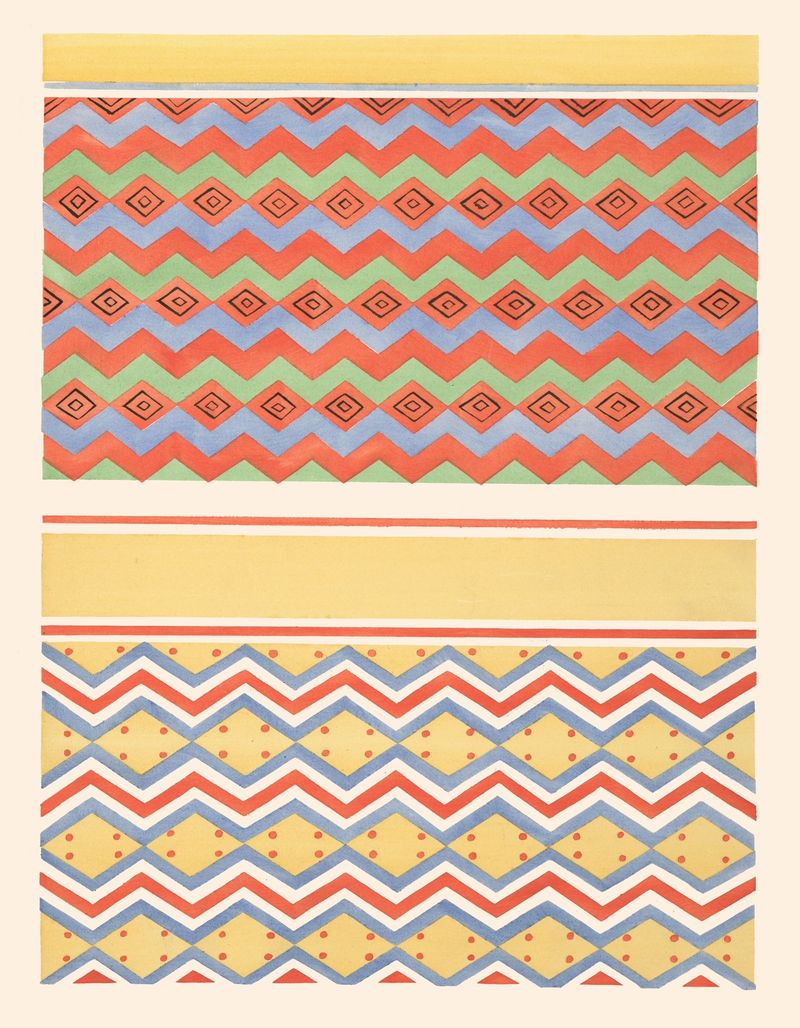
5. Plafond du Tombeau D’amounzeh (° 84), 6. Plafond du Tombeau D’amenemheb
Gustave Jéquier
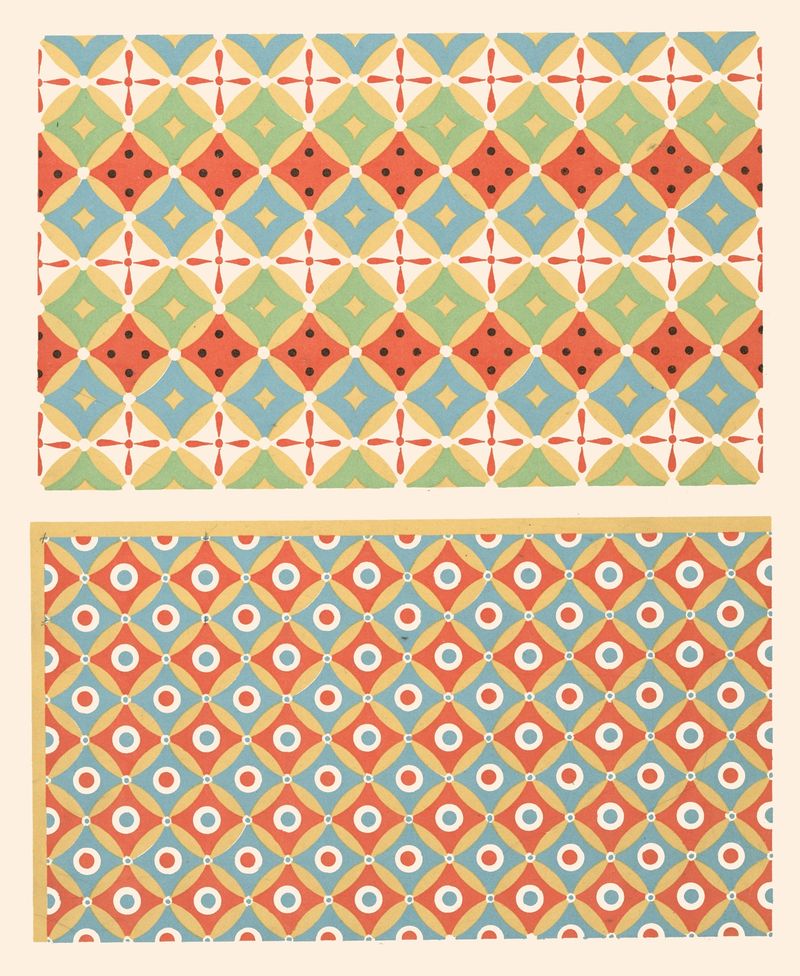
27. Plafond du Tombeau de Nekht-Mîn (n° 87), 28. Plafond du Tombeau n° 91 (Anonyme)
Gustave Jéquier
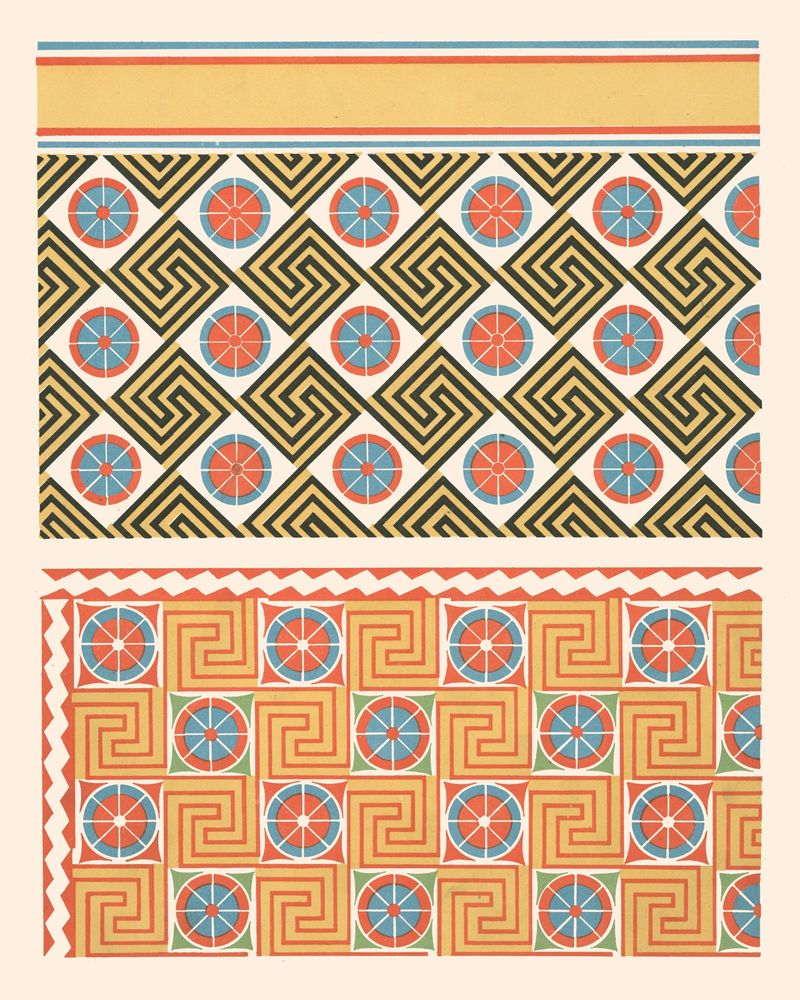
38. Plafond du Tombeau D’anna (n° 81), 39. Plafond du Tombeau de Senmout (n° 71)
Gustave Jéquier
34. Plafond du Tombeau de Senmout (n° 71)
Gustave Jéquier
51. Plafond du Tombeau de Nesi-pa-Noferher (n° 68)
Gustave Jéquier
More Religious Art
Browse all →
The Return of the Prodigal Son
Rembrandt van Rijn

The Garden of Earthly Delights
El Bosco

Count Orgaz’ funeral
El Greco

The Hundred Guilder Print: the central piece with Christ preaching, the plate arched
Rembrandt van Rijn

The Descent from the Cross
Rogier van der Weyden

The return of the prodigal son
Rembrandt van Rijn