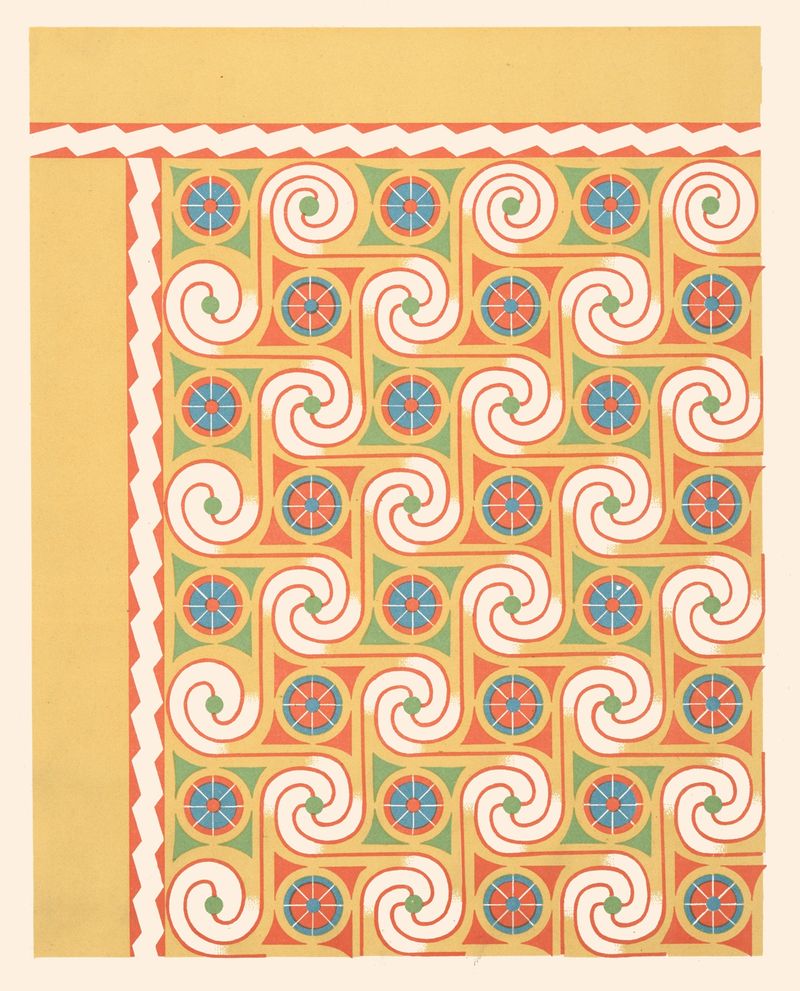
36. Plafond du Tombeau D’amenheb (n° 90) — History & Facts
The stillness of time, captured in intricate patterns, invites contemplation and movement within the stillness. These echoes of an ancient past blend with a modern rhythm, suggesting the eternal dance between history and artistic expression. Look to the center of the composition where the ornate figures flow gracefully across the surface, adorned with vibrant hues of ochre and lapis lazuli. Notice how the geometric designs create a powerful framework, drawing the eye outward, almost as if the viewer is invited to step into a story that unfolds in layers.
The delicate brushwork and meticulous detailing reveal not only the artist's technical skill but also his deep reverence for the subject matter, allowing each element to vibrate with life. As you trace the movement across the painting, consider the contrast between the static figures and the dynamism of the surrounding motifs. Each line and symbol carries meaning, whispering secrets of the past, while also reflecting the modernity of Jéquier's time. The tension between stillness and motion captures the viewer's imagination, prompting reflections on the transitory nature of both life and art. Gustave Jéquier painted this work in 1911, during a period when he was deeply engaged with the history of Ancient Egypt, inspired by artifacts and hieroglyphs.
Living in a world where archaeology was capturing public fascination, Jéquier sought to bridge the past with contemporary interpretations of art and culture. His exploration into the narratives held within ancient designs not only reveals his artistic ambition but also echoes the broader movements of intellectual curiosity prevalent in early 20th-century Europe.
More Artworks by Gustave Jéquier
Browse all →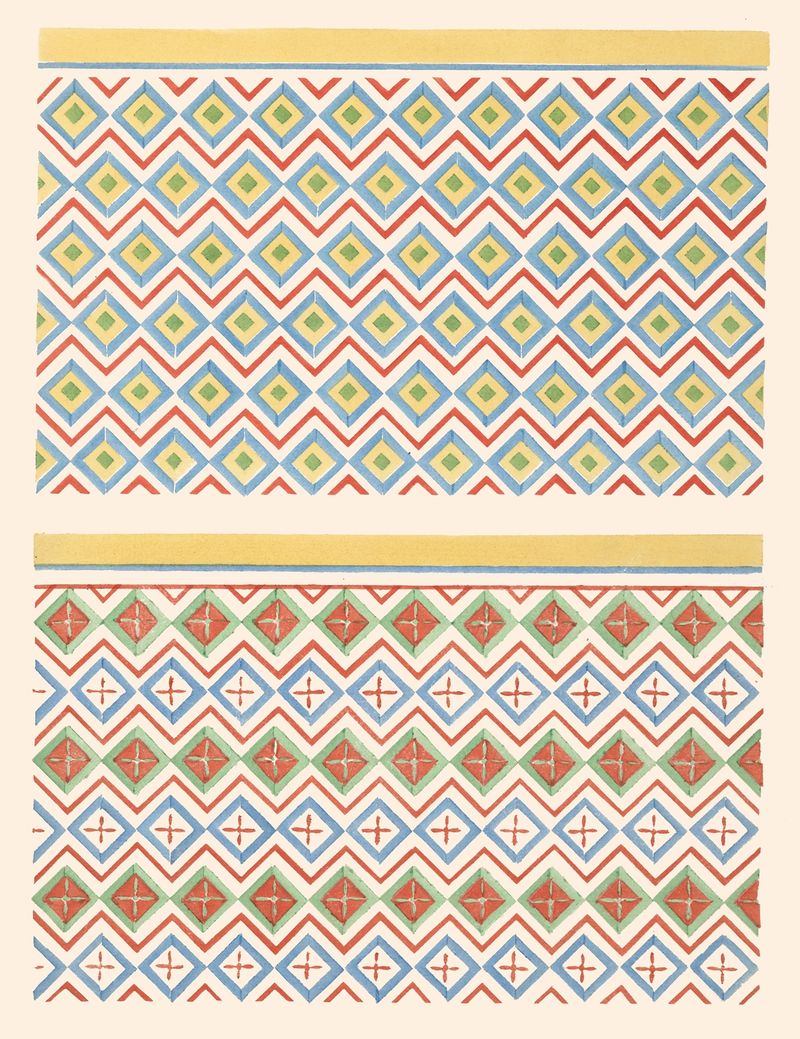
9. Plafond du Tombeau de Hapousenb (n° 67), 10. Plafond du Tombeau D’amounzeh (n° 84)
Gustave Jéquier
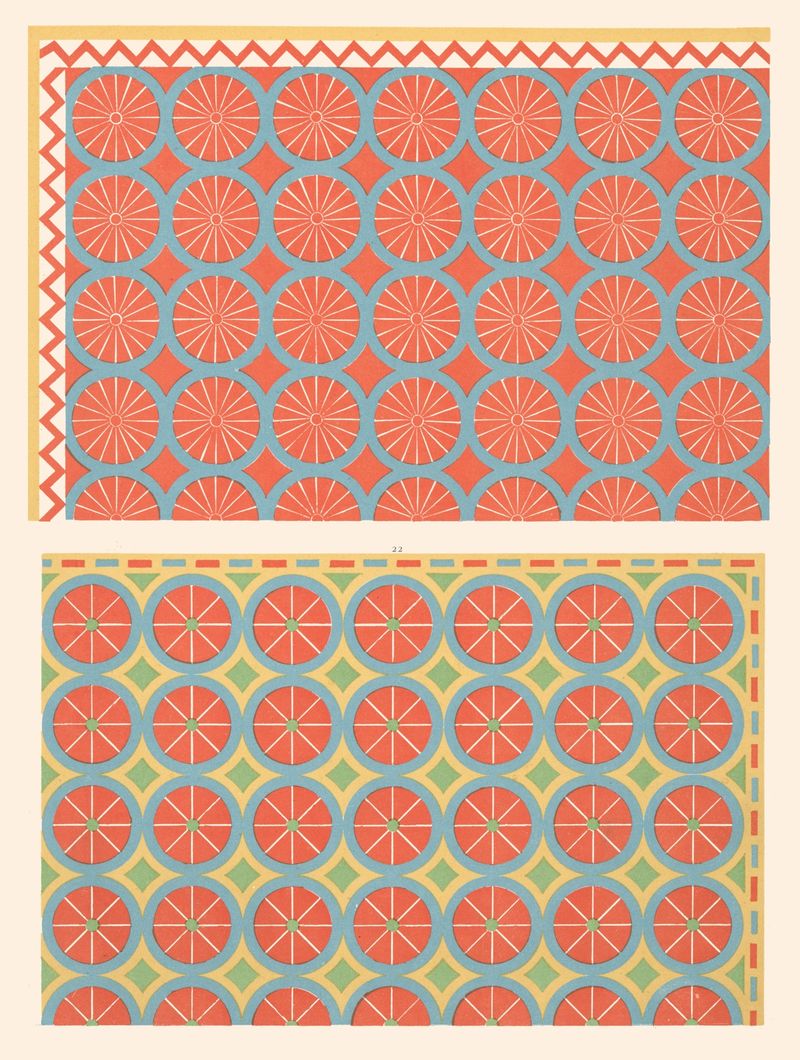
22. Plafond du Tombeau de Hiq-er-Neheh (n°64), 23. Plafond du Tombeau de Tenna (n° 76)
Gustave Jéquier
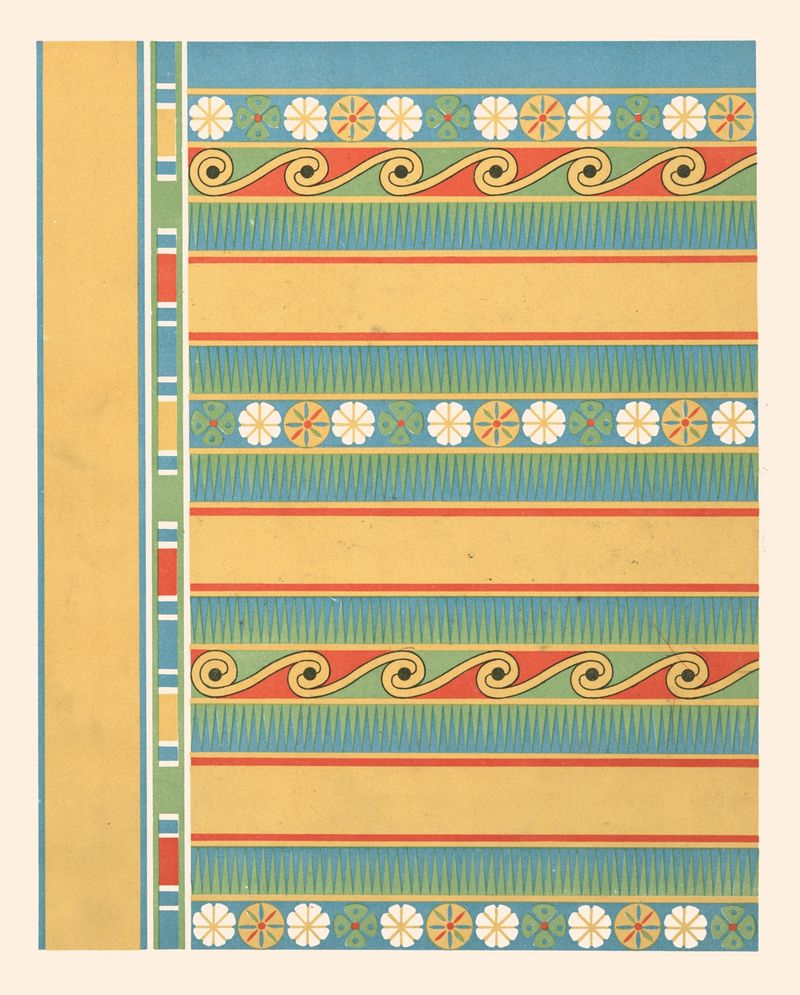
49. Plafond du Tombeau de Nesi-pa-Noferher (n° 68)
Gustave Jéquier
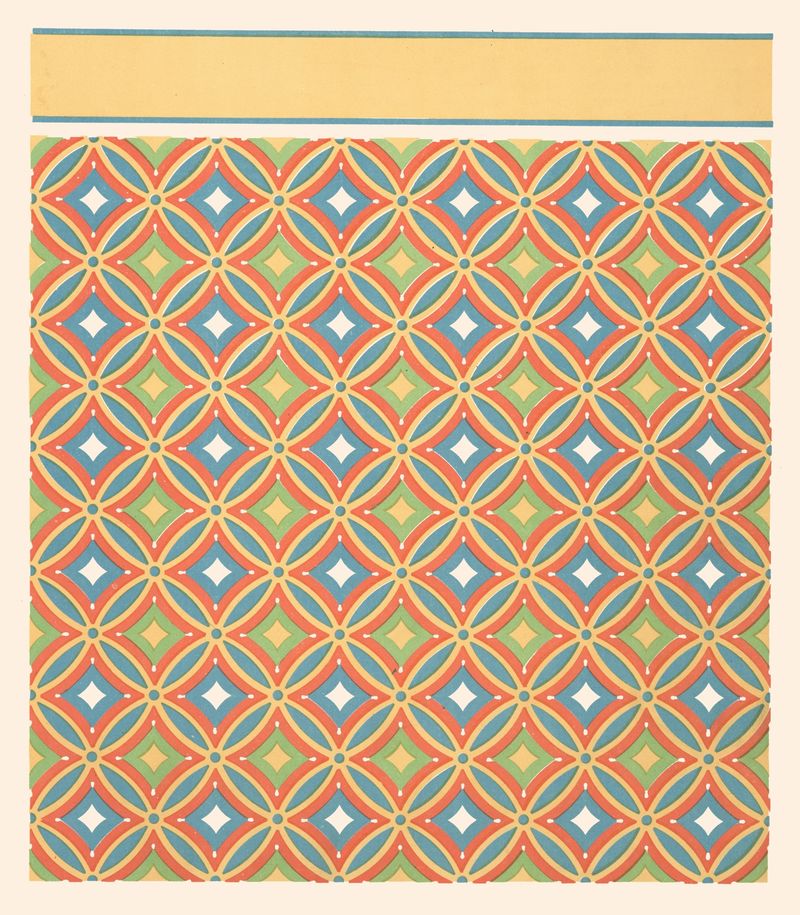
29. Plafond du Tombeau D’amenemhat (n° 82)
Gustave Jéquier
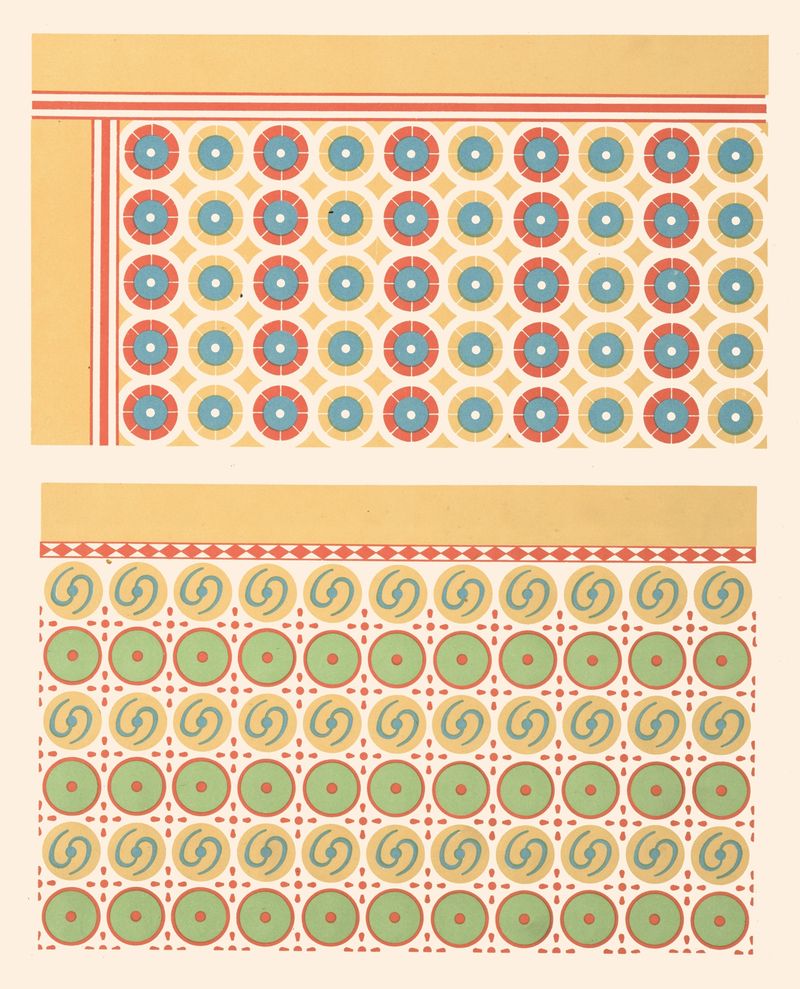
20. Plafond du Tombeau D’amenheb (n° 90), 21. Plafond du Tombeau de Menkheper (n° 79)
Gustave Jéquier
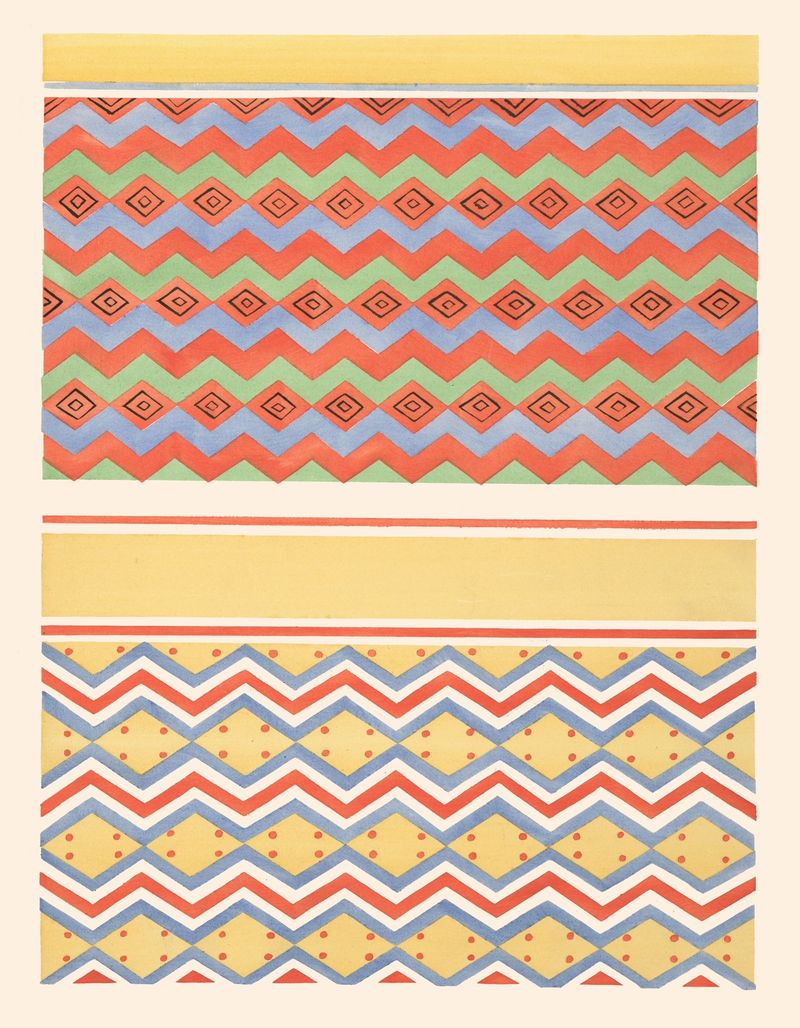
5. Plafond du Tombeau D’amounzeh (° 84), 6. Plafond du Tombeau D’amenemheb
Gustave Jéquier
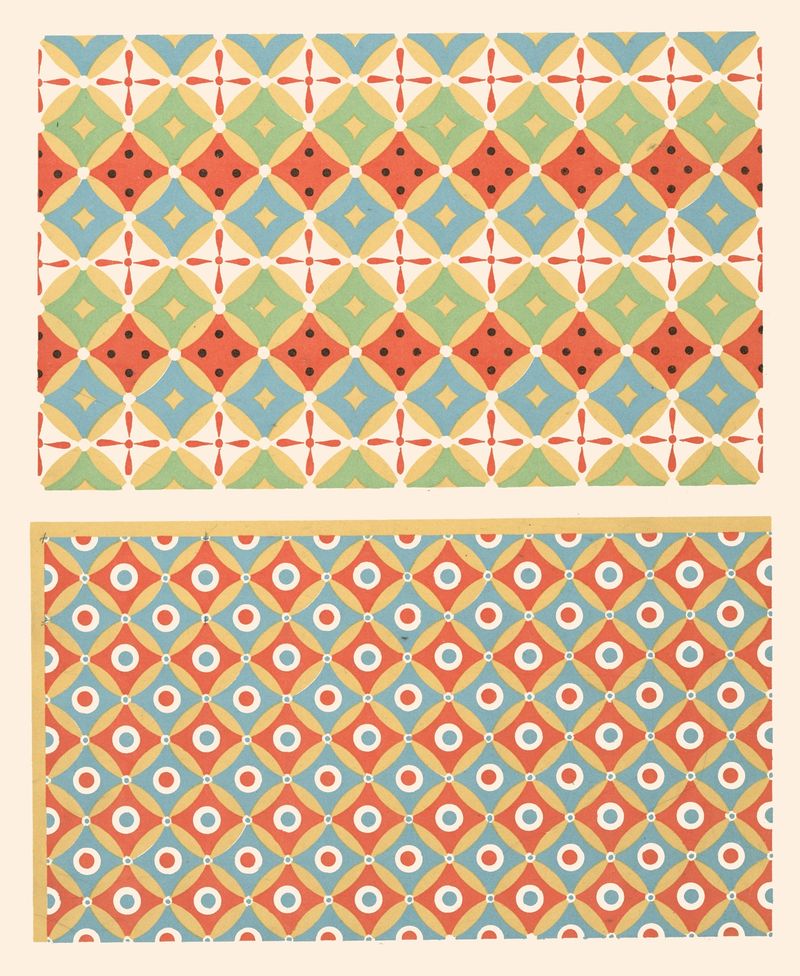
27. Plafond du Tombeau de Nekht-Mîn (n° 87), 28. Plafond du Tombeau n° 91 (Anonyme)
Gustave Jéquier
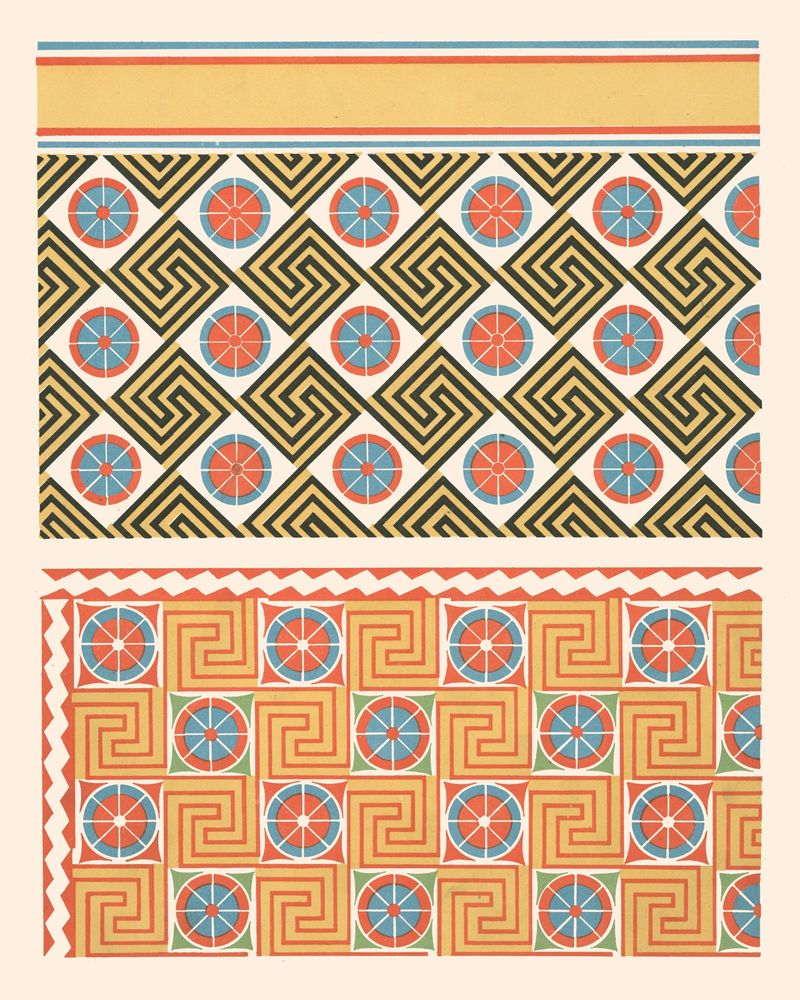
38. Plafond du Tombeau D’anna (n° 81), 39. Plafond du Tombeau de Senmout (n° 71)
Gustave Jéquier
34. Plafond du Tombeau de Senmout (n° 71)
Gustave Jéquier
51. Plafond du Tombeau de Nesi-pa-Noferher (n° 68)
Gustave Jéquier