
7 Peasants in a Tavern — History & Facts
The first thing to catch the eye in 7 Peasants in a Tavern is the lively tangle of gestures and glances around a battered wooden table, where the world of the Dutch countryside comes alive in a single, smoky room. A man in a red cap grins broadly, tankard raised, while his companions lean in, eyes bright with the thrill of the game. Cards lie scattered on the floor, hinting at the stakes and the rowdy abandon of the evening.
Light from an unseen source rakes across the scene, picking out the gleam of pewter, the rough weave of jackets, and the sly smiles exchanged between friends—or rivals. Every object has its place: a jug on the floor, a battered chair, and drying laundry above the stairs, all rooting the scene in daily life. Painted in 1665, this work belongs to the world of Adriaen van Ostade, a master of Dutch genre painting whose specialty was the bustling, rough-edged life of peasants and taverns. Scenes like this were prized by prosperous townsfolk, who hung them in parlors as both a celebration and a cautionary tale of rural pleasures.
The painting’s careful detail and warm, earthy palette speak to a time when the Dutch Republic was thriving, its cities growing, and its artists turning a sharp, affectionate eye on the lives of ordinary people. Now held in the Royal Collection, this painting invites us to step closer, to listen for laughter and clinking mugs, and to find the human stories in every corner of the tavern.
More Artworks by Adriaen van Ostade

Dans in de herberg
Adriaen van Ostade
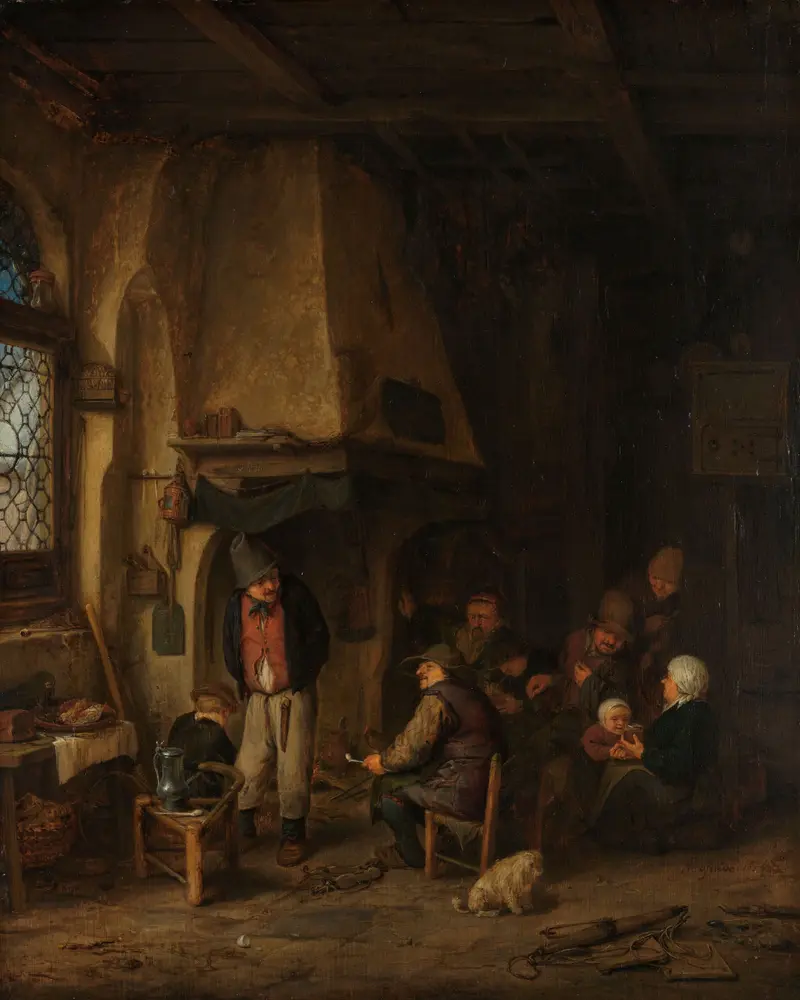
‘The Skaters’: Peasants in an Interior
Adriaen van Ostade
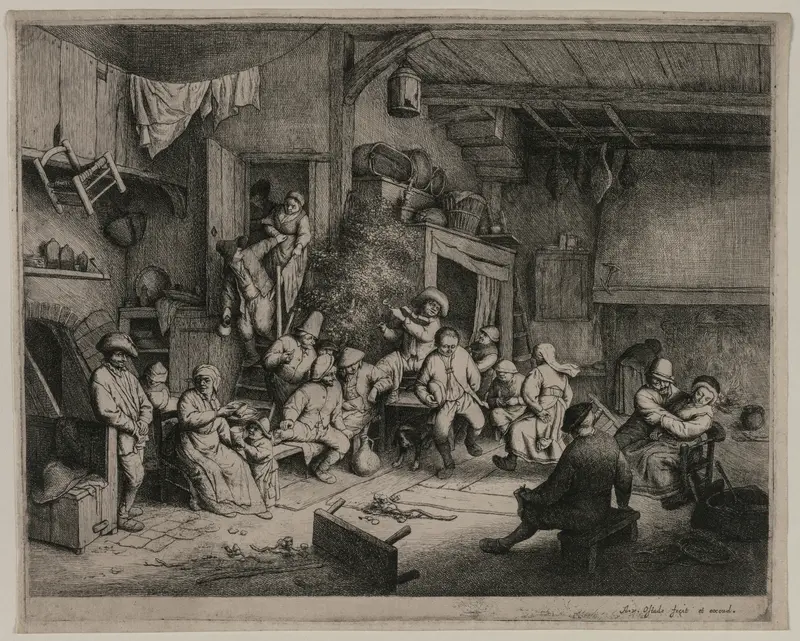
Dance at the Inn
Adriaen van Ostade
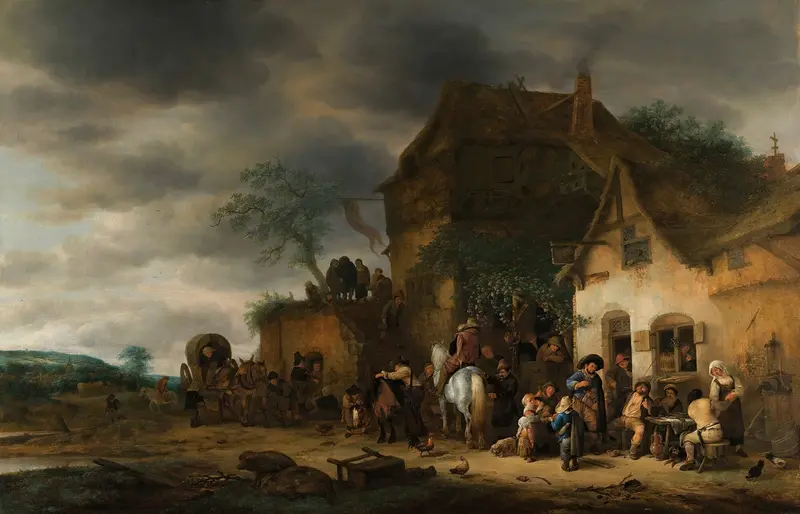
Travellers Halted At A Country Inn
Adriaen van Ostade
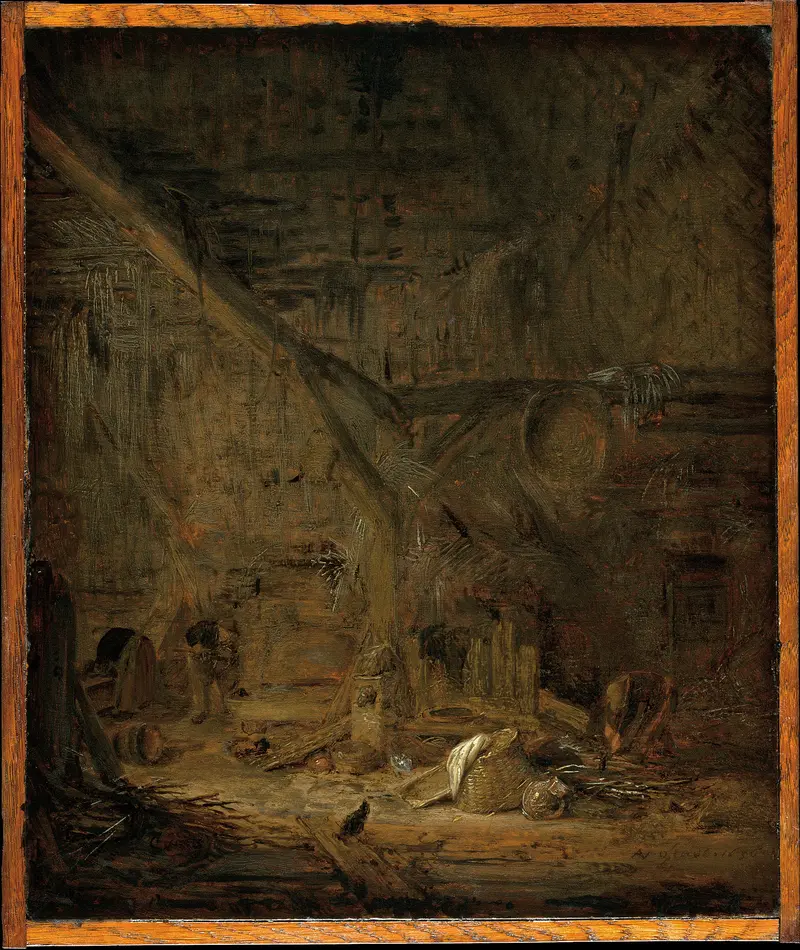
Interior of a Barn
Adriaen van Ostade
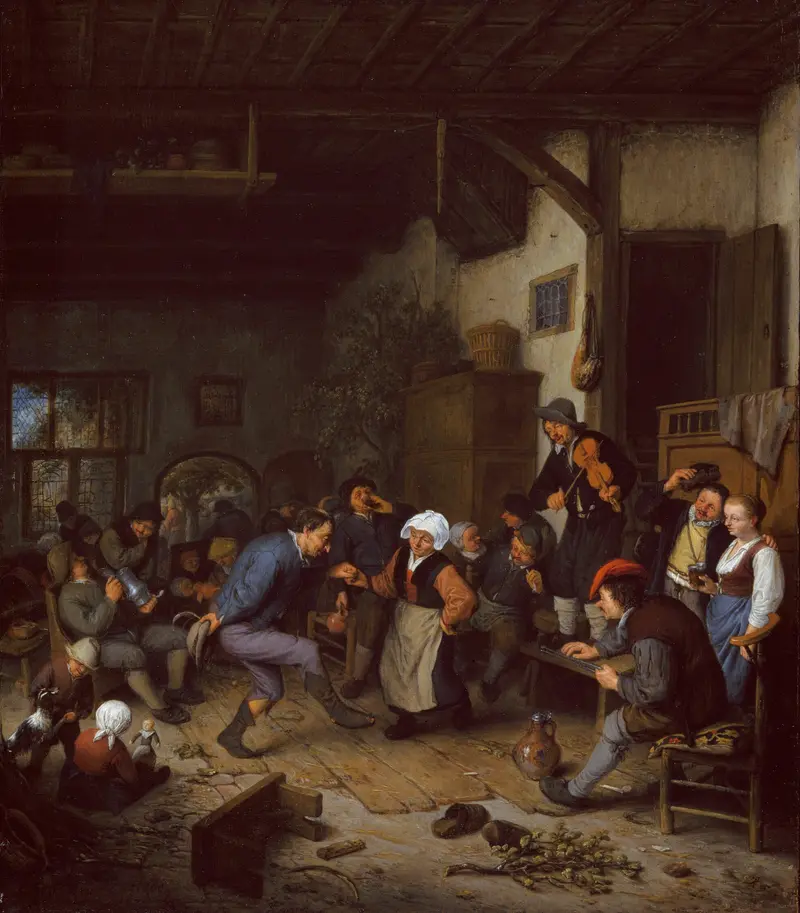
Merrymakers in an Inn
Adriaen van Ostade
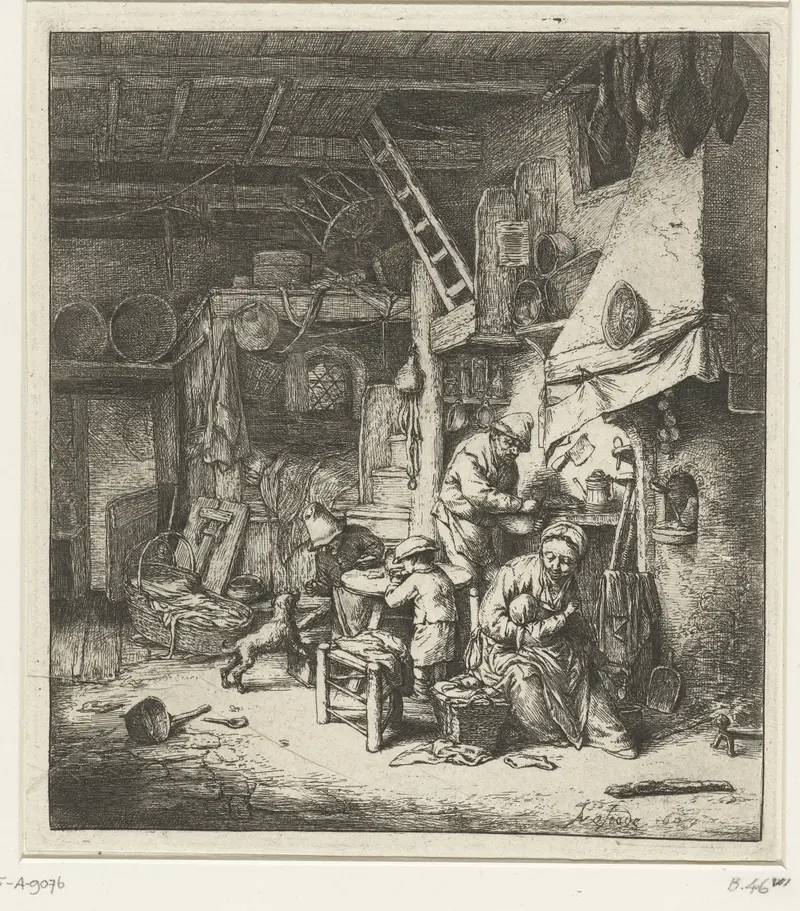
Boerengezin in interieur
Adriaen van Ostade
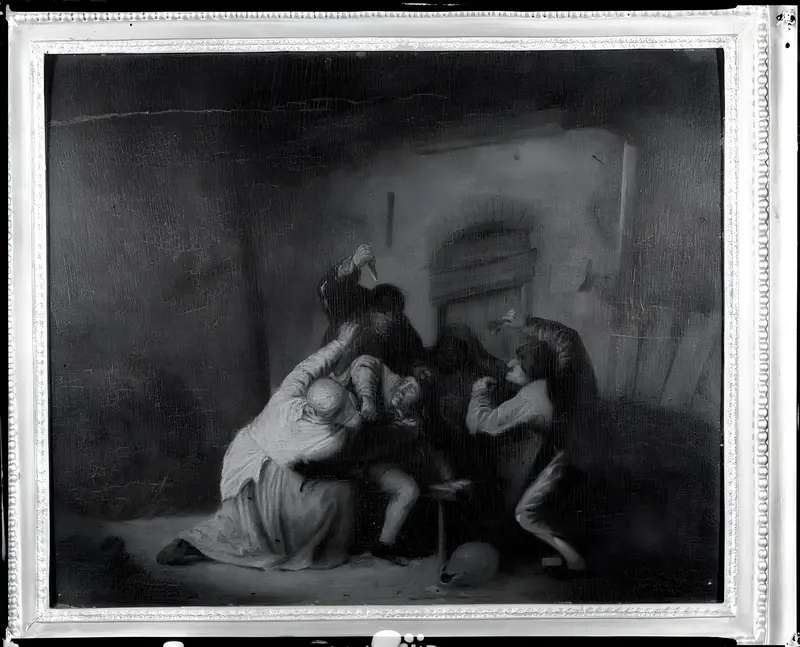
Peasants Brawling in a Tavern
Adriaen van Ostade
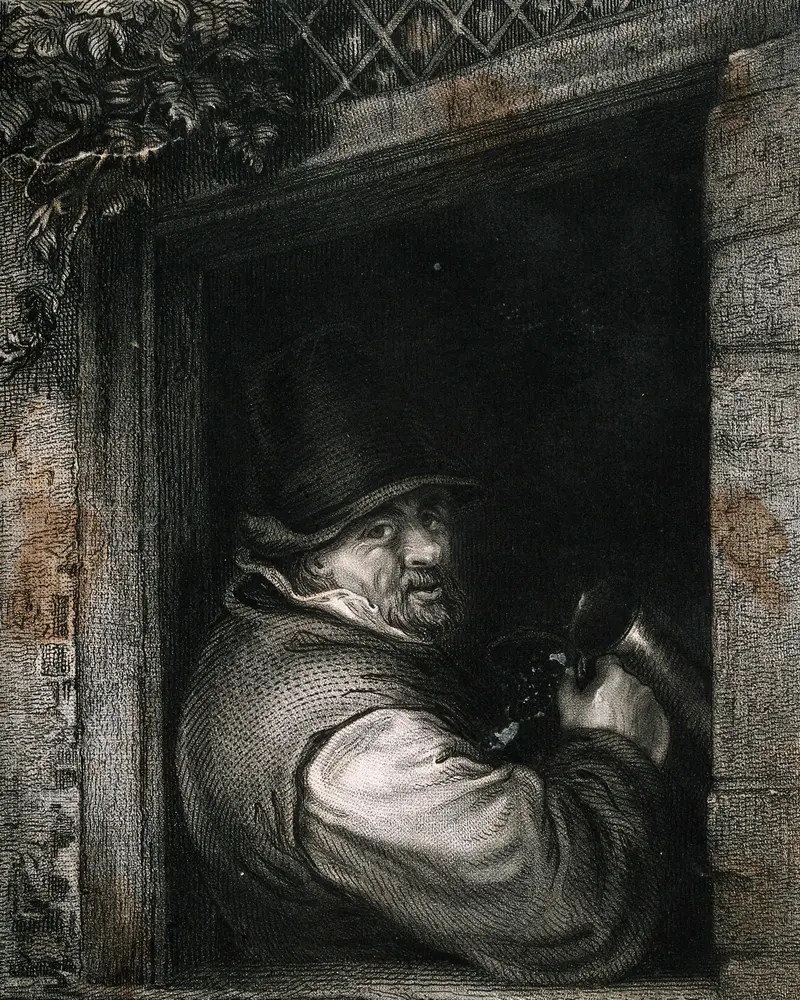
Man with a Tankard at a Window
Adriaen van Ostade
Dans in de herberg
Adriaen van Ostade
More Genre Scene Art

Banquet of the Officers of the St George Civic Guard
Frans Hals

Rembrandt and Saskia in the Scene of the Prodigal Son
Rembrandt van Rijn

Bal du moulin de la Galette
Pierre-Auguste Renoir

Quadrille at the Moulin Rouge
Henri de Toulouse-Lautrec

A Burial at Ornans
Gustave Courbet

When Will You Marry?
Paul Gauguin