A Border Tower — History & Analysis
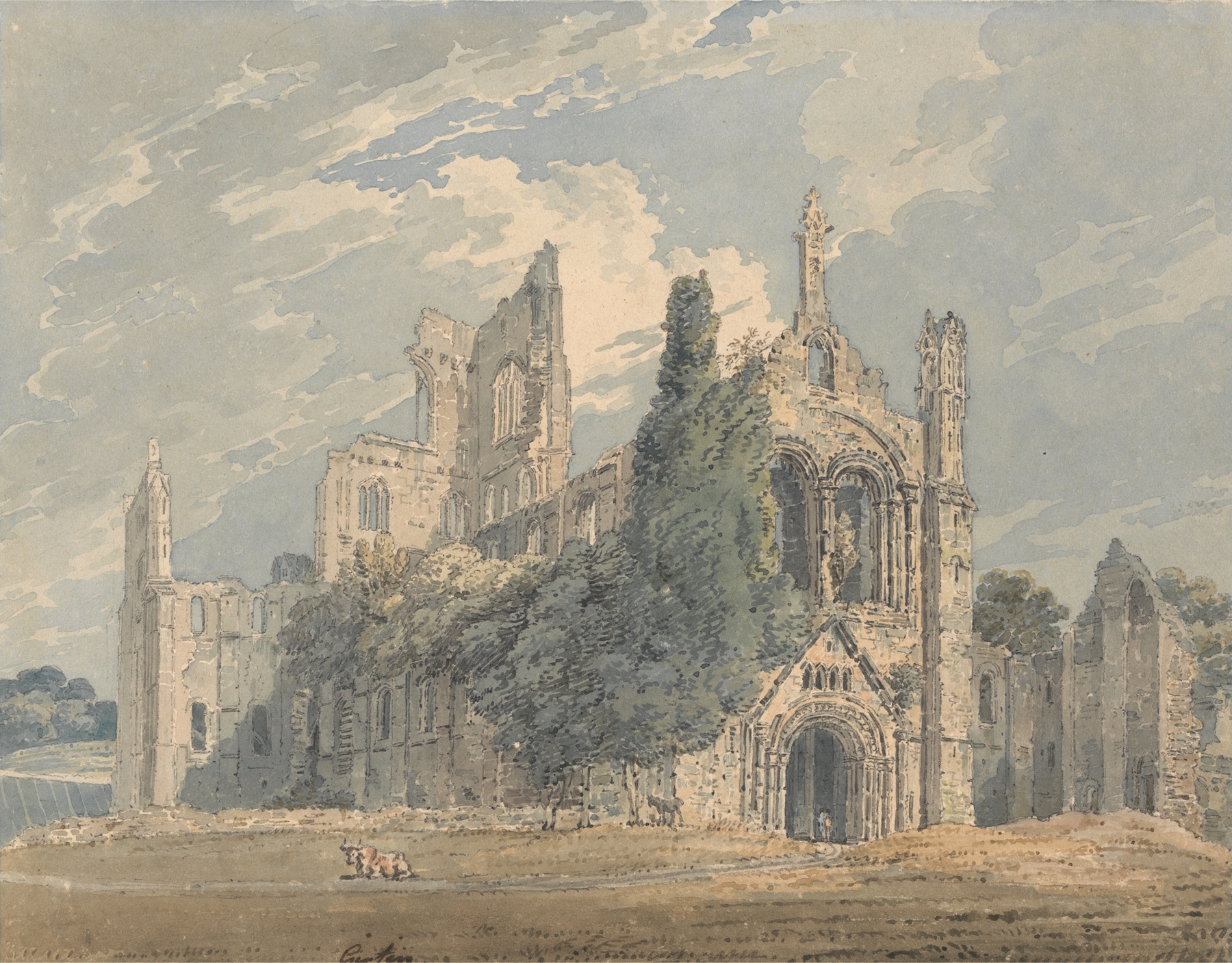
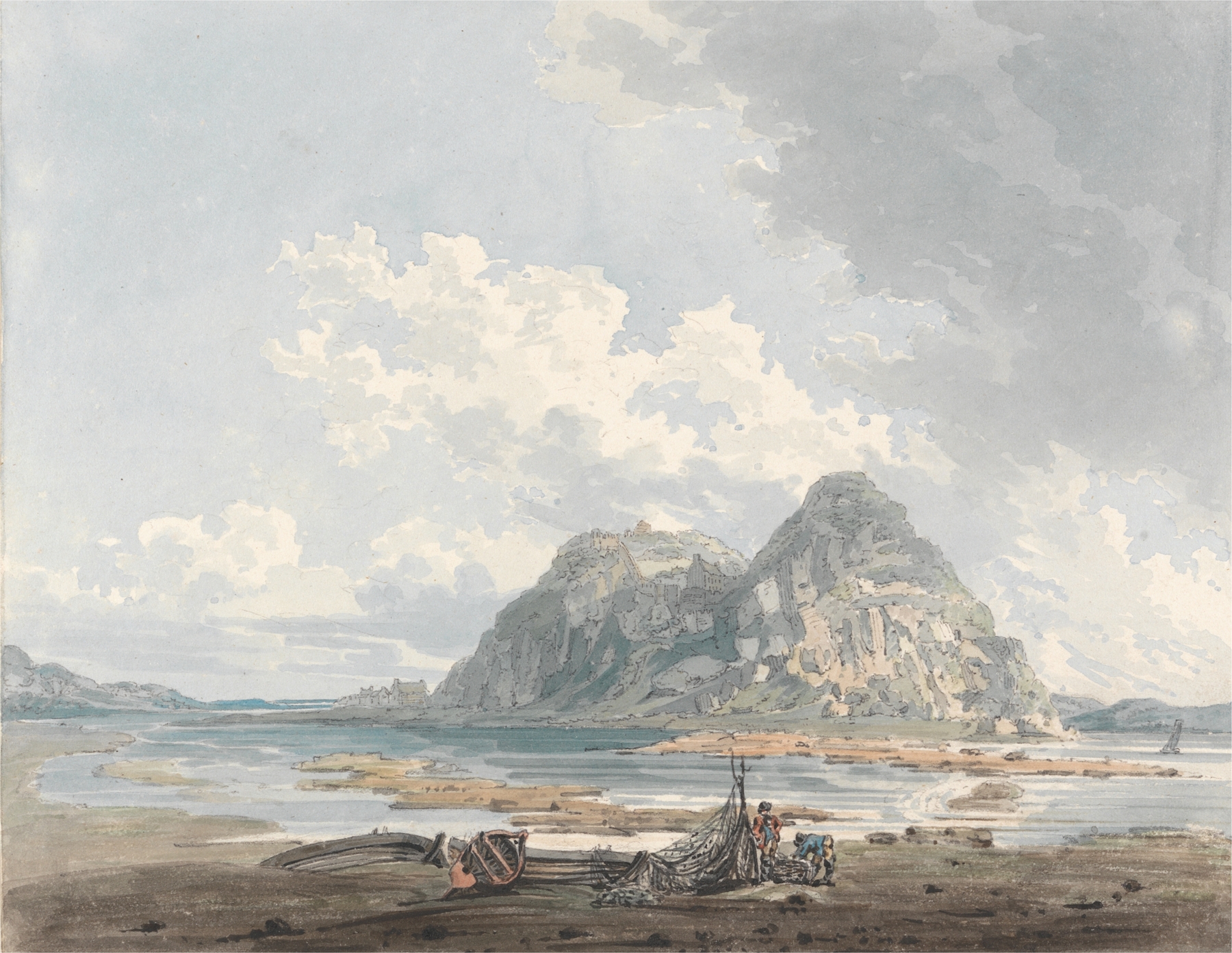
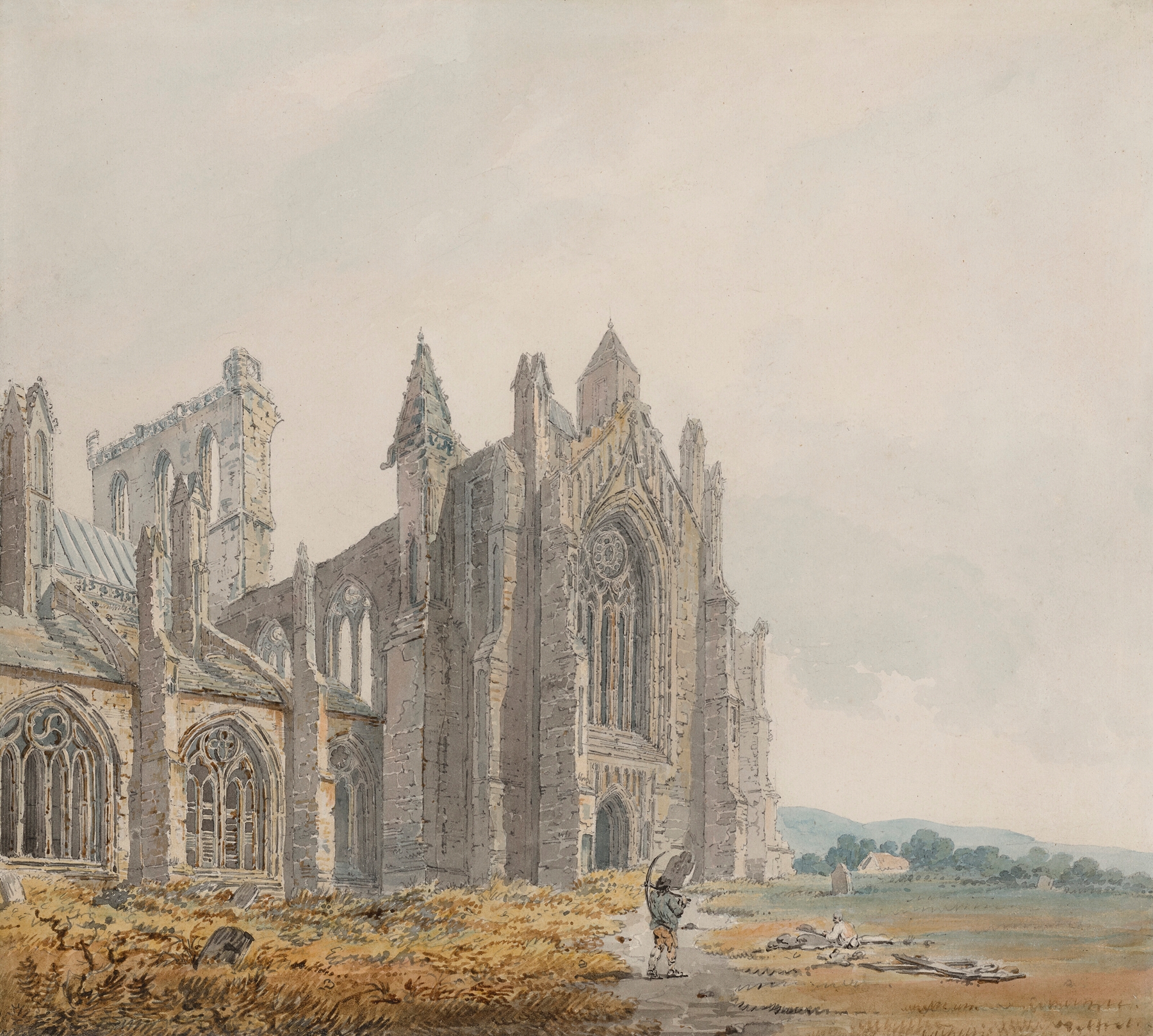
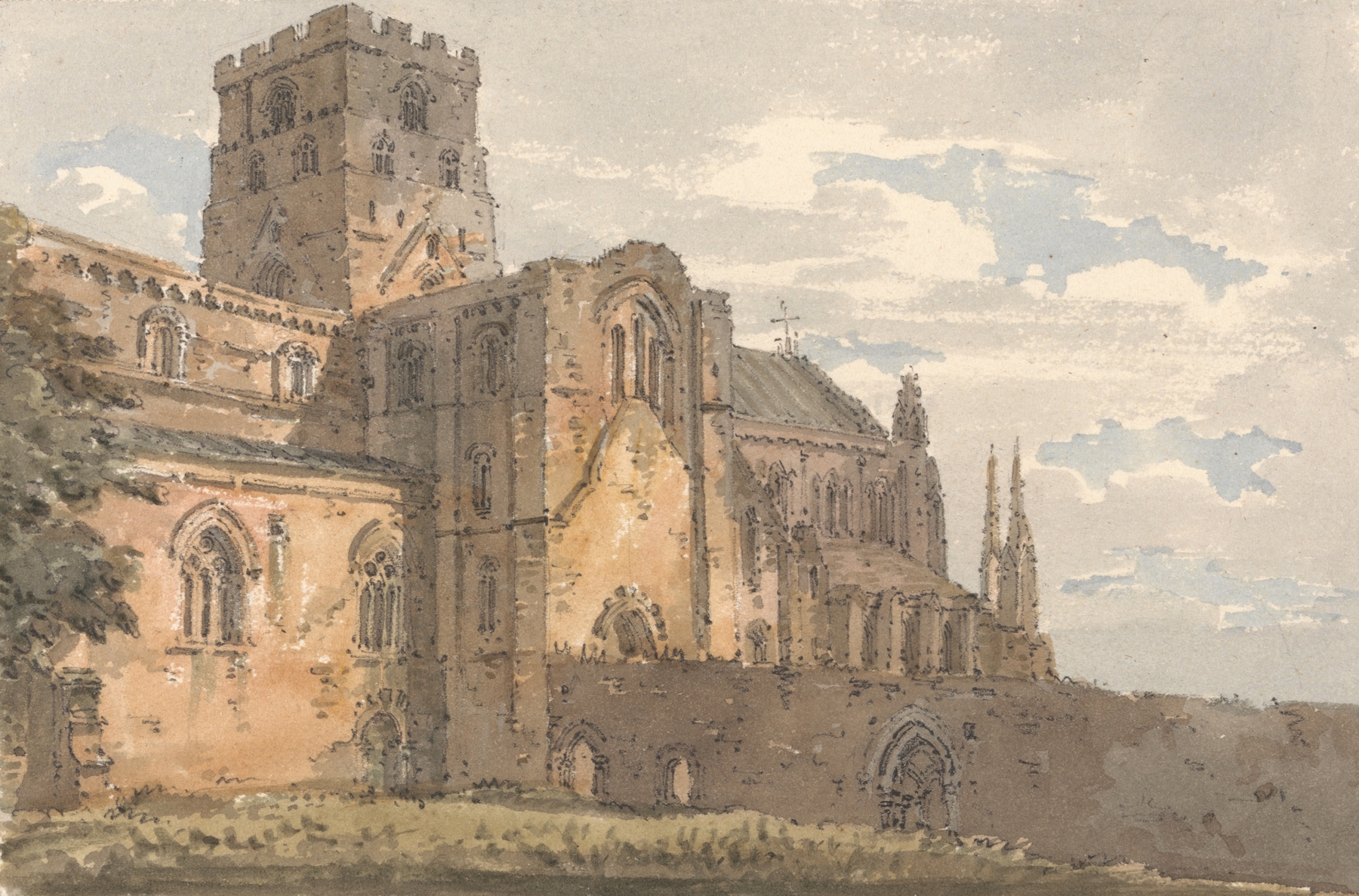
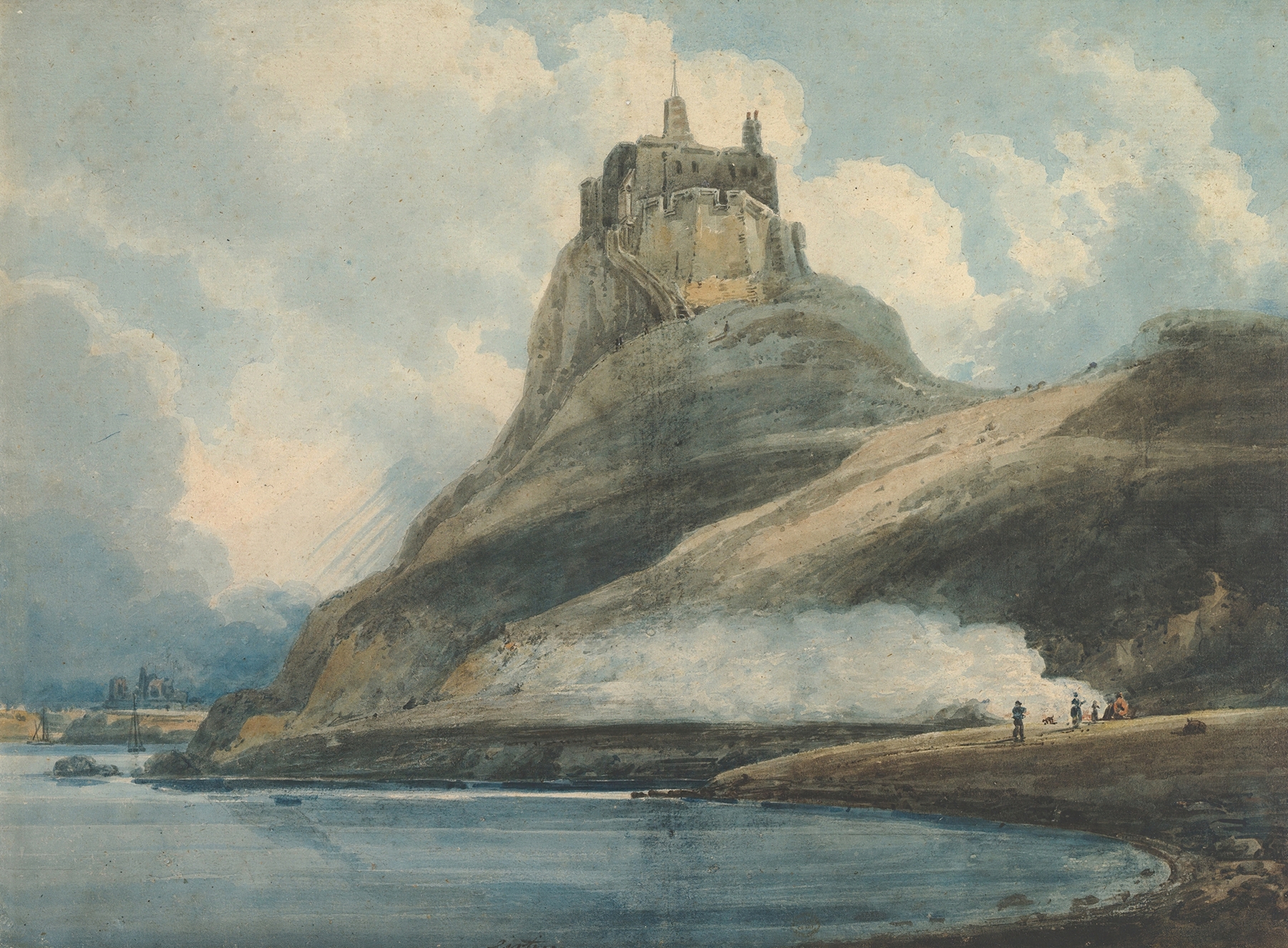
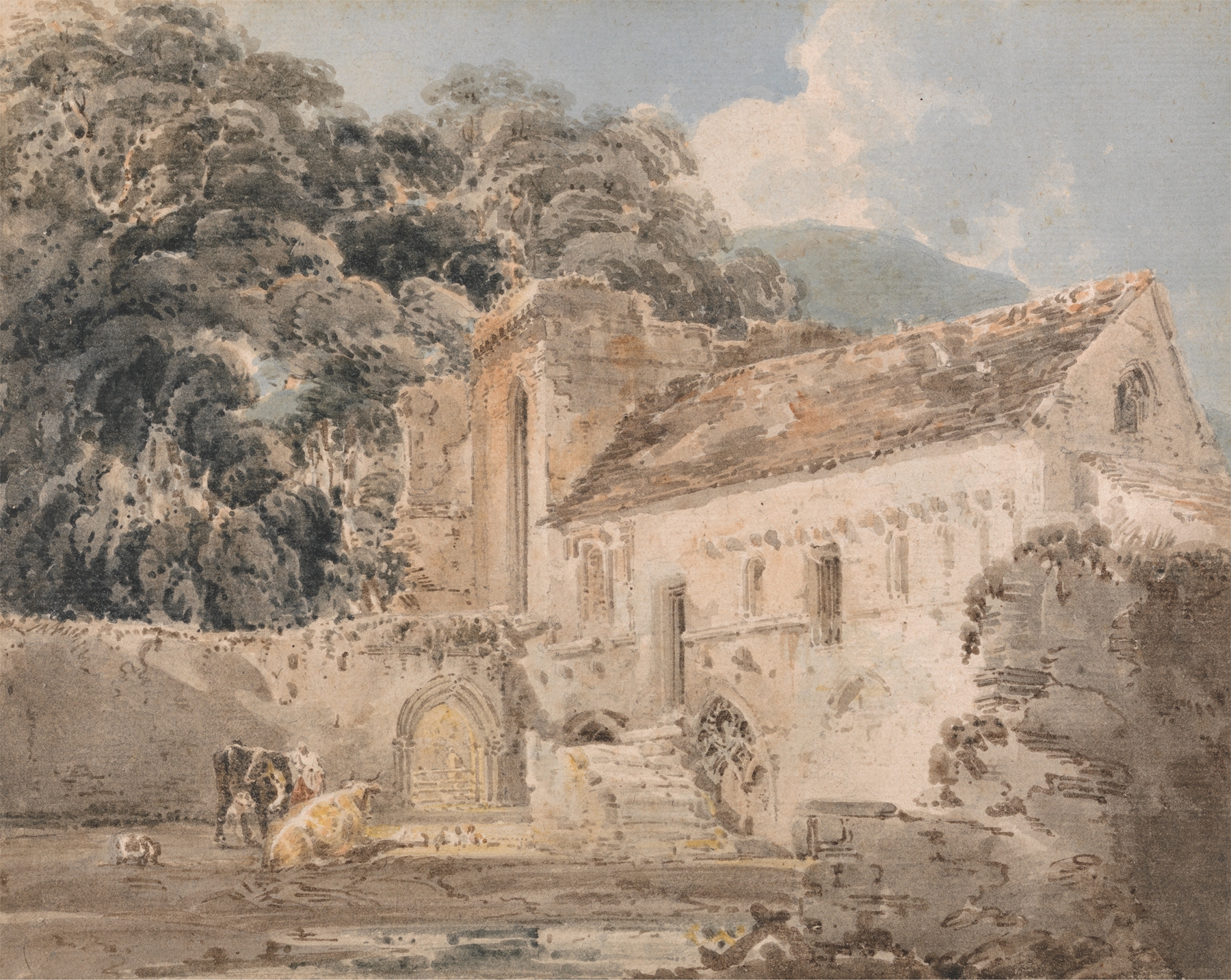
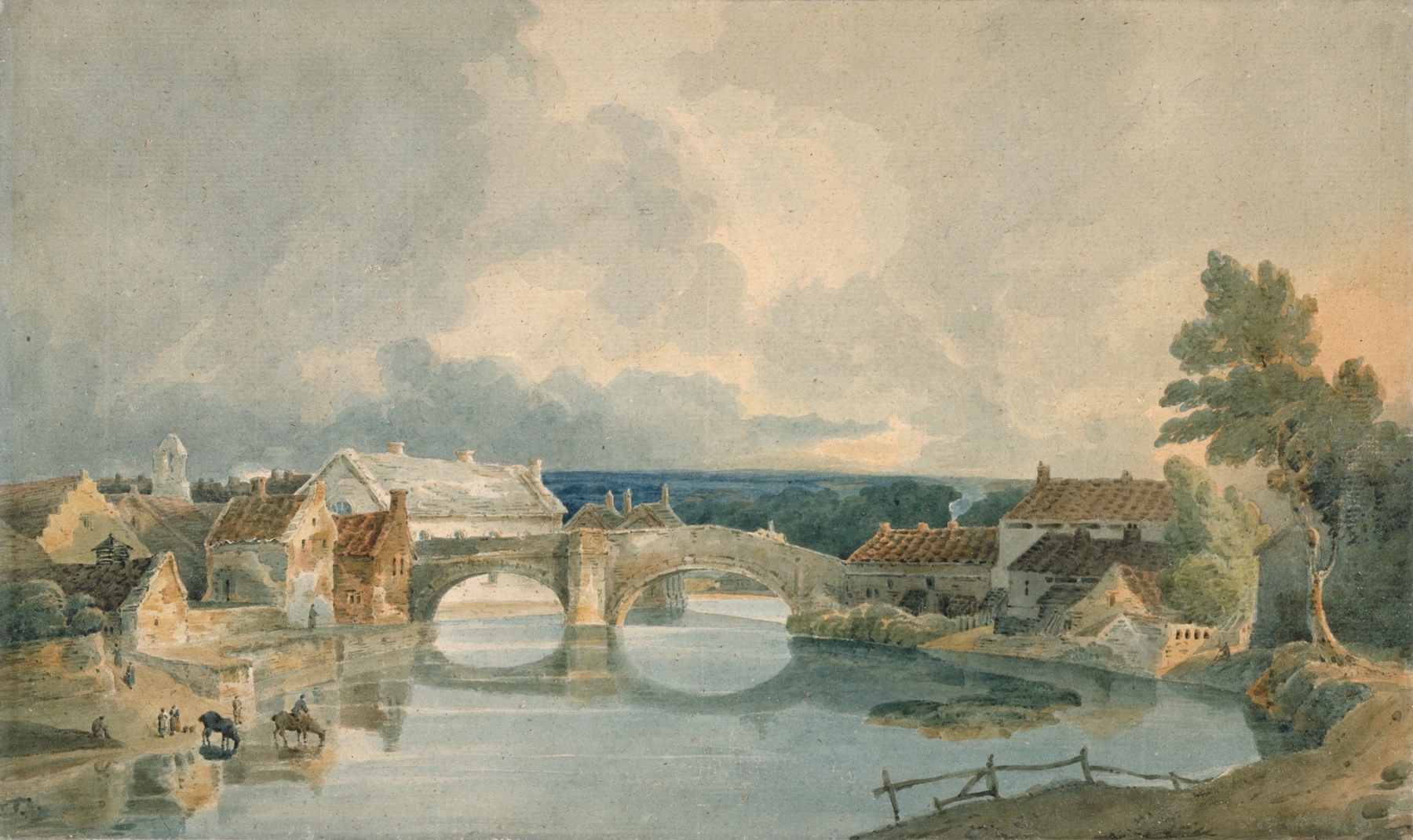
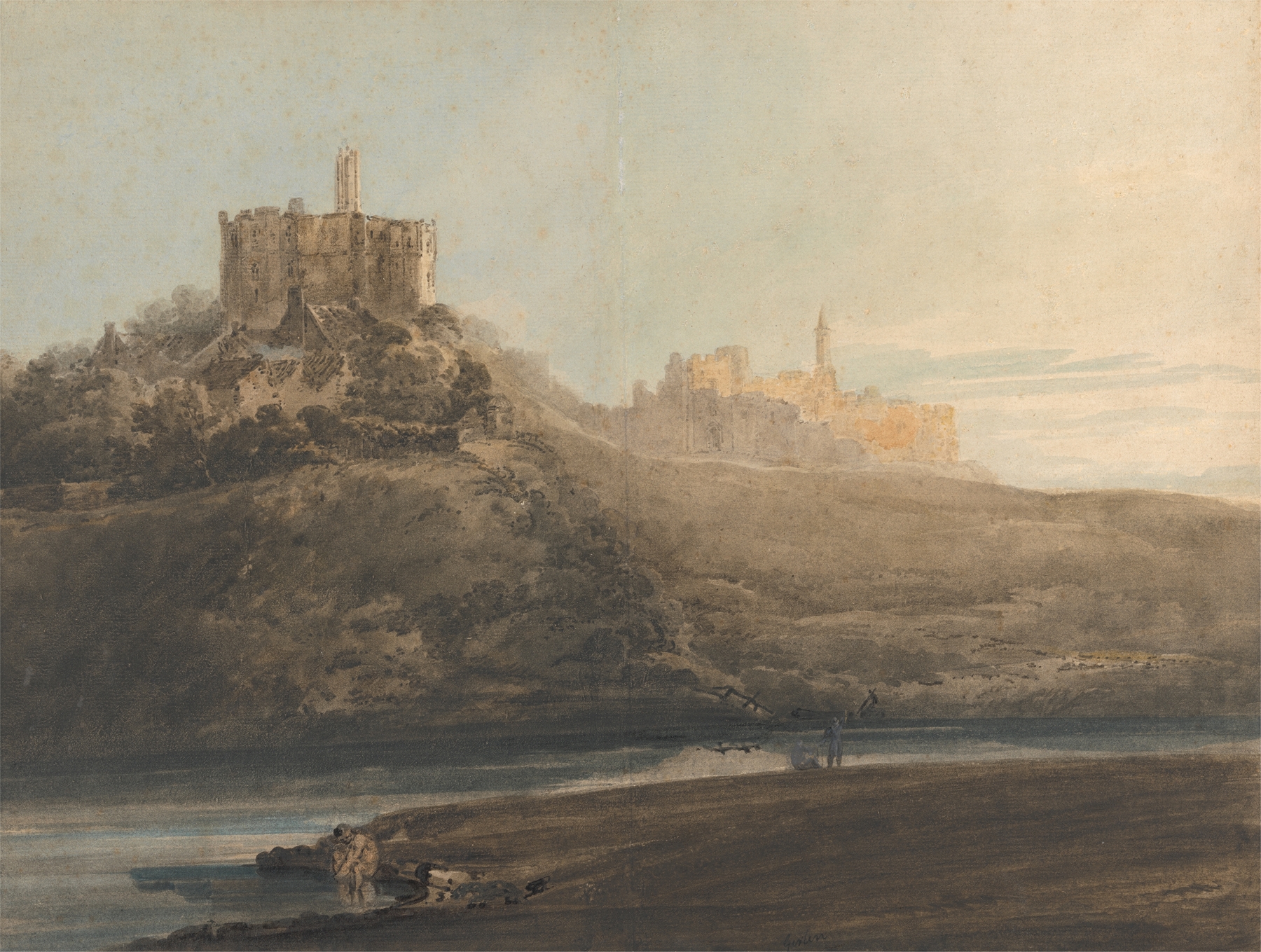
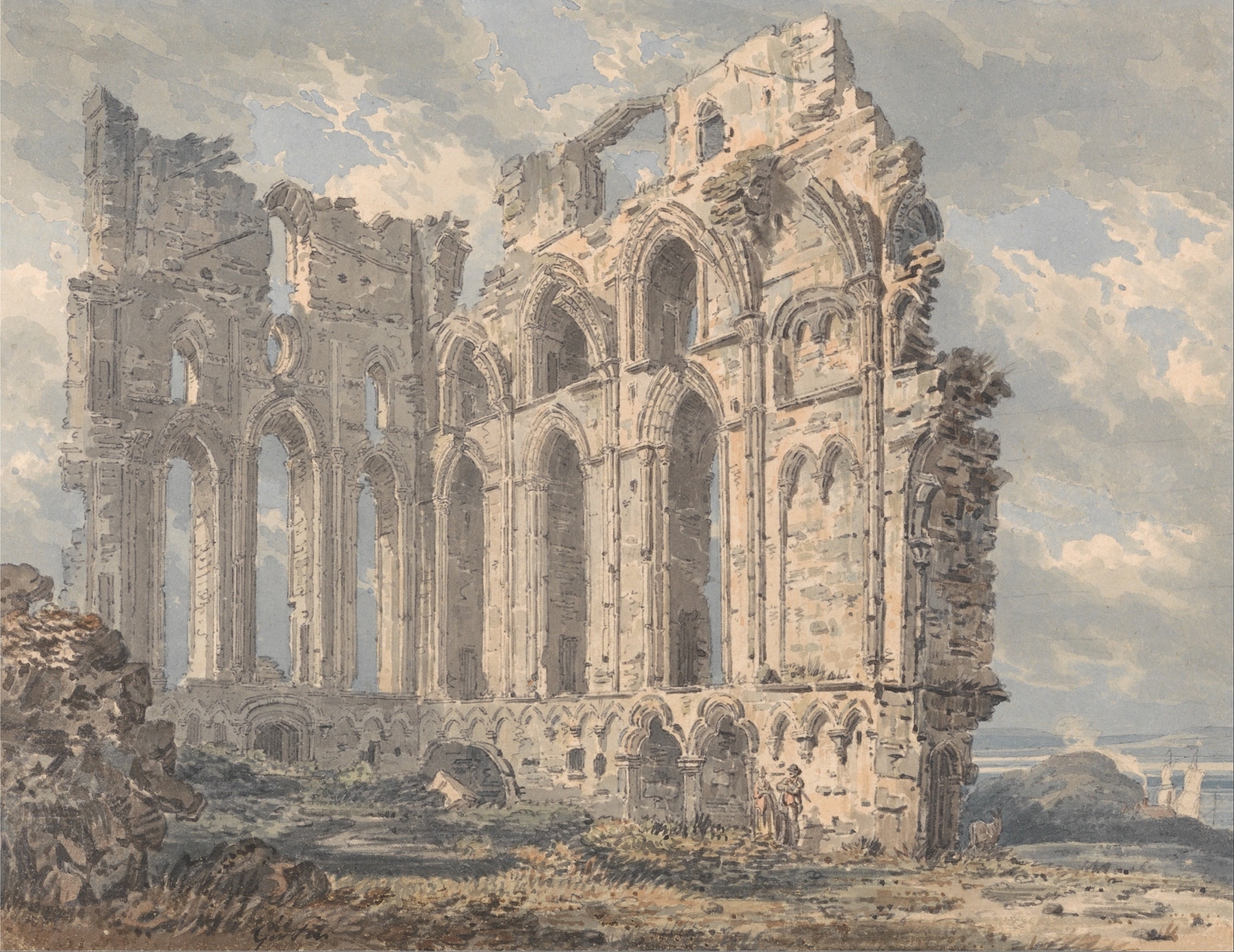
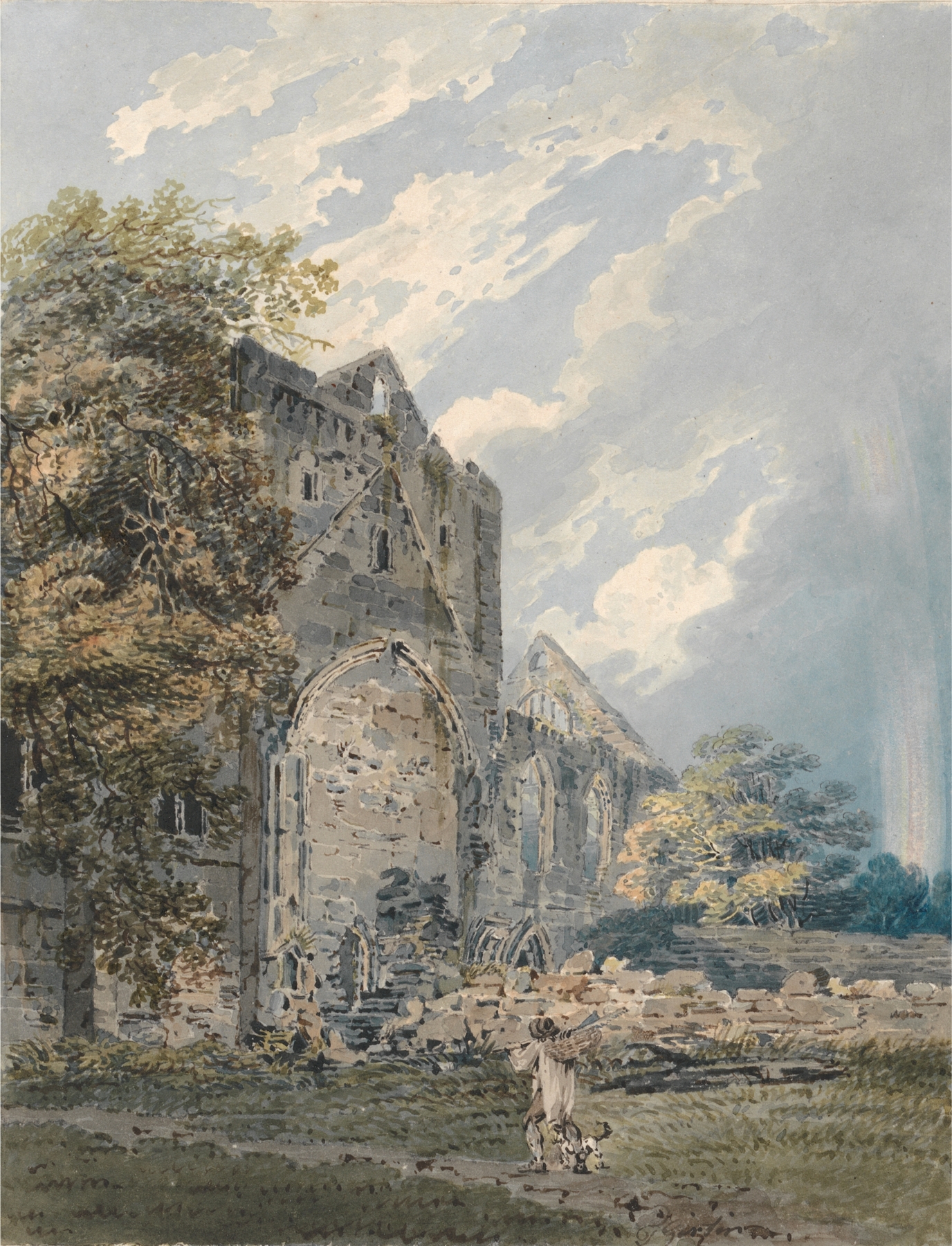
“Under the brush, chaos becomes grace.” In the hands of an artist, the tumult of nature transforms into a profound truth, revealing the essence of our existence. Look to the foreground where a partial structure rises, surrounded by a muted landscape that breathes with the serenity of twilight. The soft blues and greys create a calm atmosphere, while wisps of clouds dance above, hinting at a hidden drama in the sky. The subtle interplay of light and shadow bestows a delicate balance, inviting viewers to contemplate the relationship between manmade and natural worlds.
Amid the calmness, there is a tension between the sturdy tower and the swirling clouds, suggesting the persistence of human endeavor against the forces of nature. The craggy texture of the tower contrasts with the ethereal quality of the sky, embodying a struggle for permanence in an impermanent world. Each brushstroke captures the delicate dance of reality and illusion, revealing deeper layers of perception—an invitation to find solace amidst chaos.
During a period often marked by uncertainty, the artist crafted this piece in the early 19th century, a time when new artistic movements began to flourish. Living in London amid the rise of Romanticism, he sought to capture the sublime beauty of landscapes, experimenting with watercolors to convey both emotion and truth. Though the exact year remains uncertain, his exploration of light and atmosphere paved the way for future generations, revealing a profound connection to the world around us.