A Chelsea Shop — History & Facts
A single window glows with the promise of stories, its panes clouded but alive with the suggestion of goods and lives within. The eye is drawn first to the two small figures outside, one in a white bonnet, the other in a dark dress with a pale sash, their forms blurred but unmistakably curious. The shopfront is rendered in quick, broad strokes—James McNeill Whistler lets the ochre wall and deep shadows set the mood, refusing to pin down every detail.
Instead, the painting invites you to linger in uncertainty: is this dusk, or a rainy afternoon? The open doorway on the right frames a woman, her gesture ambiguous—perhaps beckoning, perhaps simply pausing, caught between the world of commerce and the hush of home. Painted between 1888 and 1895, A Chelsea Shop belongs to a period when urban life was changing rapidly, and artists like Whistler found poetry in the overlooked corners of the city. The late nineteenth century saw shopfronts become both literal and symbolic thresholds—places where classes mingled, and where the rhythms of daily life played out in public view. Works like this were rarely grand commissions; instead, they were intimate studies, perhaps destined for a private collector or a sympathetic friend.
The painting now resides in the Terra Foundation’s collection, a quiet witness to a vanished London, its mysteries undiminished. Look again at the window: what stories linger in its shadows?
More Artworks by James McNeill Whistler
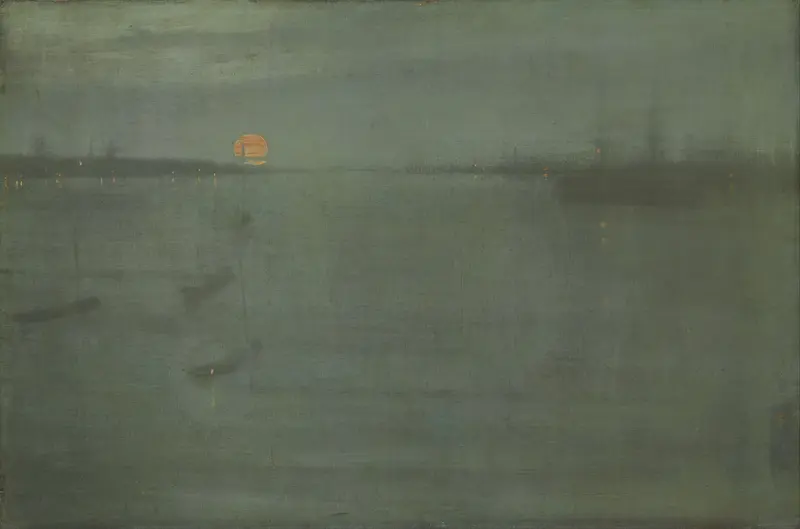
Nocturne: Blue and Gold—Southampton Water
James McNeill Whistler
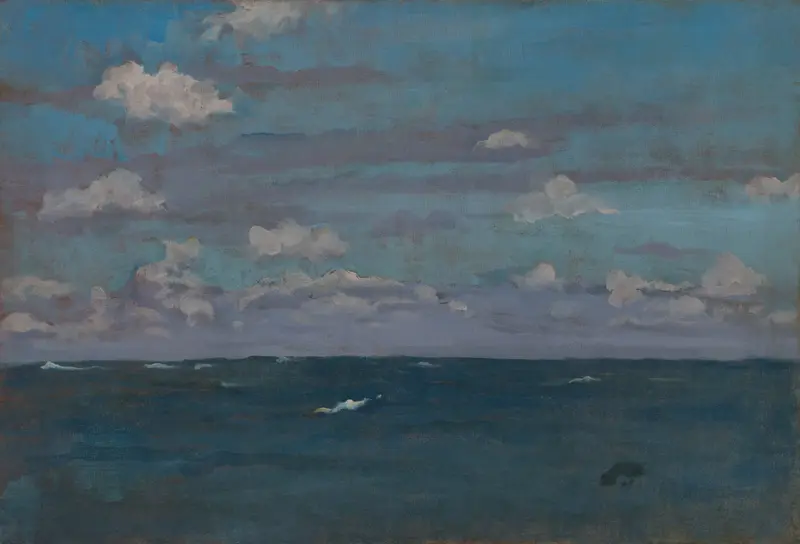
Violet and Silver—The Deep Sea
James McNeill Whistler
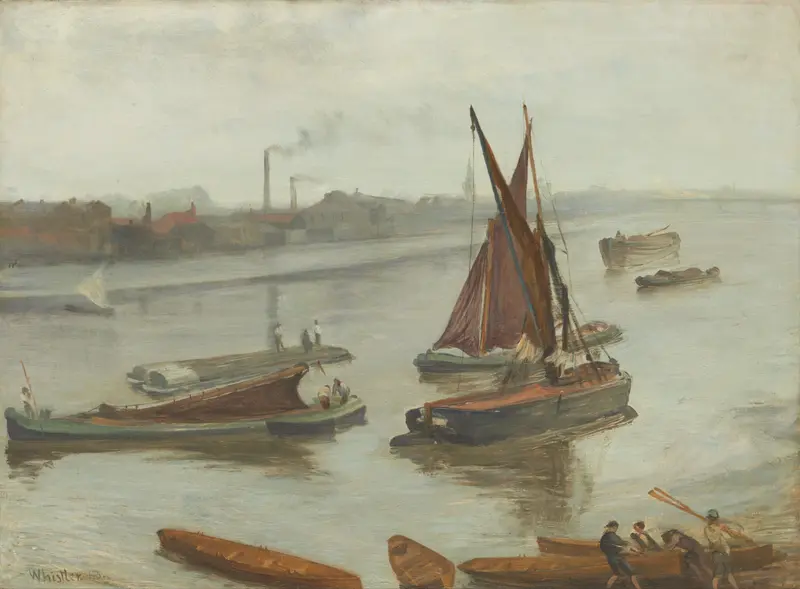
Grey and Silver: Old Battersea Reach
James McNeill Whistler
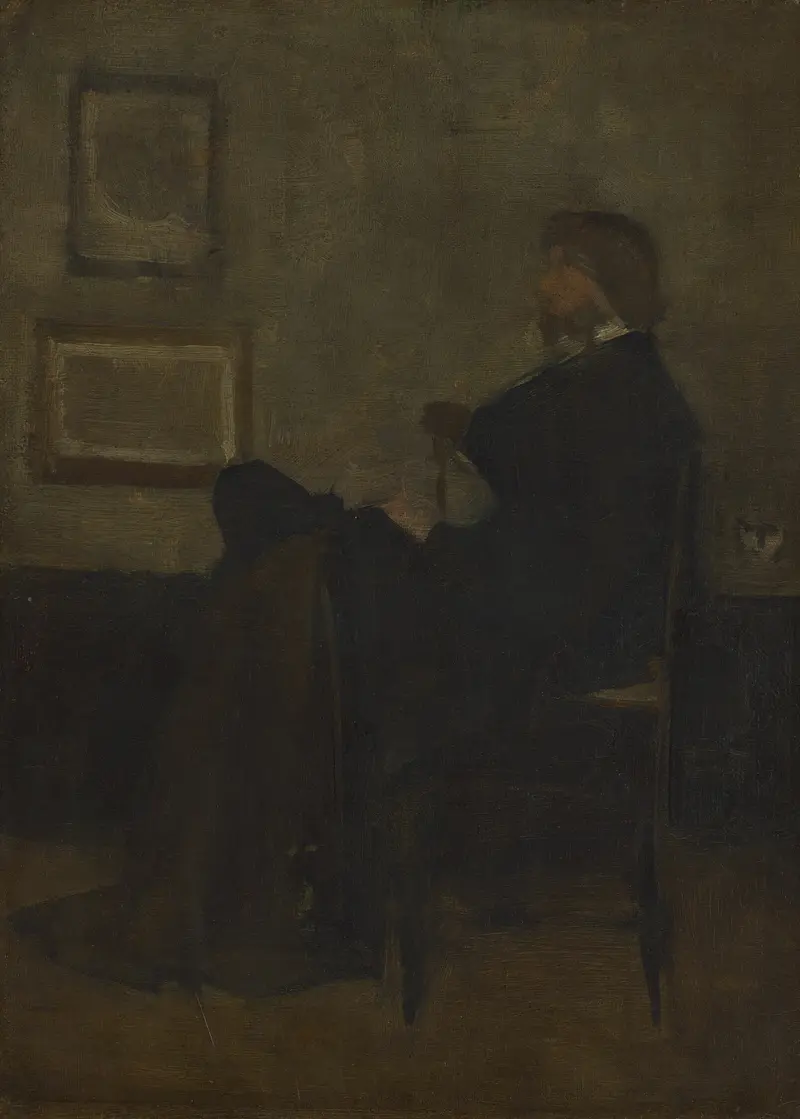
Study for "Arrangement in Grey and Black, No. 2: Portrait of Thomas Carlyle"
James McNeill Whistler
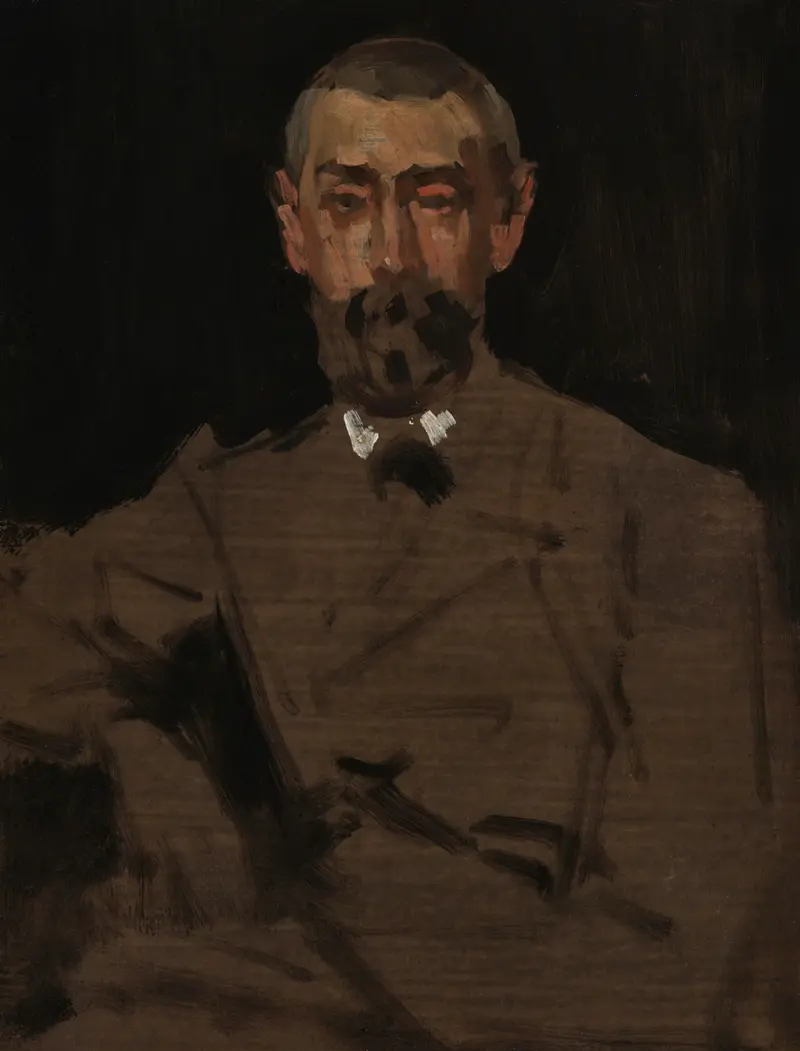
Portrait of M. R. Elden
James McNeill Whistler
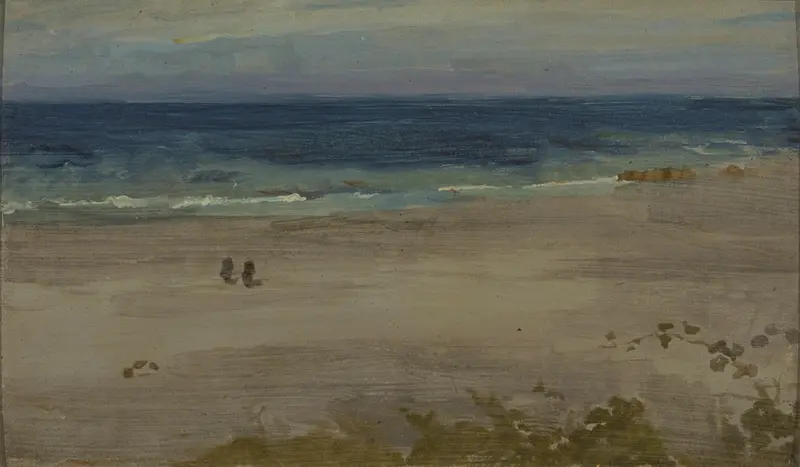
The Blue Sea
James McNeill Whistler
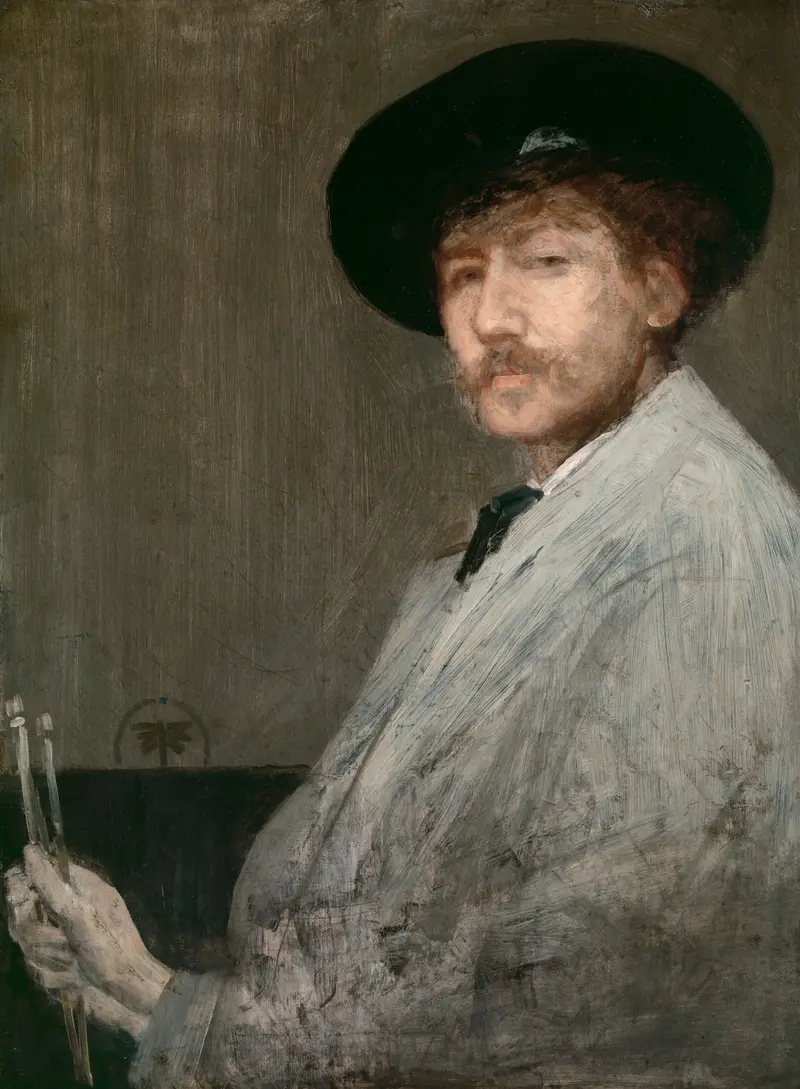
Arrangement in Gray: Portrait of the Painter
James McNeill Whistler
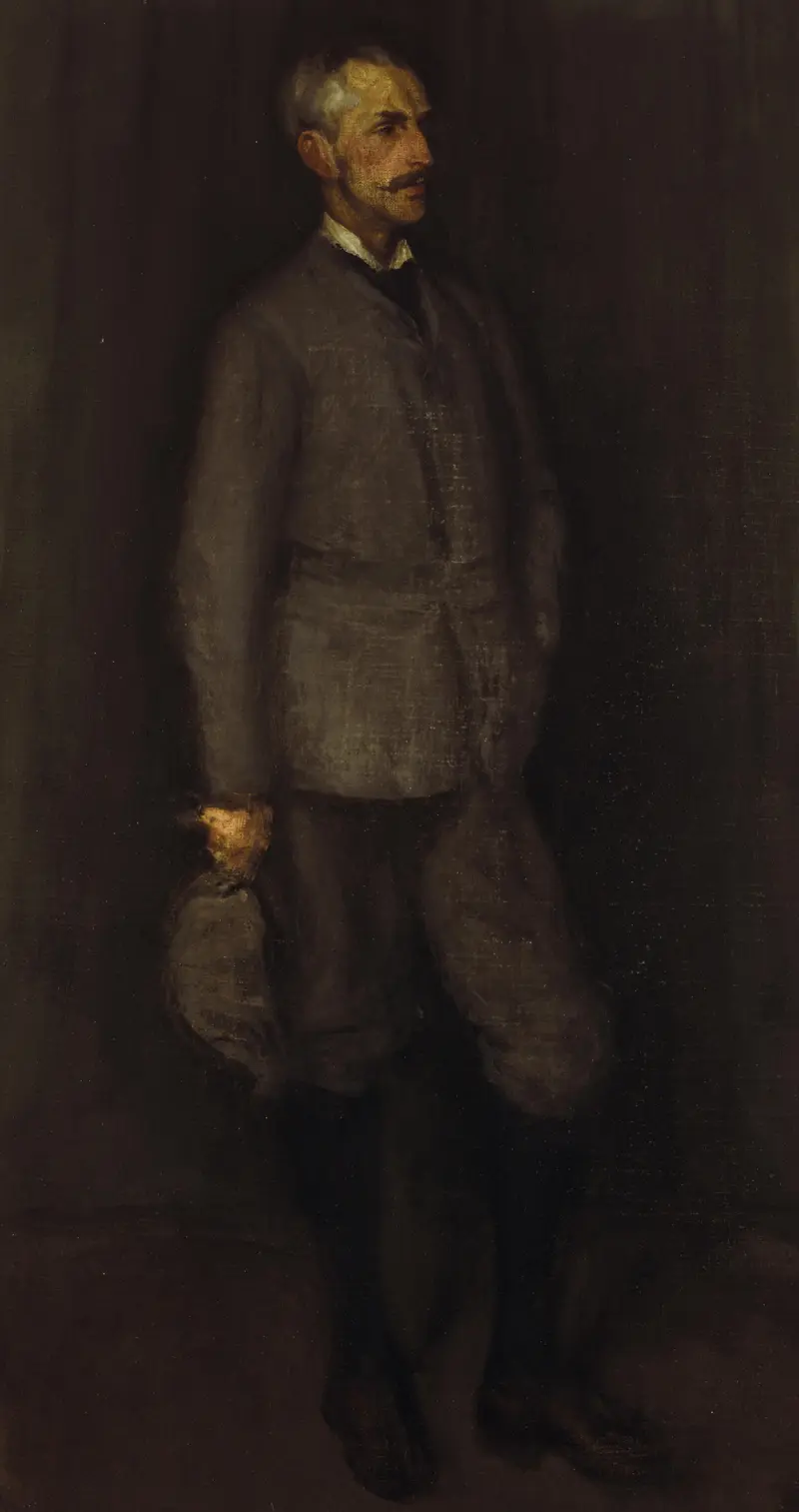
Arrangement in Grey and Green. Portrait of John James Cowan
James McNeill Whistler
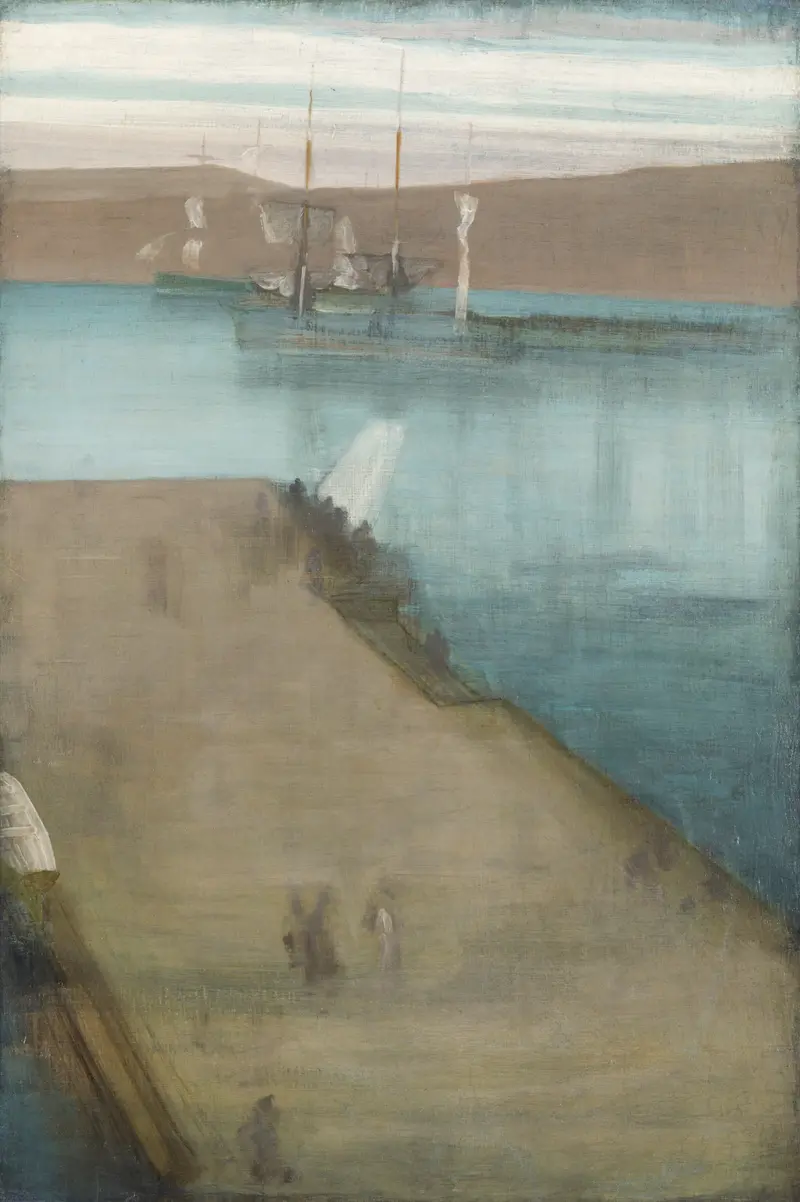
Valparaiso Harbor
James McNeill Whistler
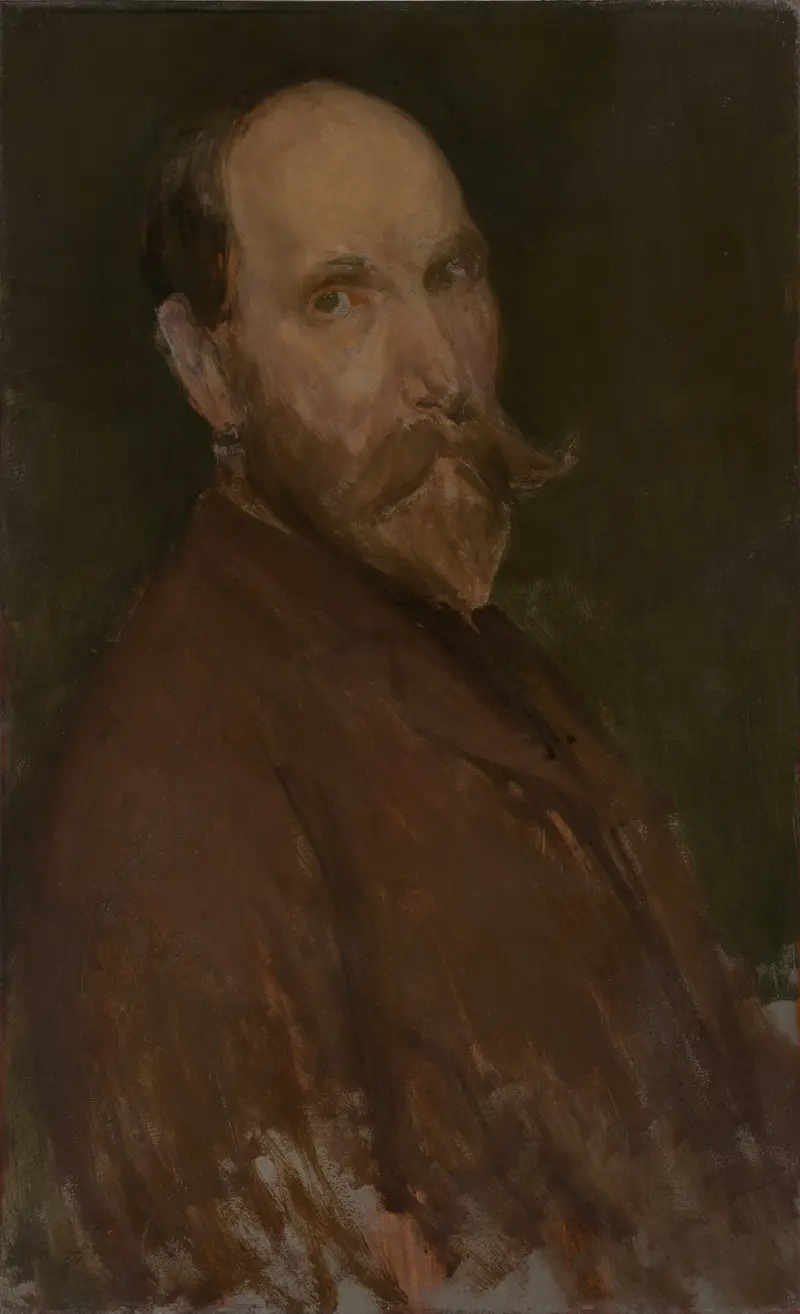
Charles Lang Freer
James McNeill Whistler