
A Chief Merchant of the VOC with his Wife and an Enslaved Servant — History & Facts
What first draws the eye in A Chief Merchant of the VOC with his Wife and an Enslaved Servant is the golden parasol, suspended above the couple like a badge of office, casting a dappled shadow that sets them apart from the world around them. The merchant’s dark, sober attire and his wife’s composed presence anchor the left side of the painting, their hands linked in a gesture that is both formal and possessive. Behind them, an enslaved servant—his posture attentive, his expression unreadable—holds the parasol, his presence a silent testament to the hierarchies of colonial Batavia.
The lush overhanging branches, heavy with fruit, frame the trio, while the merchant’s baton points forward, drawing the viewer’s gaze to the distant fleet: Dutch ships clustered in the harbor, their flags bright against the pale sky. The low horizon gives the sky and ships equal weight, making the distant world of commerce and conquest feel as immediate as the figures in the foreground. Painted between 1640 and 1660, this work stands at the intersection of Dutch portraiture and the visual language of empire. Such paintings were often commissioned by VOC officials to assert their authority and commemorate their place within the machinery of global trade.
The setting—Batavia, the VOC’s Asian stronghold—signals both wealth and distance from home, while the inclusion of the enslaved servant is a stark reminder of the human cost behind the Dutch Republic’s prosperity. Today, the painting resides in the Rijksmuseum collection, where its quiet details and uneasy grandeur invite viewers to look again, not just at the faces, but at the world they inhabited and helped to shape.
More Artworks by Aelbert Cuyp

The Maas at Dordrecht
Aelbert Cuyp
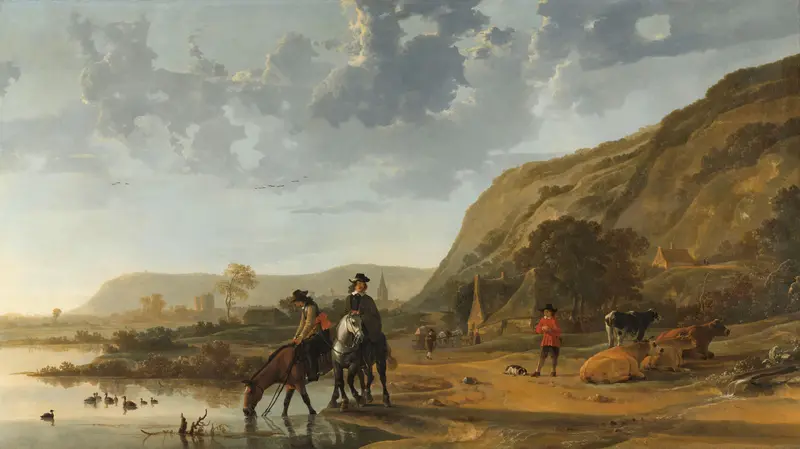
River Landscape with Riders
Aelbert Cuyp

The Maas at Dordrecht
Aelbert Cuyp
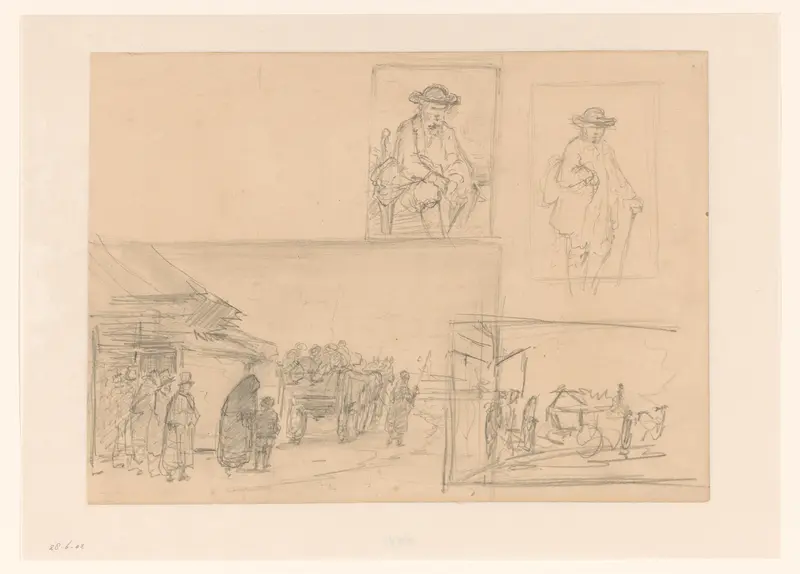
Gezicht op Dordrecht
Aelbert Cuyp
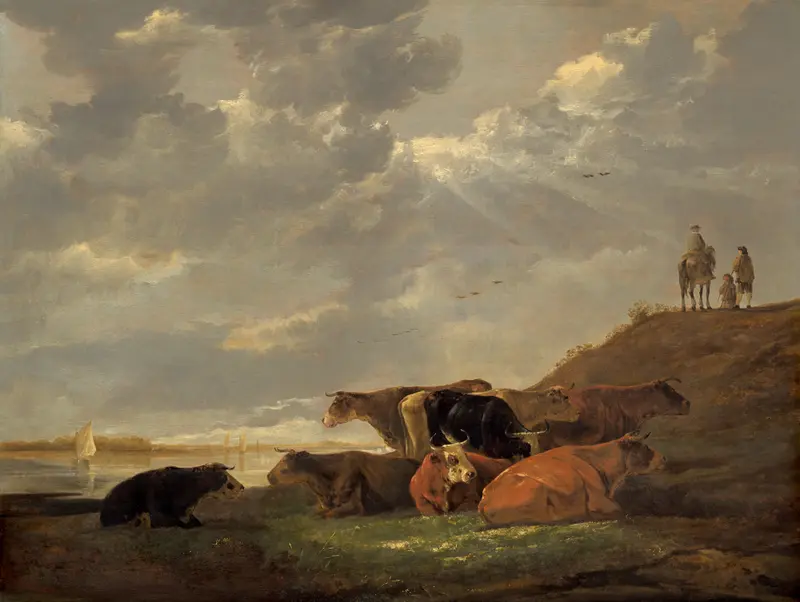
River Landscape with Cows
Aelbert Cuyp
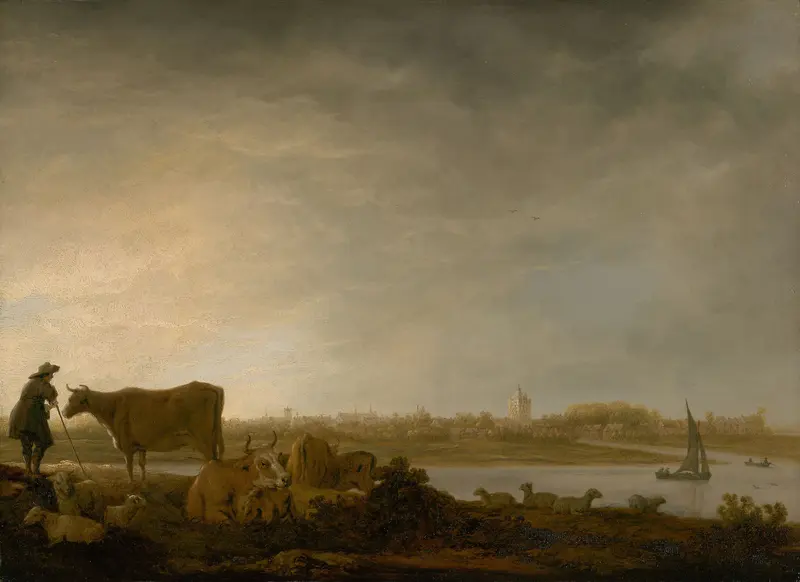
A View of Vianen with a Herdsman and Cattle by a River
Aelbert Cuyp
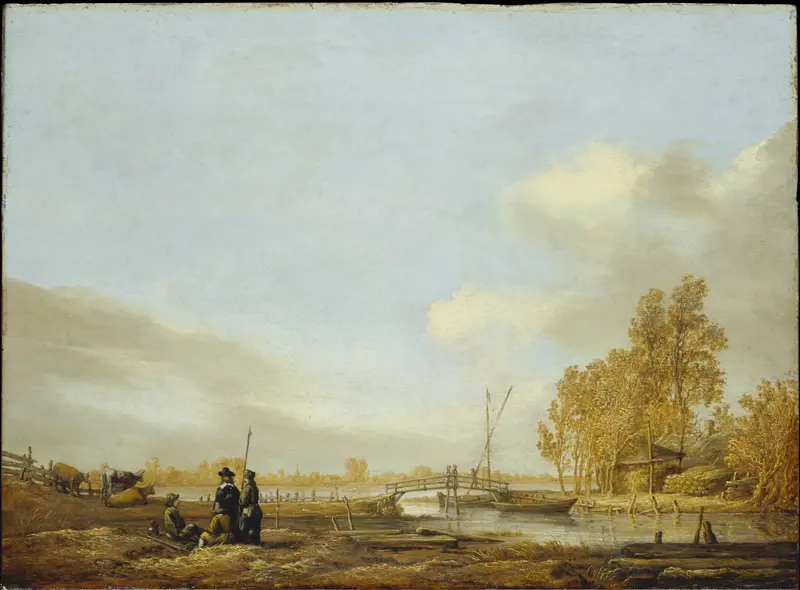
River Landscape with Footbridge
Aelbert Cuyp
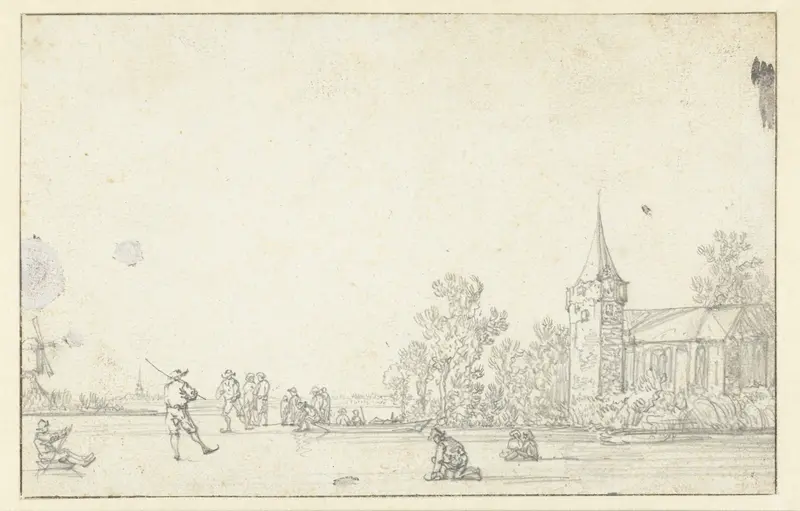
Bevroren rivier met schaatsers bij een kerk
Aelbert Cuyp

Cattle near a River
Aelbert Cuyp
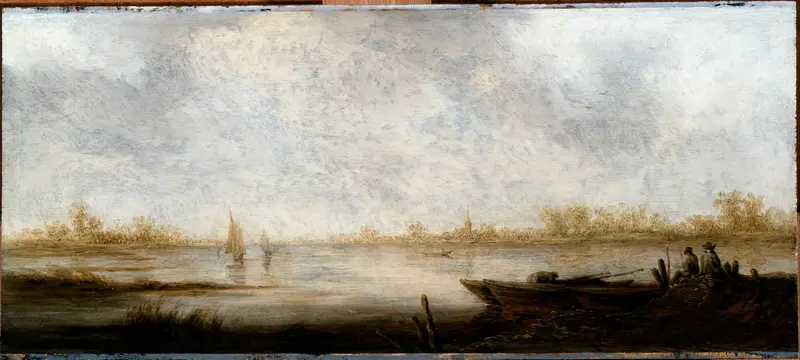
River Landscape
Aelbert Cuyp





