
A Family Cooking Under A Tree — History & Facts
This notion resonates deeply, evoking the passage of time captured within the canvas. Moments that seem mundane can transform into timeless memories, held delicately in the artist's embrace. Look closely at the left side where figures gather, their hands in motion, engaged in a culinary dance beneath the sprawling branches. Notice how the dappled light filters through the leaves, casting playful shadows and illuminating the scene with a warm, golden hue.
The rich greens of the foliage contrast beautifully with the warm earth tones of the ground below, creating a harmonious balance that draws the eye across the tableau. Each element plays a role in shaping a serene yet lively atmosphere, inviting the viewer into an intimate setting. Delve deeper into the relationships portrayed—the gentle exchanges of glances among family members hint at a shared history and unspoken bonds. The careful arrangement of their bodies, as they create together, suggests collaboration and unity, while the looming presence of the tree symbolizes shelter and tradition.
This is not merely a cooking scene but rather a celebration of familial love and the passing down of knowledge through generations, encapsulated in the ritual of preparing a meal. The artist created this work during a time when the depiction of everyday life was increasingly celebrated. Working in the late 18th century, he was influenced by the changing attitudes toward realism and domesticity in art. Though the exact date remains unknown, the scene reflects a yearning for simpler times and the recognition of the beauty found in ordinary moments—an echo of the values cherished by society then and now.
More Artworks by John Thomas Smith
Browse all →
Dr. Johnson’s House in 8 Bolt Court, Fleet Street
John Thomas Smith
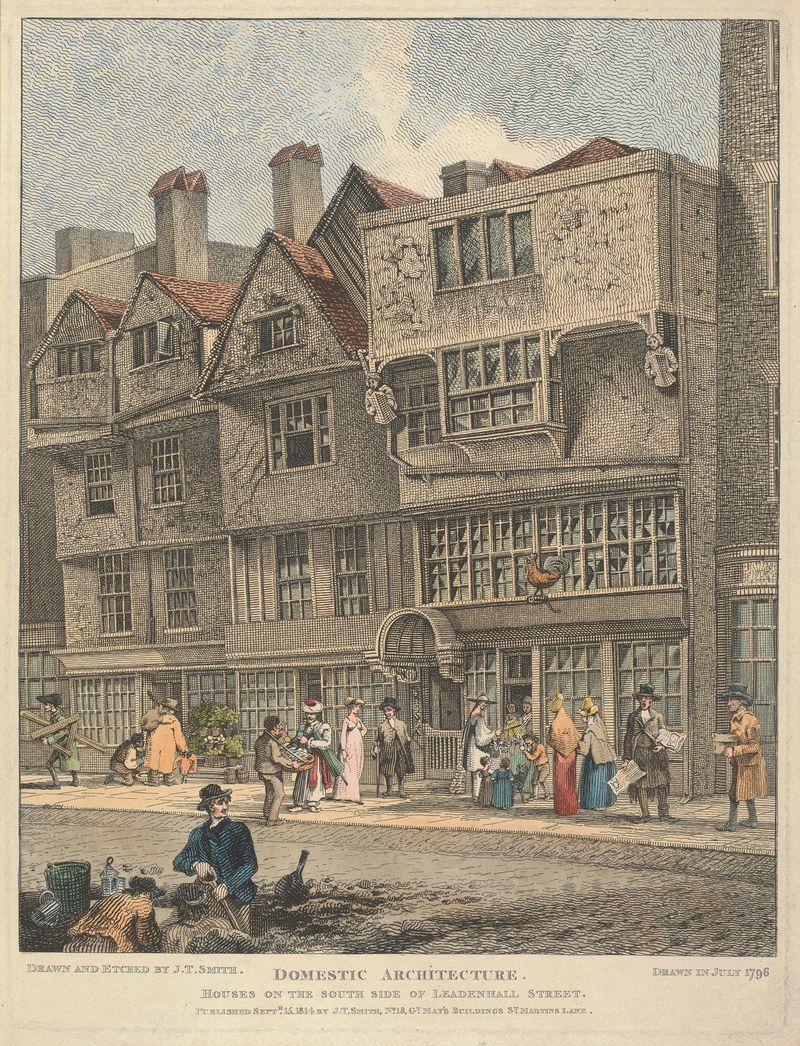
Houses on the South Side of Leadenhall Street
John Thomas Smith
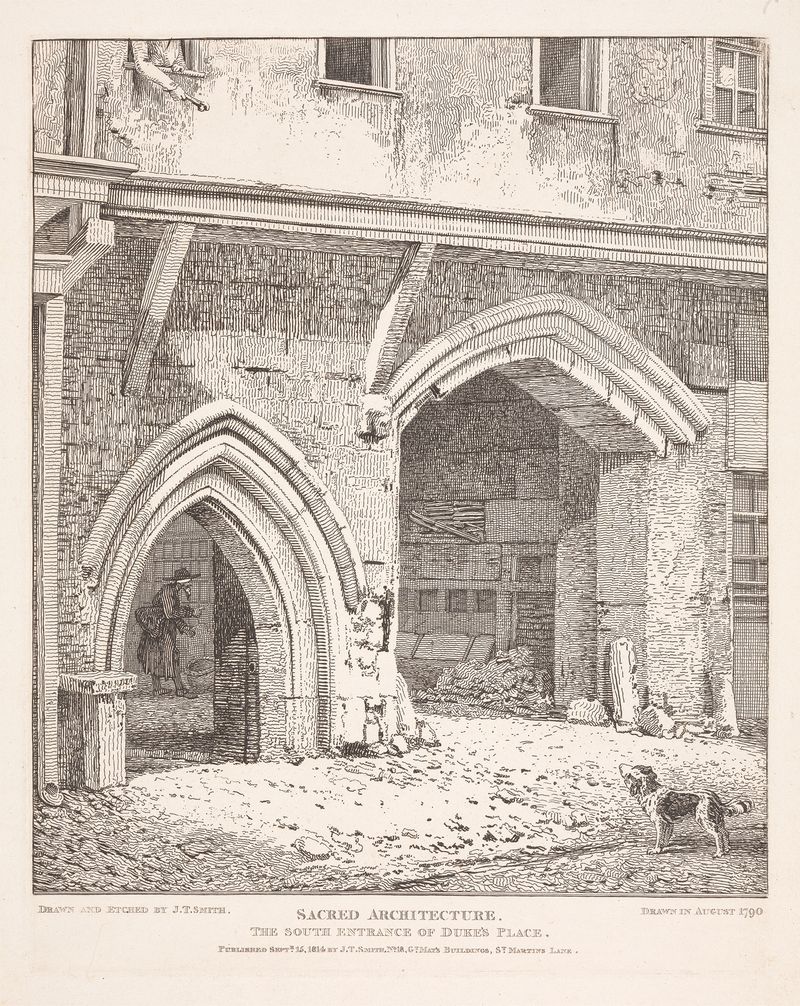
Sacred Architecture; the South Entrance of Dukes Place
John Thomas Smith
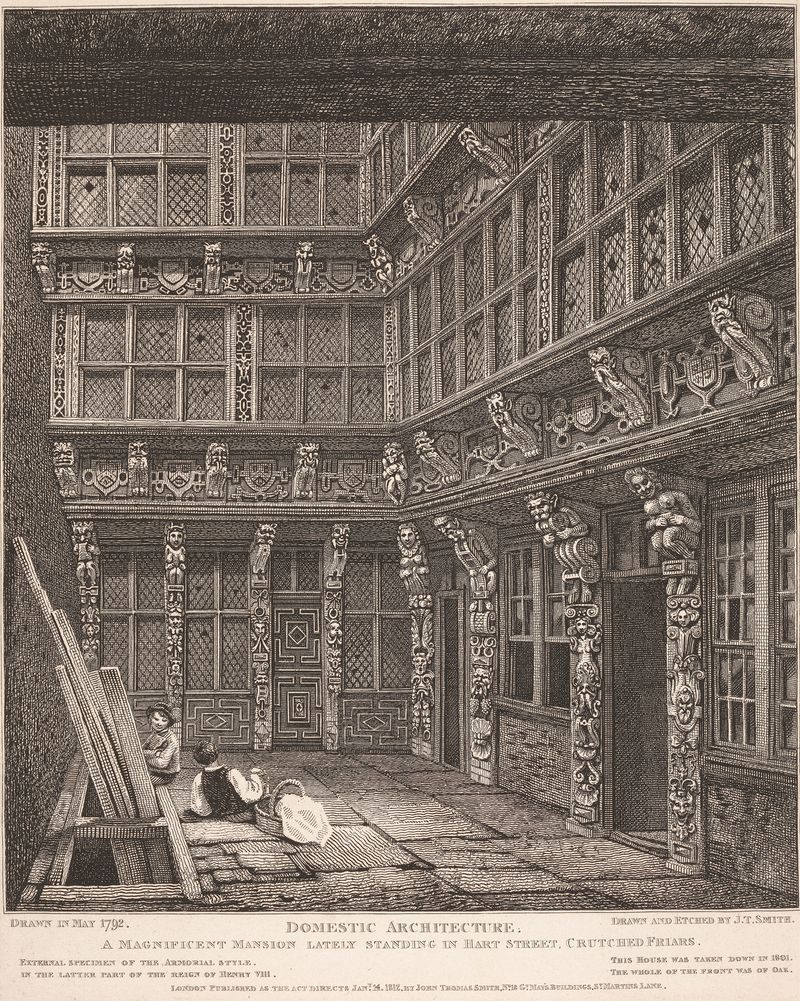
Domestic Architecture, A Magnificent Mansion Lately Standing in Hart Street, Crutched Friars
John Thomas Smith
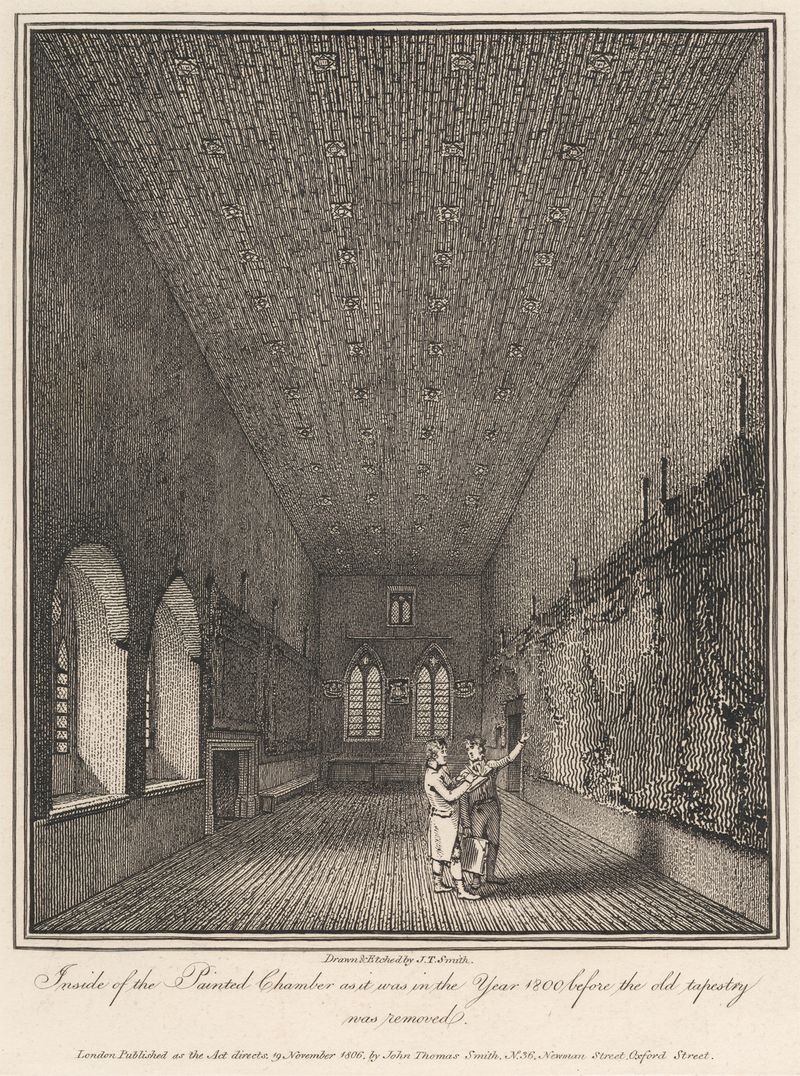
Inside the Painted Chamber as it was in the year 1800 before the old tapestry was removed
John Thomas Smith
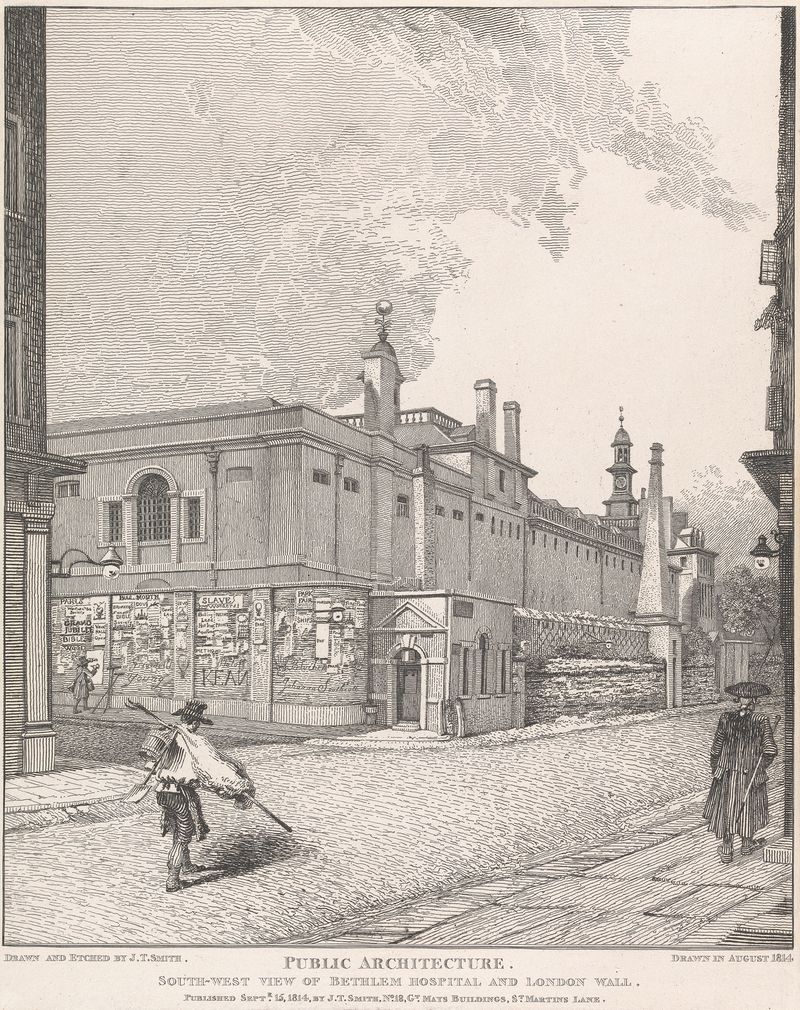
South West View of Bethlem Hospital and London Wall
John Thomas Smith

Winchester Street, London Wall
John Thomas Smith
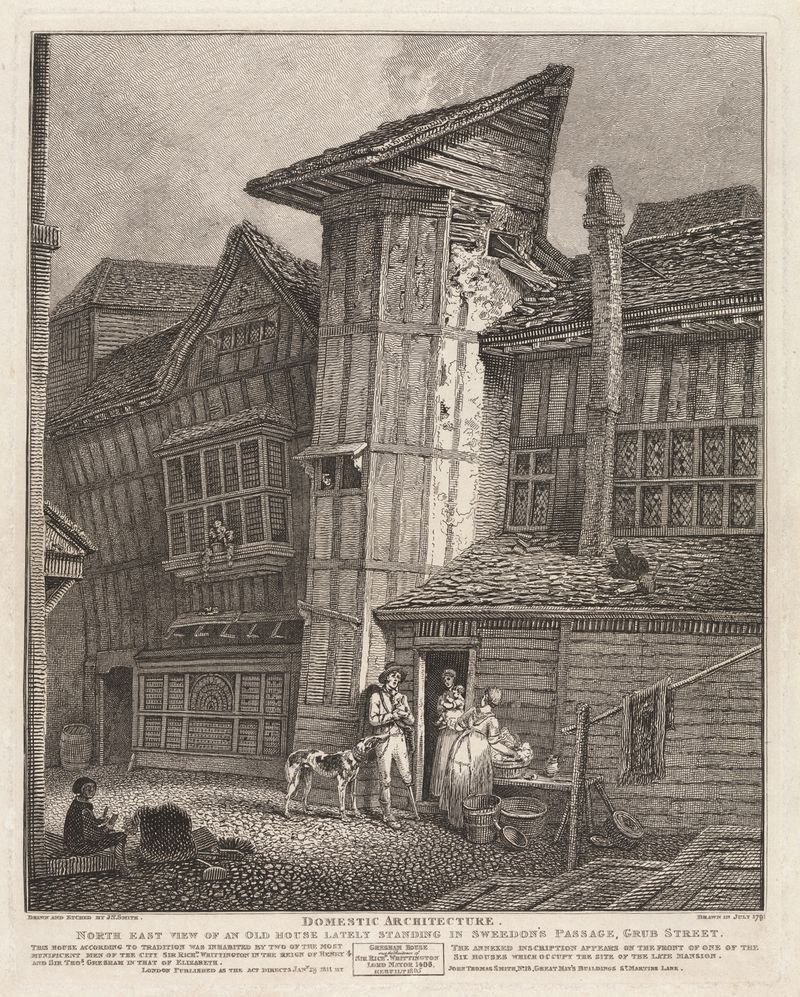
Domestic Architecture – N. E. View of an Old House lately Standing in Sweedon’s Passage, Grub Street
John Thomas Smith

Houses on the South SIde of a Street called London Wall
John Thomas Smith
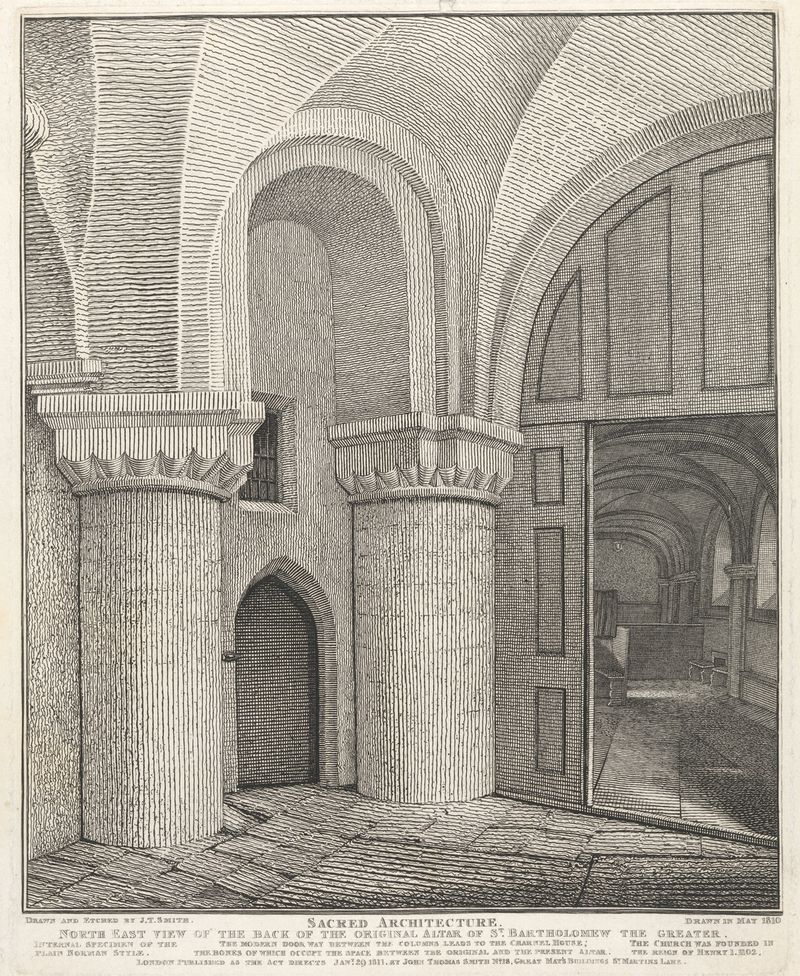
Northeast View of the Back of the Original Altar of St. Barts the Great
John Thomas Smith





