
A Florentine Page — History & Facts
In A Florentine Page, Aleksander Gierymski presents a young boy dressed in elaborate historical attire. The colors are rich and vibrant, with deep reds and golds dominating the palette. The setting appears to be a lush, ornate environment, suggesting a connection to the opulence of Renaissance Florence.
The boy's expression is thoughtful, adding a sense of depth to the portrait. The painting is executed in oil on canvas, a medium that allows for rich textures and detailed brushwork. Viewers can observe the meticulous attention to detail in the boy's clothing, which features intricate patterns and textures. The use of light and shadow creates a three-dimensional effect, enhancing the realism of the figure.
Gierymski's technique reflects the principles of Realism, emphasizing accurate representation. Aleksander Gierymski was a Polish painter known for his portraits and genre scenes, often depicting figures in historical contexts. A Florentine Page is notable for its vibrant colors and detailed rendering, showcasing Gierymski's skill in capturing the essence of his subjects. An interesting fact about this work is that it reflects the artist's fascination with Italian culture and history, which influenced many of his creations.
Gierymski's work remains significant in the study of 19th-century Polish art.
More Artworks by Aleksander Gierymski

Piaskarze
Aleksander Gierymski
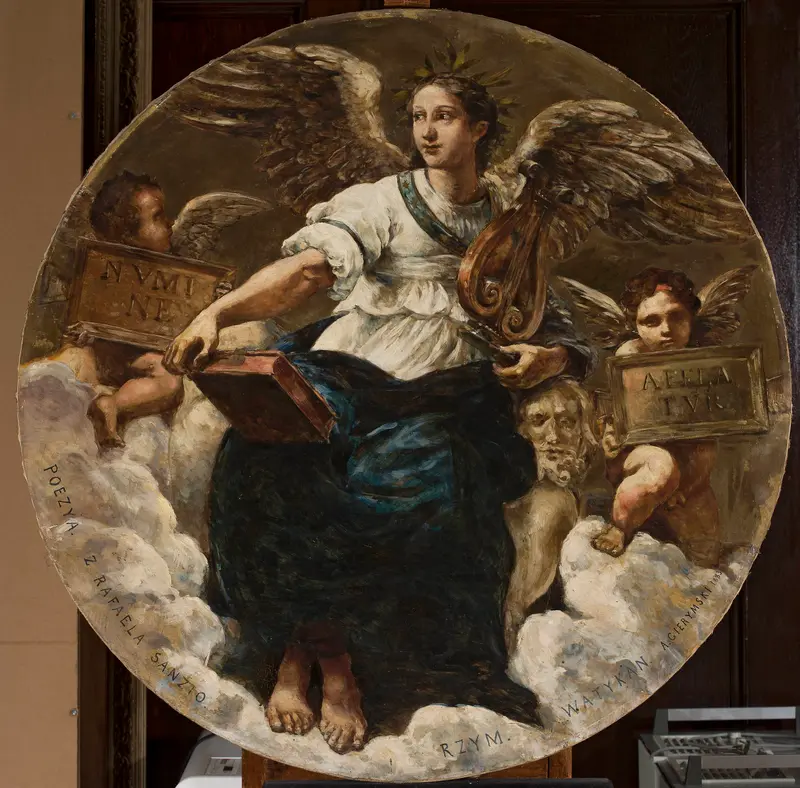
Poetry
Aleksander Gierymski
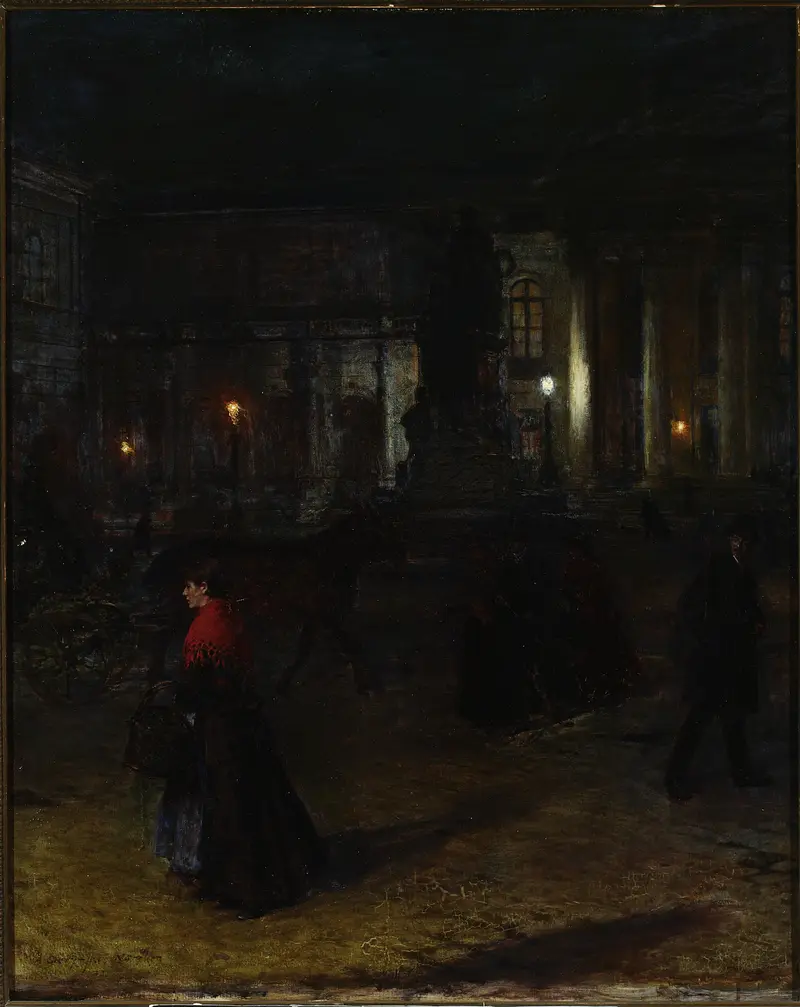
Max-Joseph-Platz in Munich by night.
Aleksander Gierymski
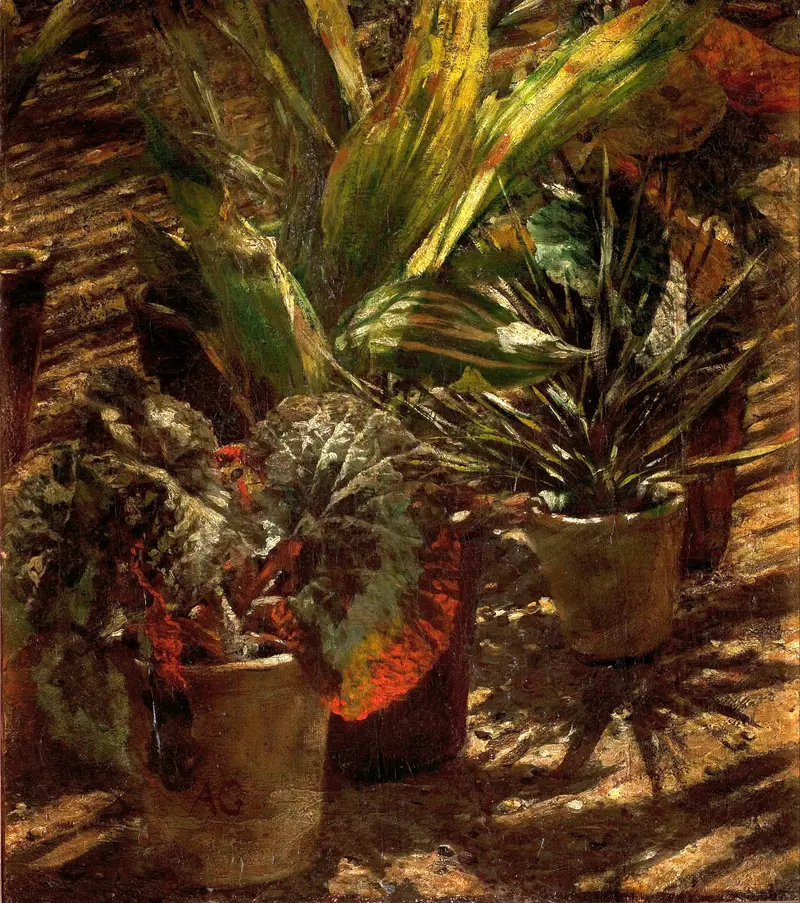
Begonie
Aleksander Gierymski
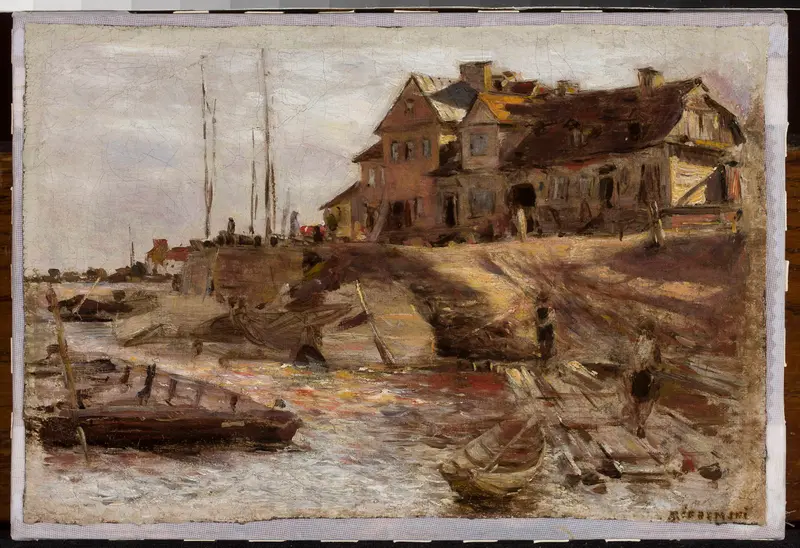
Solec harbour (study).
Aleksander Gierymski
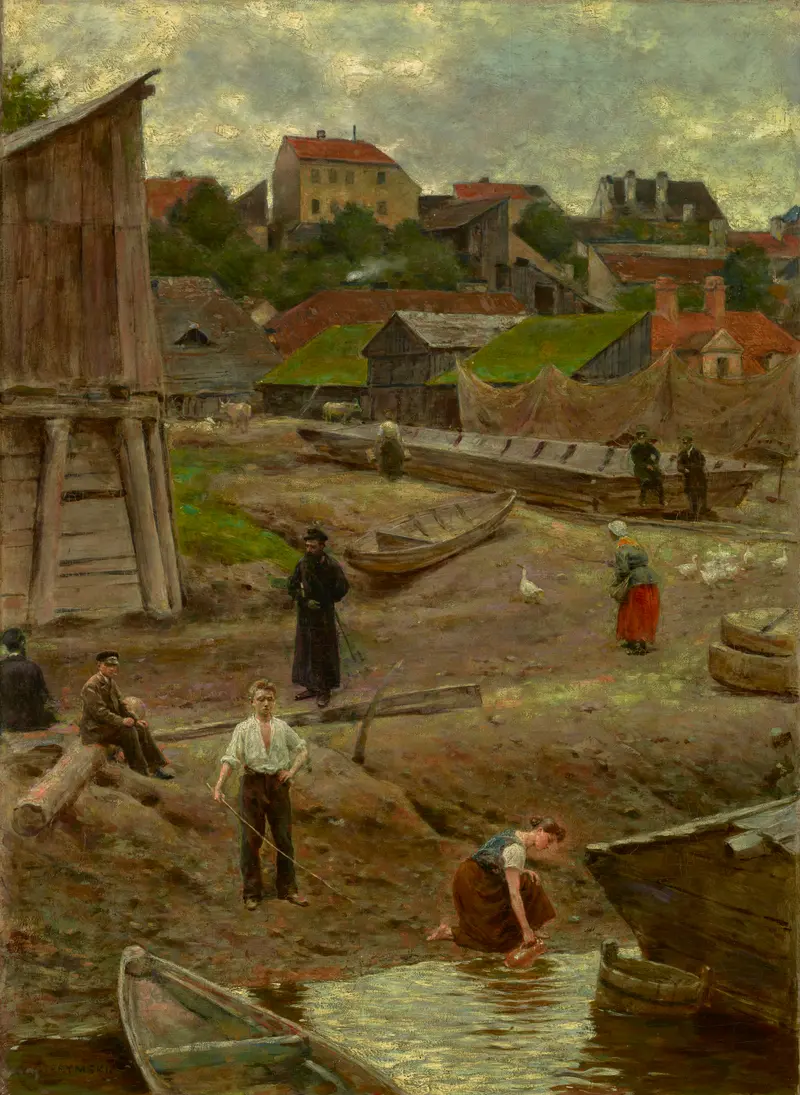
Powiśle (Bank of the Vistula in Warsaw)
Aleksander Gierymski
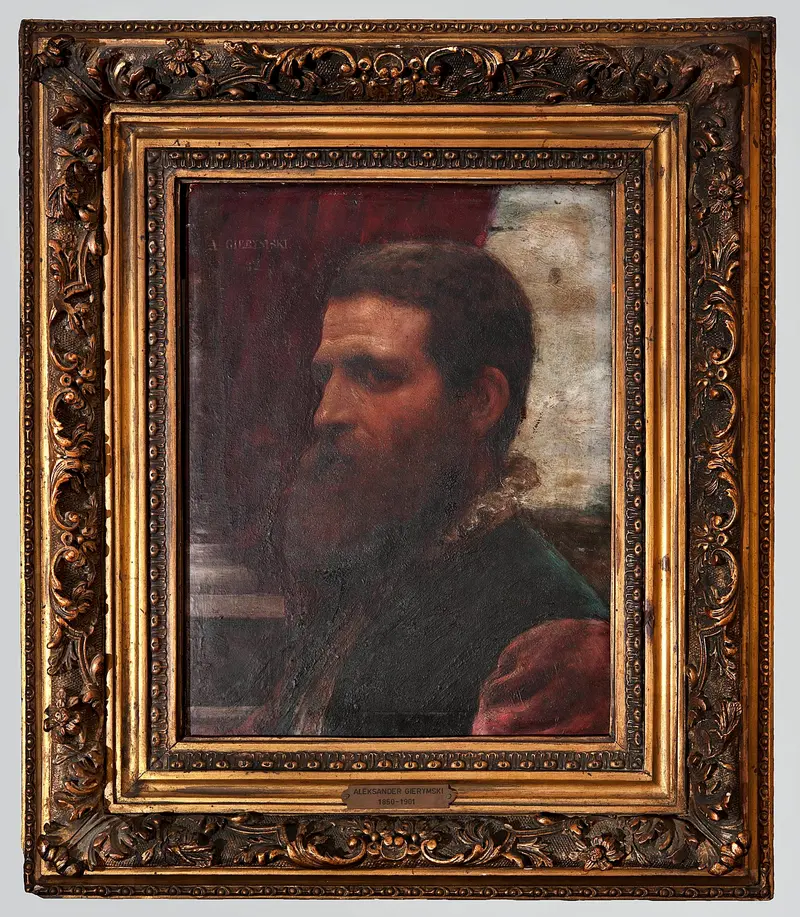
A bust of a man in Renaissance costume.
Aleksander Gierymski
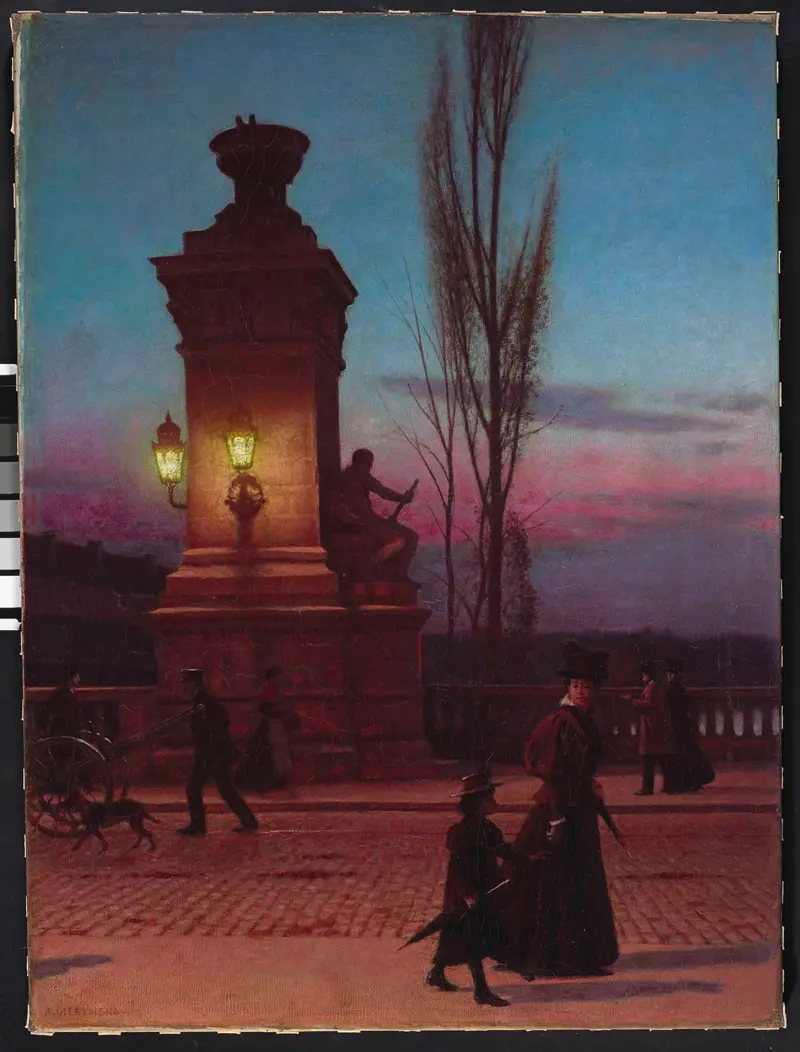
Louis Bridge in Munich.
Aleksander Gierymski
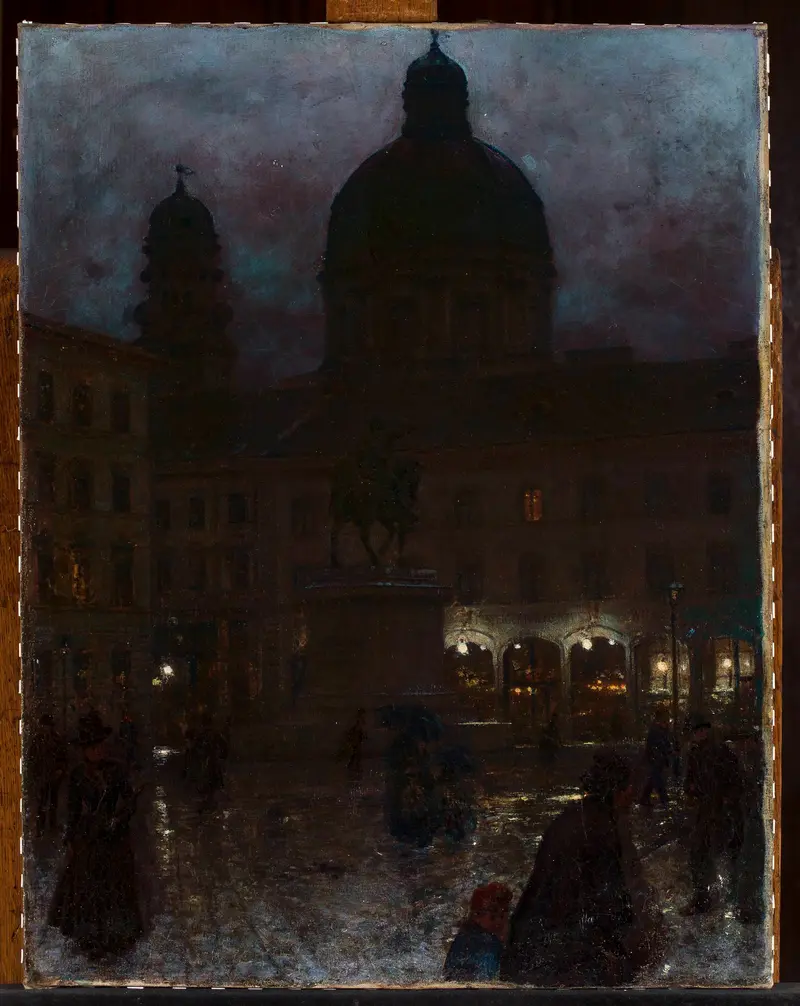
Wittelsbacher Square in Munich at night.
Aleksander Gierymski
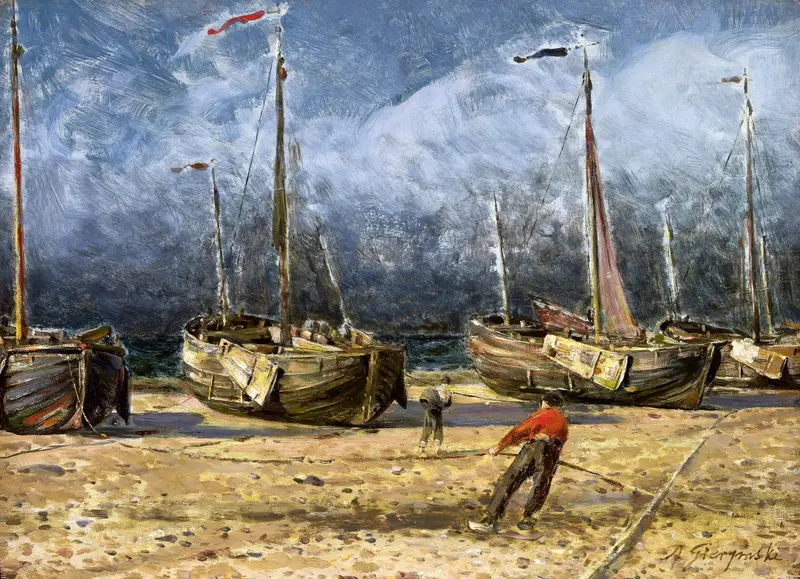
Fishing boats at the shore.
Aleksander Gierymski





