
A Fragment of Piccadilly — History & Facts
In A Fragment of Piccadilly, James Abbott McNeill Whistler captures a bustling urban scene. The painting features a blend of soft colors, predominantly blues and grays, creating a sense of movement and life. Figures are depicted in various poses, suggesting the dynamic nature of city life.
The setting is an impressionistic representation of Piccadilly, filled with energy and vibrancy. The painting employs loose brushwork typical of the Impressionism style, allowing colors to blend and create a sense of immediacy. Whistler's technique emphasizes light and shadow, giving depth to the scene. The use of color is particularly striking, with a palette that evokes the atmosphere of a lively street.
Viewers can appreciate the artist's skill in capturing fleeting moments in urban life. James Abbott McNeill Whistler was known for his innovative approach to art, often focusing on the interplay of light and color. This work, created in the 1880s, reflects his fascination with urban landscapes. Interestingly, Whistler's choice of subject matter was influenced by his desire to depict the modernity of city life.
A Fragment of Piccadilly stands as a testament to his ability to transform everyday scenes into compelling visual narratives.
More Artworks by James Abbott McNeill Whistler
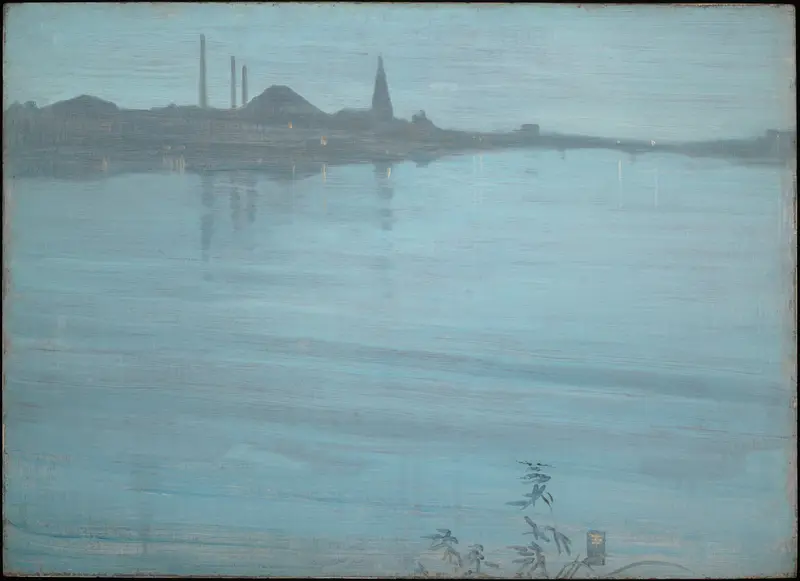
Nocturne in Blue and Silver
James Abbott McNeill Whistler

Nocturne
James Abbott McNeill Whistler
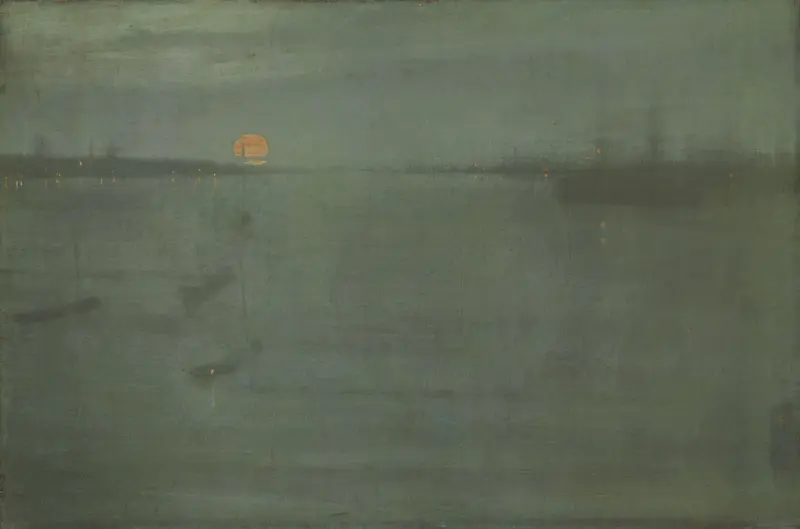
Nocturne: Blue and Gold–Southampton Water
James Abbott McNeill Whistler
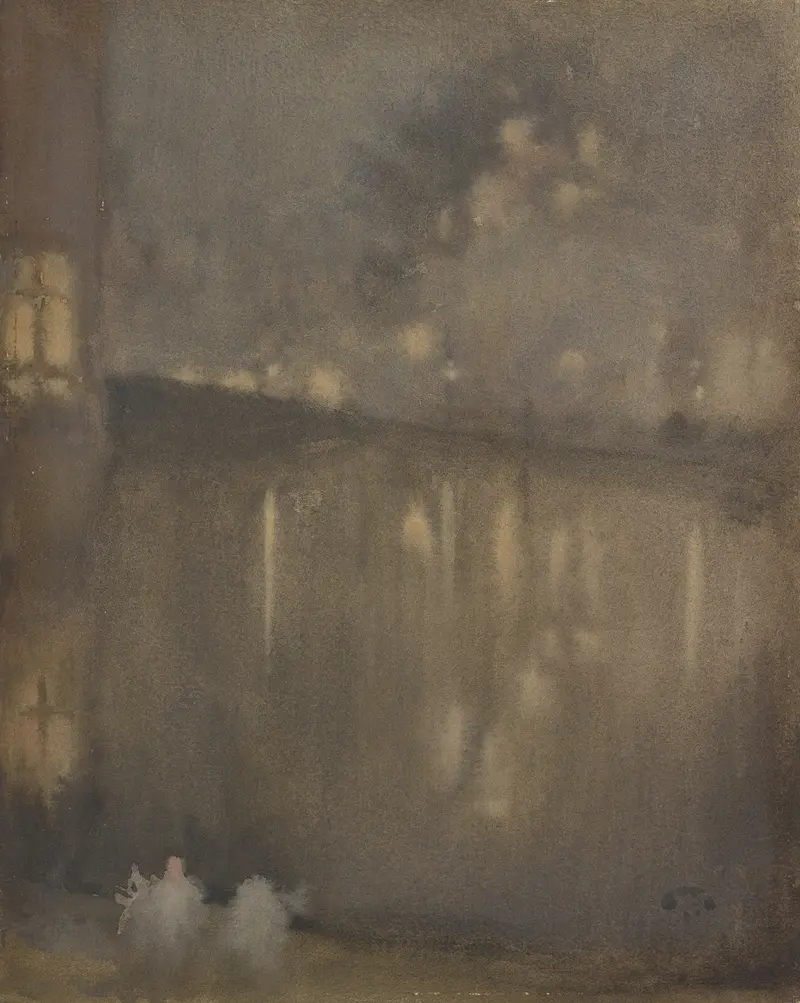
Nocturne: Grey and Gold–Canal, Holland
James Abbott McNeill Whistler
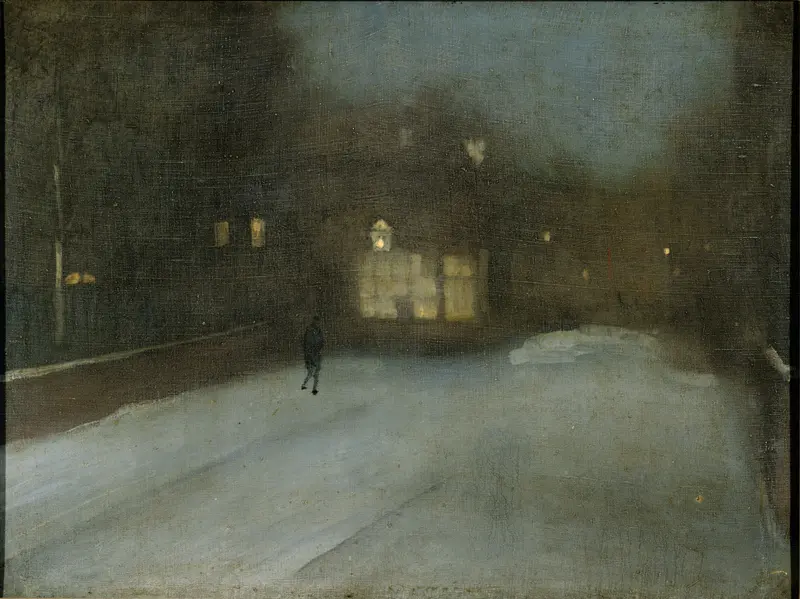
Nocturne in Grey and Gold: Chelsea Snow
James Abbott McNeill Whistler
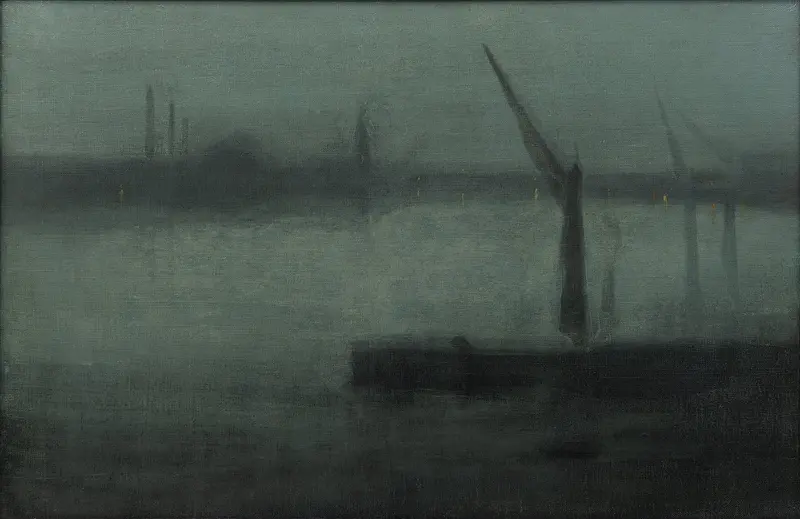
Nocturne: Blue and Silver–Battersea Reach
James Abbott McNeill Whistler
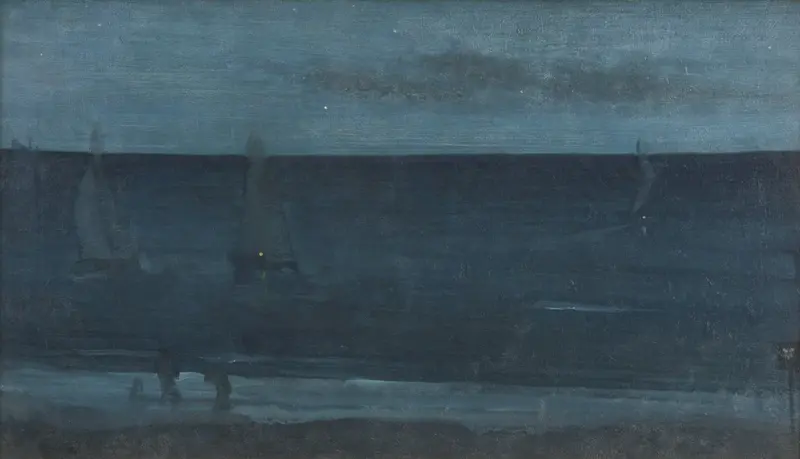
Nocturne: Blue and Silver–Bognor
James Abbott McNeill Whistler

Old Battersea Bridge
James Abbott McNeill Whistler
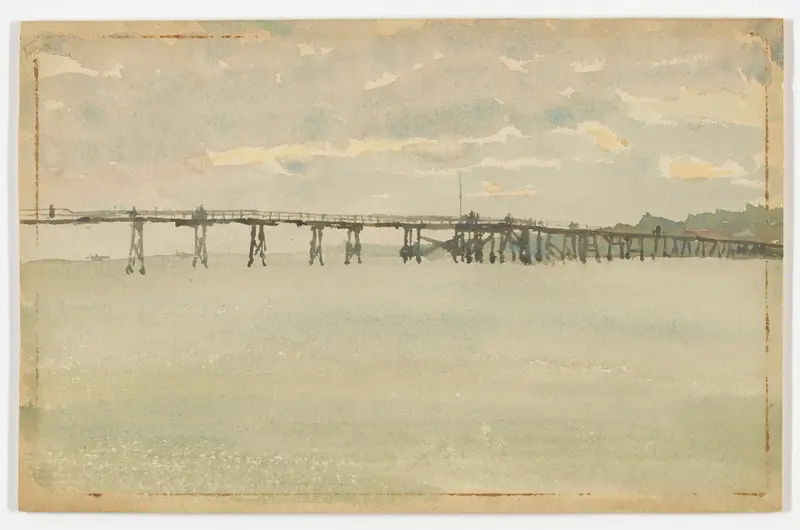
Grey and Silver–Pier, Southend
James Abbott McNeill Whistler
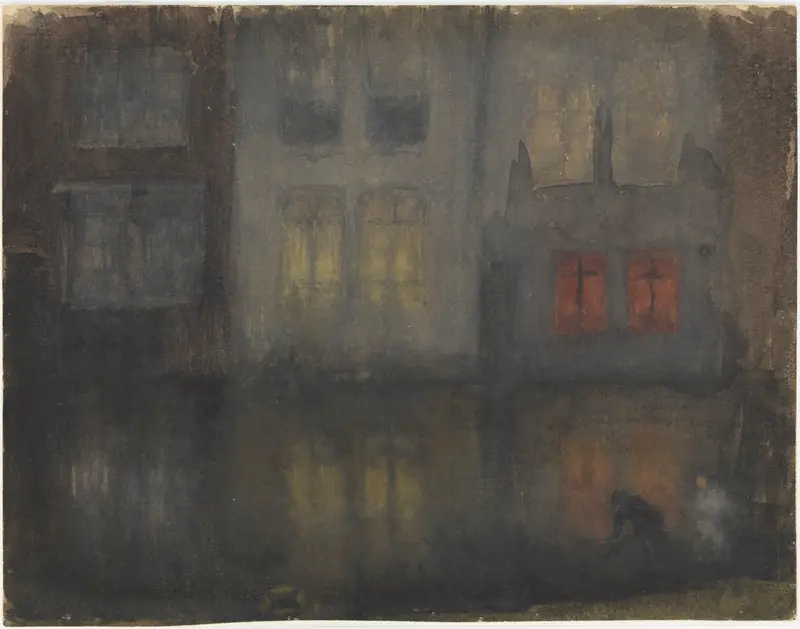
Nocturne: Black and Red—Back Canal, Holland
James Abbott McNeill Whistler





