
A Good Read (Ralli) — History & Facts
What draws the eye first in A Good Read (Ralli) is the hush of concentration: a man leans forward, absorbed in the letter or page before him, his world narrowed to the flicker of words on paper. The painter, Theodoros Ralli, sets his figure against a bare, sun-warmed wall, letting the light fall directly on the reader’s hands and the sheet he holds. Every detail—the careful posture, the glass of water at hand, the hookah resting by the table—works to anchor us in this moment of private reflection.
The red of the man’s vest and boots quietly echoes the glow of embers in the dark hearth behind him, suggesting warmth and continuity between thought and home. Nothing in the scene is hurried; the palette’s earth tones and the gentle play of shadow create a mood of calm, as if the rest of the world has faded away. Painted in 1903, this work belongs to a period when artists across Europe and the Eastern Mediterranean were fascinated by scenes of everyday life, especially those that hinted at the inner worlds of their subjects. Such paintings often found their way into private homes, serving as reminders of the dignity and depth of ordinary moments.
Ralli himself was known for his sensitive renderings of Greek and Ottoman subjects, blending academic technique with an eye for the telling gesture. While little is recorded about the specific journey of this painting—its patrons or its travels—its quiet focus speaks to a broader cultural shift: the growing value placed on literacy, introspection, and the rituals of daily existence at the dawn of the twentieth century. The viewer is left to wonder what news or story holds the reader so intently, and to linger in the silence that surrounds him.
More Artworks by Theodoros Ralli

The Sleeping Concubine
Theodoros Ralli
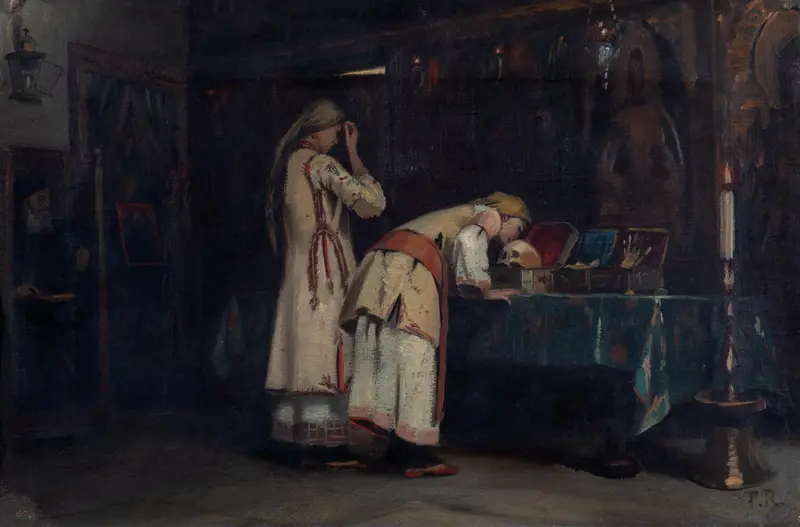
Holy Relics
Theodoros Ralli
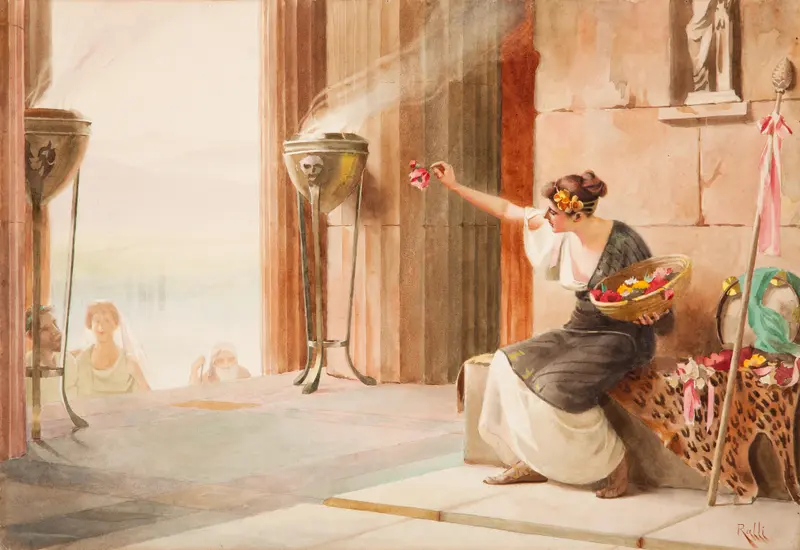
Flower Seller at the Parthenon
Theodoros Ralli
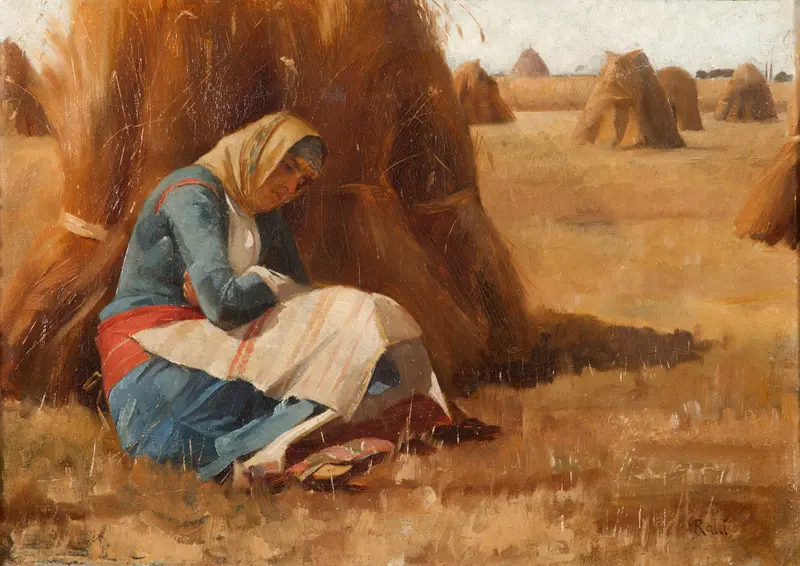
Resting by a Haystack
Theodoros Ralli
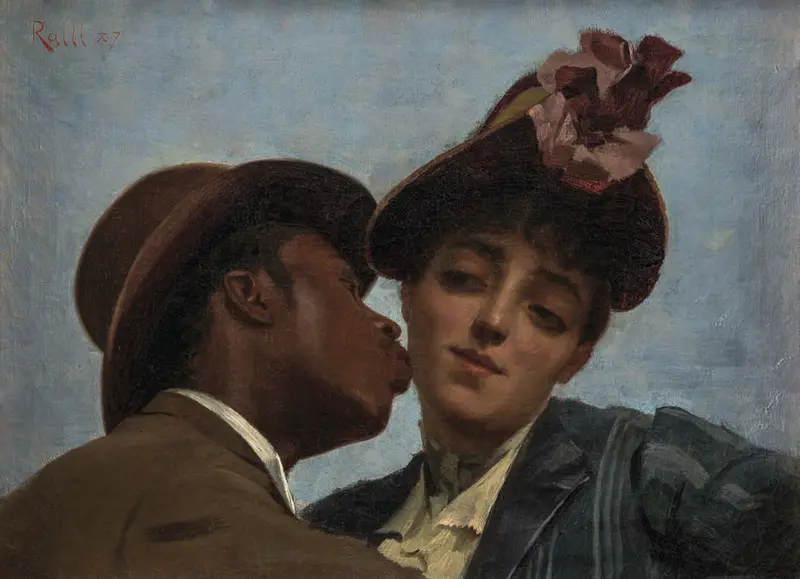
The Kiss (Ralli)
Theodoros Ralli
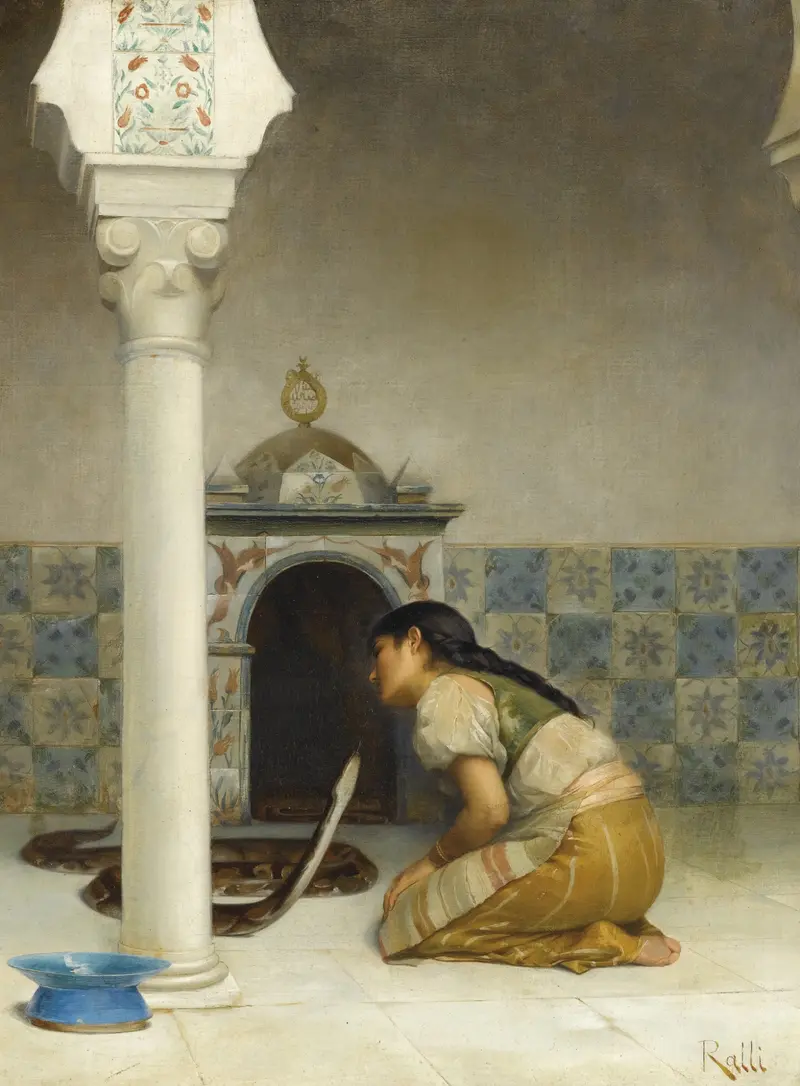
The Sacred Serpent
Theodoros Ralli
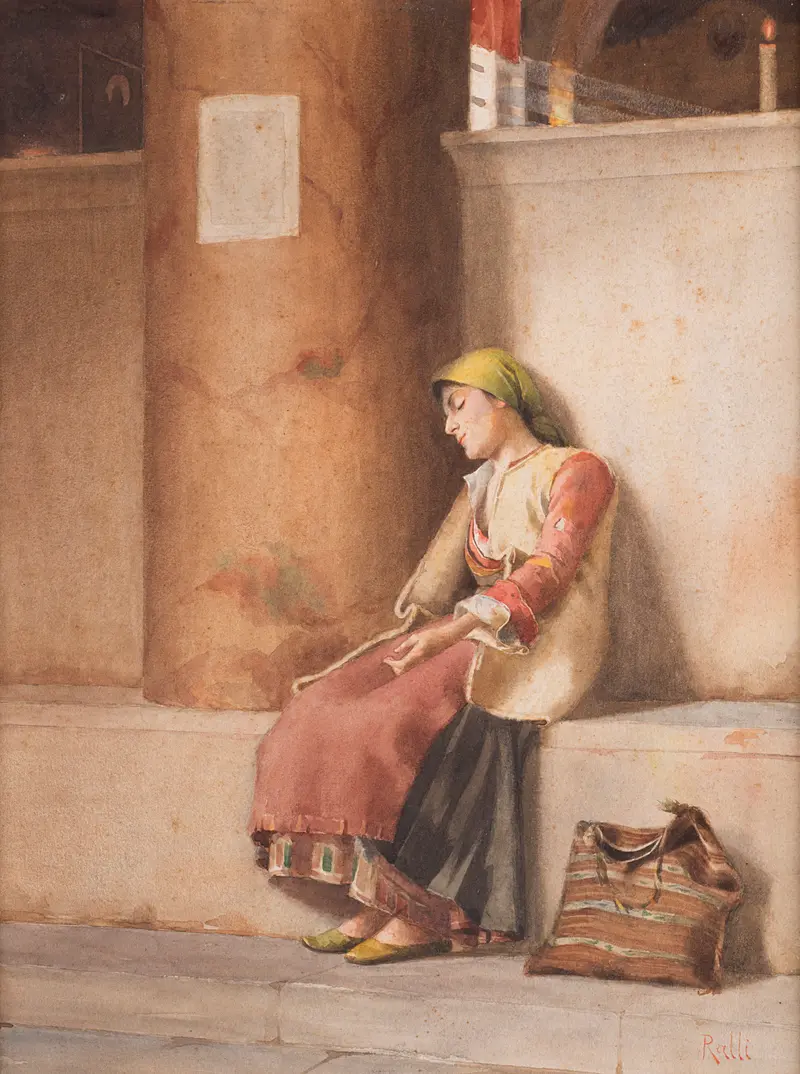
A Moment of Reflection
Theodoros Ralli
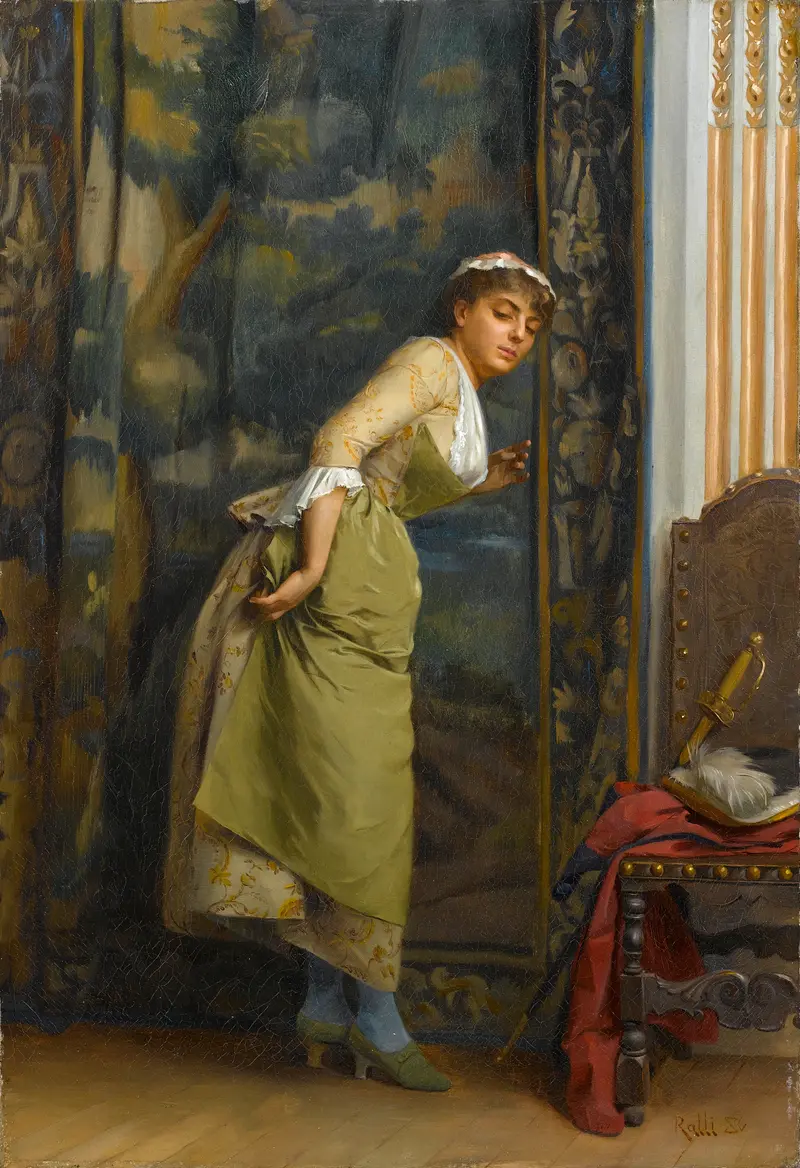
Eavesdropping (Ralli)
Theodoros Ralli
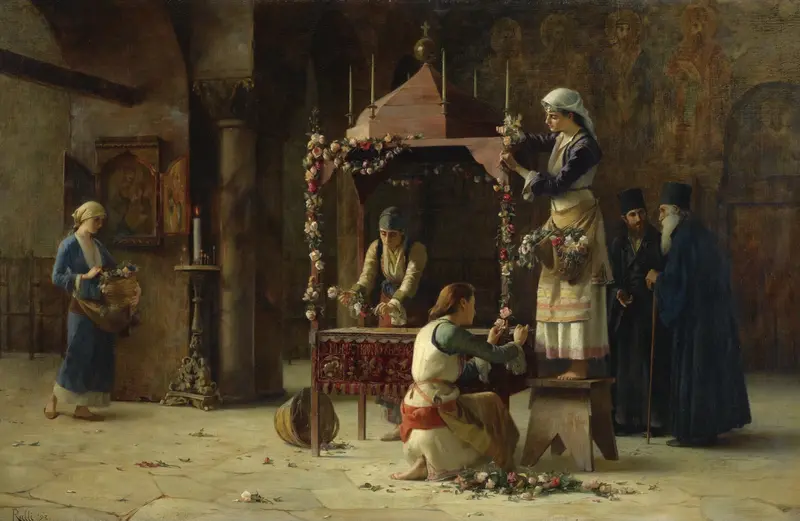
Holy Friday, Greece
Theodoros Ralli
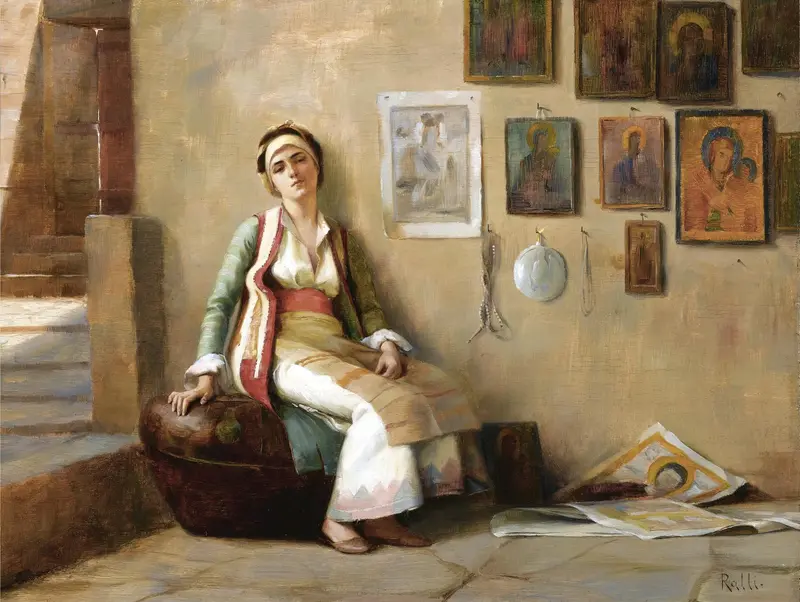
A Moment's Rest
Theodoros Ralli
More Genre Scene Art

Banquet of the Officers of the St George Civic Guard
Frans Hals

Rembrandt and Saskia in the Scene of the Prodigal Son
Rembrandt van Rijn

Bal du moulin de la Galette
Pierre-Auguste Renoir

Quadrille at the Moulin Rouge
Henri de Toulouse-Lautrec

A Burial at Ornans
Gustave Courbet

When Will You Marry?
Paul Gauguin