
A Gray Day — History & Facts
A hush settles over the landscape in A Gray Day, drawing the viewer into a world where the air itself seems to weigh gently on the earth. The eye is first caught by the wide, luminous sky—an expanse of pale blue and soft clouds that presses down on a quiet, open field. The light is diffused, washing the scene in subtle greens and browns, so that every detail—the rough stones scattered in the grass, the dense shadow of trees to the right—feels both present and just out of reach.
The horizon is low, granting the sky its quiet dominance, while the distant hills dissolve into a haze, inviting the mind to wander beyond what is seen. There is no human figure, no path, only the sense of a world paused between moments. Painted in 1891 by Alexander Helwig Wyant, this work belongs to an era when American landscape painters sought to capture not just the grandeur of nature, but its quieter moods and atmospheres. Wyant’s generation, shaped by the lingering influence of the Hudson River School and the emerging tonalism of the late nineteenth century, often painted for collectors who wanted reminders of the natural world’s peace as cities grew and modern life accelerated.
The painting now resides in the collection of the Museum of Fine Arts, Boston, a testament to the enduring appeal of such meditative views. History has kept few traces of this specific work’s early life, but its gentle light and muted palette still invite viewers to linger, searching the horizon for stories the land might tell.
More Artworks by Alexander Helwig Wyant

Autumn Landscape and Pool
Alexander Helwig Wyant
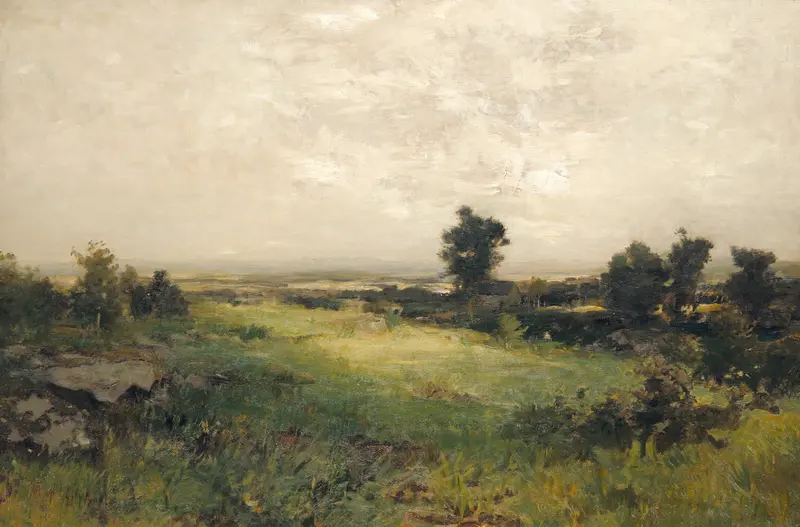
Housatonic Valley
Alexander Helwig Wyant
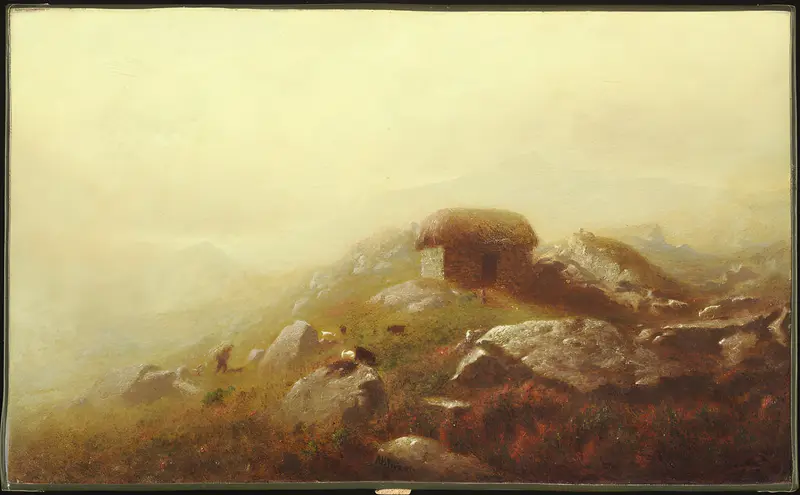
Misty Morning Near the Lakes of Killarney
Alexander Helwig Wyant
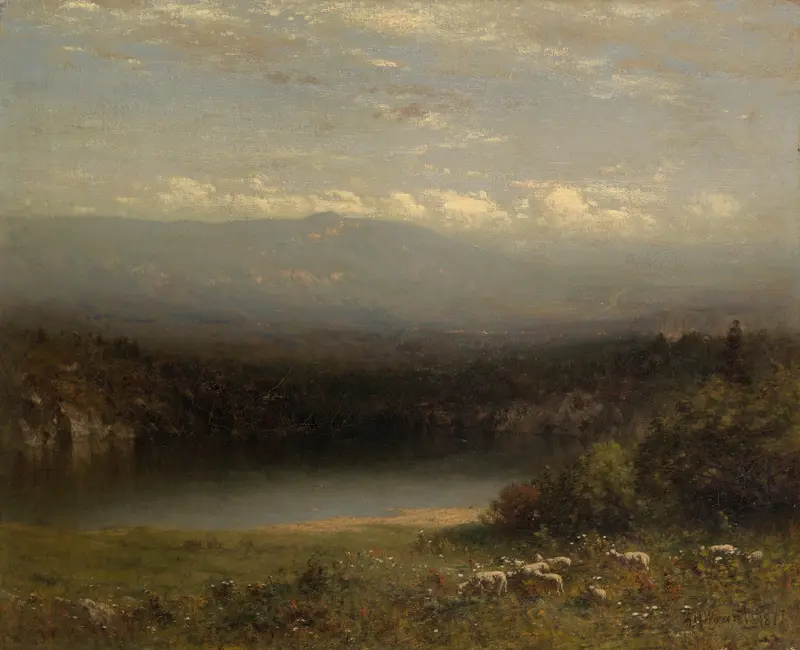
Mountain Lake
Alexander Helwig Wyant
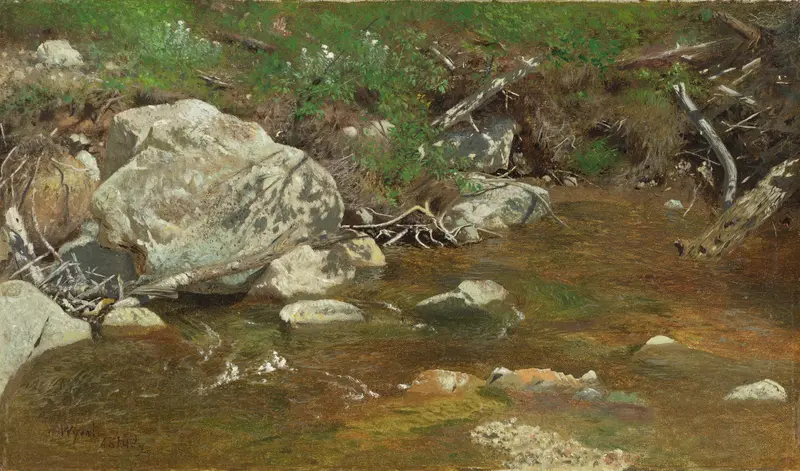
Mountain Brook; A Study
Alexander Helwig Wyant
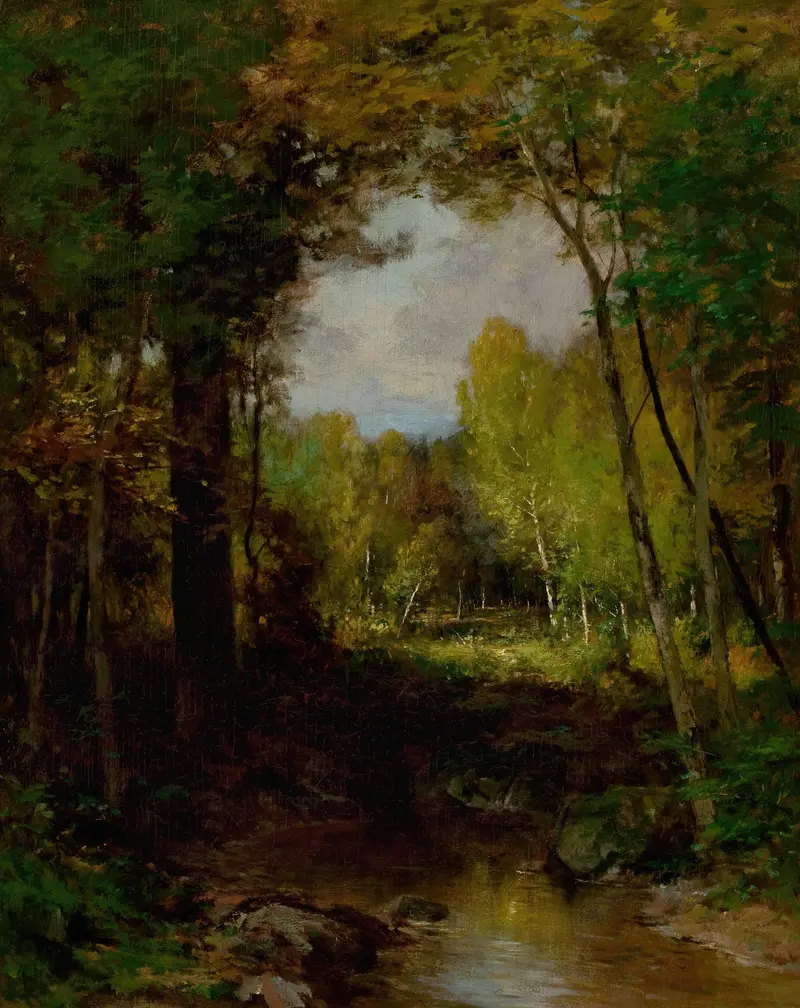
Keene, Adirondacks
Alexander Helwig Wyant
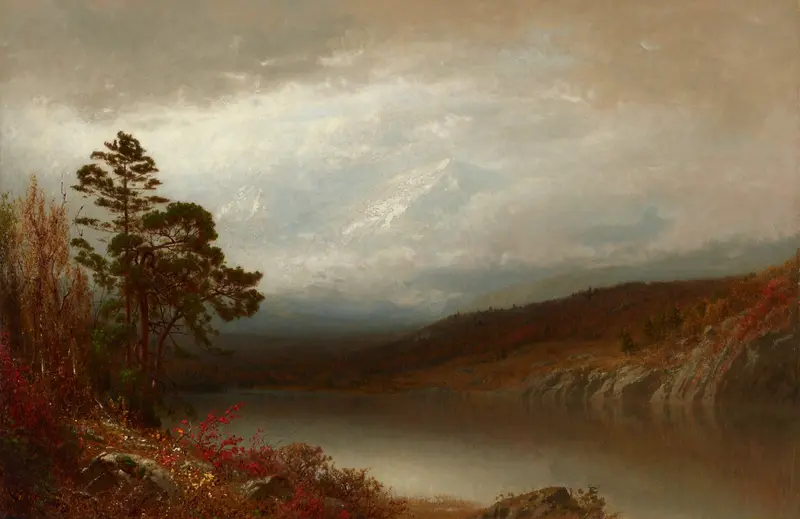
Autumn in the Adirondacks
Alexander Helwig Wyant
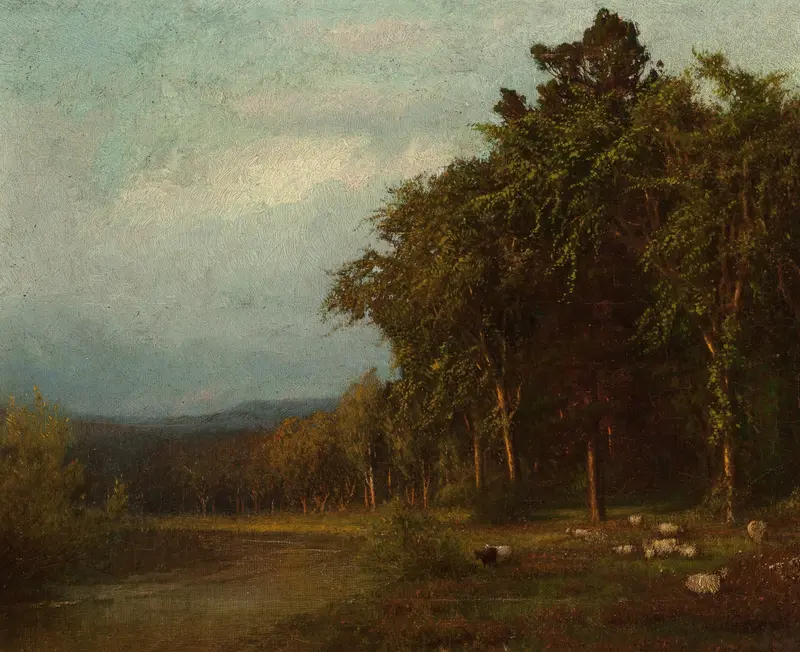
Cattle Grazing, Late Afternoon
Alexander Helwig Wyant
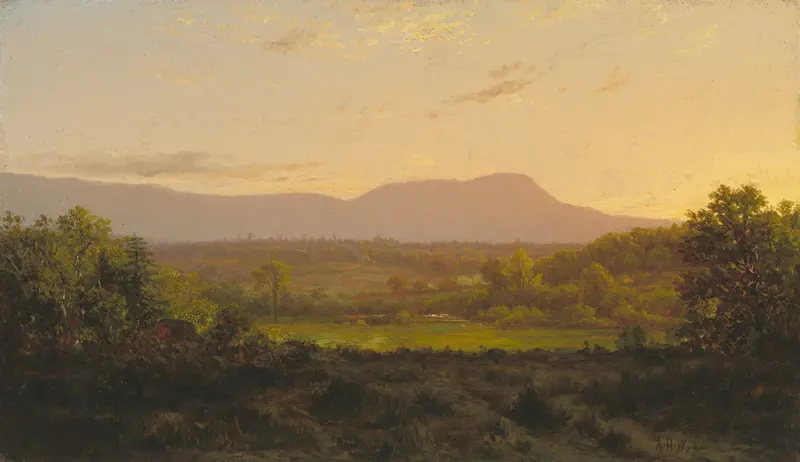
Peaceful Valley
Alexander Helwig Wyant
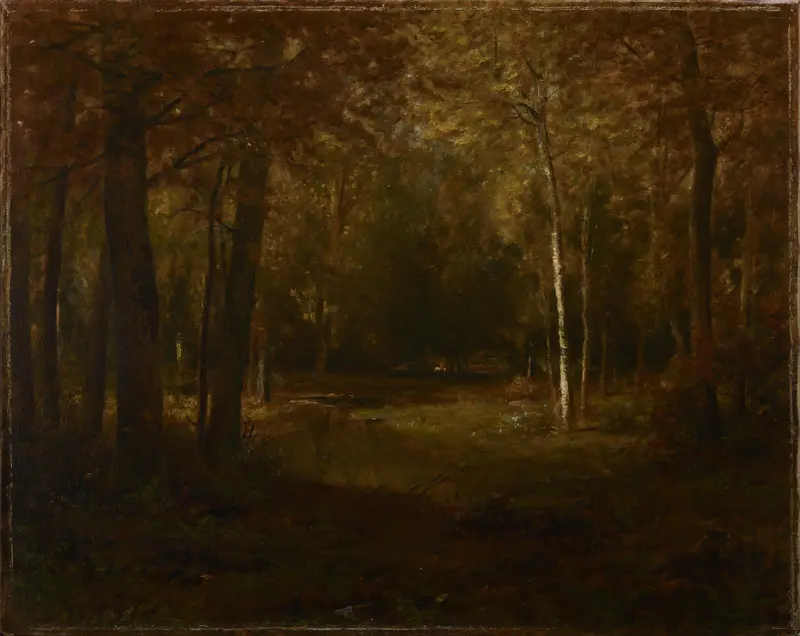
Glade in Autumn
Alexander Helwig Wyant
More Landscape Art

The Starry Night
Vincent van Gogh

View of Delft
Johannes Vermeer

Water Lilies
Claude Monet

The Grand Canal, Venice, looking north-west from the Ca' Corner to the Ca' Contarini degli Scrigni, with the campanile of Santa Maria della Carità
Canaletto

Windsor Castle
Canaletto

The Grand Canal looking North-East from the Palazzo Dolfin-Manin to the Rialto Bridge
Canaletto