
A Gust of Wind — History & Facts
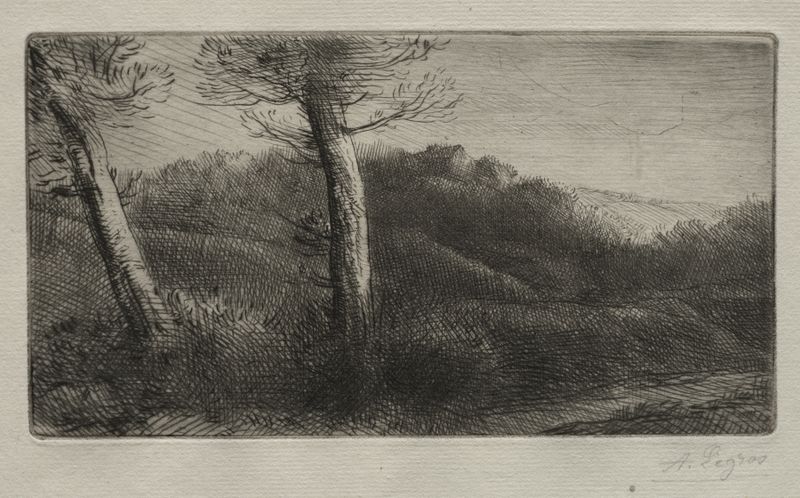
What secret hides in the quiet of the canvas? In A Gust of Wind, a moment suspended in time whispers to us, inviting reflection on the act of creation itself. Begin your journey by focusing on the delicate brushstrokes that dance across the surface, particularly at the center, where a flurry of movement seems to ripple outward. Notice how the muted palette—earthy browns and soft blues—invokes a serene yet dynamic atmosphere, as wisps of air appear to lift the edges of the surrounding landscape. The composition draws your eye toward the subtle contrast between stillness and motion, hinting at the unseen forces at play in this intimate moment. Hidden beneath the surface are profound themes of impermanence and transformation.
Each fluttering leaf or strand of grass carries the weight of change, suggesting a narrative where nature's breath invigorates the scene. The textured application of paint reflects not just light, but also the fleeting essence of life itself, highlighting the contrast between the tangible and the ephemeral. This piece speaks to the duality of creation—how beauty often emerges from chaos and uncertainty. Alphonse Legros painted this work during a period of significant evolution within the art world, spanning from 1857 to 1911.
Living in France, he experienced the rise of Impressionism and the subsequent exploration of symbolism, which influenced his unique approach. As he navigated his artistic journey, the tension between traditional forms and modern expression informed his work, culminating in this evocative piece that captures both the stillness and the breath of life.
More Artworks by Alphonse Legros
Browse all →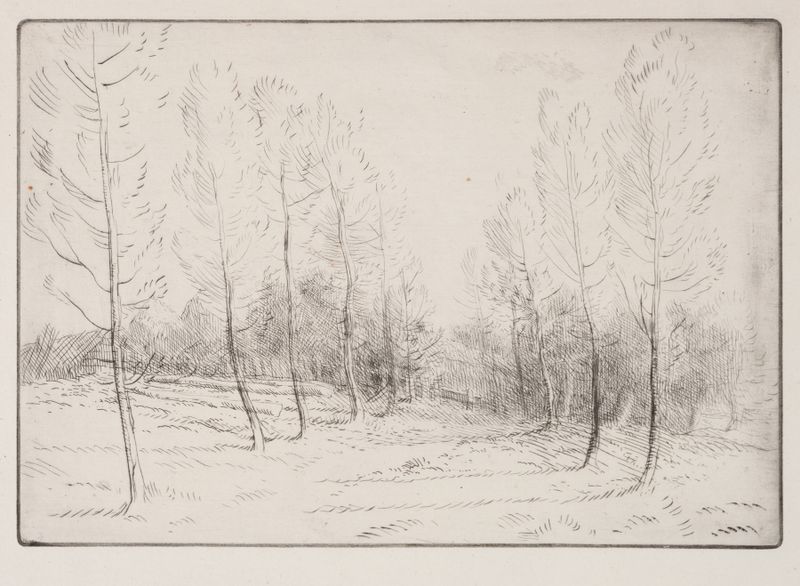
Avenue of Poplars
Alphonse Legros
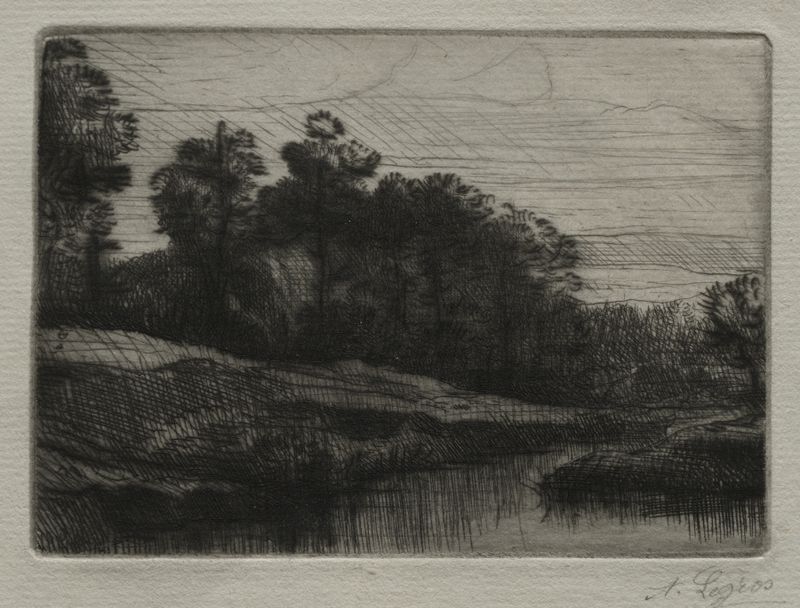
Evening
Alphonse Legros

The Fish in the Hoop Net
Alphonse Legros

The Little Beggar
Alphonse Legros
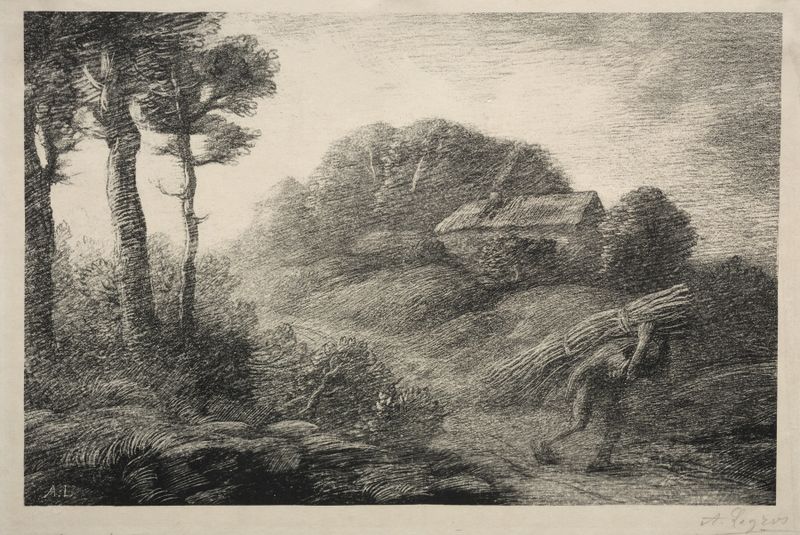
The Return of the Fagot Gatherer
Alphonse Legros

Storm
Alphonse Legros
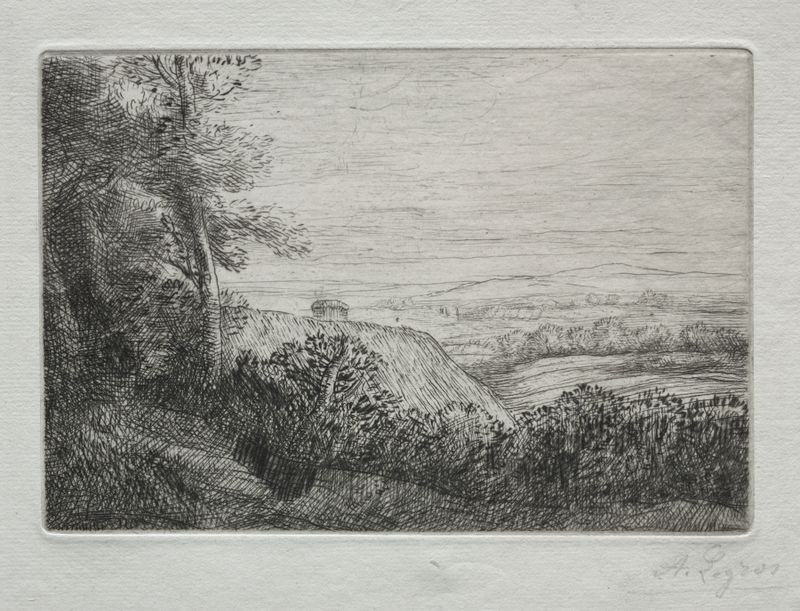
Les dernière Rayons de Soleil
Alphonse Legros
The Traveler Stretched out on the Grass
Alphonse Legros
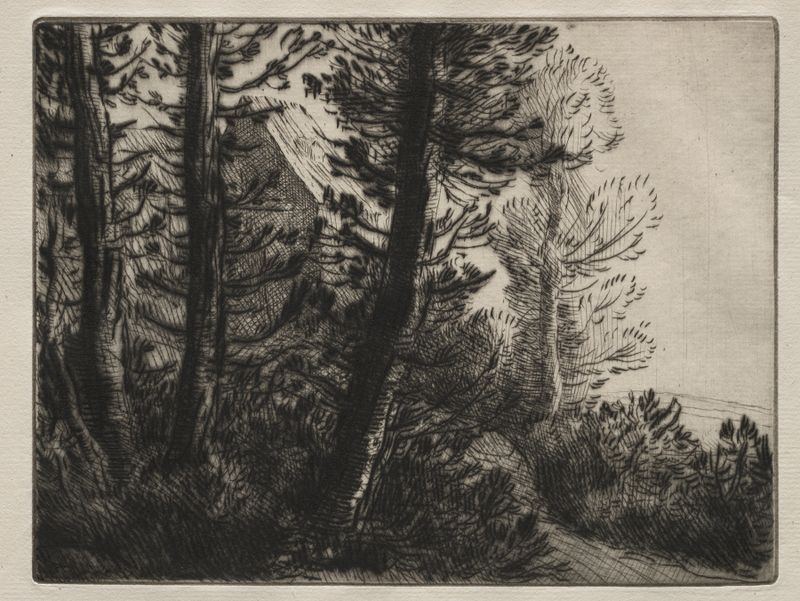
Guard House
Alphonse Legros

Death of a Vagabond
Alphonse Legros





