
À la dérive — History & Facts
What first catches the eye in À la dérive is the sense of quiet suspension: two figures adrift on an open sea, their backs turned to us, the horizon dissolving into a pale, uncertain sky. The woman’s hair streams behind her like a banner, echoing the gentle currents that cradle their small boat. Steinlen draws us into their isolation, the mast and rigging framing the pair as if to underline their solitude.
The handwritten title arcs above them, its playful tilt at odds with the calm, almost resigned mood below. The palette—muted blues, soft creams, and inky lines—suggests both the serenity and the vulnerability of being set loose on the water, with no land in sight and no clear destination. Created in 1890, this work belongs to the world of late nineteenth-century Paris, when illustrated sheet music covers and posters flourished as both popular art and commercial necessity. Artists like Théophile Alexandre Steinlen brought the same keen observation and graphic flair to these ephemeral works as to their more celebrated paintings and prints.
Here, the image serves as an invitation: not only to the poetry of Jean Richepin and the music of Marcel Legay, but to the bittersweet fantasy of drifting free from the city’s demands. History has kept few traces of this particular composition beyond its cataloging in the Bibliothèque nationale de France, yet its mood lingers—an echo of a time when art, music, and print converged to cast even the most fleeting moments adrift on the currents of modern life.
More Artworks by Théophile Alexandre Steinlen

Village et charrette
Théophile Alexandre Steinlen
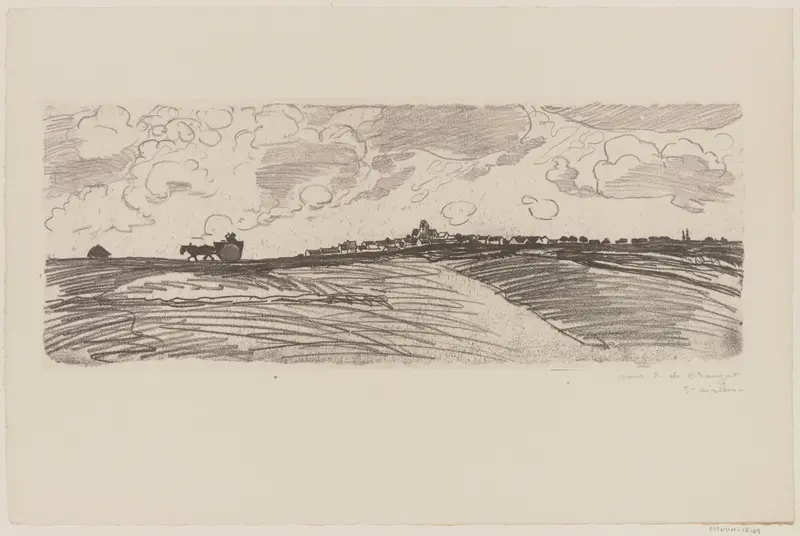
Village et charrette
Théophile Alexandre Steinlen
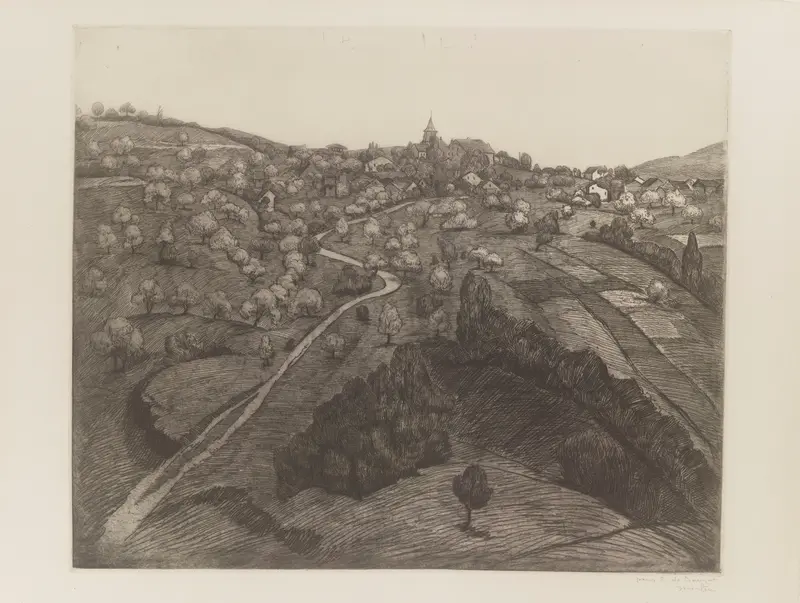
Vue de Belmont, près de Lausanne
Théophile Alexandre Steinlen
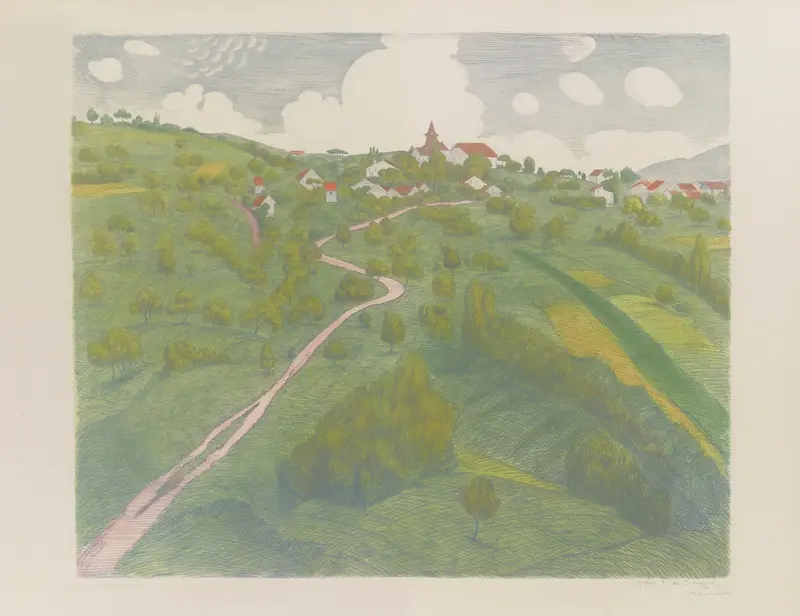
Vue de Belmont, près de Lausanne
Théophile Alexandre Steinlen
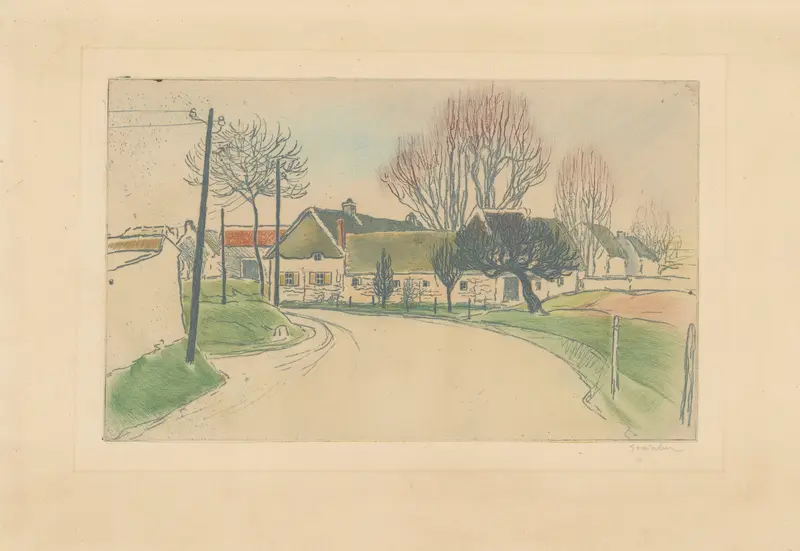
La maison à l’entrée du village
Théophile Alexandre Steinlen
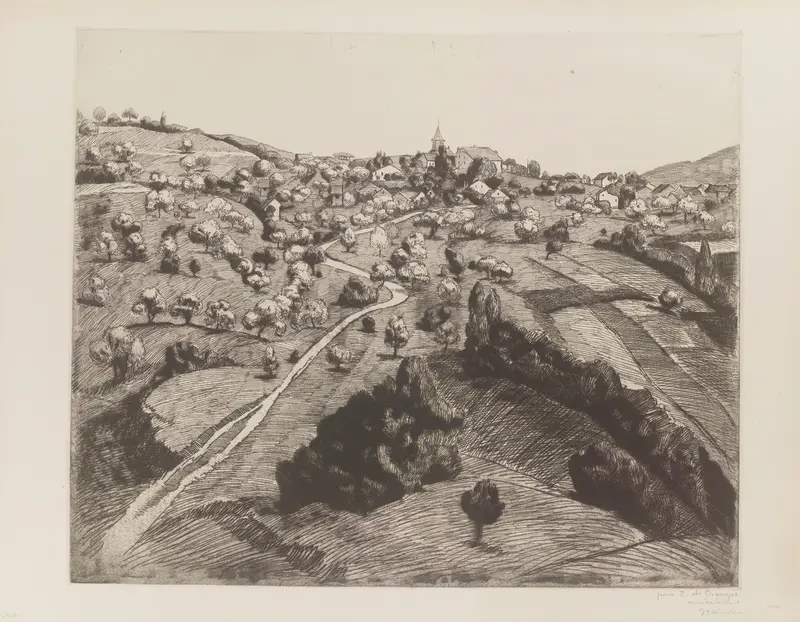
Vue de Belmont, près de Lausanne
Théophile Alexandre Steinlen
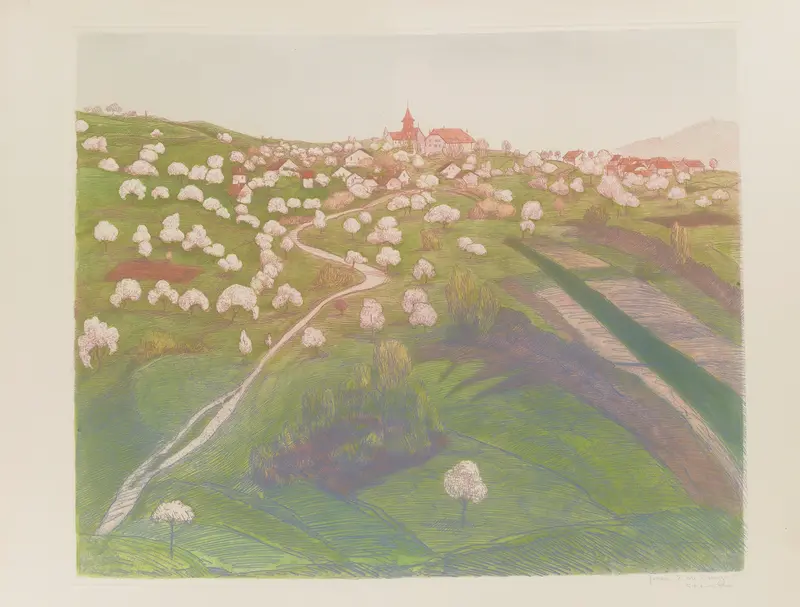
Vue de Belmont, près de Lausanne, n° 2
Théophile Alexandre Steinlen
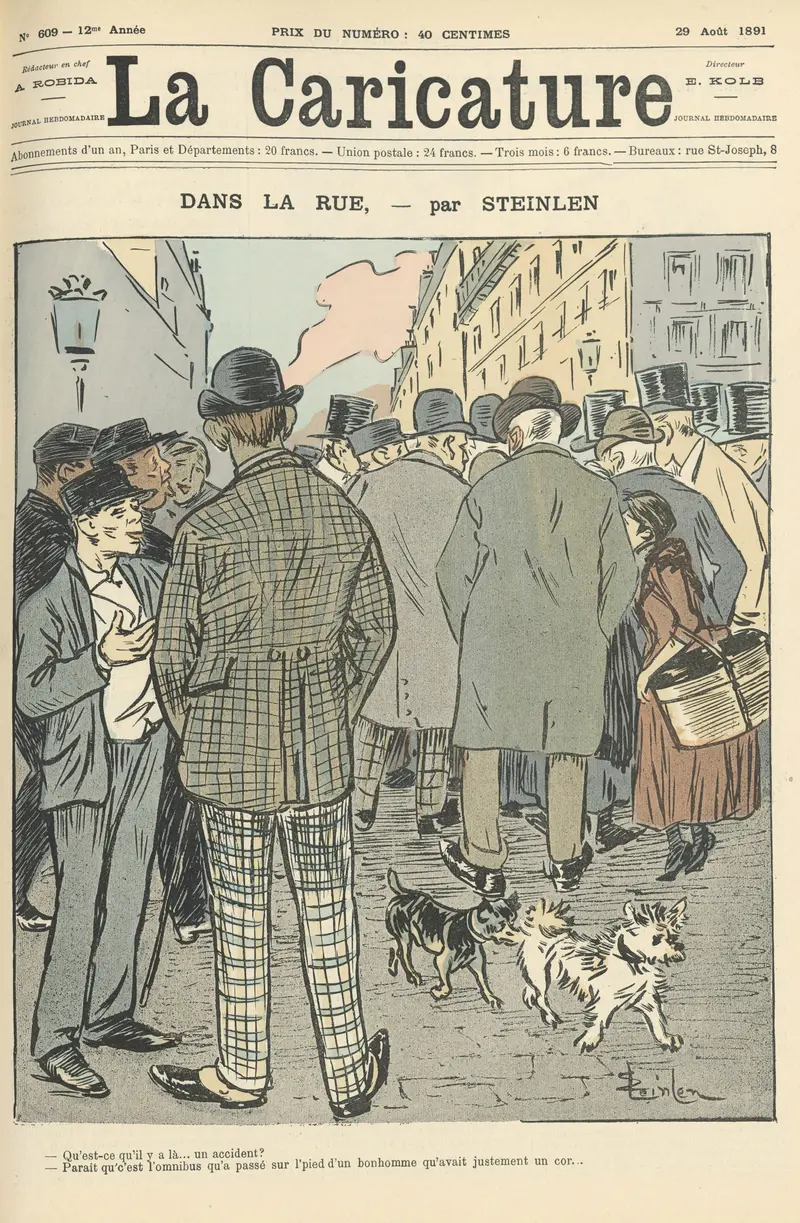
Dans la rue (La Caricature, 29 août 1891)
Théophile Alexandre Steinlen
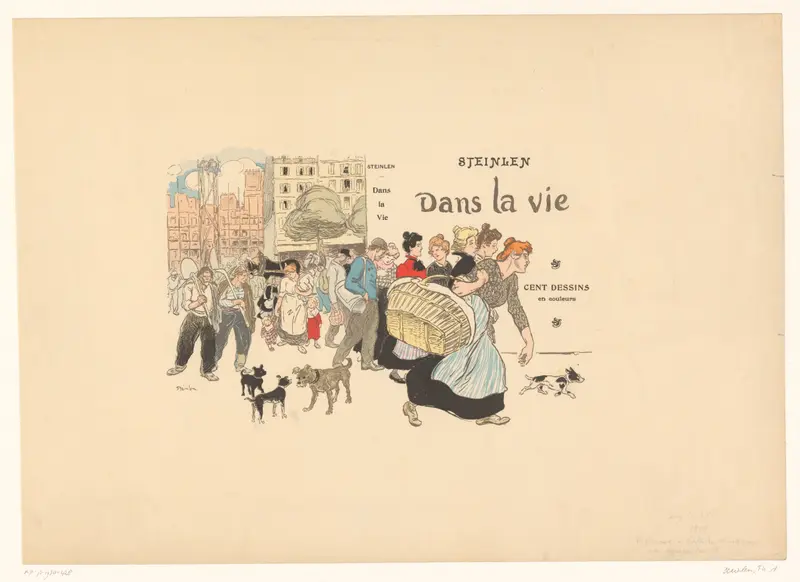
Dans la vie
Théophile Alexandre Steinlen
The Laundresses
Théophile Alexandre Steinlen





