
À la Trinité — History & Facts
What first catches the eye in À la Trinité is the electric tension between two figures locked in a silent, urban drama. The woman, wrapped in a pale cloak, stands at the center with her head turned slightly away, her red lips and feathered hat a flash of color against the wintery trees and muted crowd. The man beside her, with his sharp features and striped cravat, leans in with a sly gesture, cigarette poised between his fingers, his intent as ambiguous as her reaction is guarded.
Steinlen’s lines are brisk and alive, every contour of the woman’s coat and the man’s cane charged with the push and pull of Parisian street life. The background, with its arches and leafless trees, frames the encounter as both public spectacle and private moment, inviting the viewer to imagine the words unspoken between them. Created in 1893, this lithograph belongs to a world where posters and illustrated sheet music covers were the pulse of popular culture in Paris. Artists like Théophile Alexandre Steinlen were at the forefront of this visual revolution, turning everyday scenes and fleeting glances into icons of the Belle Époque.
Such images were often commissioned by publishers or music halls to advertise new songs or performances, as seen in the bold lettering crediting Achille Bloch and Louis Byrec. Though history has kept few traces of this particular work’s journey, its presence in the Bibliothèque nationale de France hints at the enduring fascination with the city’s nocturnal theater. Look again at the woman’s expression—half defiance, half resignation—and you glimpse the restless energy of a city always on the verge of another story.
More Artworks by Théophile Alexandre Steinlen

Village et charrette
Théophile Alexandre Steinlen
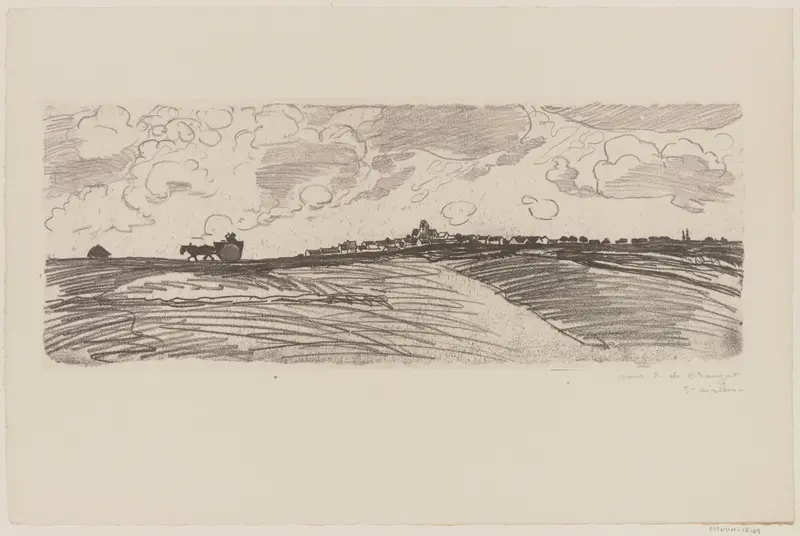
Village et charrette
Théophile Alexandre Steinlen
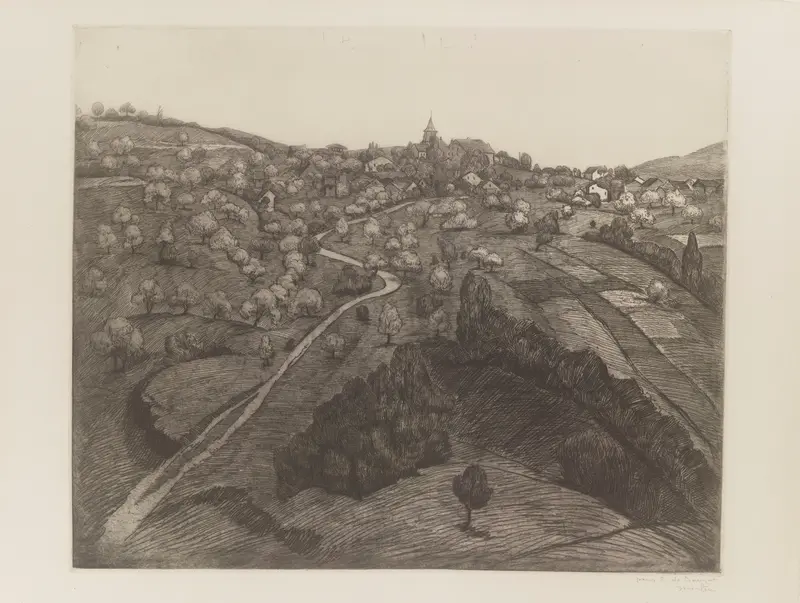
Vue de Belmont, près de Lausanne
Théophile Alexandre Steinlen
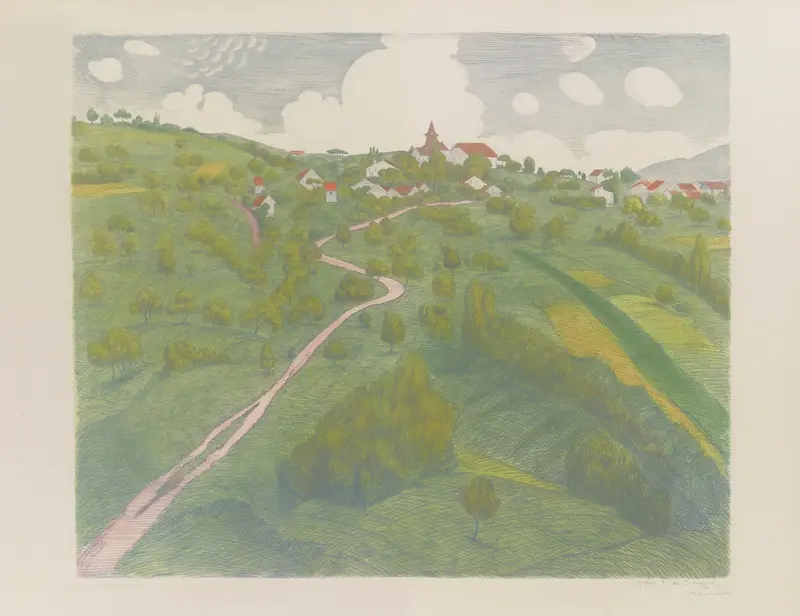
Vue de Belmont, près de Lausanne
Théophile Alexandre Steinlen
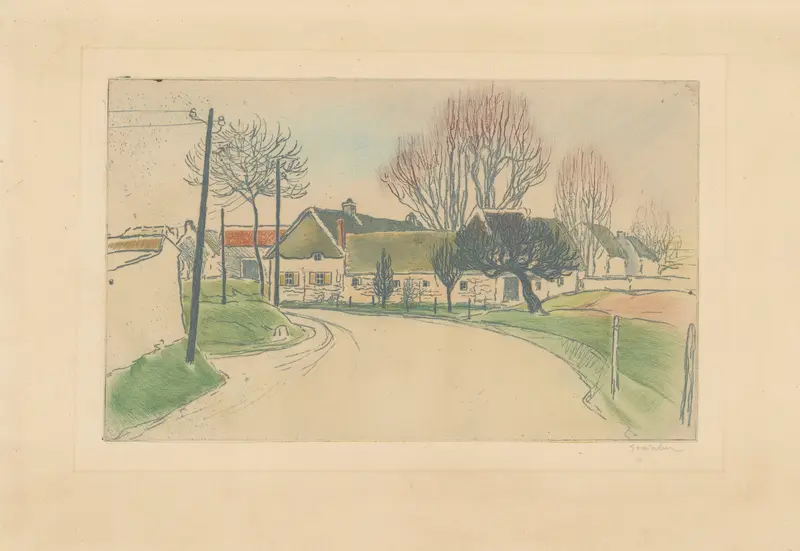
La maison à l’entrée du village
Théophile Alexandre Steinlen
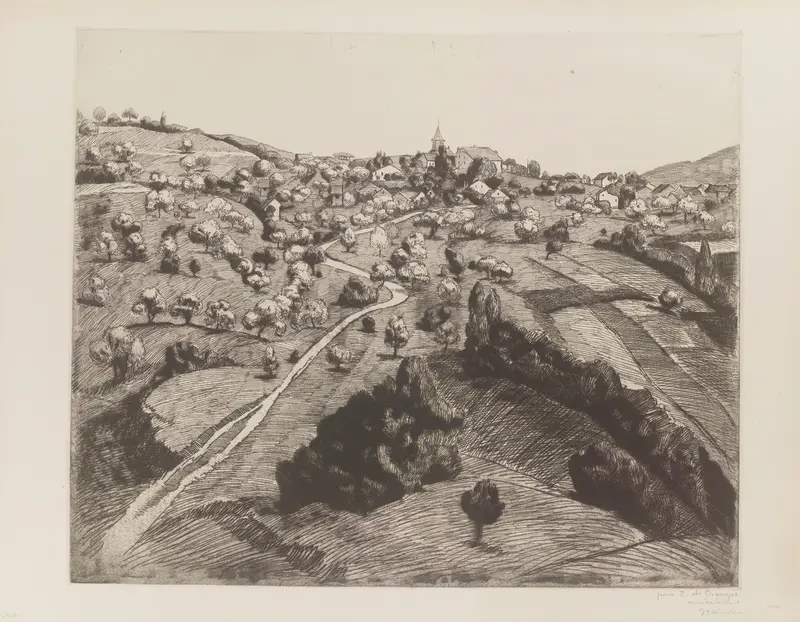
Vue de Belmont, près de Lausanne
Théophile Alexandre Steinlen
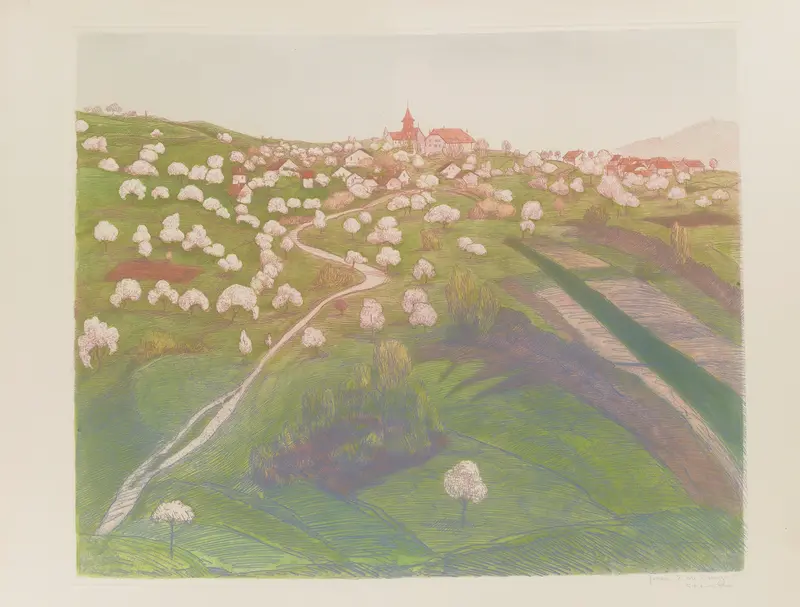
Vue de Belmont, près de Lausanne, n° 2
Théophile Alexandre Steinlen
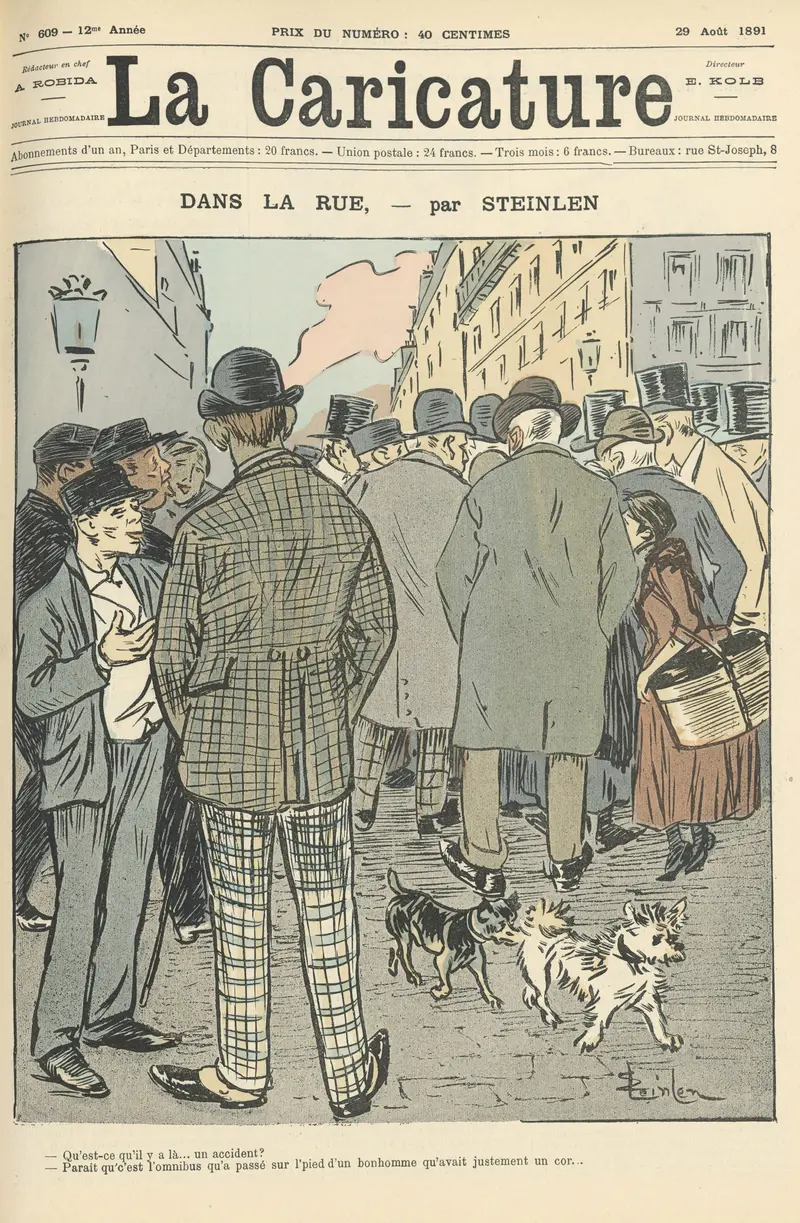
Dans la rue (La Caricature, 29 août 1891)
Théophile Alexandre Steinlen
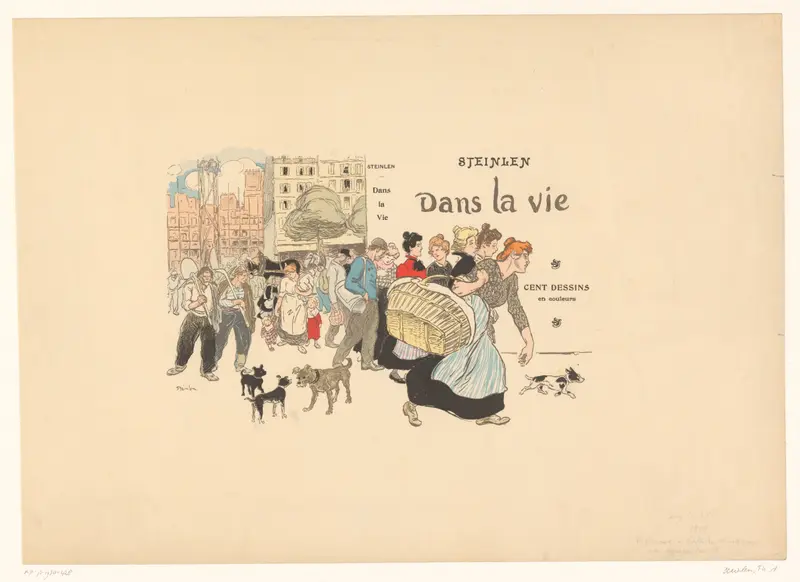
Dans la vie
Théophile Alexandre Steinlen
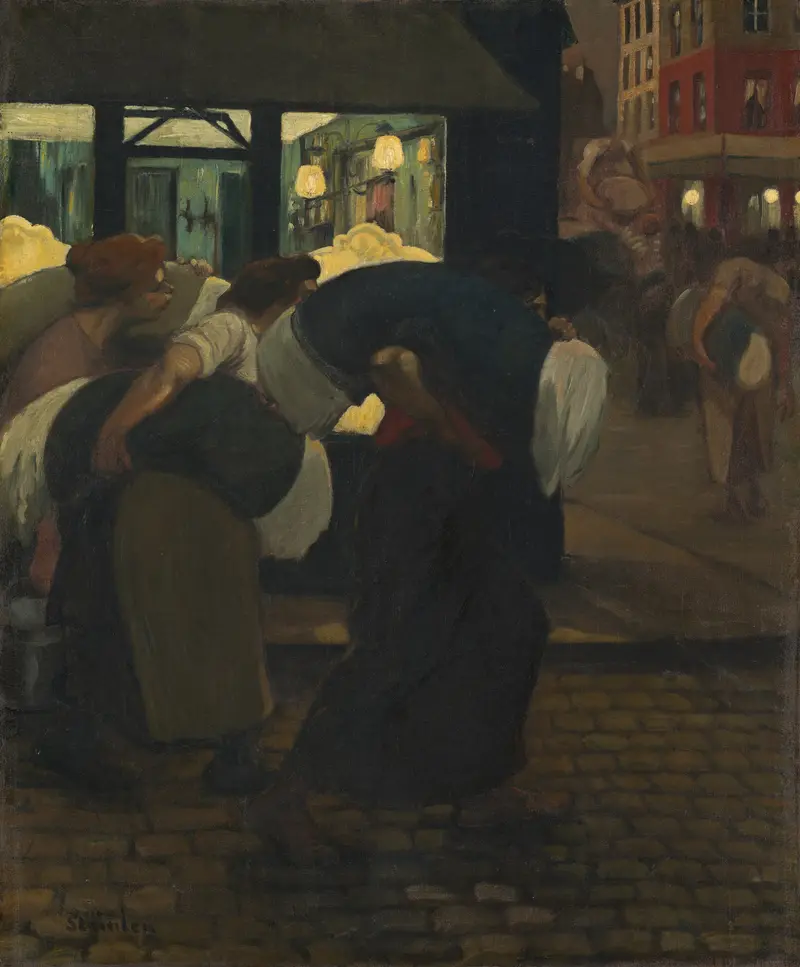
The Laundresses
Théophile Alexandre Steinlen
More Genre Scene Art

Banquet of the Officers of the St George Civic Guard
Frans Hals

Rembrandt and Saskia in the Scene of the Prodigal Son
Rembrandt van Rijn

Bal du moulin de la Galette
Pierre-Auguste Renoir

Quadrille at the Moulin Rouge
Henri de Toulouse-Lautrec

A Burial at Ornans
Gustave Courbet

When Will You Marry?
Paul Gauguin