
A lady bathing by a river, with two turtledoves — History & Facts
A gentle invitation into a secret world: that is the first promise of A lady bathing by a river, with two turtledoves by Louis-Jean-François Lagrenée. The eye is drawn not just to the figure at the water’s edge, but to the way she pauses, mid-gesture, as if aware she is observed yet undisturbed. The soft, diffused light caresses her skin and the folds of drapery, while the rich green backdrop holds her in a secluded glade.
The turtledoves at her feet are no idle detail—they murmur of fidelity and love, hinting at myth or allegory, but the painter leaves her identity suspended, inviting the viewer to linger in the ambiguity. Painted in 1769, this work emerges from the world of eighteenth-century France, when the Rococo taste for sensuality and mythological allusion was at its height. Such paintings were often destined for the private salons of the elite, designed to delight and to flatter the learned gaze with their coded references and polished surfaces. Lagrenée was known for his refined handling and his ability to blend classical restraint with gentle intimacy, and this painting, now recorded in a modern collection, is a testament to that reputation.
History has kept few traces of this specific canvas, but its mood and manner are unmistakably of their time—inviting us to step closer and decipher what is revealed, and what remains just out of reach.
More Artworks by Louis-Jean-François Lagrenée
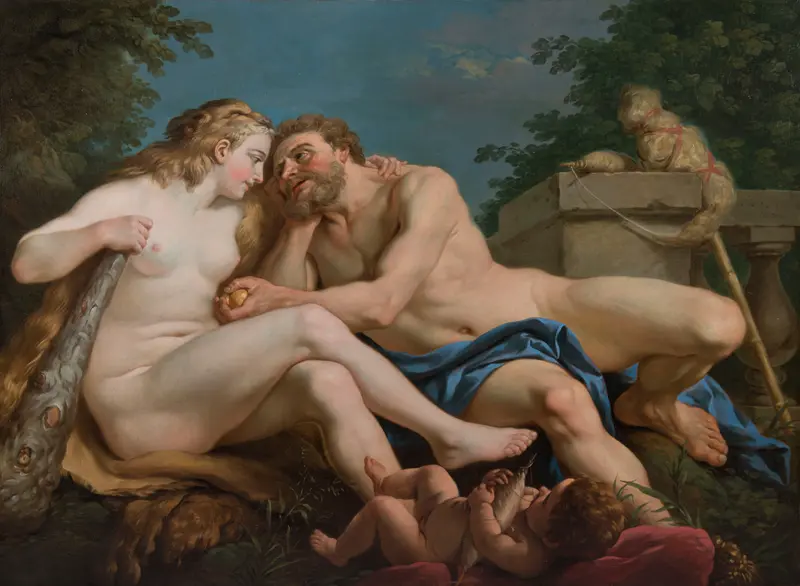
Herkules and Omphale
Louis-Jean-François Lagrenée
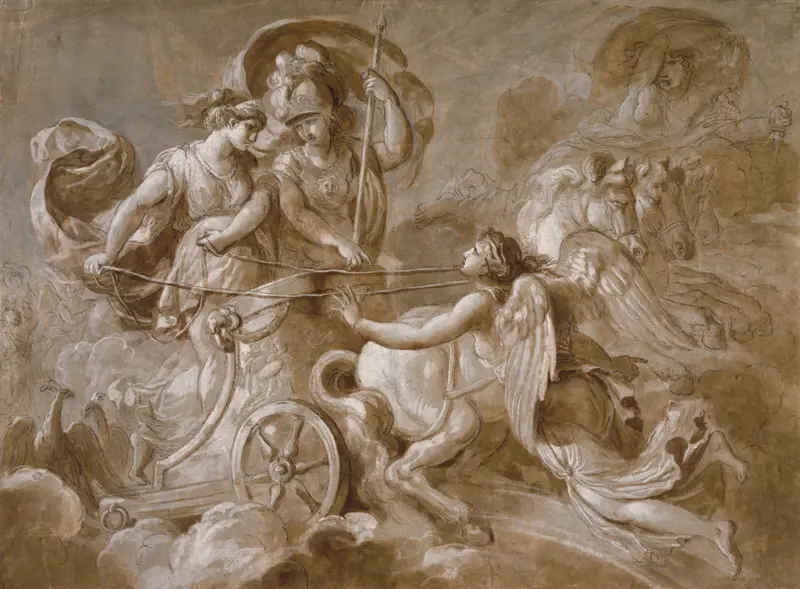
Iris Approaching Athena and Hera
Louis-Jean-François Lagrenée
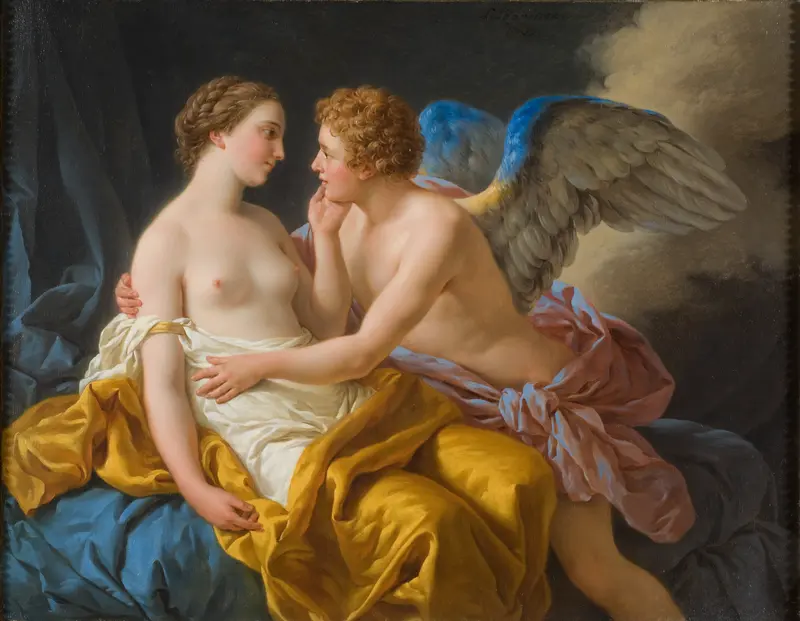
Cupid and Psyche
Louis-Jean-François Lagrenée
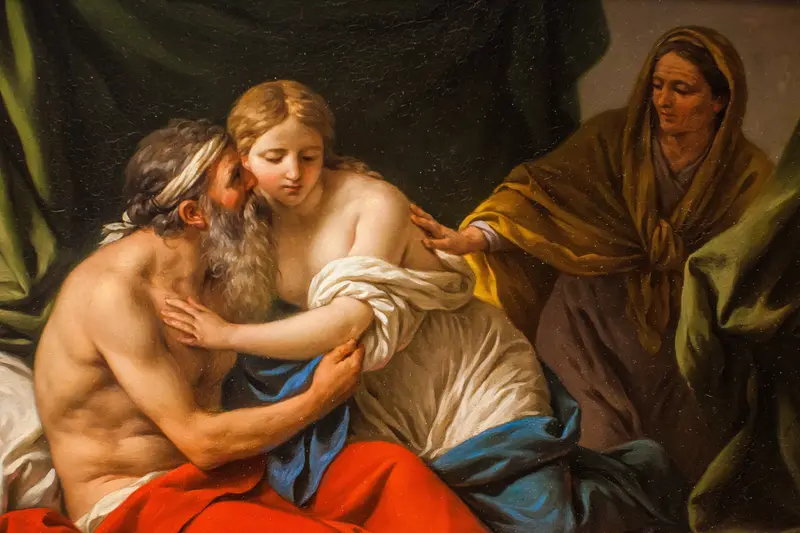
Sarah Presenting Hagar to Abraham
Louis-Jean-François Lagrenée
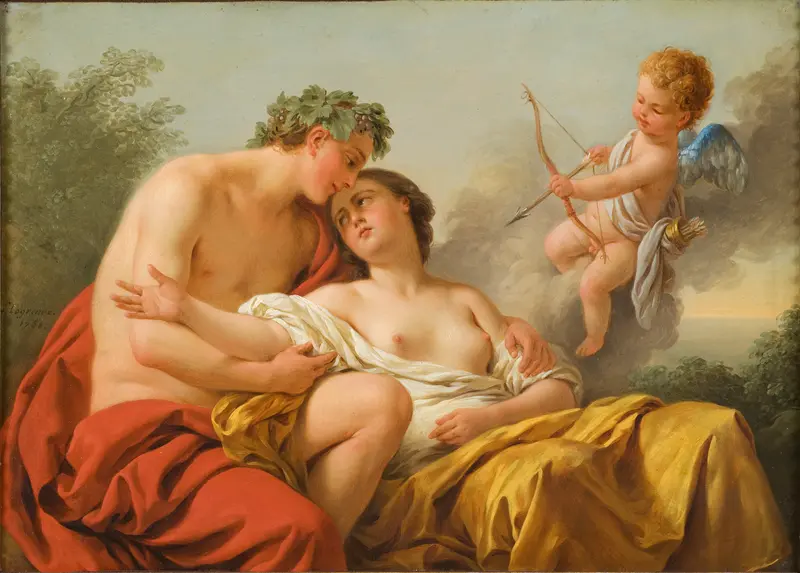
Bacchus and Ariadne
Louis-Jean-François Lagrenée
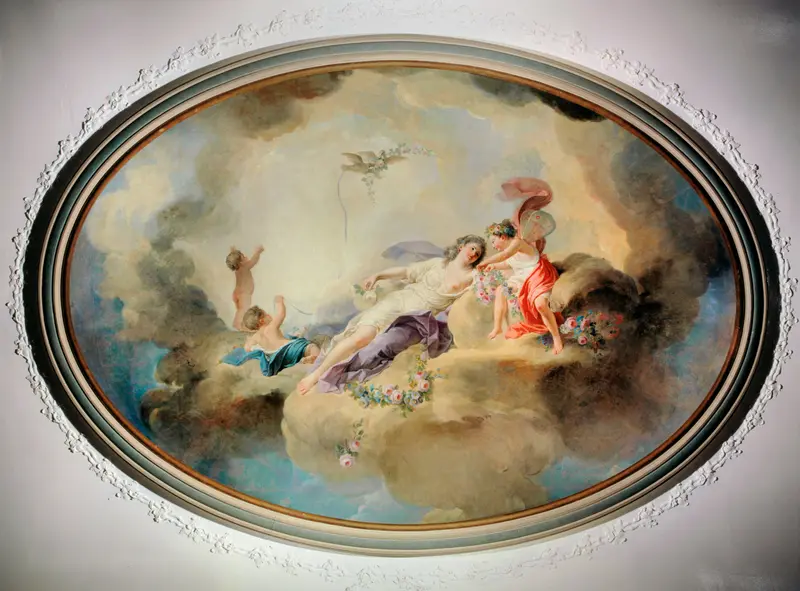
Louis Jean François Lagrenée Le triomphe de Flore P787 Musée Carnavalet
Louis-Jean-François Lagrenée
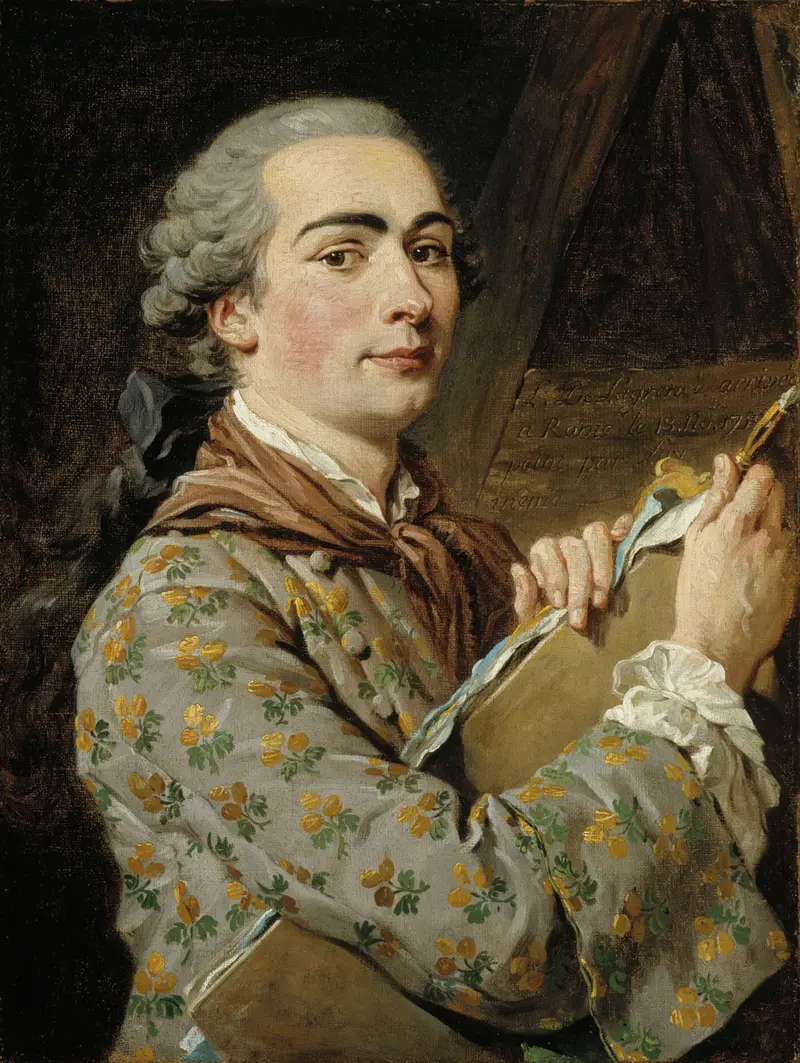
Self-Portrait
Louis-Jean-François Lagrenée
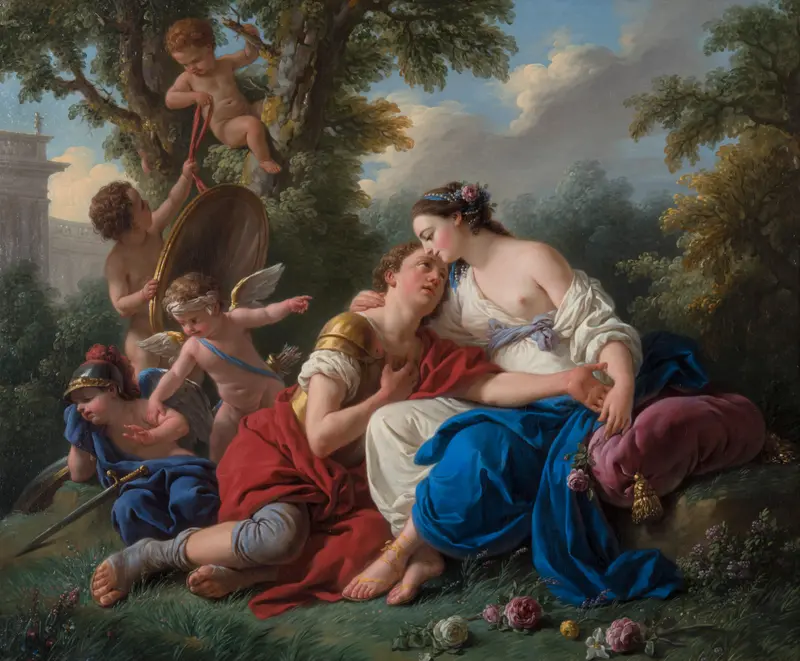
Rinaldo and Armida
Louis-Jean-François Lagrenée
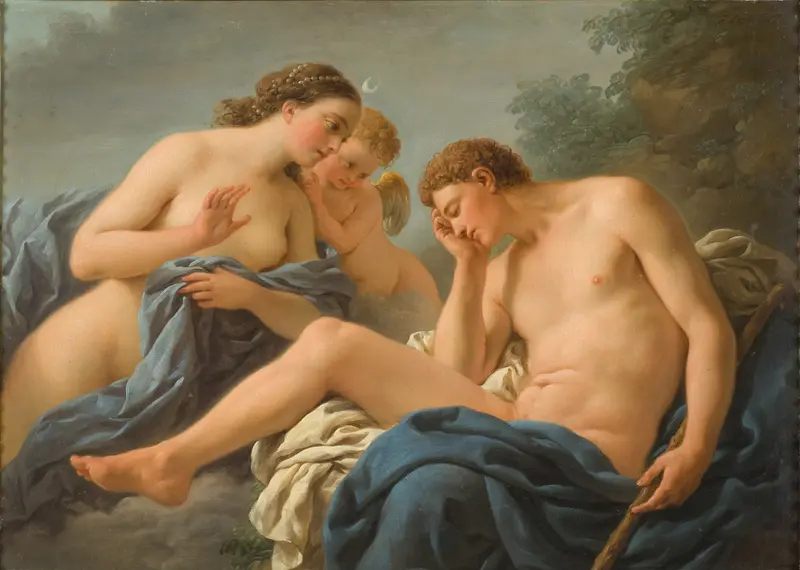
Diana and Endymion
Louis-Jean-François Lagrenée
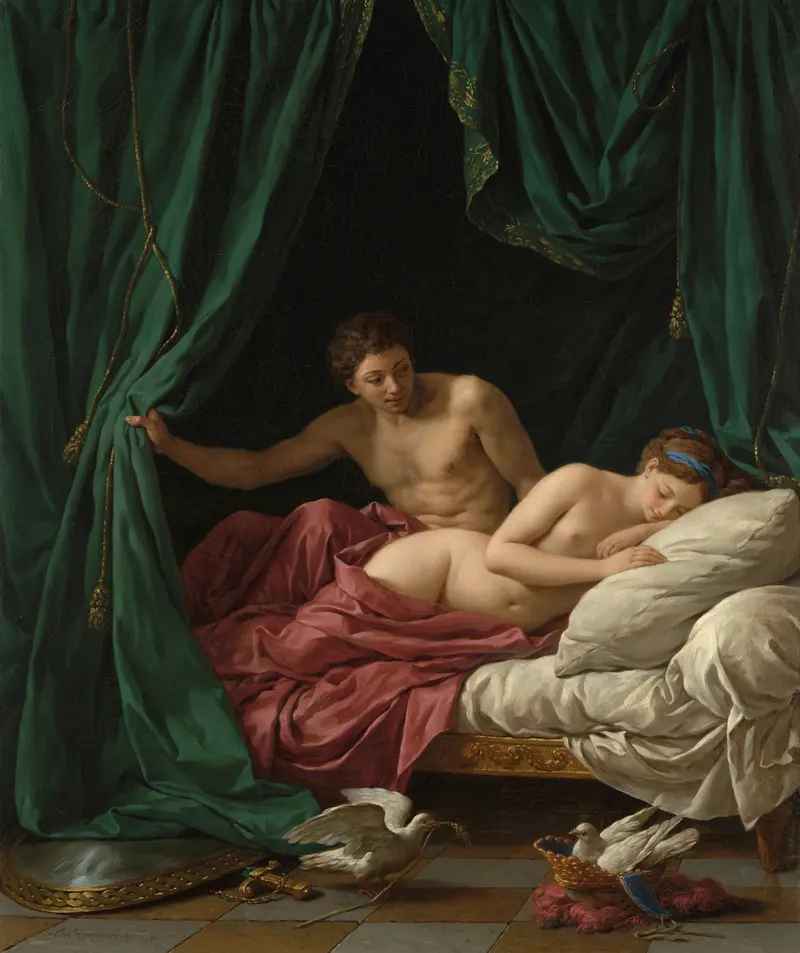
Mars and Venus, Allegory of Peace
Louis-Jean-François Lagrenée





