
A Landscape On The Pond — History & Facts
When did color learn to lie? In a world where hues dance across the canvas, what truths do they conceal? The promise of nature often masks deeper realities, inviting us to explore the layers beneath its surface. Look to the center of the piece where gentle ripples fracture the stillness of the pond, reflecting a kaleidoscope of greens and blues. The artist employs soft brushstrokes, blurring the lines between sky and water, evoking a sense of harmony. Notice how the light dapples through the surrounding foliage, casting fleeting shadows that suggest the passage of time.
Each stroke feels deliberate, yet spontaneous, as if capturing a moment that is both ephemeral and eternal. Within this landscape, a tension exists between the serenity of nature and the isolation it can evoke. The vibrant foliage beckons, yet the still water holds the secrets of what lies beneath. The viewer might ponder what faith we place in such a tranquil scene, questioning the stability of beauty itself.
This landscape, while visually captivating, offers a duality: a sanctuary and a reminder of solitude. Adolf Kaufmann painted this work during a period of exploration in European art, likely in the late 19th to early 20th century. His surroundings were steeped in a growing appreciation for impressionism, reflecting a shift towards lighter palettes and softer forms. Amidst personal challenges, Kaufmann sought solace in nature, translating his experiences into a visual language that resonates with both beauty and introspection.
More Artworks by Adolf Kaufmann
Browse all →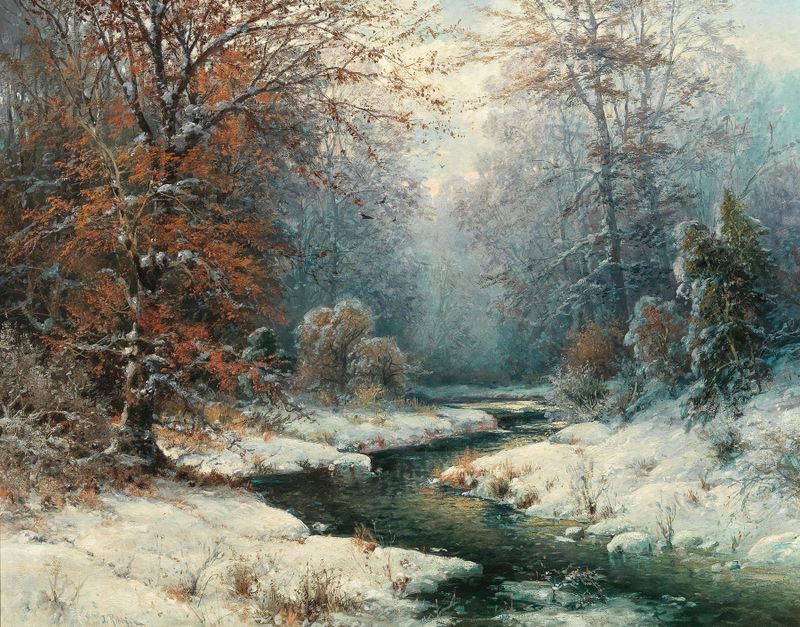
Winterliche Flusslandschaft
Adolf Kaufmann
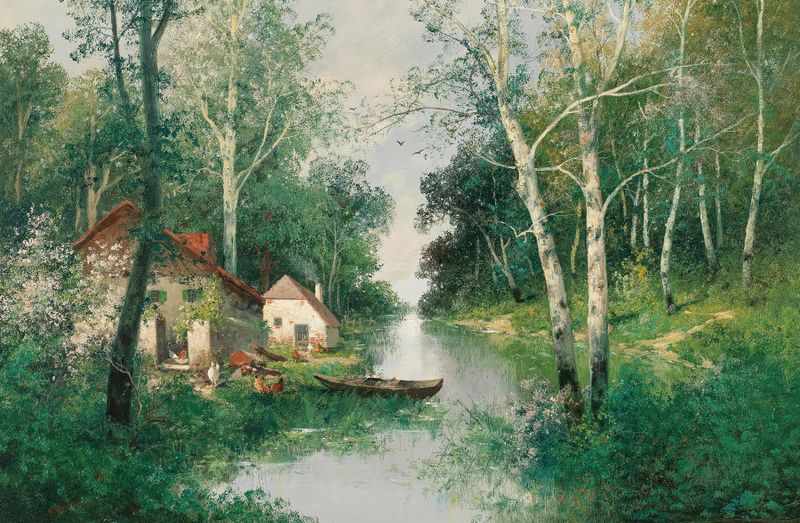
A River Landscape in Spring
Adolf Kaufmann
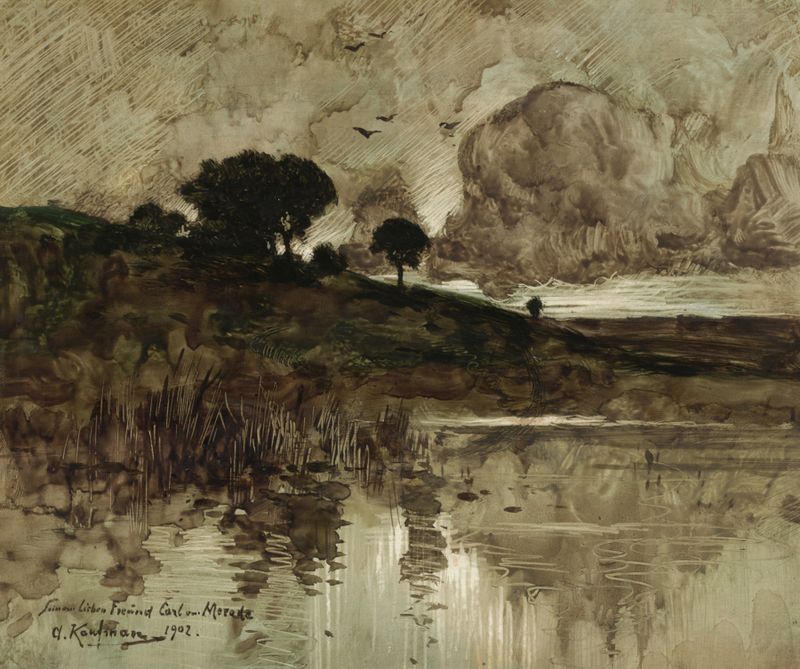
Herbstabend am See
Adolf Kaufmann
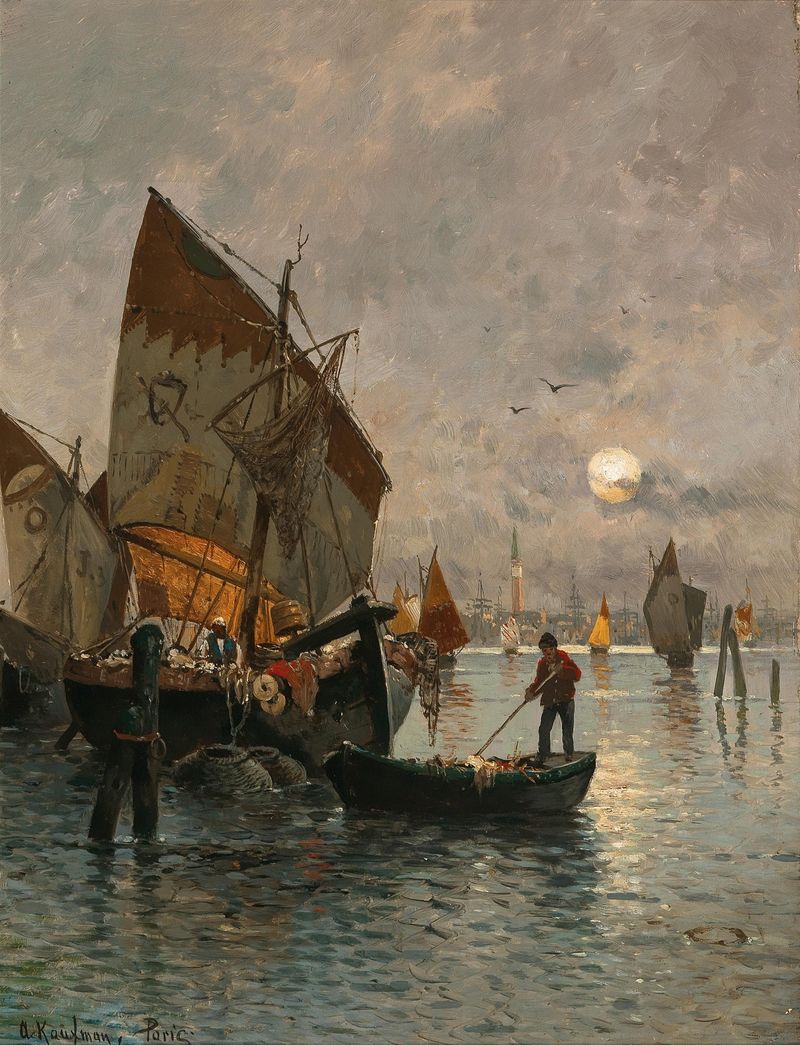
In der Lagune Venedigs
Adolf Kaufmann
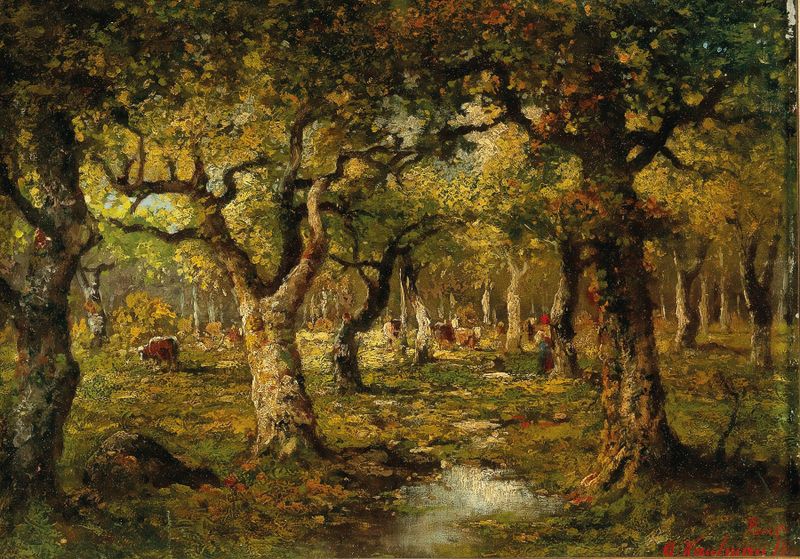
In the Forest of Barbizon
Adolf Kaufmann
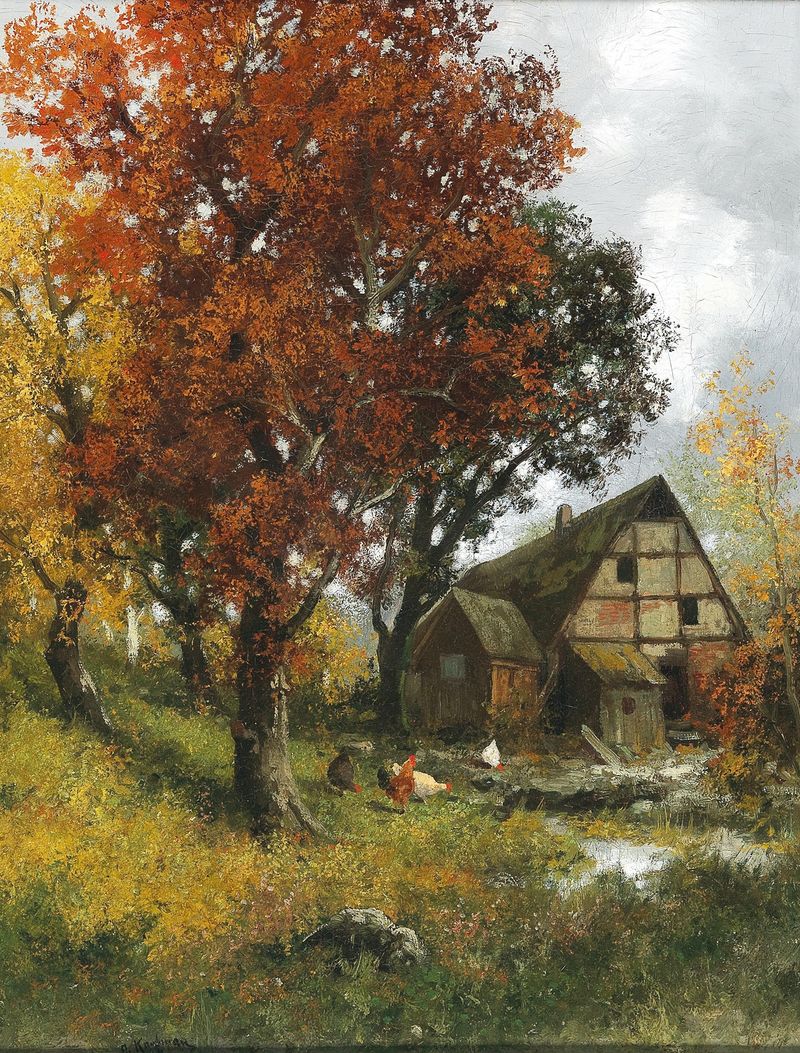
A Mill in an Autumnal Forest
Adolf Kaufmann
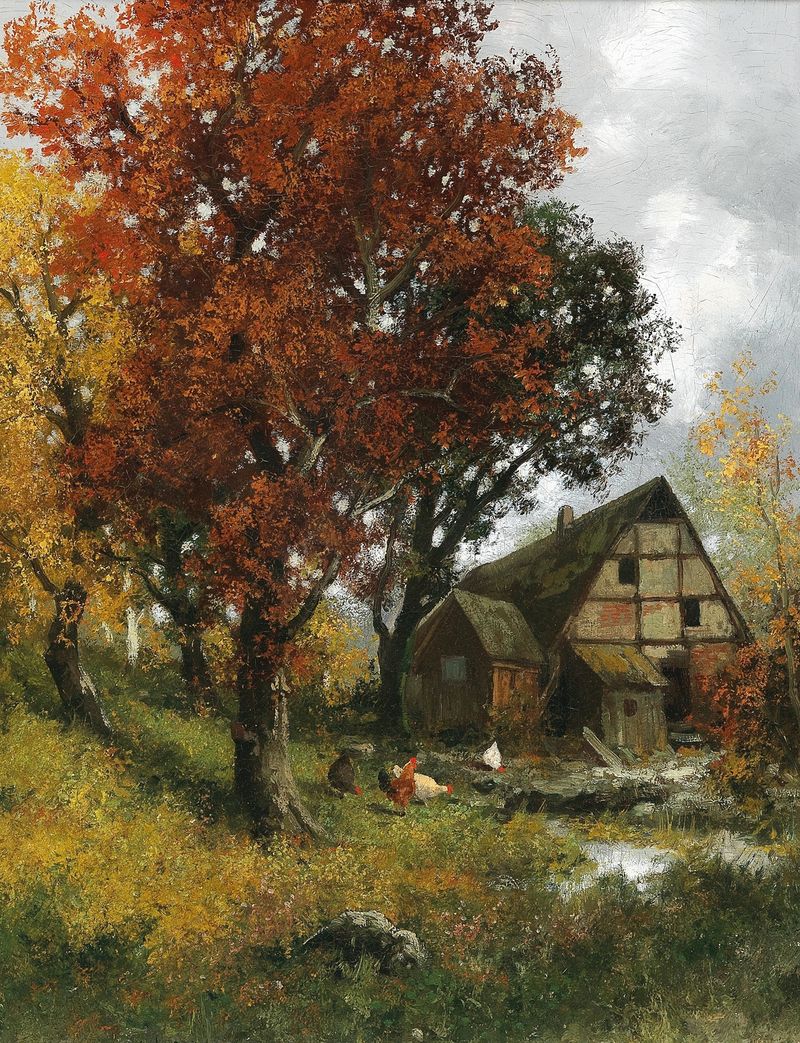
Mühle im Herbstwald
Adolf Kaufmann
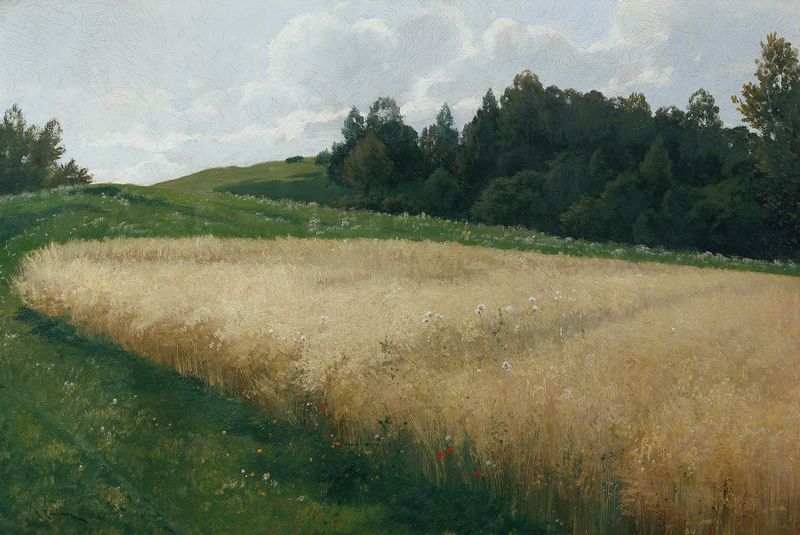
Das Haferfeld
Adolf Kaufmann
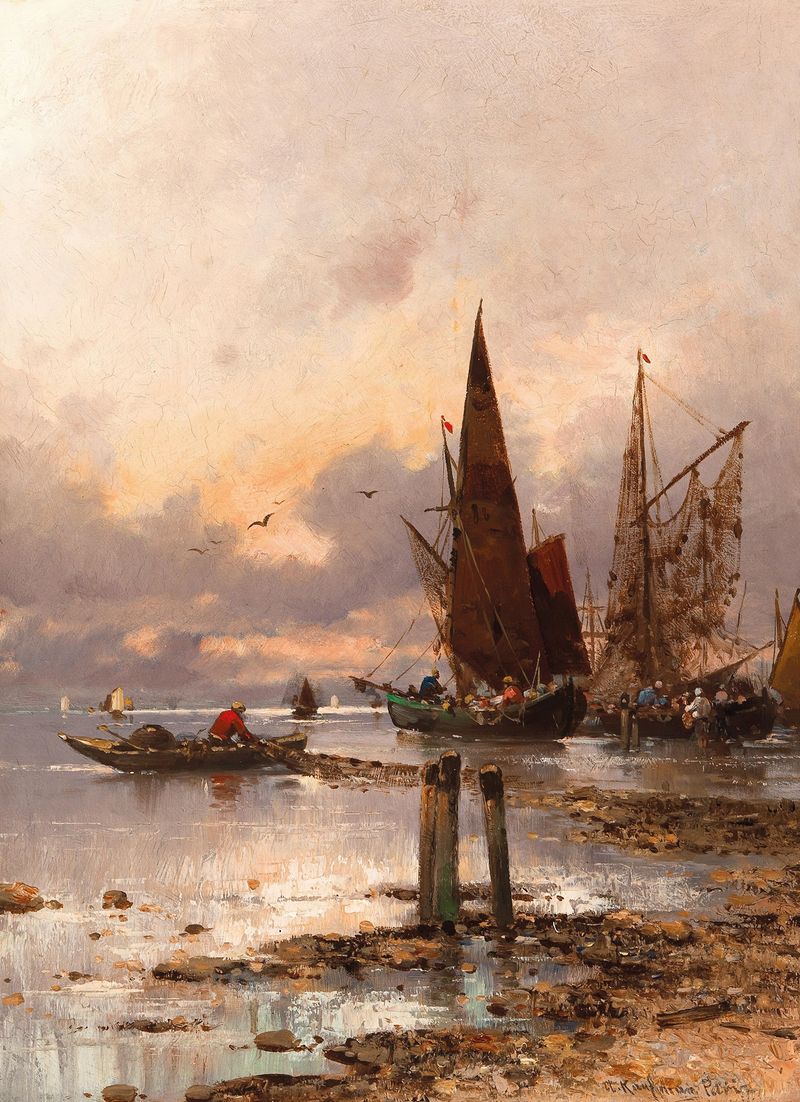
Sonnenuntergang an der griech. Küste
Adolf Kaufmann
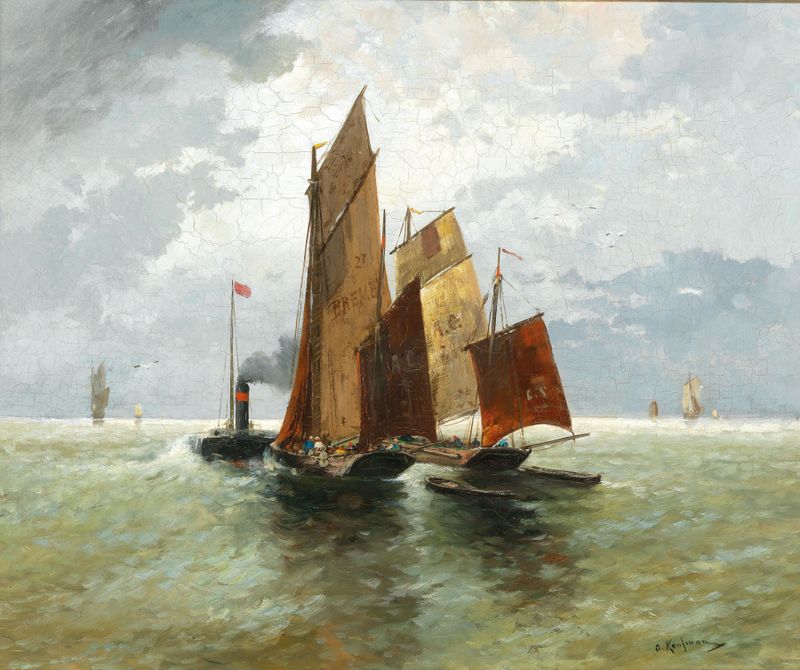
Steamboat and Fishing Boats at Sea
Adolf Kaufmann





