
A Leg and a Pig’s Head — History & Facts
In A Leg and a Pig’s Head, Jacques Callot presents a striking still life composition. The painting features a severed pig's head alongside a leg, rendered in a palette of earthy tones. The textures of the meat and the stark contrast between the flesh and the background create a visceral impact.
The setting is simple, allowing the focus to remain on the subject matter. The work is executed with a meticulous attention to detail, characteristic of Baroque art. Callot’s use of chiaroscuro enhances the three-dimensionality of the objects, making them appear almost tangible. The composition is balanced, with the pig's head and leg positioned to draw the viewer's eye across the canvas.
This technique showcases Callot's skill in creating lifelike representations. Jacques Callot, active in the early 17th century, was known for his innovative prints and paintings. This work reflects the Baroque fascination with realism and the grotesque, often seen in still life paintings of the time. Interestingly, Callot's works often included social commentary, and this piece may hint at themes of consumption and mortality.
His unique style has influenced many artists in the centuries that followed.
More Artworks by Jacques Callot

De verloren zoon als zwijnenhoeder
Jacques Callot
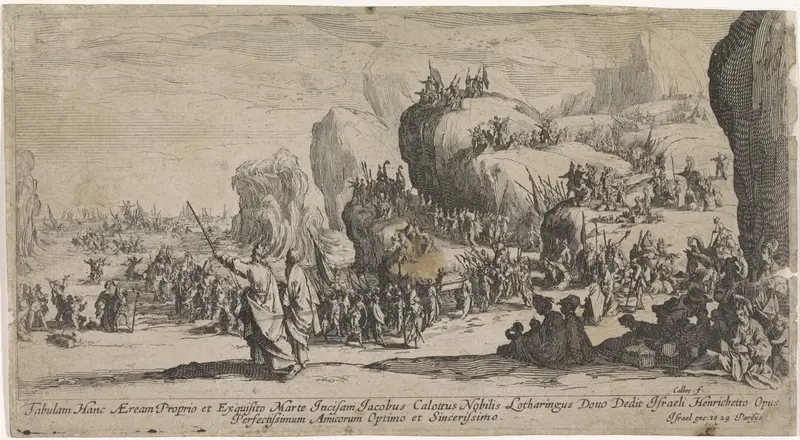
De doortocht door de Rode Zee
Jacques Callot

Kruisiging
Jacques Callot
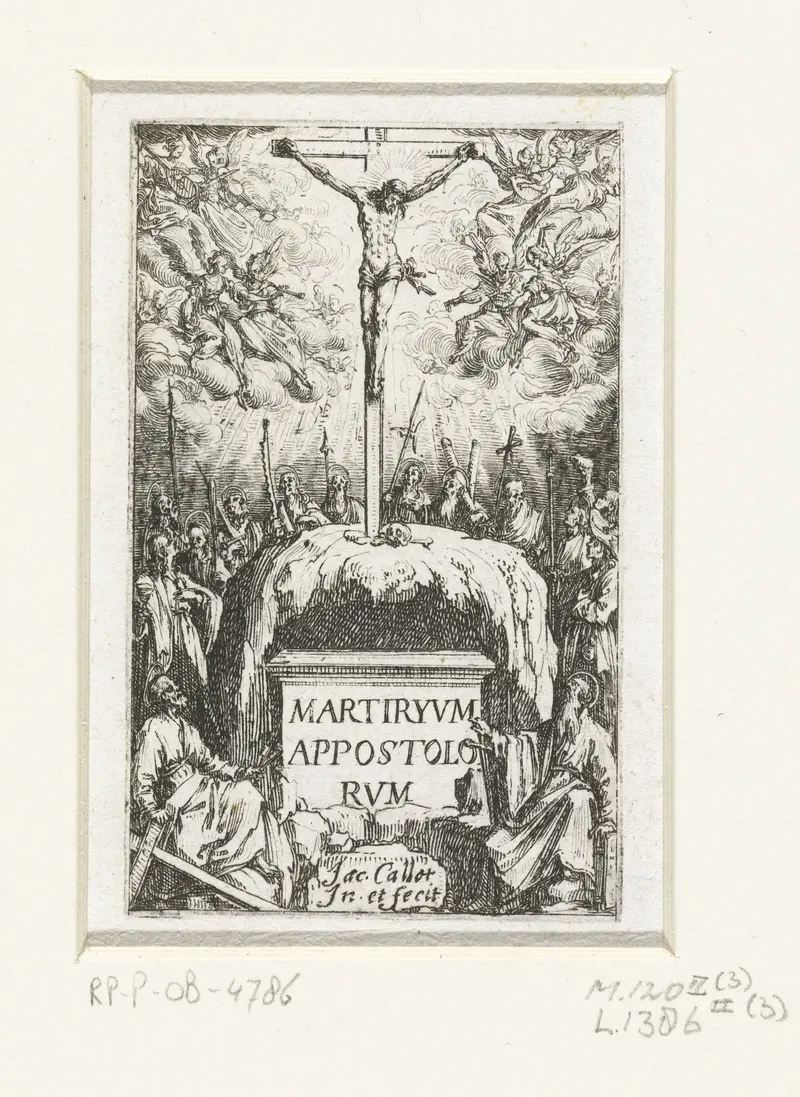
Titelprent voor de prentreeks 'De kleine apostelen' (Het martelaarschap van de apostelen)
Jacques Callot
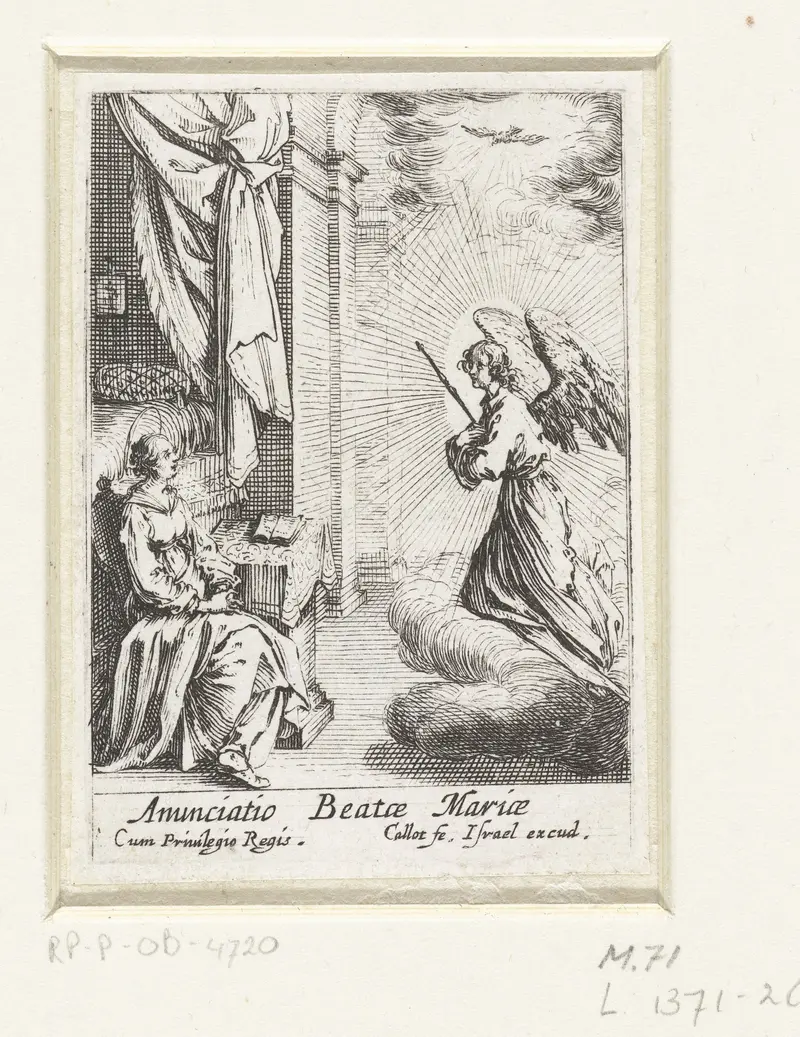
Annunciatie
Jacques Callot
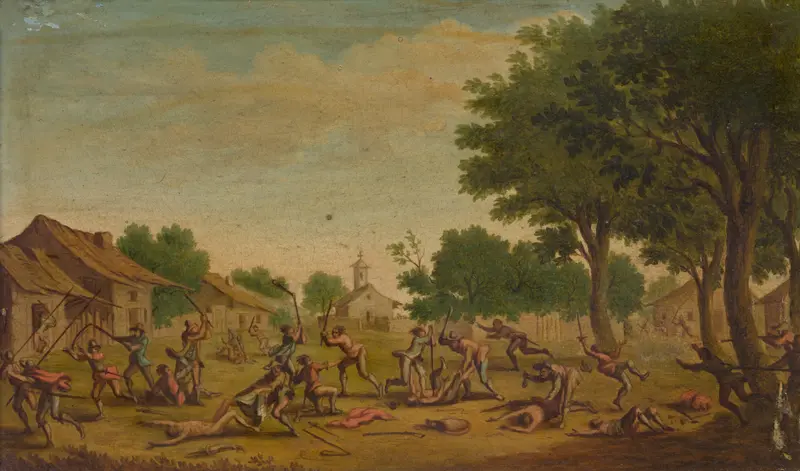
Village Fight
Jacques Callot
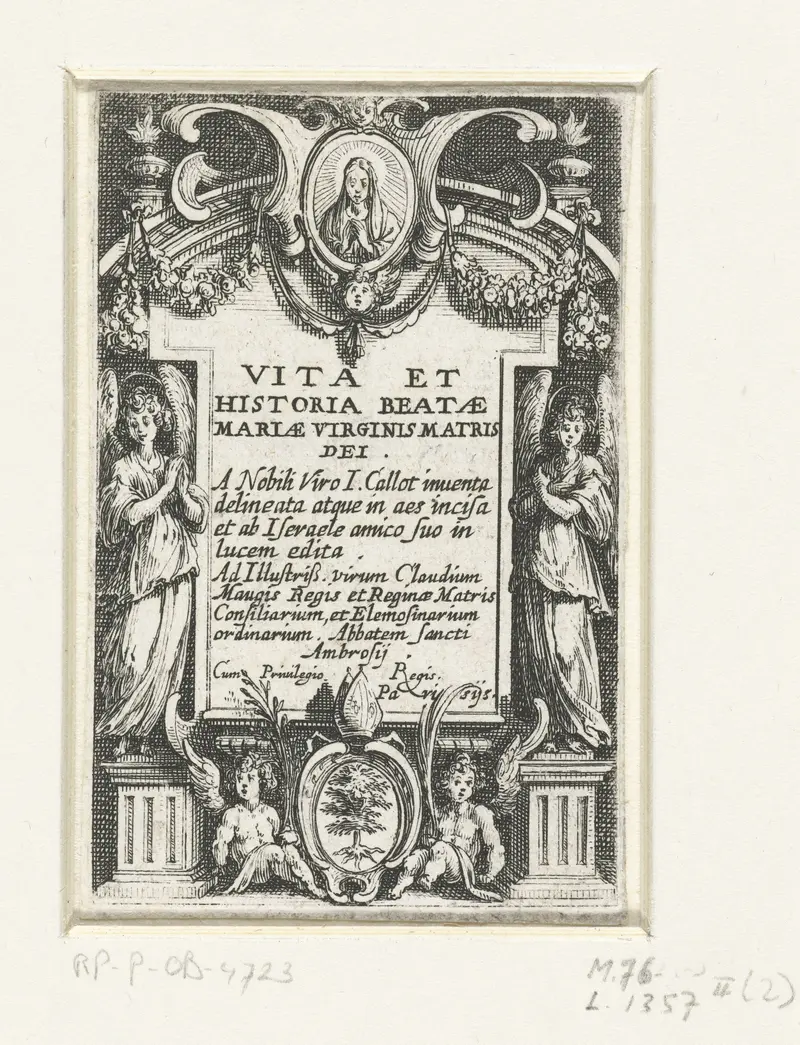
Titelprent voor prentreeks 'Het leven van Maria'
Jacques Callot
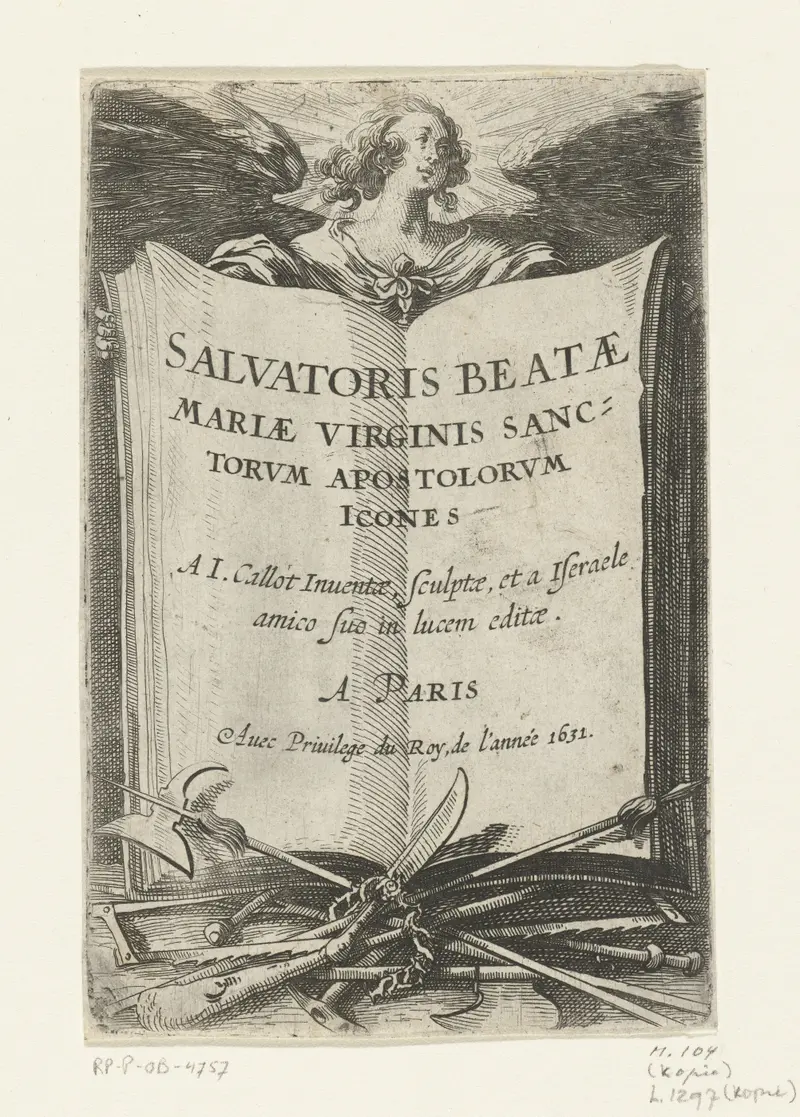
Titelprent voor de prentreeks 'De grote apostelen' (Christus, Maria en de apostelen)
Jacques Callot

Kruisoprichting
Jacques Callot
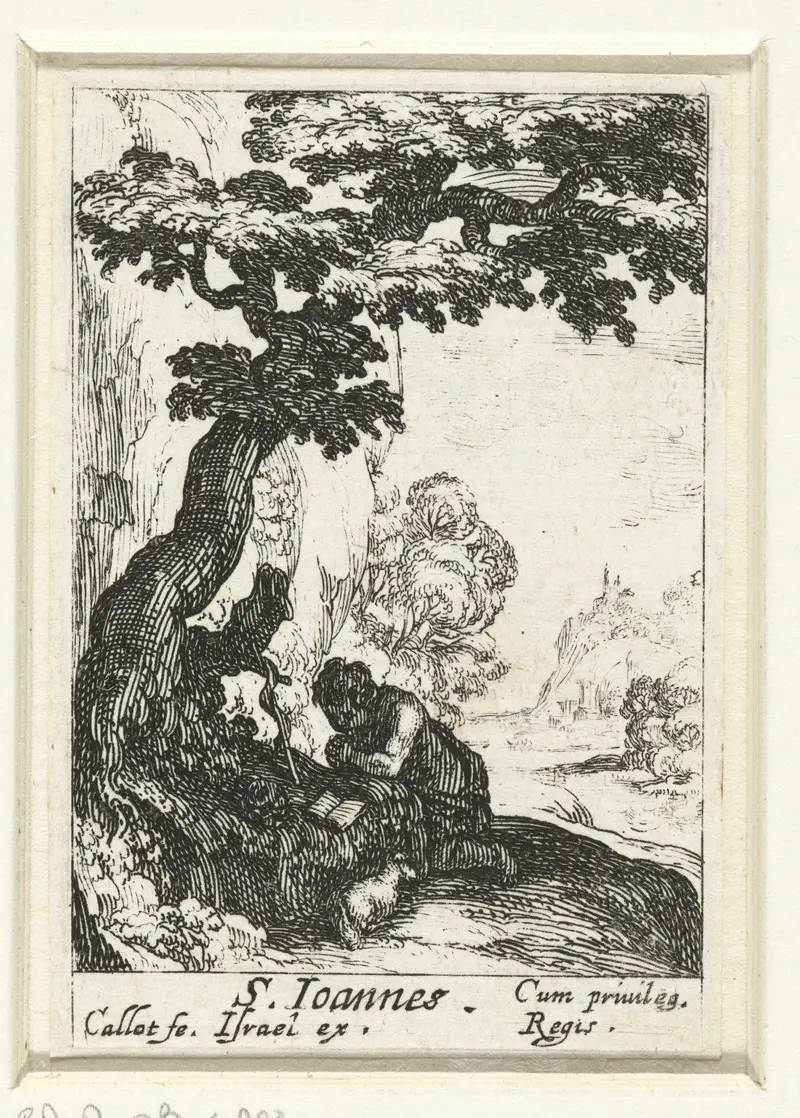
De boetvaardige Johannes de Doper
Jacques Callot





