
A Little Restaurant (at Night) — History & Facts
In the dimly lit embrace of night, shadows play tricks on the mind, revealing the delicate tension between comfort and violence lurking beneath the surface. Look to the left at the solitary lantern hanging outside the small eatery, casting a warm, inviting glow that contrasts sharply with the cool blues and deep blacks of the night. The soft, rounded shapes of the restaurant's façade invite the viewer in, while the jagged edges of surrounding shadows hint at an underlying, unseen danger. Notice how the brushstrokes ebb and flow, weaving a tapestry of stillness and mystery, compelling the eye to explore the intricate interplay between light and dark. The juxtaposition of warmth and solitude speaks to a deeper emotional tension—the comfort of food and community set against the backdrop of a world that might not be as safe as it seems.
The quiet stillness of the scene can be felt, yet it resonates with an unspoken unrest, as if the restaurant is a refuge from the chaos outside. This duality encapsulates a moment in time where life teeters between the mundane and the menacing, beckoning viewers to consider what threats might lurk beyond the door. In 1933, the artist painted this work amid a rapidly changing Japan, where traditional values clashed with modernity. Living in a tumultuous period marked by political strife and social change, he sought to capture not only the beauty of everyday life but also the underlying currents of unrest that accompanied it.
The painting stands as a testament to the complexities of human experience, framed within the intimate setting of a simple restaurant.
More Artworks by Yoshida Hiroshi
Browse all →
Crytomeria Avenue (Sugi Namiki)
Yoshida Hiroshi
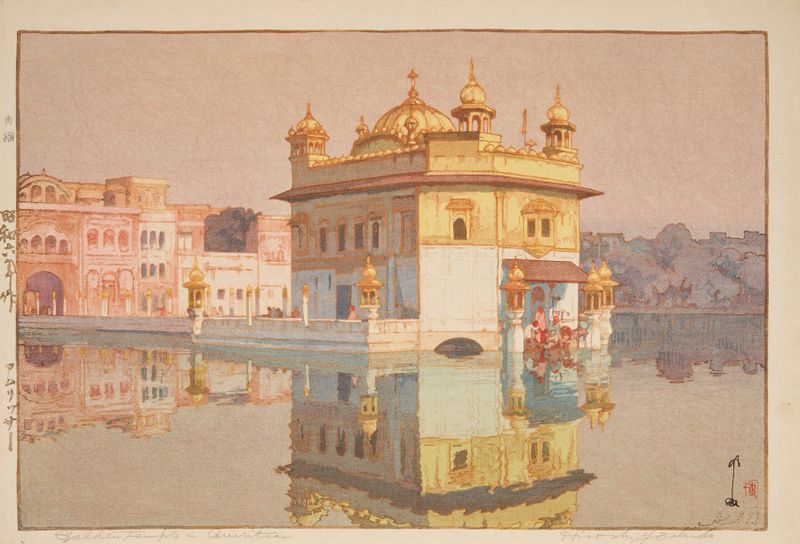
Amurissaa (Golden Temple in Amritsar)
Yoshida Hiroshi

High Gate in Ajmer (Ajumeru no Berenderuwajaa)
Yoshida Hiroshi

Fujiyama from Gotemba
Yoshida Hiroshi
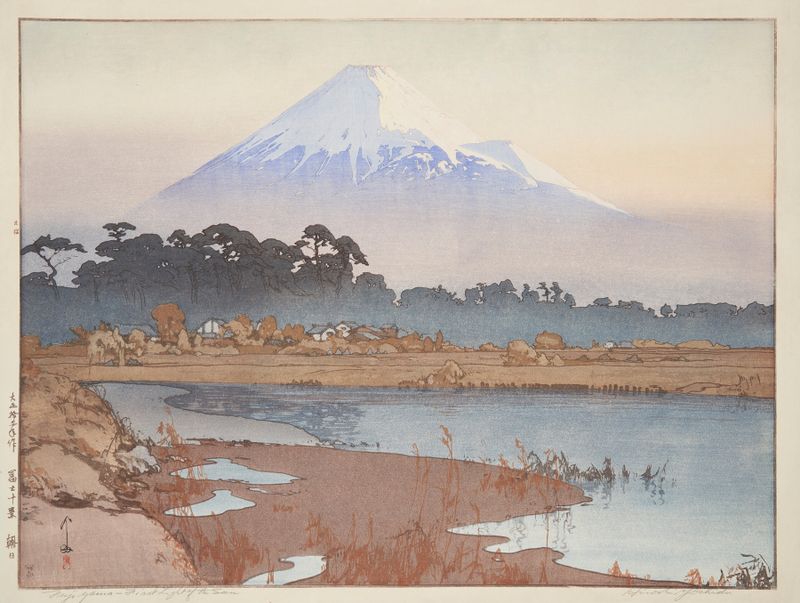
Asahi (Sunrise).
Yoshida Hiroshi
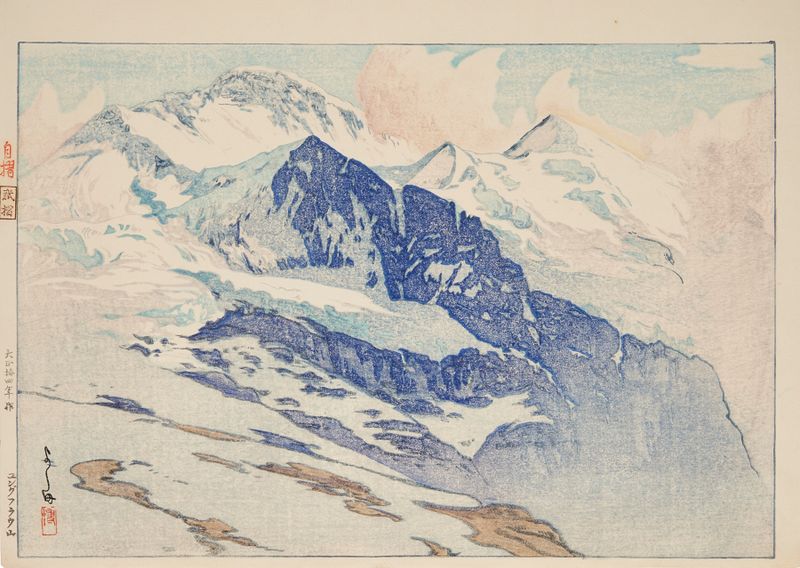
Yungufurau-yama (Jungfrau)
Yoshida Hiroshi
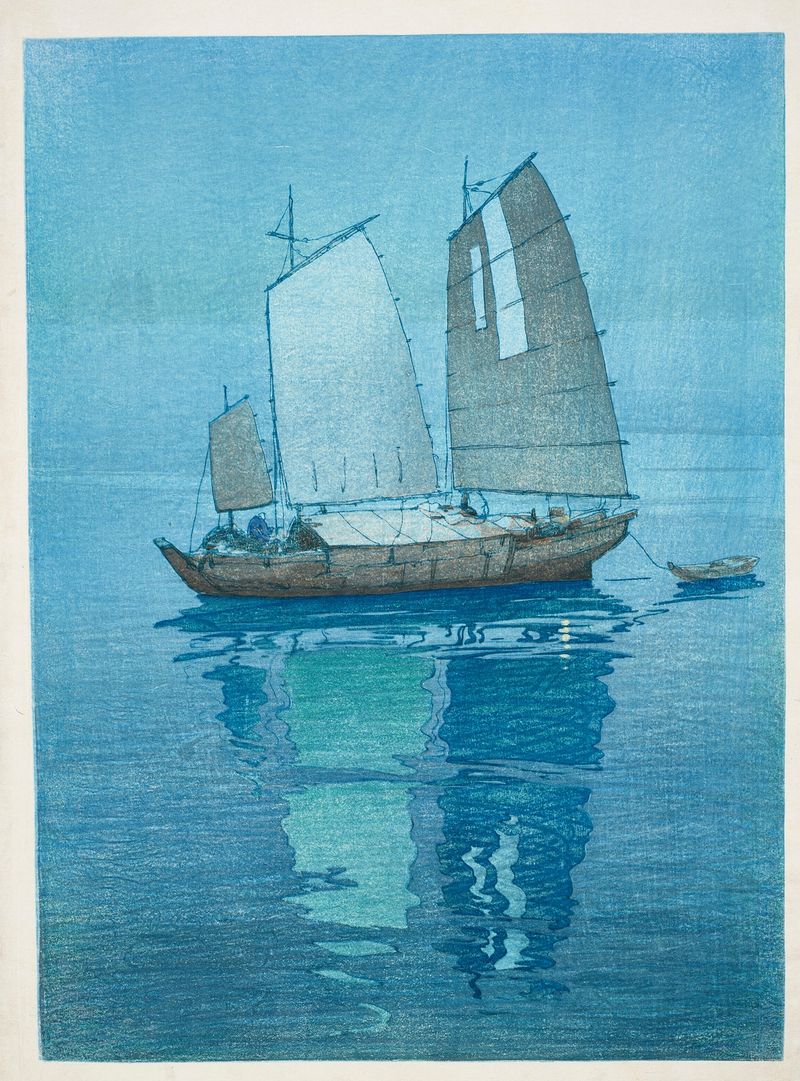
Hansen (Sailing Boats)
Yoshida Hiroshi
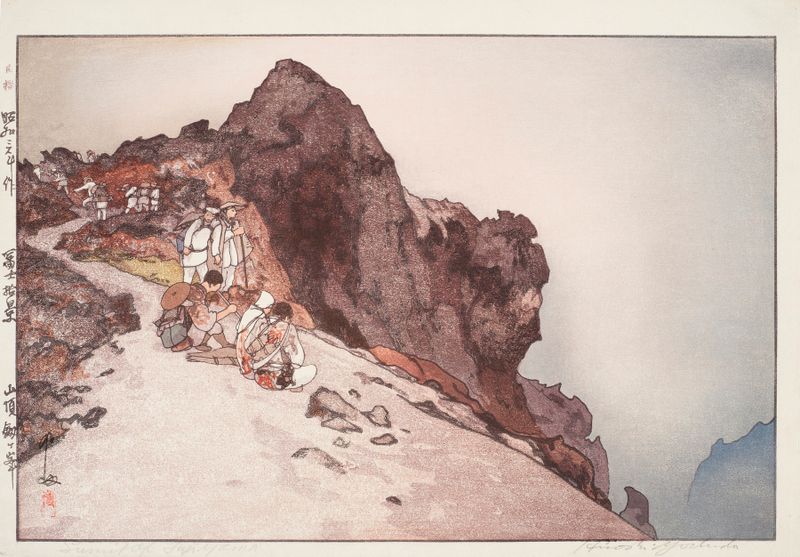
Summit of Mount Fuji
Yoshida Hiroshi

Sailing Boats — Night, from the series ‘The Seto Inland Sea’
Yoshida Hiroshi
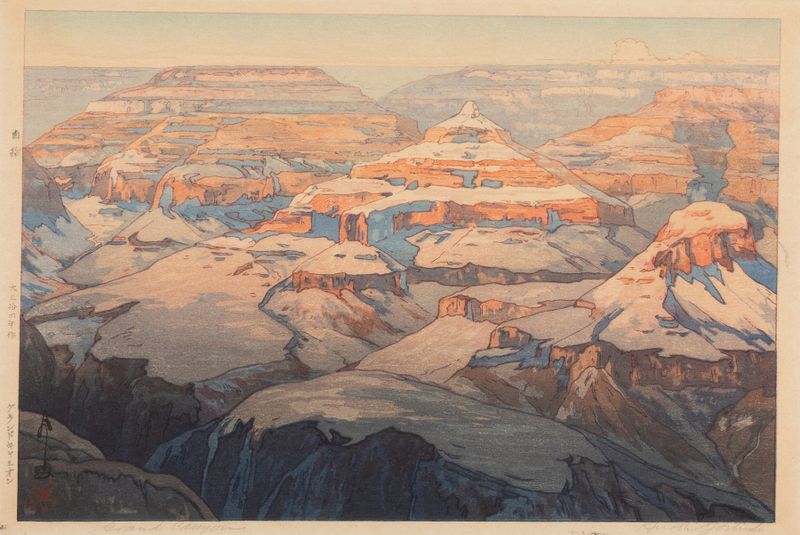
Grand Canyon (Gurando Kyanion)
Yoshida Hiroshi





