
A man reading a letter — History & Facts
What draws the viewer in first is the intensity of concentration etched on the man’s face, as if the letter in his hands contains news that could shift the ground beneath him. The painter has caught him mid-sentence, lips parted and brows furrowed, the paper held close to his eyes. Every detail in the scene seems to hush itself around this private moment: the soft, worn folds of his jacket, the sturdy jug on the table, the rough-hewn wall behind him.
Light falls gently from the left, illuminating the letter and the man’s features, while the background recedes into shadow, isolating him in a cocoon of thought. The palette is earthy and muted, anchoring the scene in the everyday world of the 17th-century Dutch interior, where small dramas unfolded in quiet corners. Works like A man reading a letter by Adriaen van Ostade belong to a tradition of genre painting that flourished in the Dutch Republic, where artists found endless inspiration in the daily lives of ordinary people. In the bustling towns and villages of the 1600s, such images were prized by a new class of collectors—merchants, craftsmen, and burghers—who saw their own world reflected in these scenes.
Letters were a lifeline in this era of trade and migration, and painters returned again and again to the charged moment of reading, where news from afar might bring joy, worry, or longing. This work, dated to the 17th century and now documented in the Sotheby’s collection, carries forward that tradition, inviting us to wonder what tidings the letter brings—and what stories might be found in the silent space between the man and his news.
More Artworks by Adriaen van Ostade

Dans in de herberg
Adriaen van Ostade
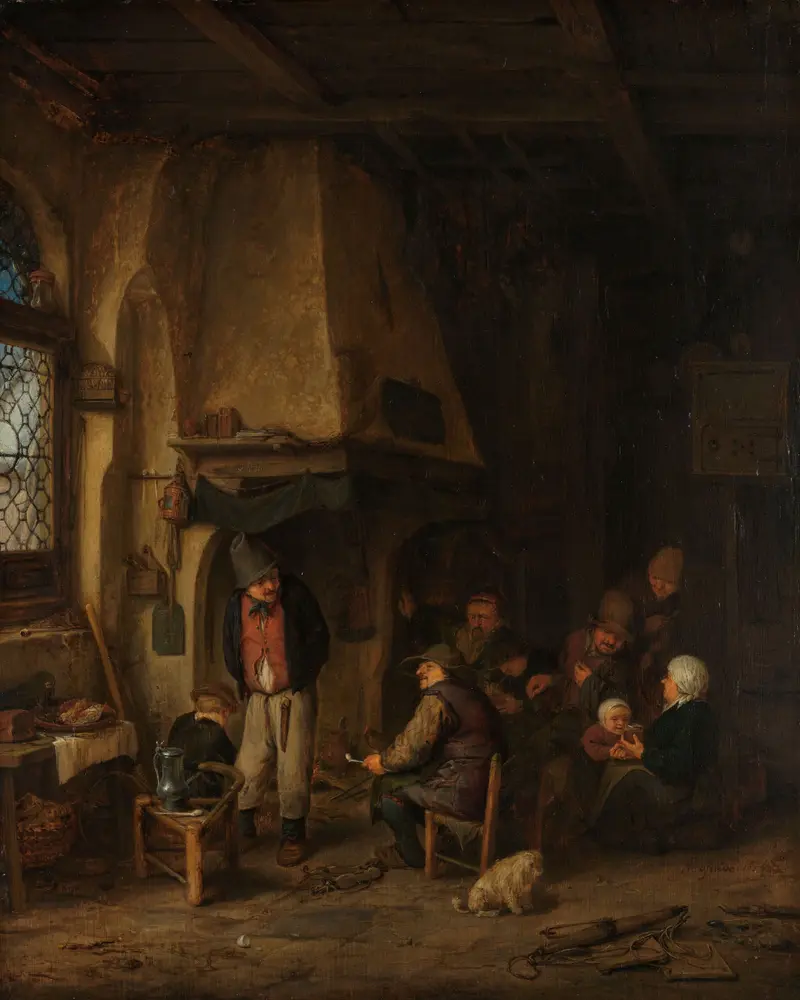
‘The Skaters’: Peasants in an Interior
Adriaen van Ostade
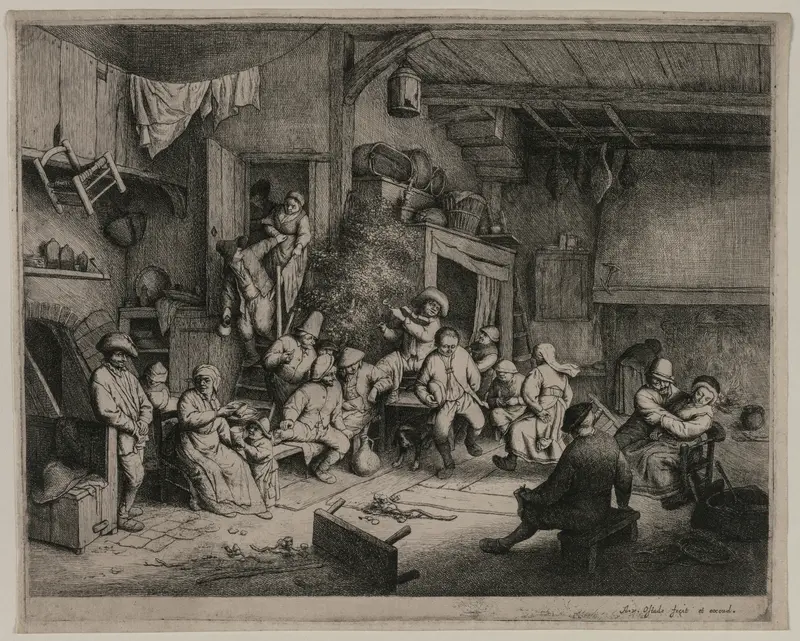
Dance at the Inn
Adriaen van Ostade
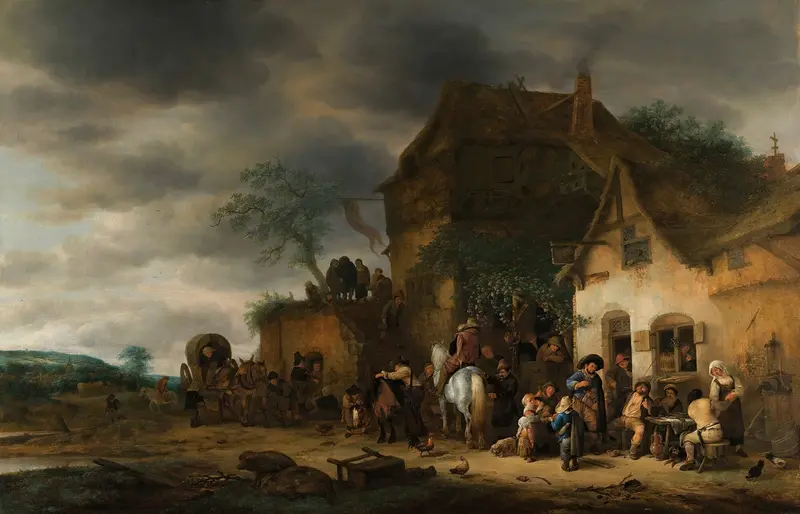
Travellers Halted At A Country Inn
Adriaen van Ostade
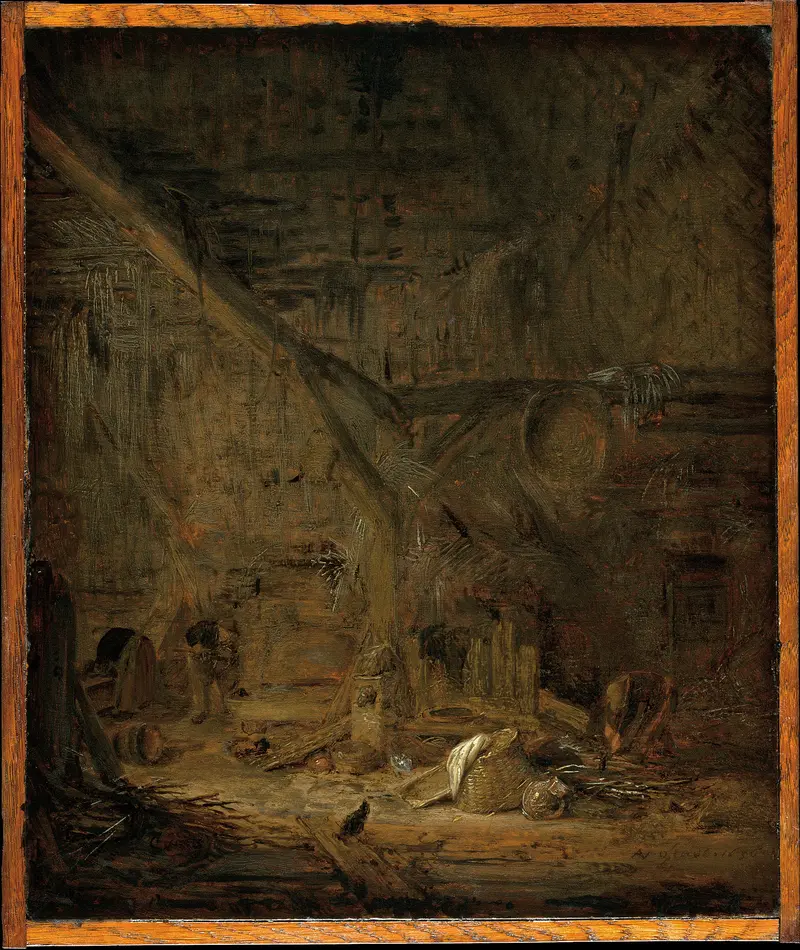
Interior of a Barn
Adriaen van Ostade
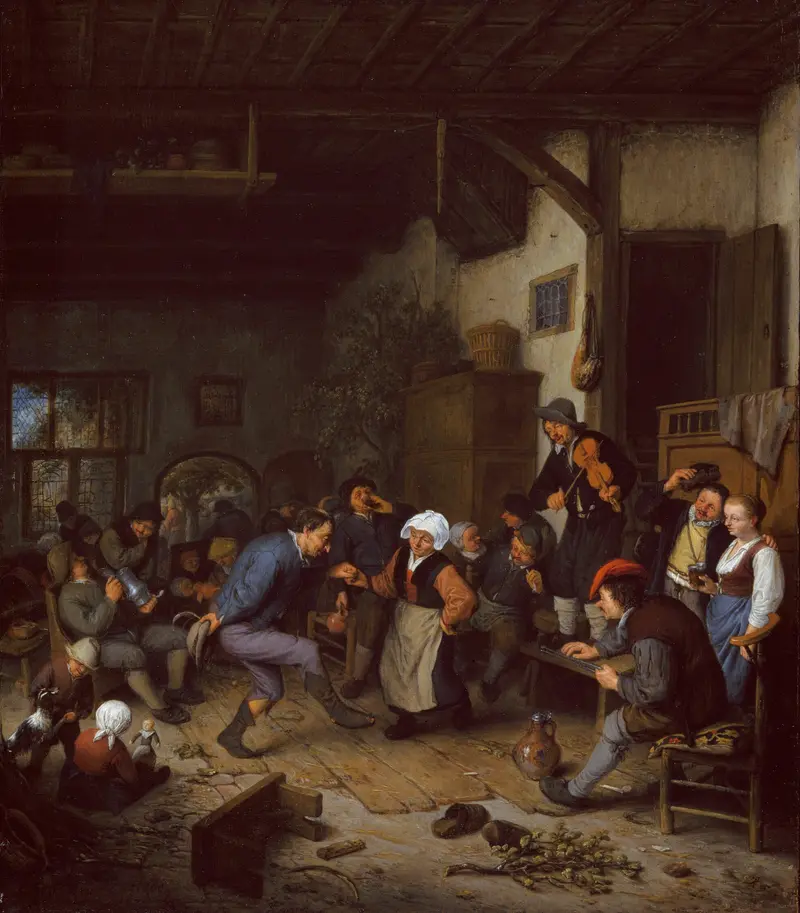
Merrymakers in an Inn
Adriaen van Ostade
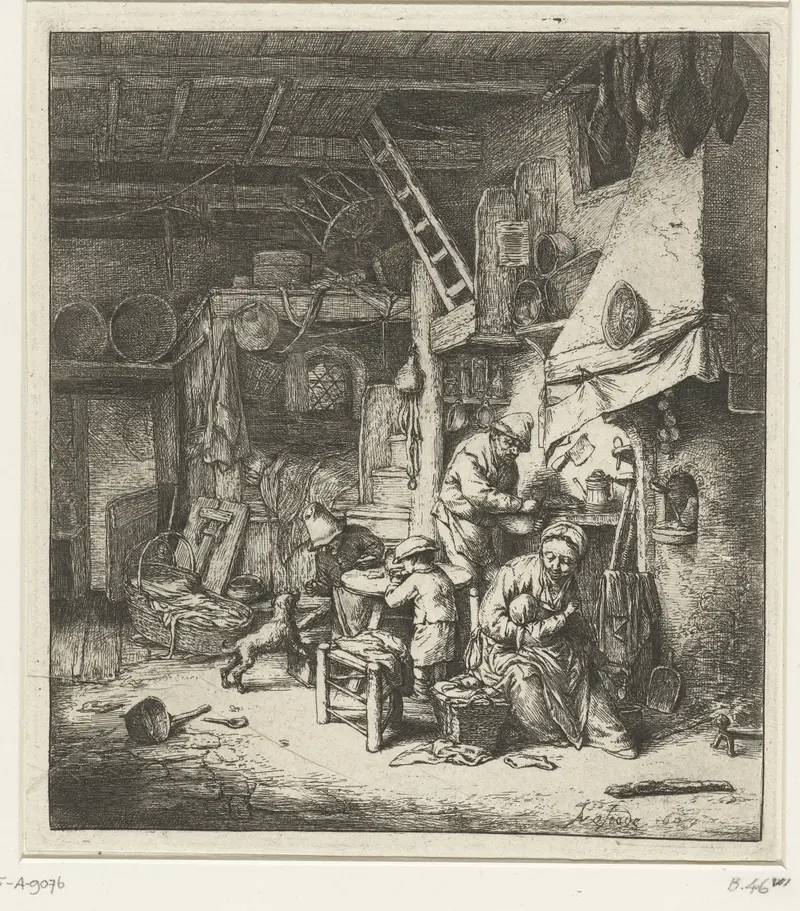
Boerengezin in interieur
Adriaen van Ostade
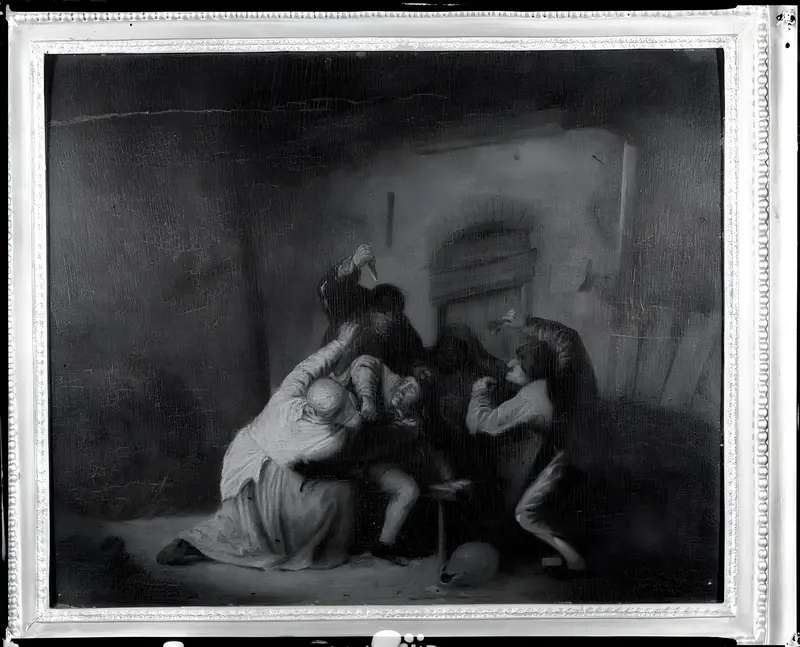
Peasants Brawling in a Tavern
Adriaen van Ostade
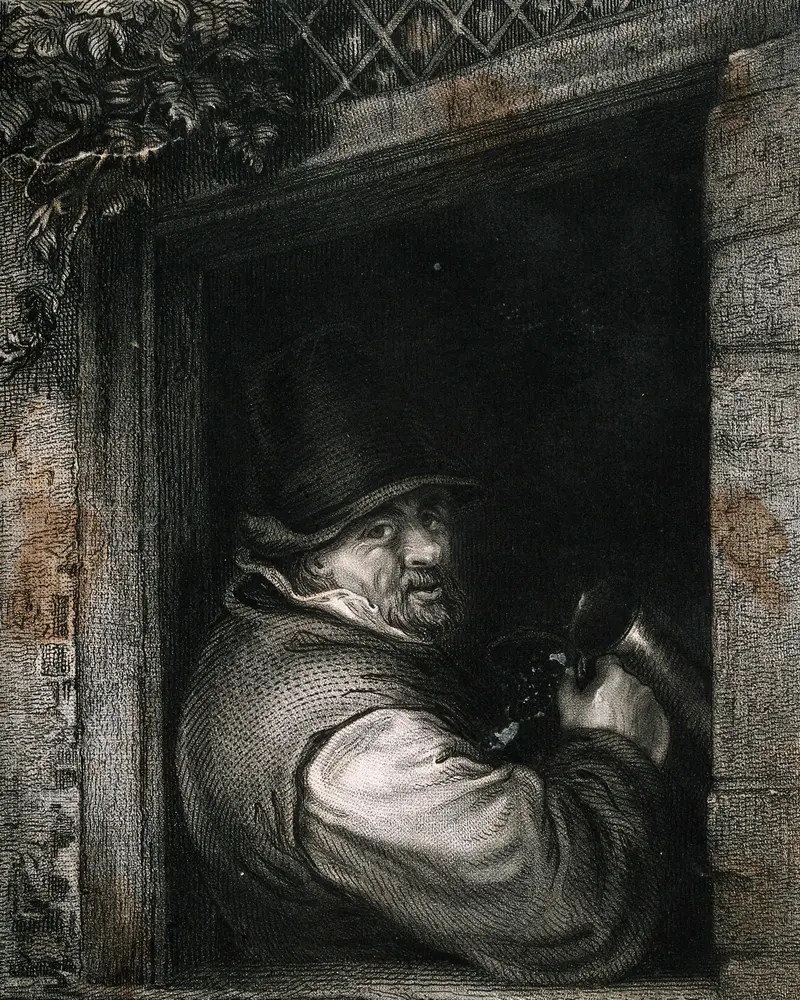
Man with a Tankard at a Window
Adriaen van Ostade
Dans in de herberg
Adriaen van Ostade
More Genre Scene Art

Banquet of the Officers of the St George Civic Guard
Frans Hals

Rembrandt and Saskia in the Scene of the Prodigal Son
Rembrandt van Rijn

Bal du moulin de la Galette
Pierre-Auguste Renoir

Quadrille at the Moulin Rouge
Henri de Toulouse-Lautrec

A Burial at Ornans
Gustave Courbet

When Will You Marry?
Paul Gauguin