
A. Moro Portret "Onbekende vrouw" op hout uit de omgeving A. Moro, 1561 0090 Huis Bergh — History & Facts
A single gold chain, delicately looped between gloved hands, draws the eye to the quiet tension at the center of this portrait. The sitter’s gaze is direct, almost appraising, set against the deep, sober black of her dress—a color that, in the sixteenth-century Low Countries, signaled both wealth and restraint. The crisp white of her cap and ruff, meticulously rendered, frames a face that is both reserved and alert, while the faint shimmer of jewelry at her fingers hints at personal taste and status.
Every detail, from the gentle puff of her sleeves to the subtle play of light across her forehead, invites the viewer to imagine the world she inhabits and the thoughts she keeps to herself. Painted in 1561, this portrait belongs to a tradition that flourished in the courts and merchant houses of Northern Europe, where likenesses were commissioned to mark alliances, commemorate status, or simply assert identity in an age of shifting fortunes. The artist, working in the manner of Antonis Mor, brings a cool precision to the sitter’s features, echoing the broader Renaissance fascination with individuality and the human soul. Now housed at Castle Huis Bergh, the painting stands as a quiet testament to a world where the surface of things—dress, jewels, posture—was carefully constructed to speak volumes about the person within.
Look again at her hands: they hold not just a chain, but the keys to a life lived in the balance of public expectation and private reserve.
More Artworks by Antonis Mor

Portrait of a Man
Antonis Mor
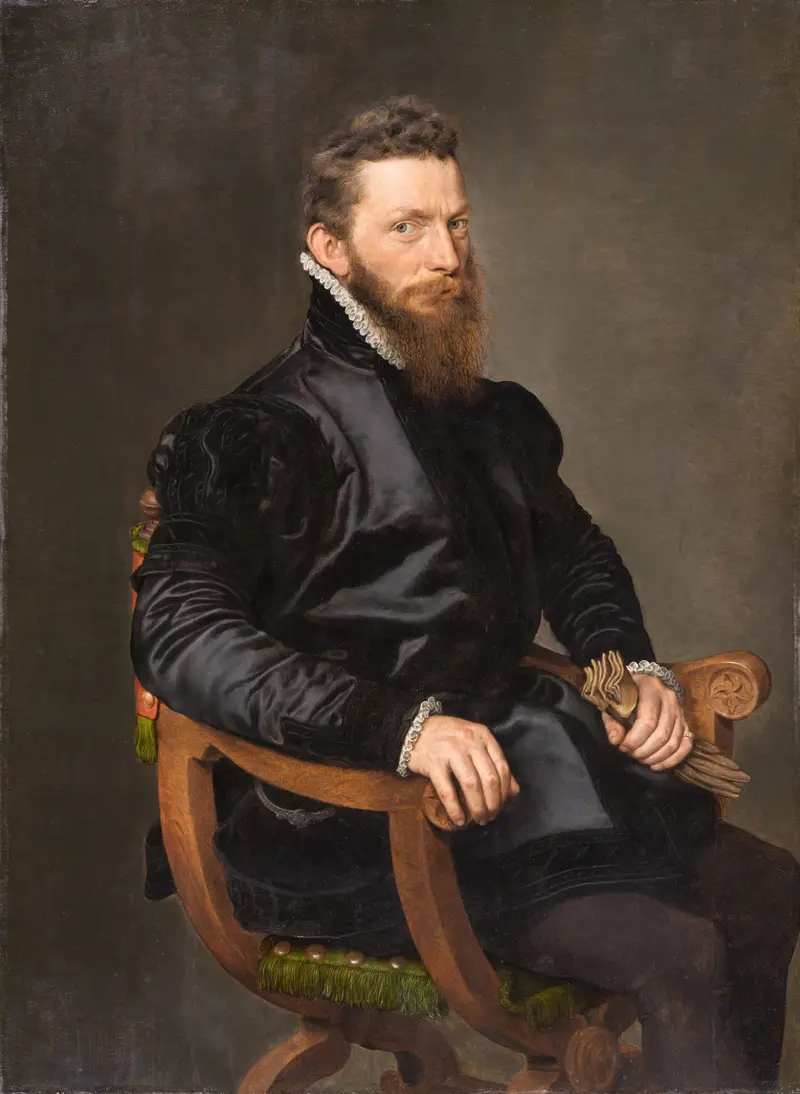
Portrait of a Gentleman
Antonis Mor
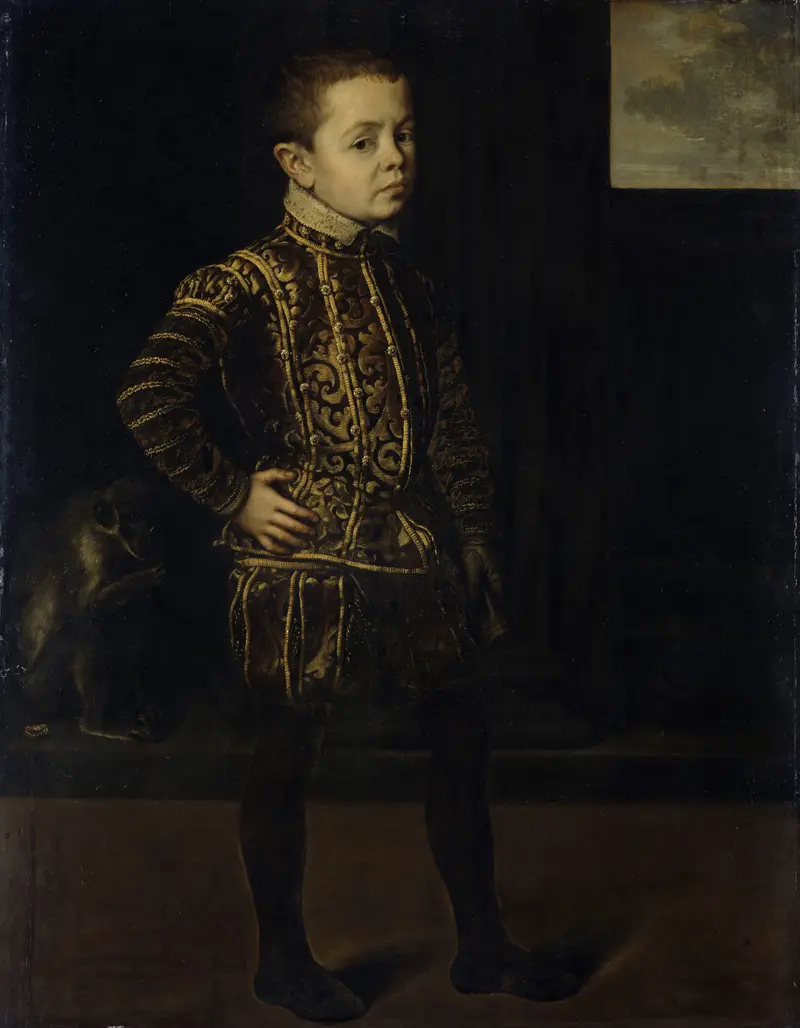
Portrait of a young prince
Antonis Mor
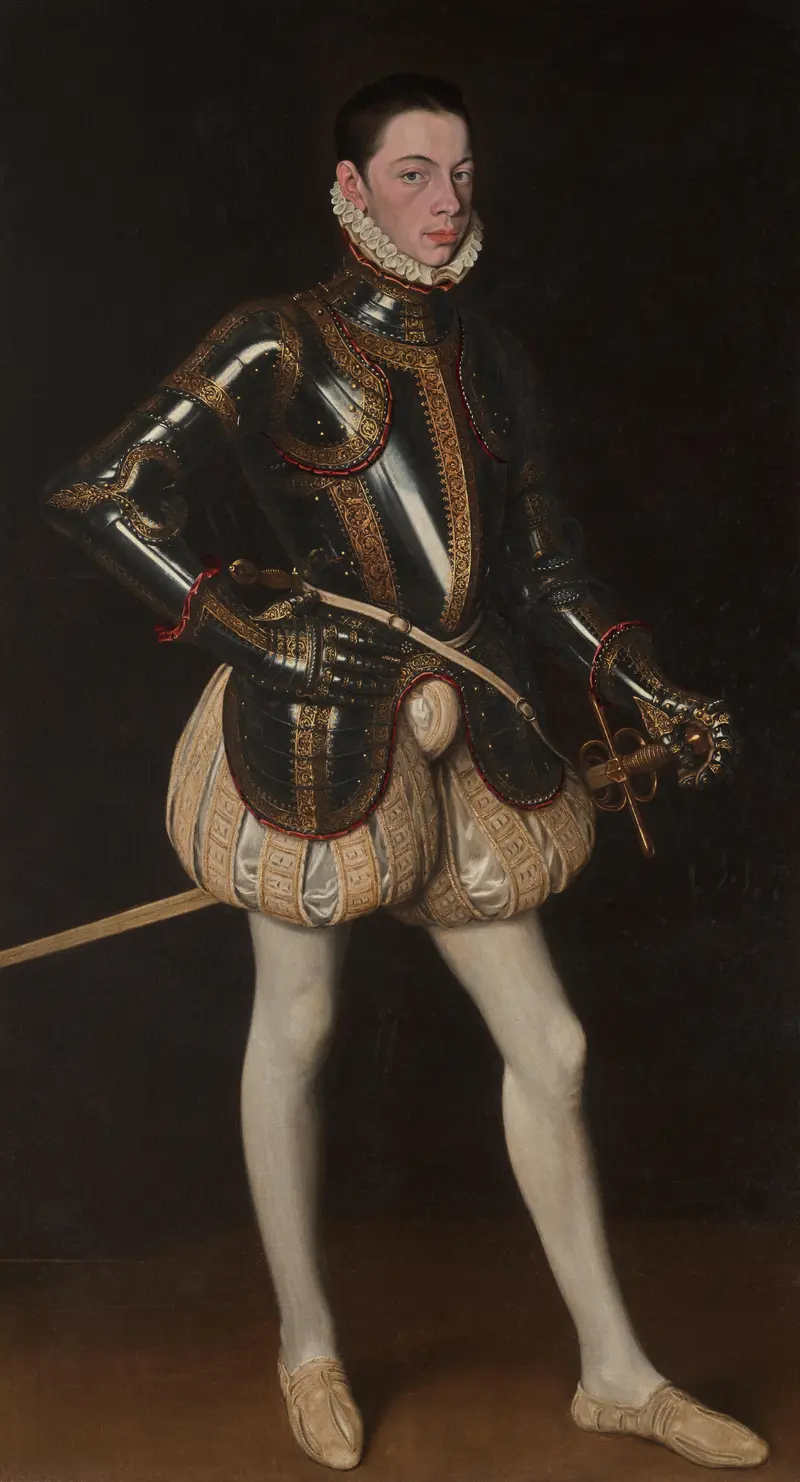
Alessandro Farnese in Armor
Antonis Mor
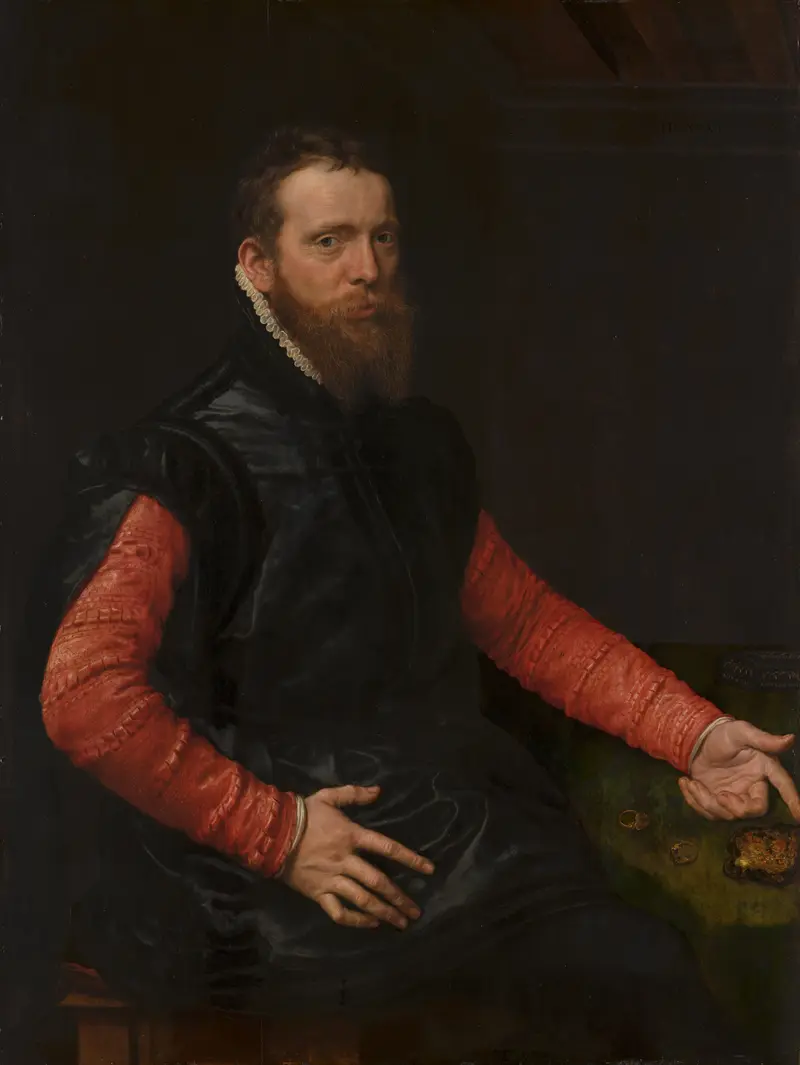
Steven van Herwijck
Antonis Mor
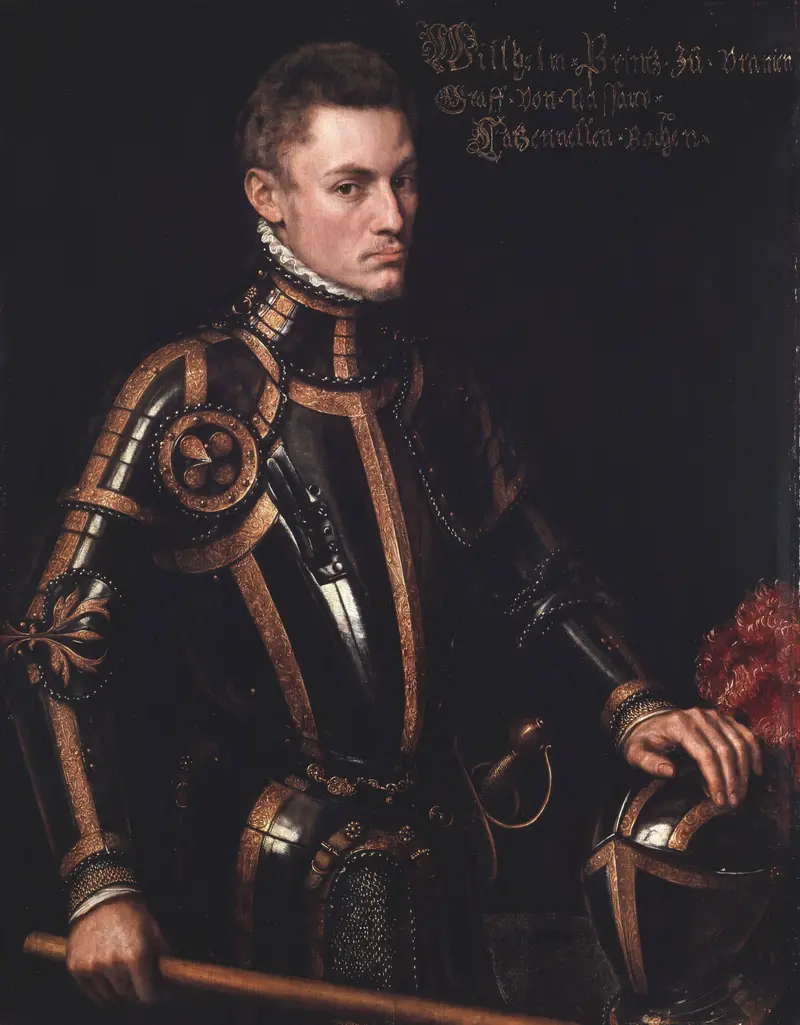
Portrait of William I of Nassau
Antonis Mor
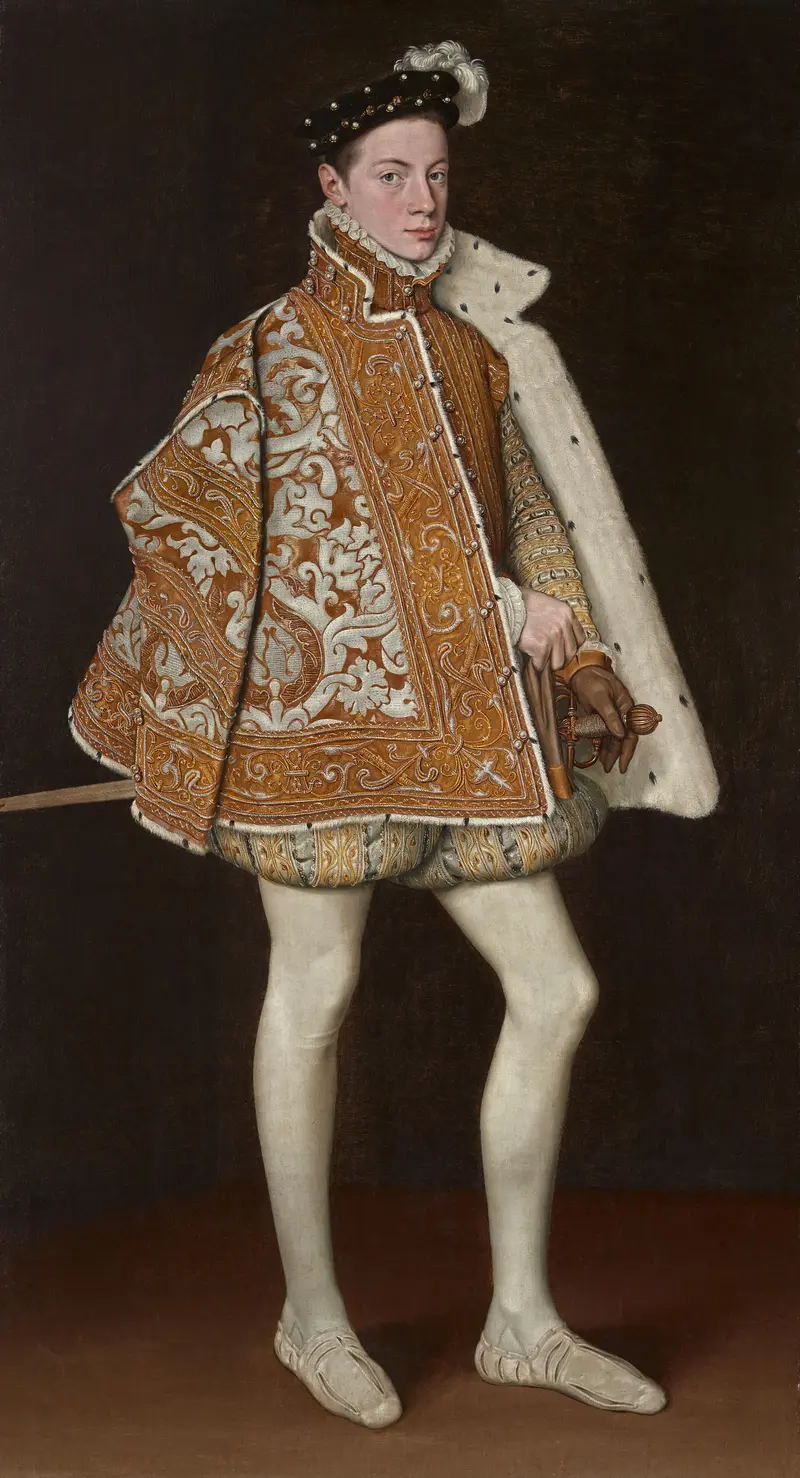
Portrait of Alessandro Farnese in Cape and Black Cap
Antonis Mor
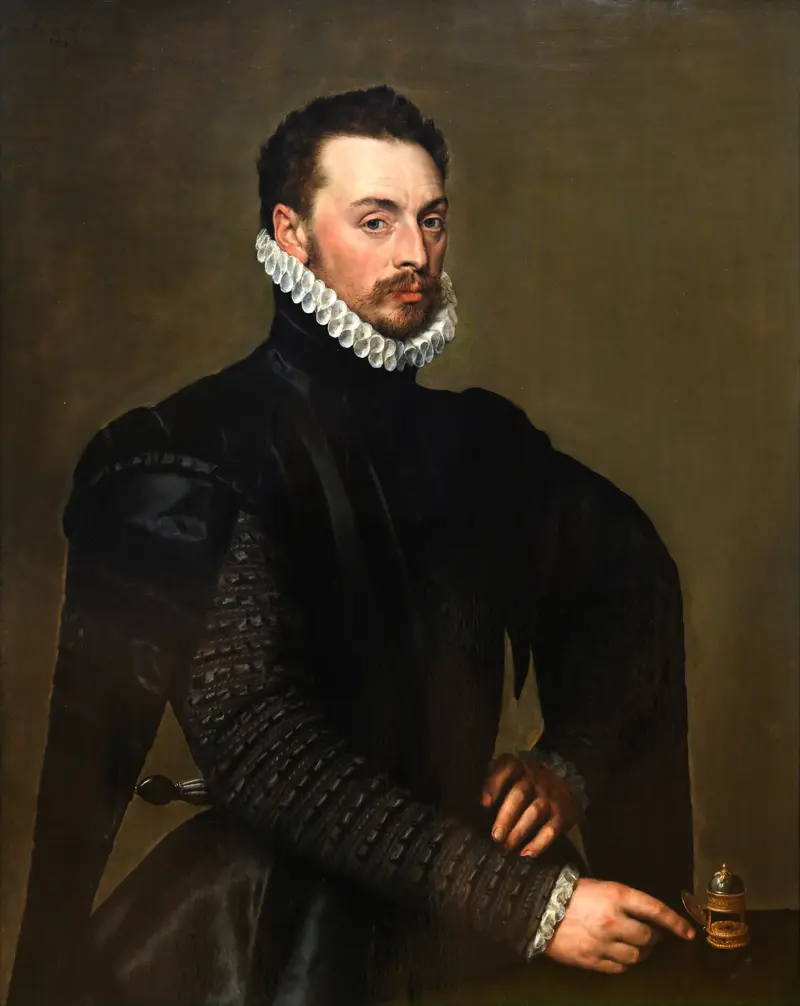
Portrait d'homme désignant une pendule Antonio Moro Musée du Louvre Peintures INV 1582 ; MR 880
Antonis Mor
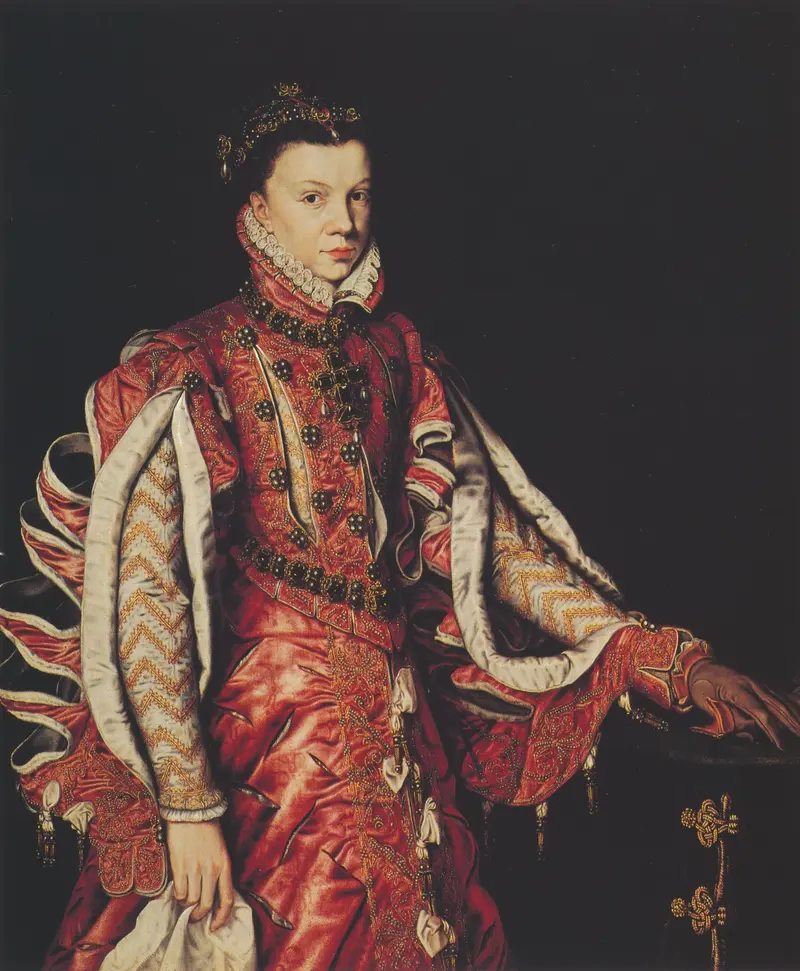
Portrait of Elisabeth of Valois, third wife of King Philip II of Spain
Antonis Mor
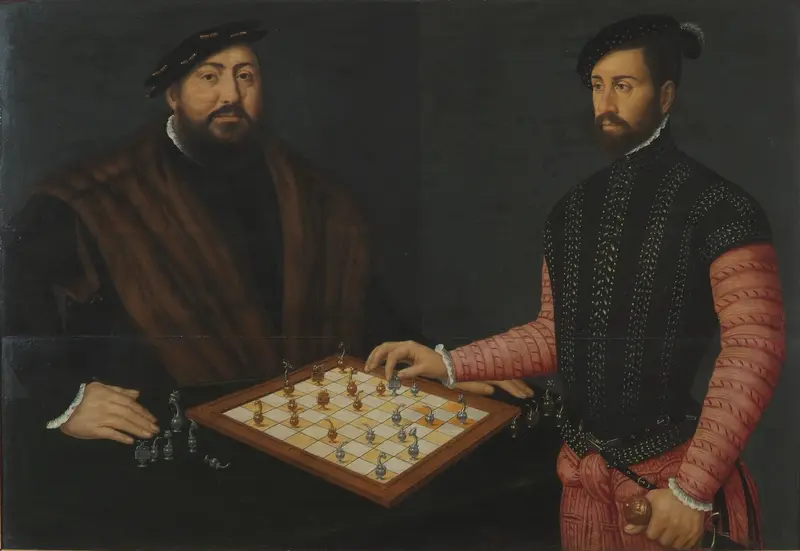
Von Sachsen vs. a Spaniard
Antonis Mor





