
Portrait of William I of Nassau — History & Facts
A young man’s gaze, cool and unwavering, meets ours from the depths of polished black armor. What first arrests the eye is not the richness of the gilded steel or the crimson plume at his side, but the sense of calculation in his expression—a portrait not of bravado, but of measured resolve. The painter, Antonis Mor, sets his subject against a void of darkness, letting the light slip across the intricate etching of the armor and the taut skin of the sitter’s face.
Every detail is deliberate: the baton gripped in one hand, the other resting on a helmet, signals command and readiness, while the ruff at his neck is a flash of courtly fashion amid the martial trappings. The gold-lettered inscription in the upper corner does not merely name him; it announces a lineage and a claim. In the mid-16th century, portraits like this were instruments of power, crafted to project authority and legitimacy across courts and continents. The sitter’s armor is not battered by battle, but gleams as a symbol—this is the armor of ceremony, not campaign.
Antonis Mor was renowned for such psychological precision, painting for princes and kings across Europe, and here he captures the tension between youth and responsibility, ambition and caution. The painting’s presence in the Gemäldegalerie Alte Meister in Kassel today is a reminder of how such images once traveled as tokens of alliance and status, even as the particulars of this work’s own journey remain largely unrecorded. The portrait invites us to look closer, to read in the face and the finery the ambitions and anxieties of a world on the cusp of change.
More Artworks by Antonis Mor

Portrait of a Man
Antonis Mor
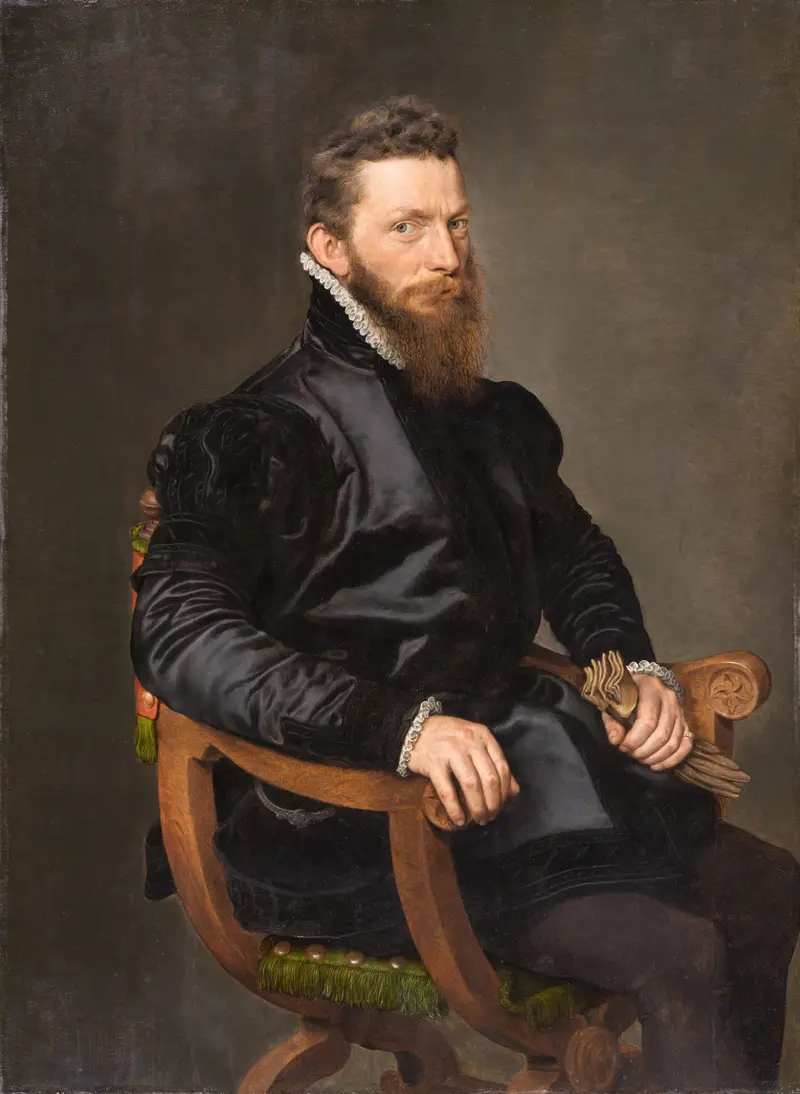
Portrait of a Gentleman
Antonis Mor
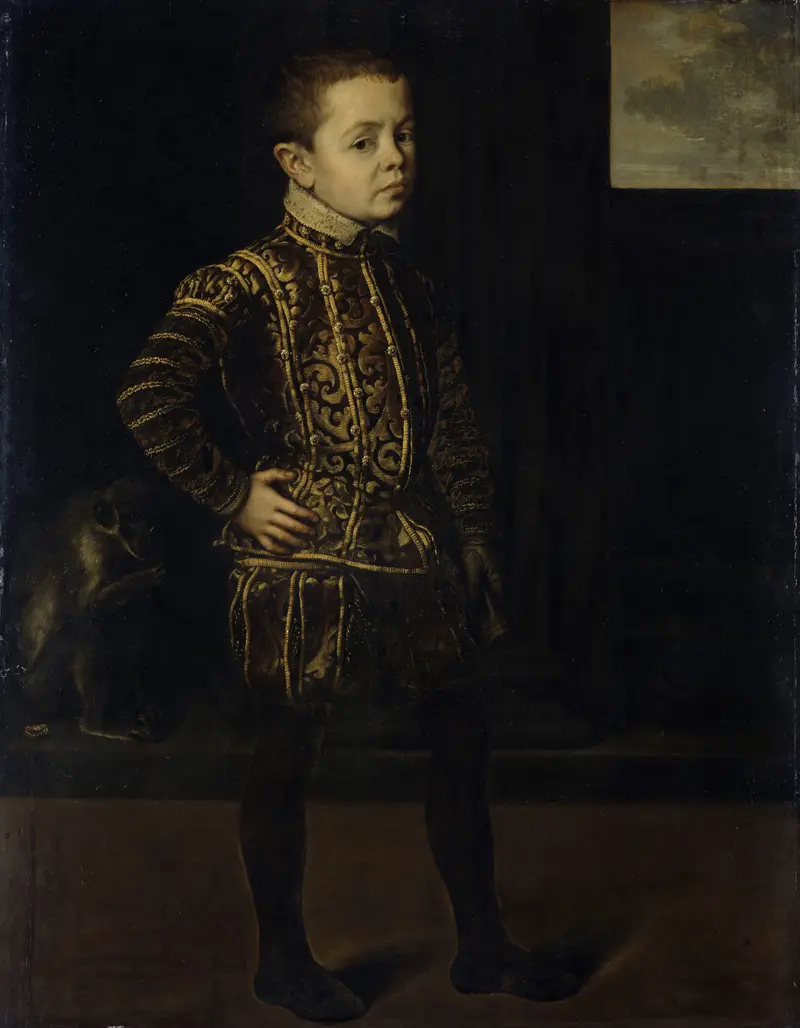
Portrait of a young prince
Antonis Mor
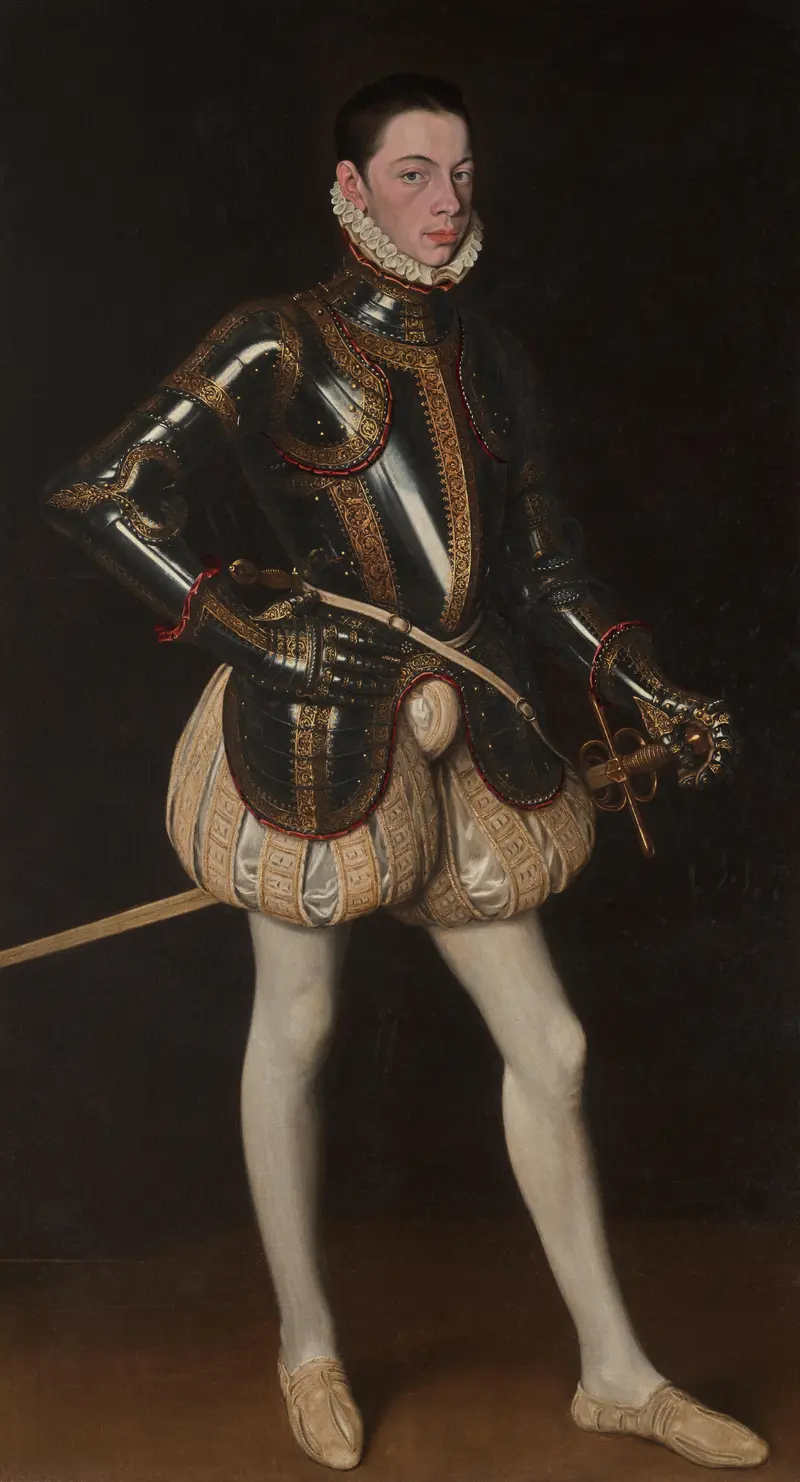
Alessandro Farnese in Armor
Antonis Mor
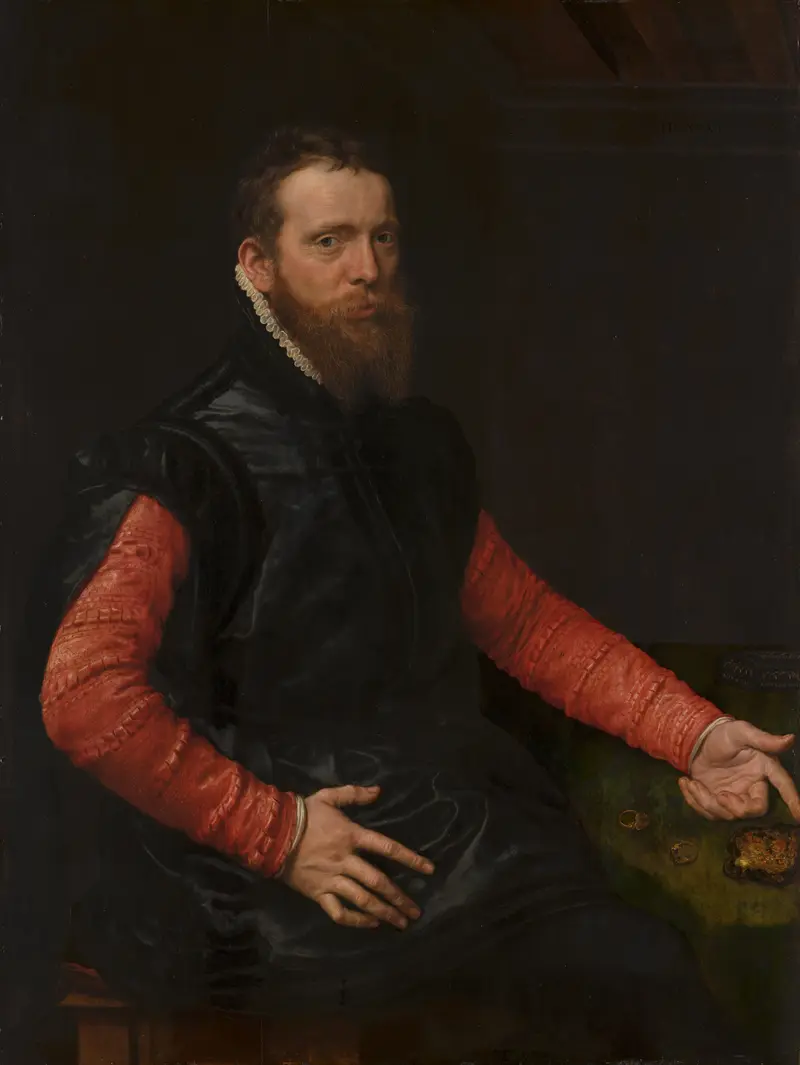
Steven van Herwijck
Antonis Mor
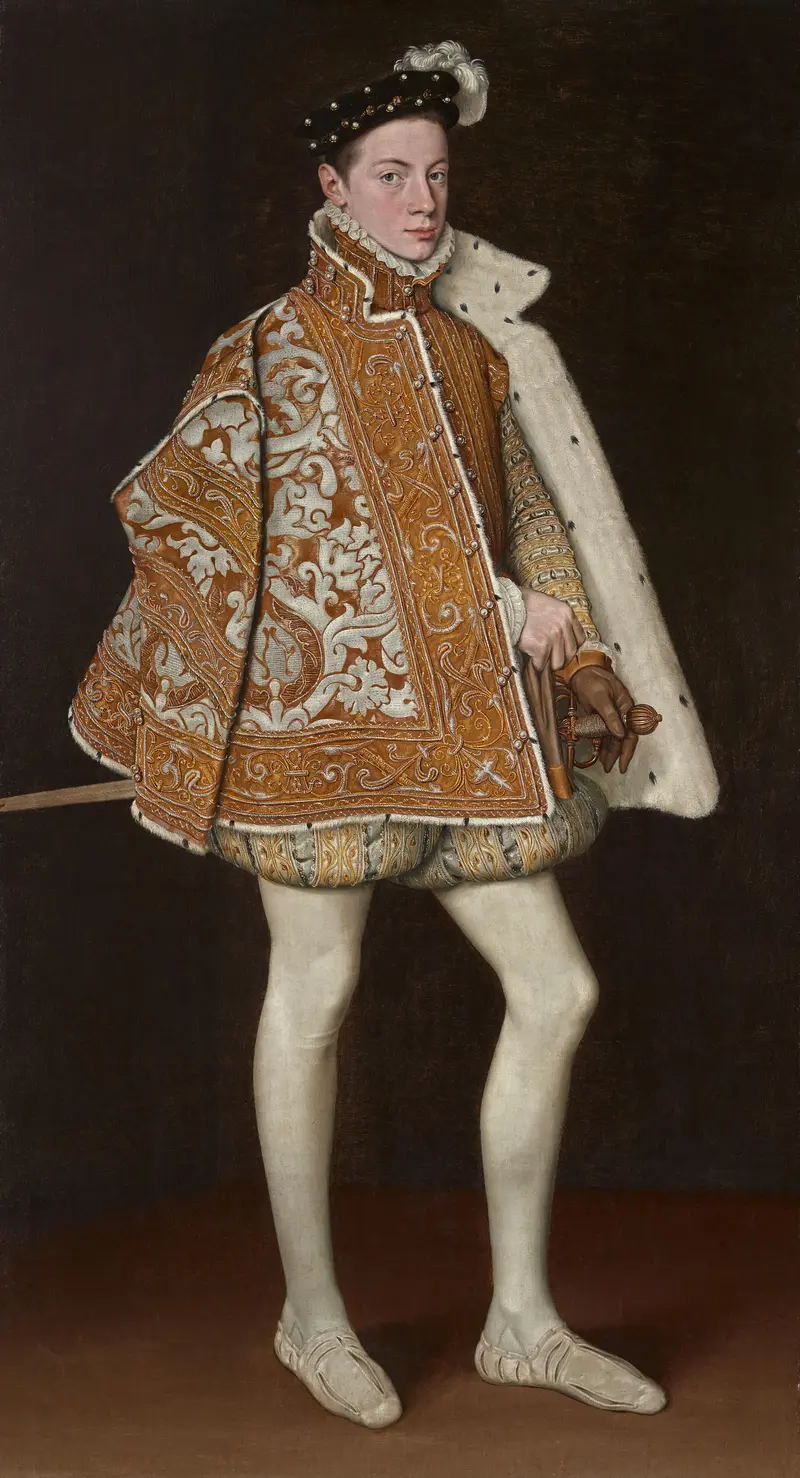
Portrait of Alessandro Farnese in Cape and Black Cap
Antonis Mor
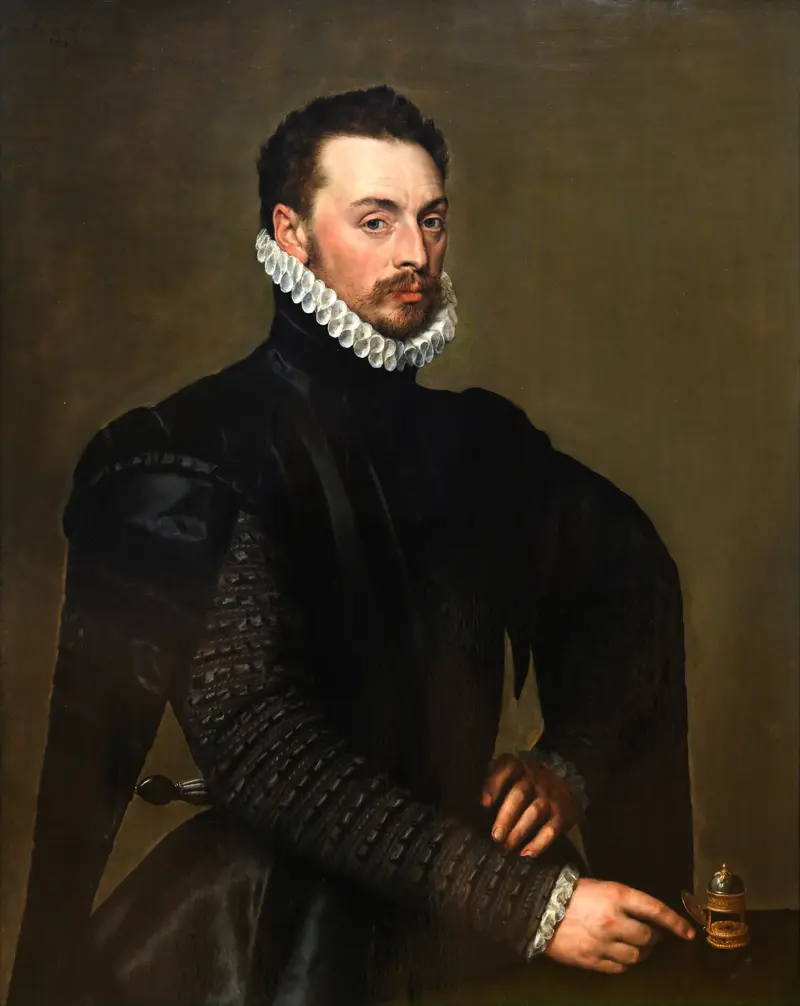
Portrait d'homme désignant une pendule Antonio Moro Musée du Louvre Peintures INV 1582 ; MR 880
Antonis Mor
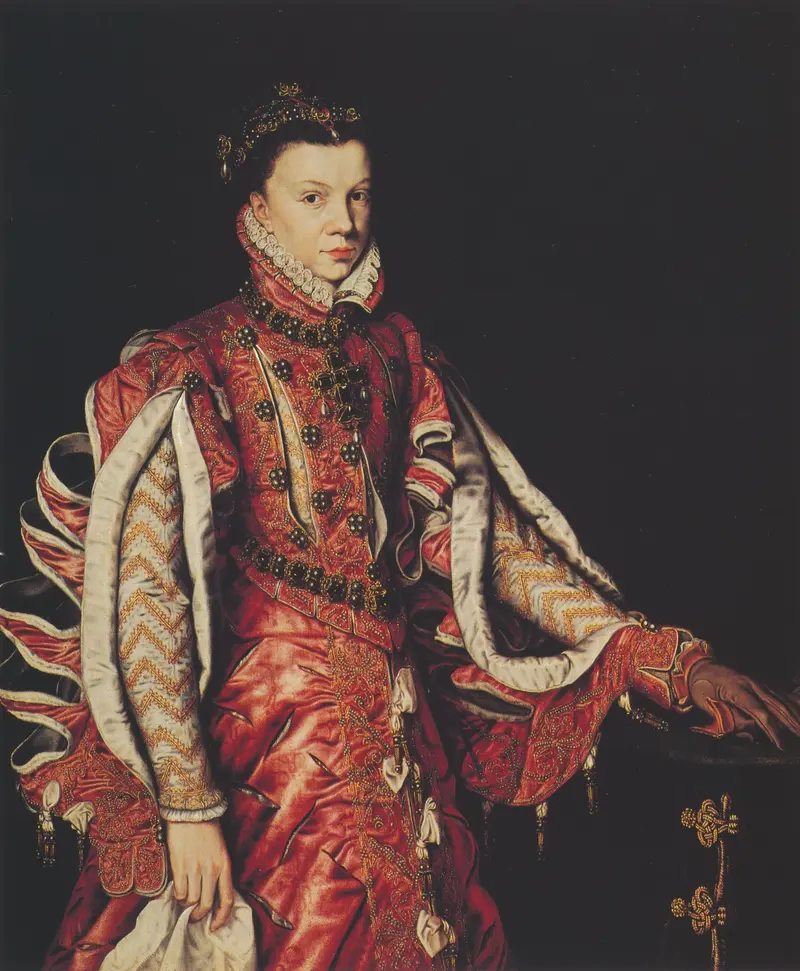
Portrait of Elisabeth of Valois, third wife of King Philip II of Spain
Antonis Mor
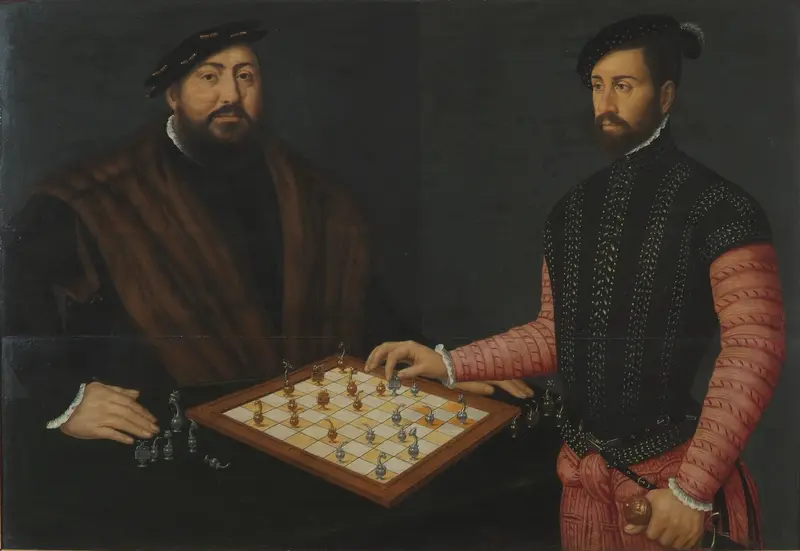
Von Sachsen vs. a Spaniard
Antonis Mor
Portrait of Maria of Portugal, Duchess of Parma (1538-1577).
Antonis Mor





