
Portrait of a Gentleman — History & Facts
The first thing that arrests the viewer in Portrait of a Gentleman by Antonis Mor is the unwavering, almost challenging gaze of its subject. The man’s sharp blue eyes, set against the rich darkness of his attire, seem to measure the onlooker as much as he is being measured himself. The crisp ruff at his collar, the lustrous folds of black satin, and the intricate woodwork of his chair all serve to frame a figure of undeniable presence and self-possession.
His right hand, clutching a pair of gloves, is rendered with a care that suggests both wealth and a certain restraint—the gloves a symbol of status, the pose a study in contained energy. There is a tension here, a sense that the sitter is caught in a moment of private calculation, his body turned away but his attention wholly engaged. Created around 1570, this portrait belongs to a world where likeness was not just a record but a declaration. In the late Renaissance courts of Europe, portraits such as this were commissioned by the elite to assert their place in society, their lineage, and their taste.
Antonis Mor was renowned for his ability to capture both the physical and psychological presence of his sitters, a skill that made him sought after by nobility from Spain to the Low Countries. While the specifics of this gentleman’s identity and story may be lost to time, the painting survives as a testament to an age when the surface of things—fabric, flesh, and glance—carried the weight of ambition and self-fashioning. The work’s journey to the Google Art Project via the Google Cultural Institute is its latest chapter, inviting us to meet this enigmatic figure anew, centuries after he first sat for Mor’s brush.
More Artworks by Antonis Mor

Portrait of a Man
Antonis Mor
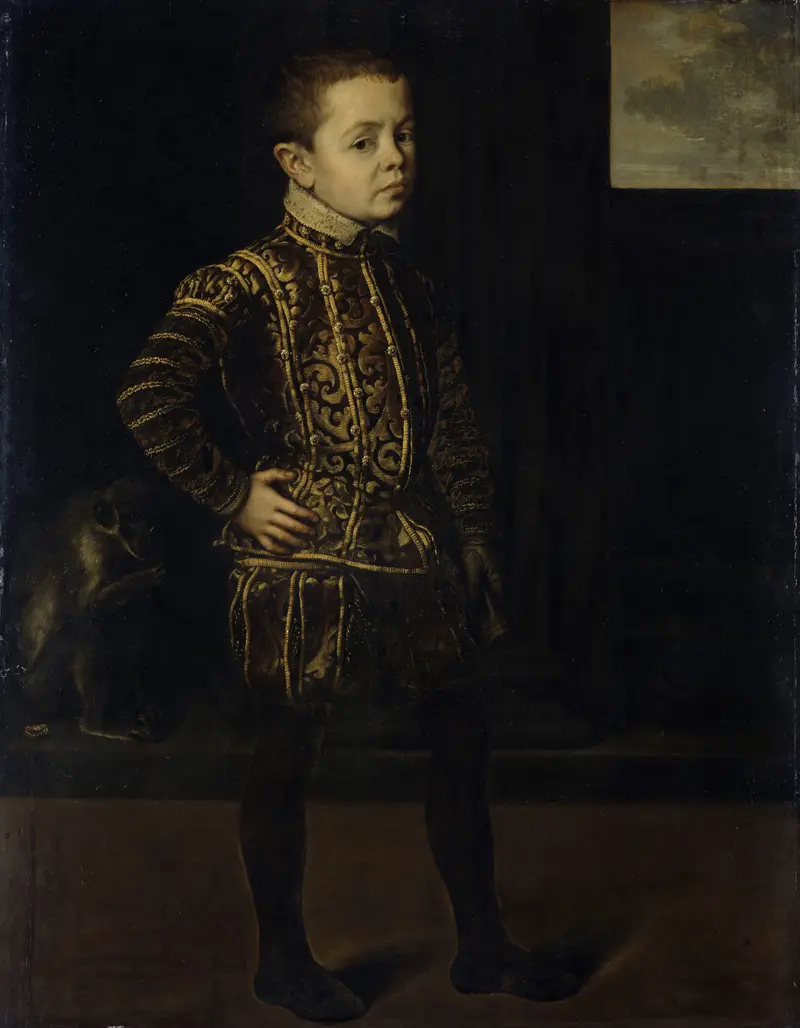
Portrait of a young prince
Antonis Mor
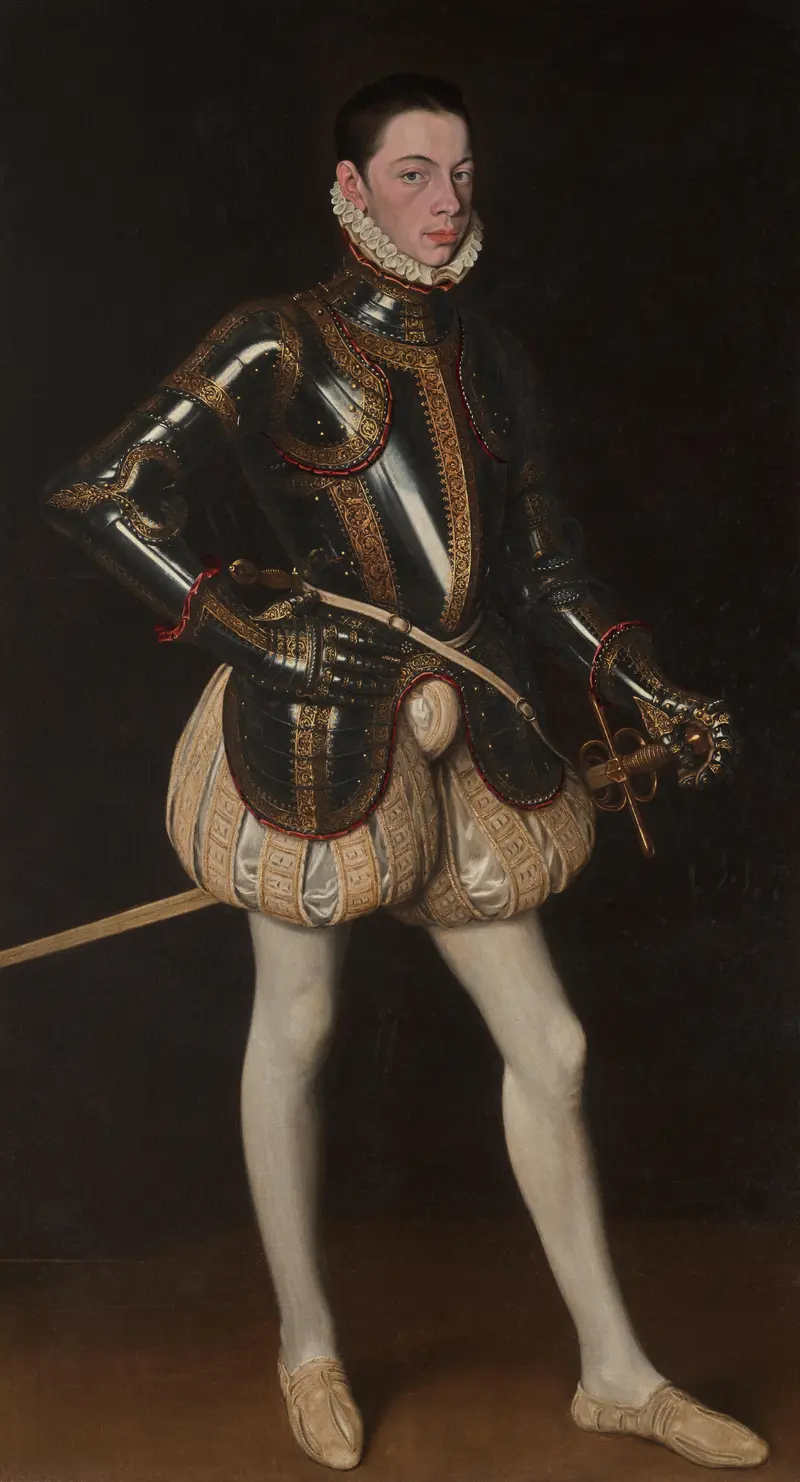
Alessandro Farnese in Armor
Antonis Mor
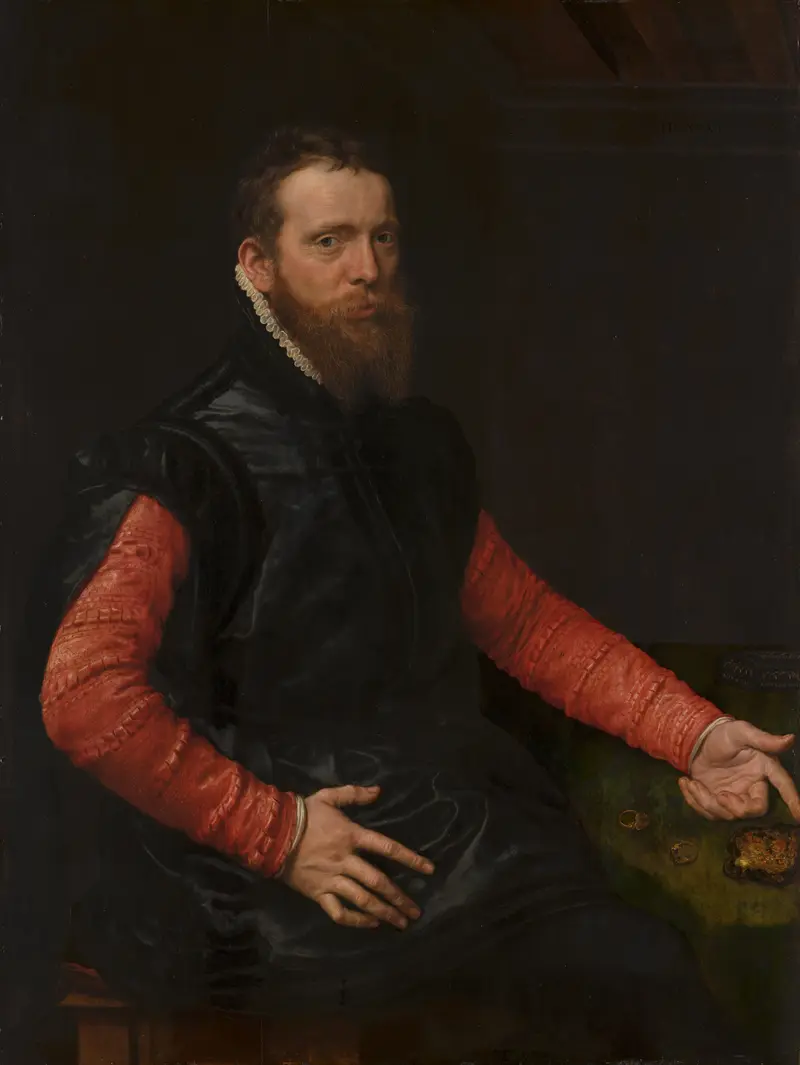
Steven van Herwijck
Antonis Mor
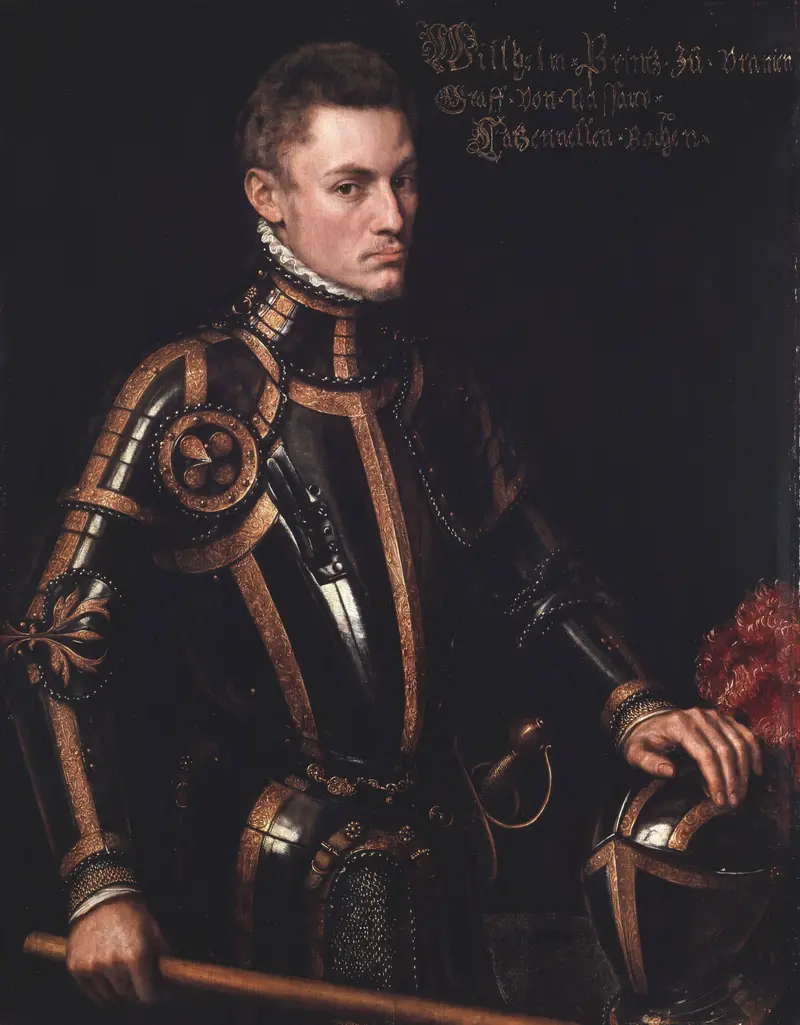
Portrait of William I of Nassau
Antonis Mor
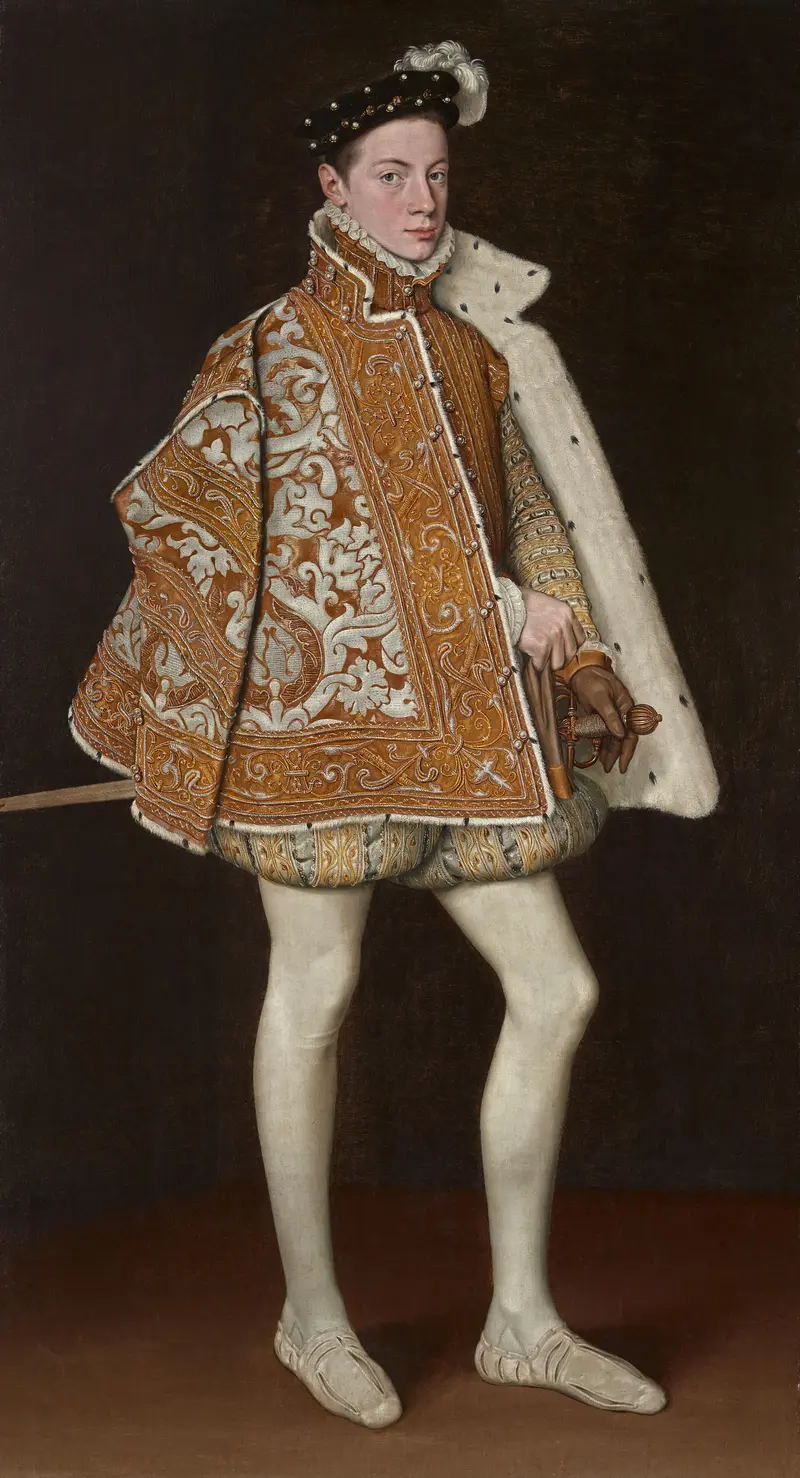
Portrait of Alessandro Farnese in Cape and Black Cap
Antonis Mor
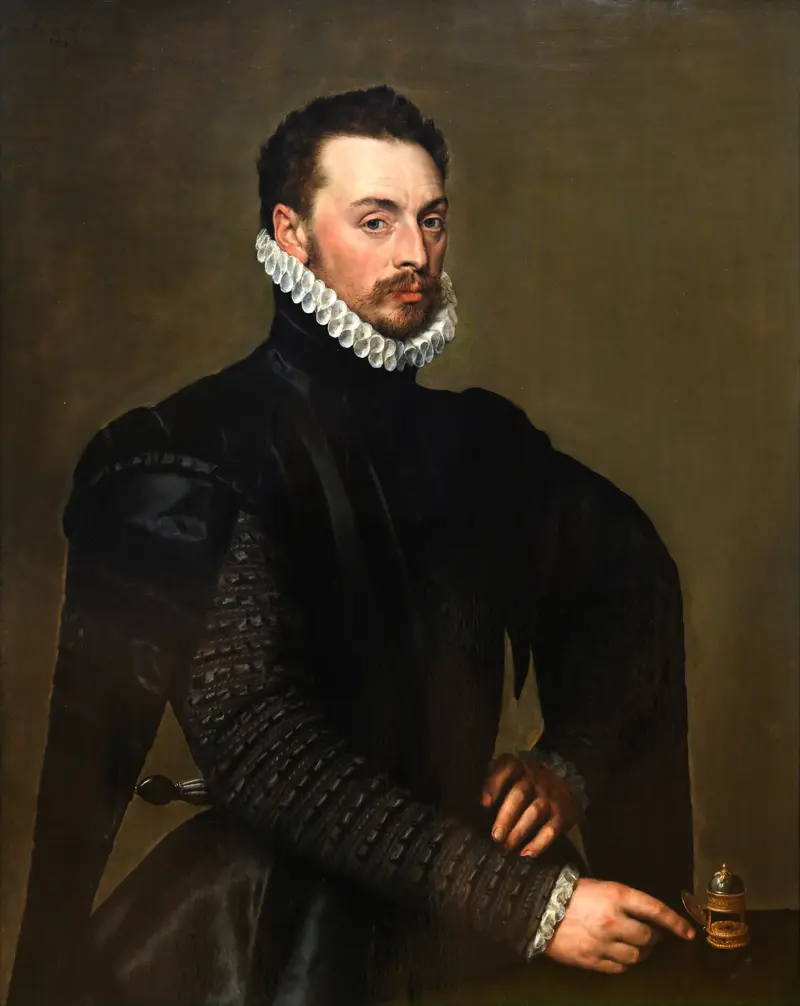
Portrait d'homme désignant une pendule Antonio Moro Musée du Louvre Peintures INV 1582 ; MR 880
Antonis Mor
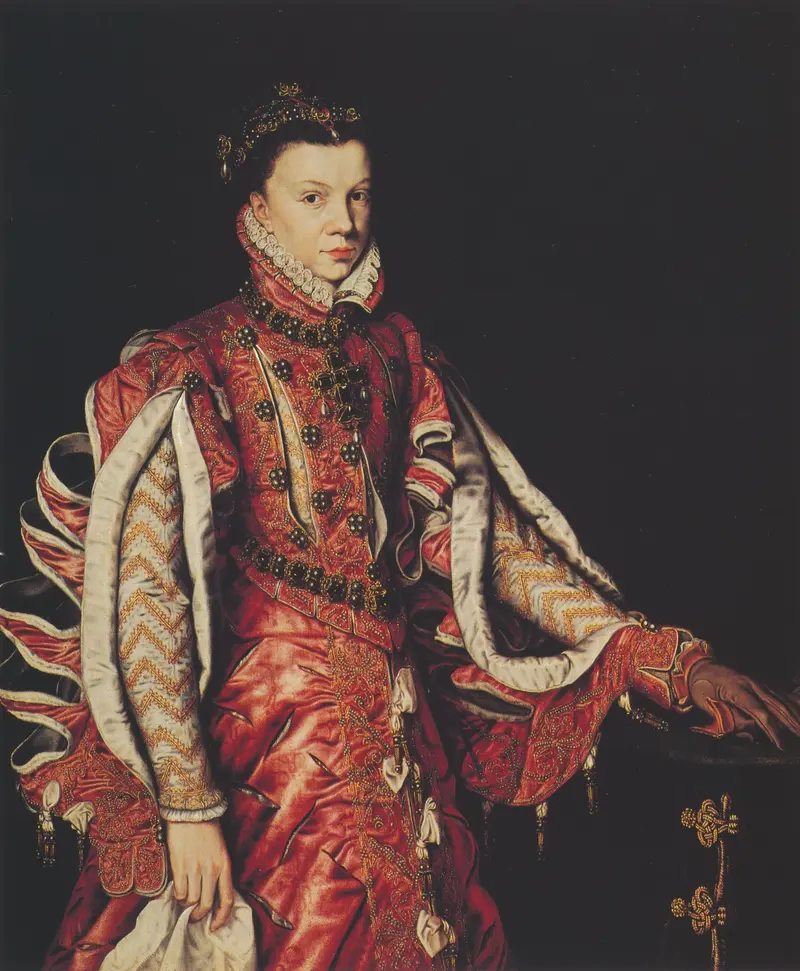
Portrait of Elisabeth of Valois, third wife of King Philip II of Spain
Antonis Mor
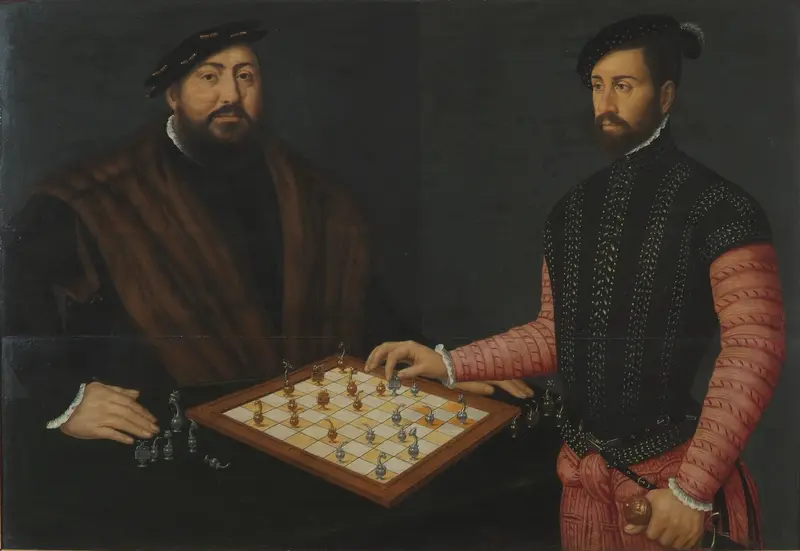
Von Sachsen vs. a Spaniard
Antonis Mor
Portrait of Maria of Portugal, Duchess of Parma (1538-1577).
Antonis Mor





