
Portrait of Alessandro Farnese in Cape and Black Cap — History & Facts
What first grips the viewer here is not the youth’s face, but the sheer opulence of his attire: a cape of gold and silver brocade, patterned with curling vines, stands stiffly about his shoulders like a shield. The painter, Antonis Mor, has chosen to frame his subject in a moment of poised stillness, the young man’s hand resting on the hilt of his sword, his gaze direct yet reserved. The high, ruffled collar and the black cap, flecked with pearls and crowned by a white plume, draw the eye upward, reinforcing the sitter’s elevated status.
Every embroidered motif and fur lining is rendered with a precision that speaks not only to wealth, but to the careful construction of image and identity in the sixteenth-century court. This portrait, made around 1560, belongs to a world where such images were more than likenesses—they were declarations. In the courts of Renaissance Europe, portraits like this one were commissioned to signal lineage, alliances, and the promise of future power. Antonis Mor was known for capturing the subtleties of aristocratic bearing, and here, the controlled palette of gold, cream, and black lets the sitter’s pale, youthful face emerge as the focal point.
History has kept few traces of this specific painting’s early journey, but its presence in the RKDimages collection today invites us to look again at the language of costume, gesture, and gaze, and to imagine the ambitions and anxieties stitched into every fold.
More Artworks by Antonis Mor

Portrait of a Man
Antonis Mor
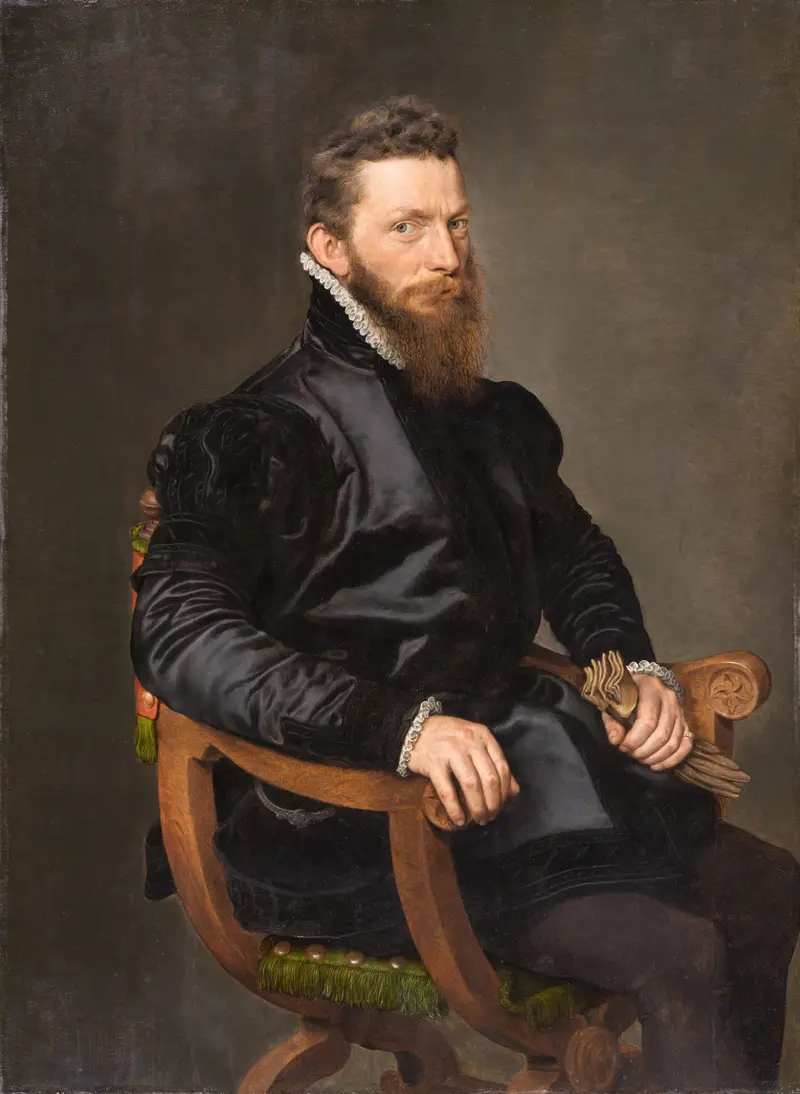
Portrait of a Gentleman
Antonis Mor
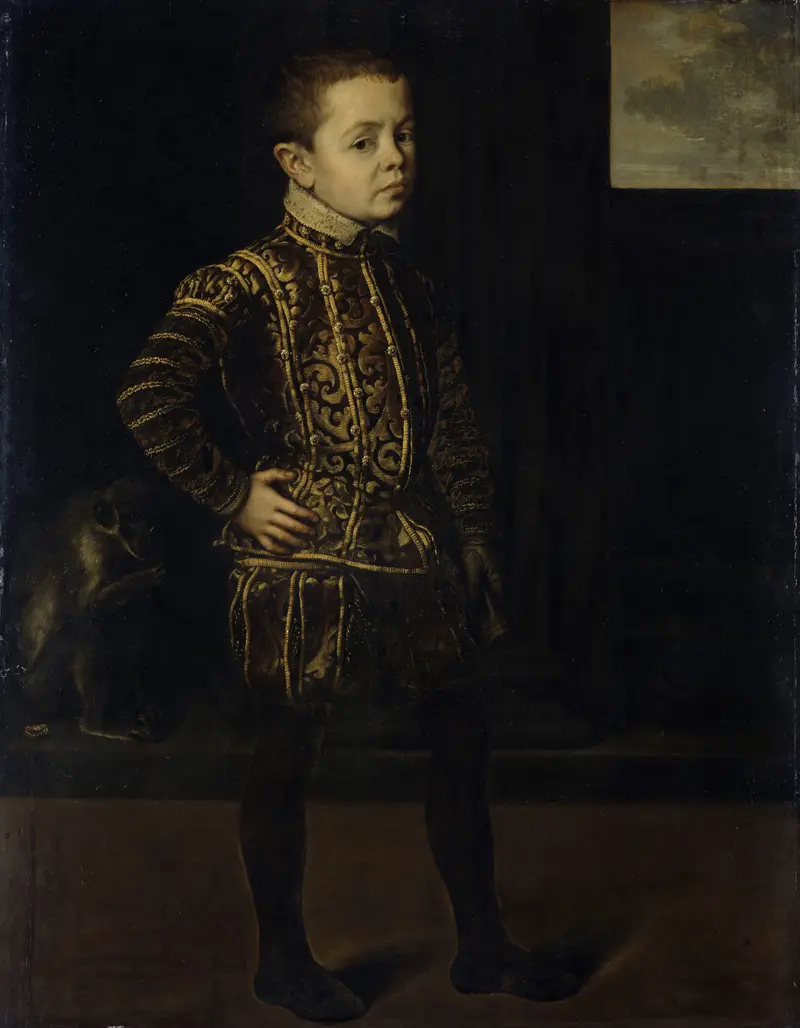
Portrait of a young prince
Antonis Mor
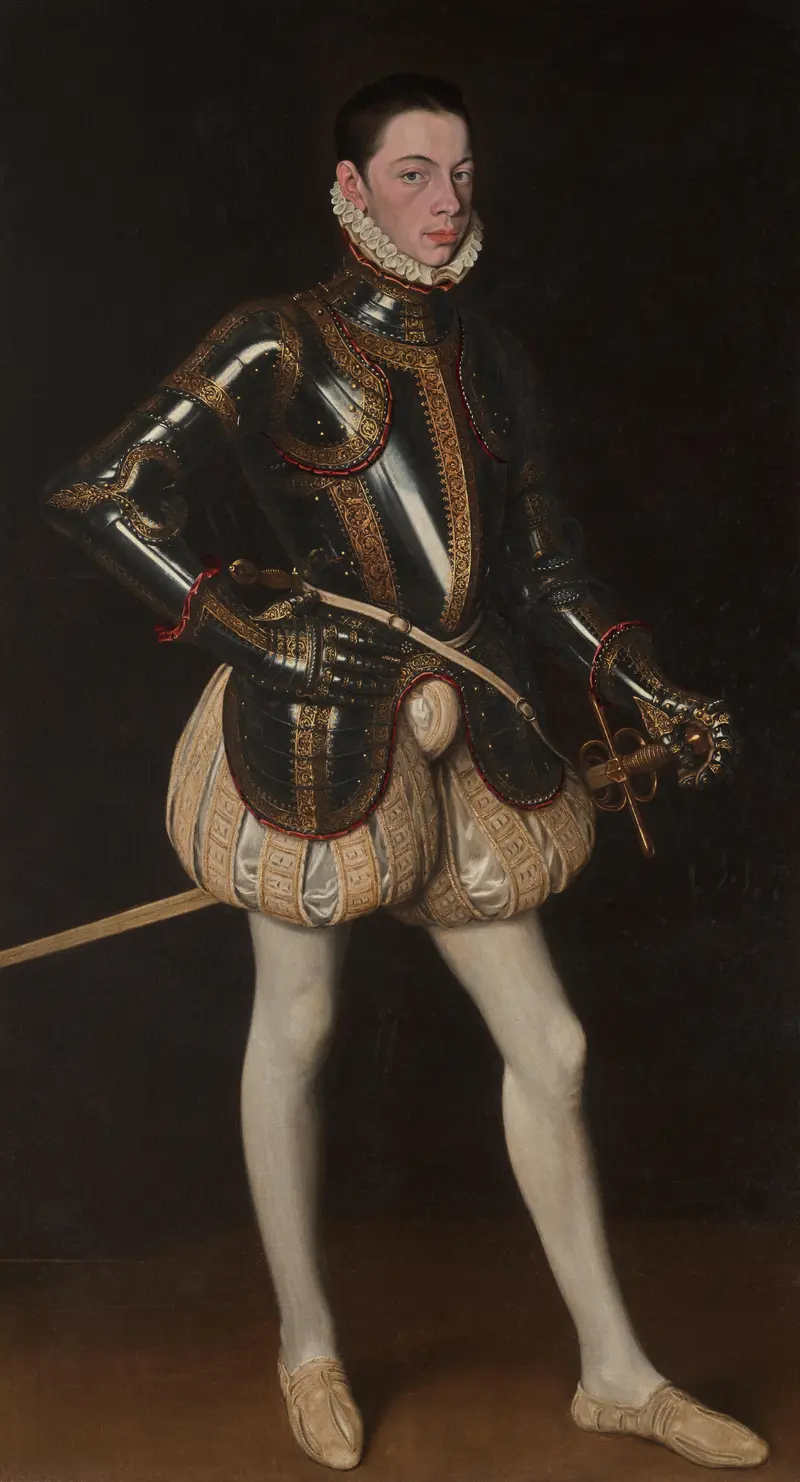
Alessandro Farnese in Armor
Antonis Mor
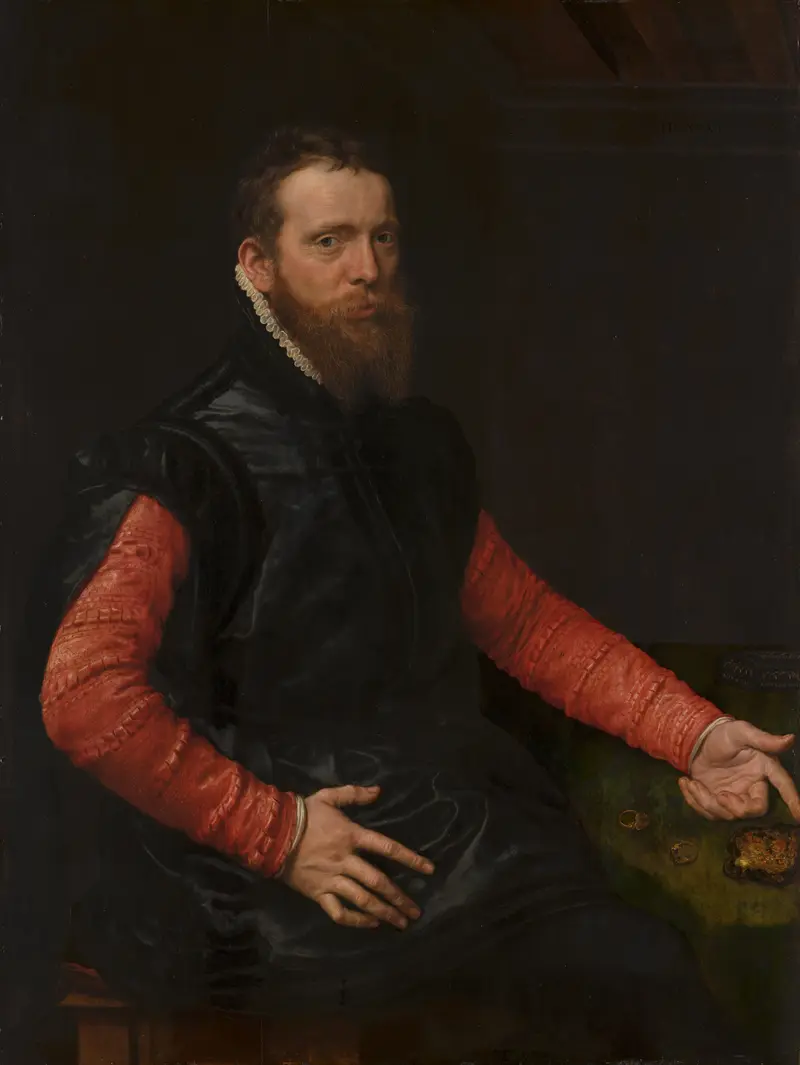
Steven van Herwijck
Antonis Mor
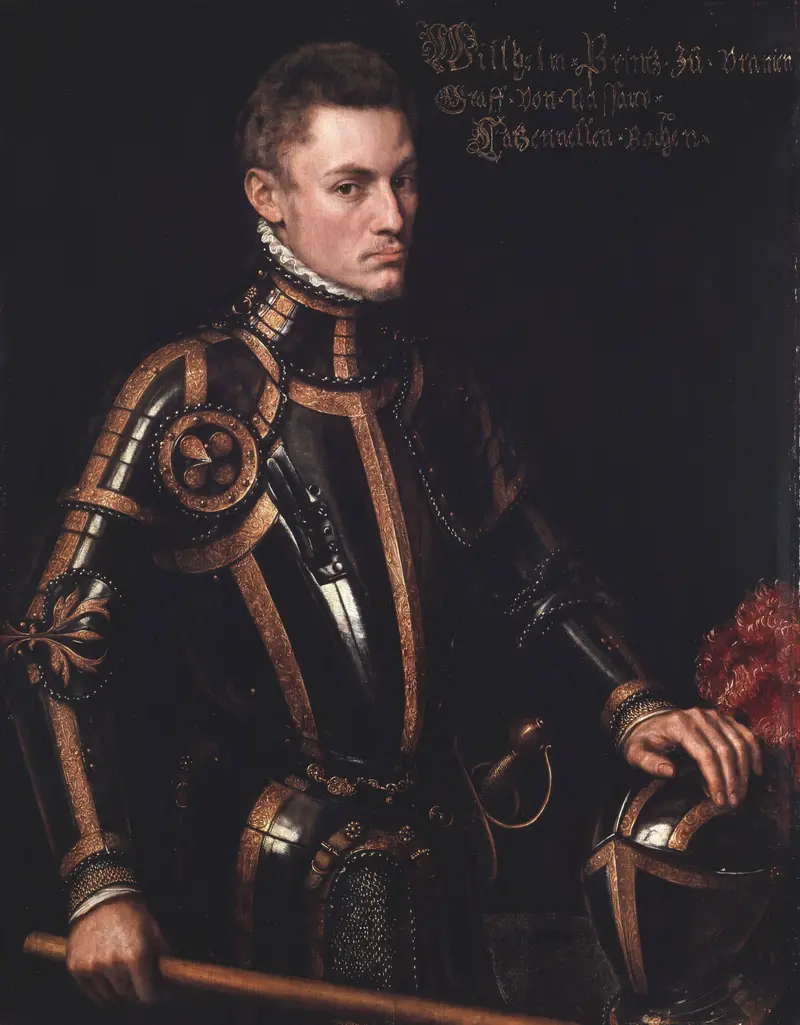
Portrait of William I of Nassau
Antonis Mor
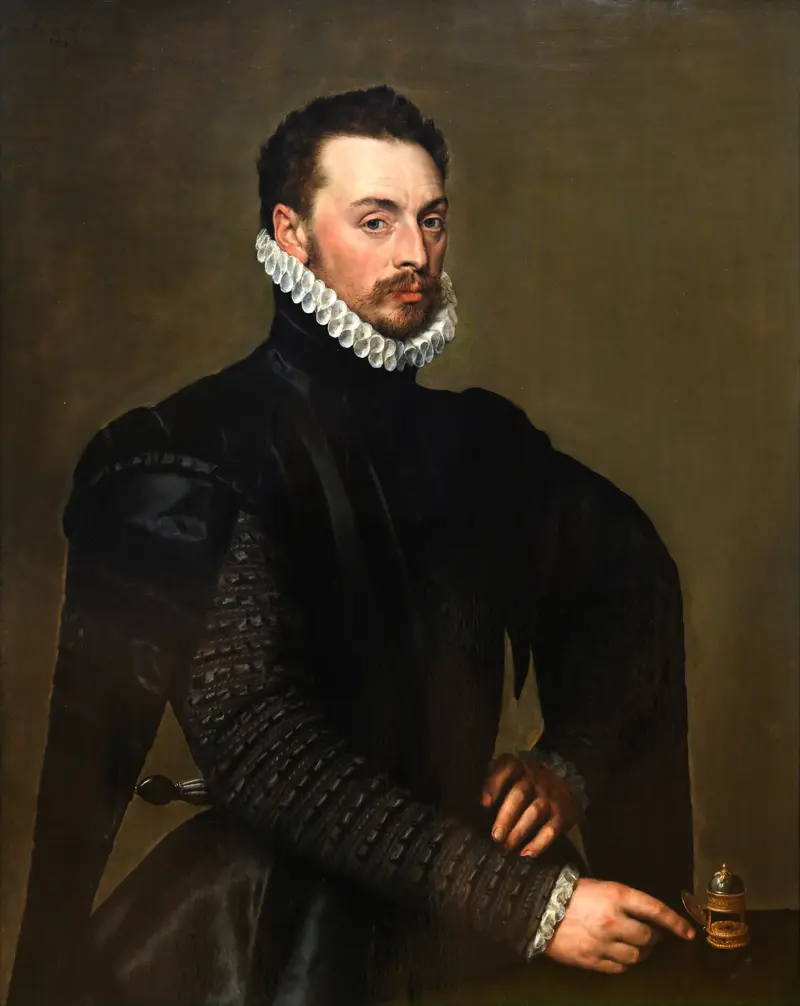
Portrait d'homme désignant une pendule Antonio Moro Musée du Louvre Peintures INV 1582 ; MR 880
Antonis Mor
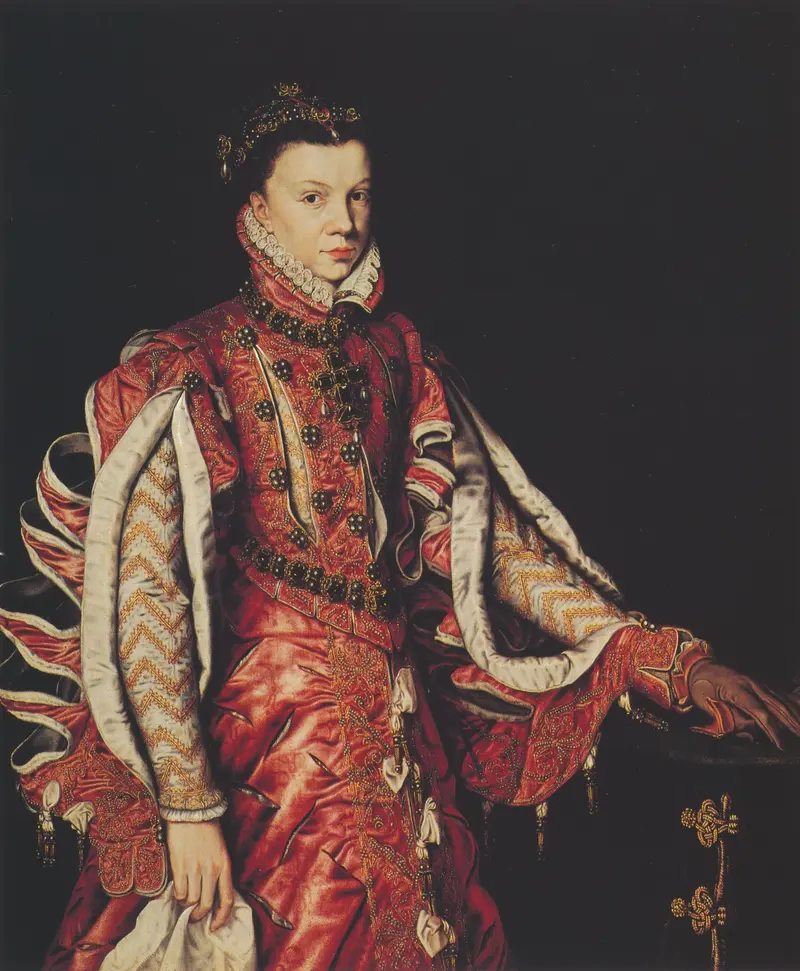
Portrait of Elisabeth of Valois, third wife of King Philip II of Spain
Antonis Mor
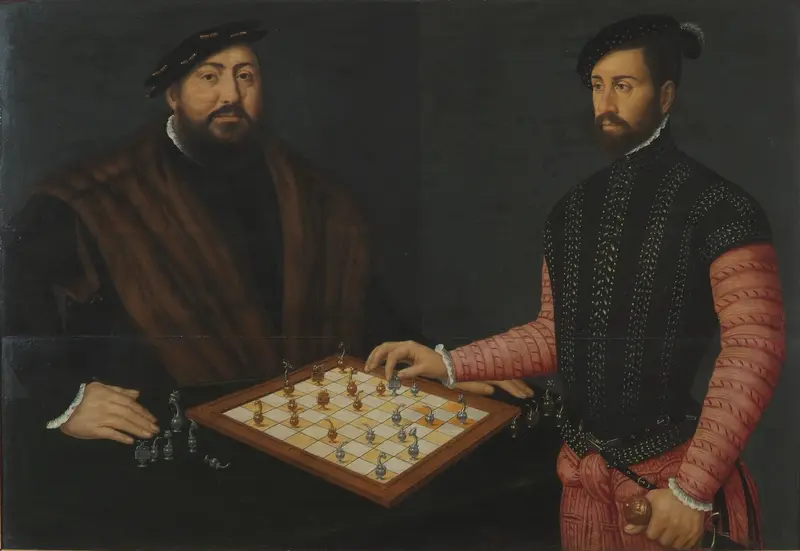
Von Sachsen vs. a Spaniard
Antonis Mor
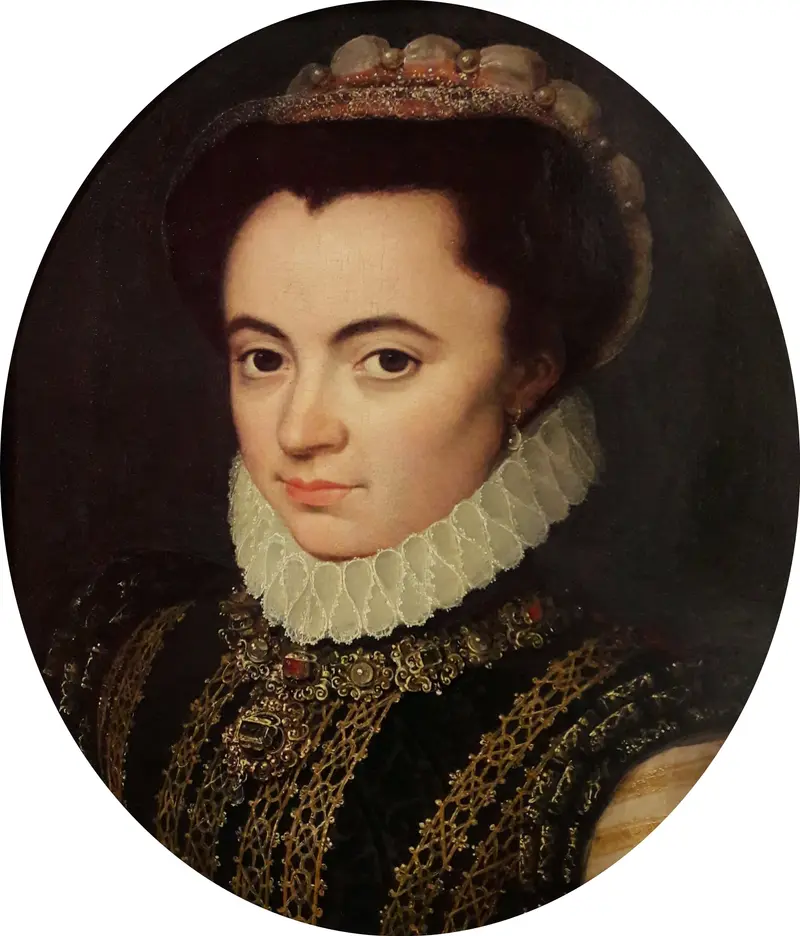
Portrait of Maria of Portugal, Duchess of Parma (1538-1577).
Antonis Mor





