
Portrait of a young prince — History & Facts
What first catches the eye in Portrait of a young prince by Antonis Mor is the self-assured pose of the child, his hand planted firmly on his hip, his gaze meeting the viewer with a mixture of gravity and challenge. The gold-embroidered doublet and hose, rendered with painstaking attention to the shimmer and weight of the fabric, speak of a world where clothing was a language of power. The boy’s stance—feet apart, shoulders squared—suggests a lesson learned early: how to fill a space meant for rulers.
And yet, in the dimness behind him, a monkey sits quietly, its presence both playful and unsettling, a reminder of courtly amusements and the unpredictable nature of fortune. Painted in 1548, this work stands at the crossroads of Renaissance portraiture and the shifting politics of European courts. Artists like Antonis Mor were summoned to immortalize heirs and courtiers, their likenesses sent across kingdoms as tokens of alliance and ambition. The identity of this sitter remains uncertain, a fact that mirrors the precariousness of status in the sixteenth century—where a child might be a prince, a page, or a favored court entertainer.
The painting’s dark background and controlled palette focus all attention on the boy and his costume, while the monkey’s inclusion hints at the layered symbolism prized by the era’s patrons. Few traces of this particular portrait’s journey survive, but its presence in the bildindex collection today invites us to look closer, to read the silent drama between youth, power, and the watchful eyes of the court.
More Artworks by Antonis Mor

Portrait of a Man
Antonis Mor
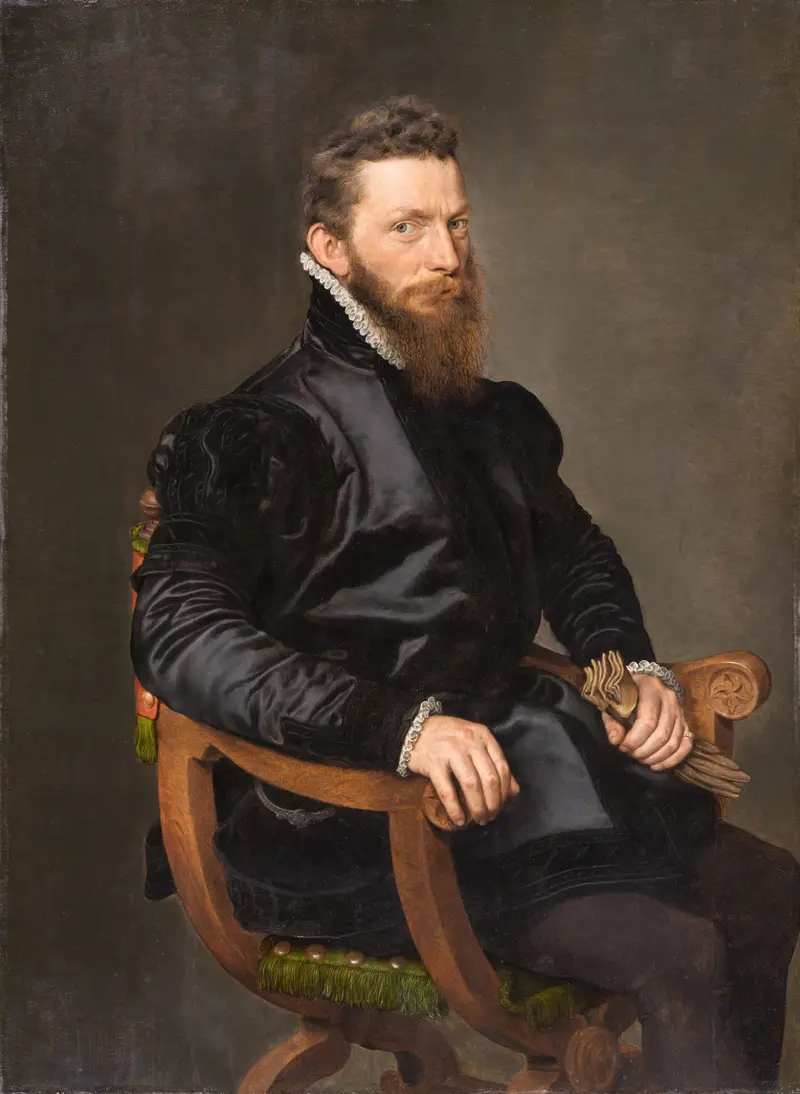
Portrait of a Gentleman
Antonis Mor
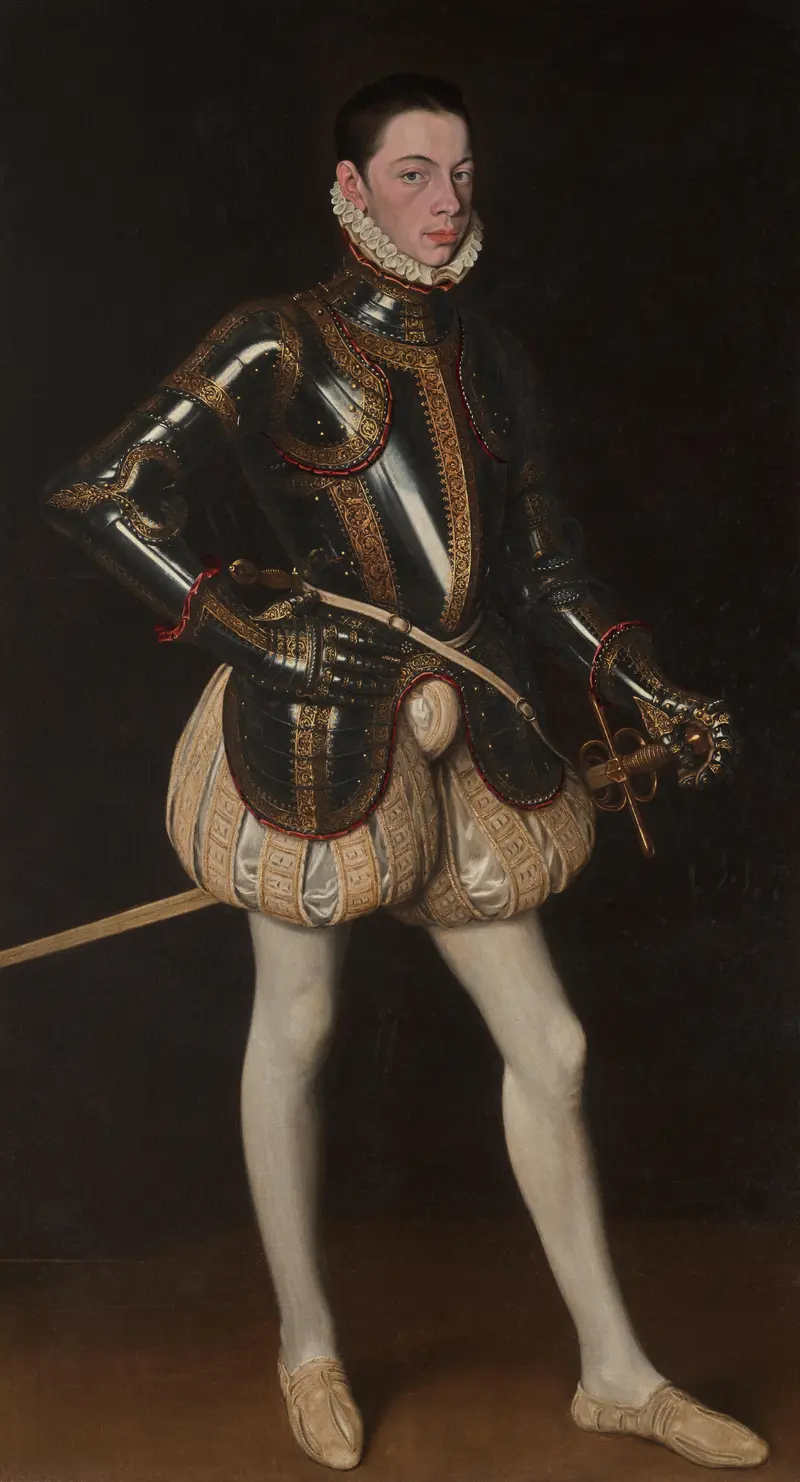
Alessandro Farnese in Armor
Antonis Mor
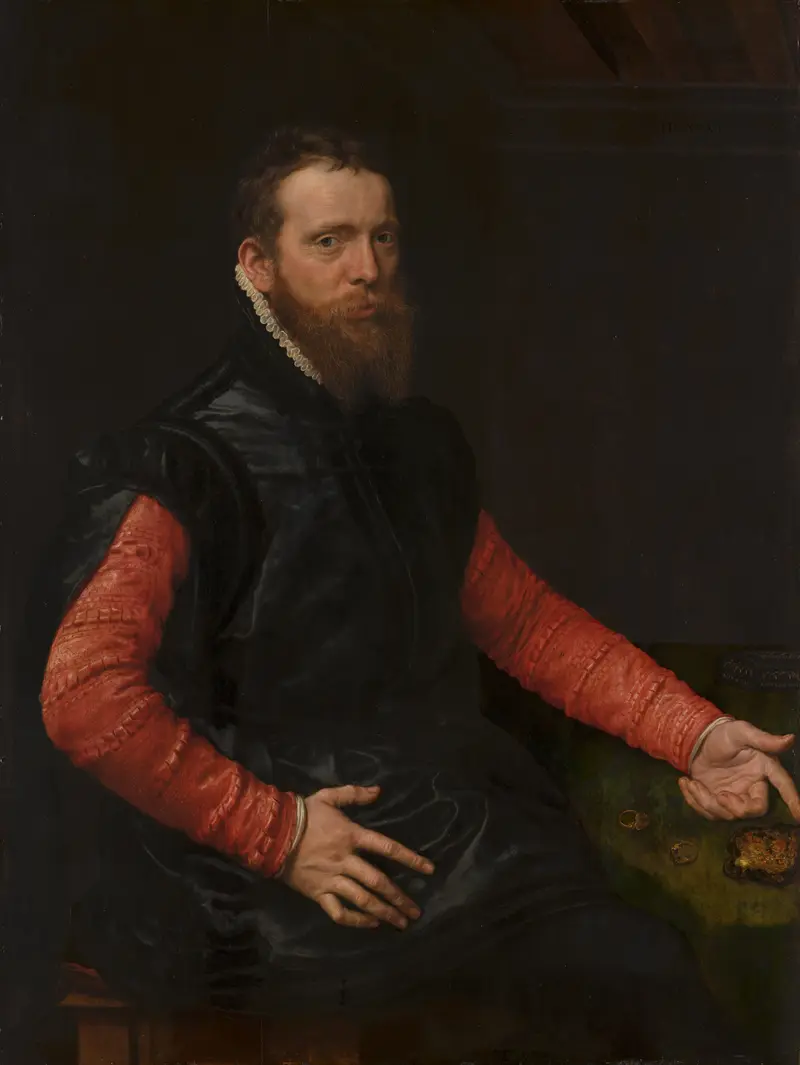
Steven van Herwijck
Antonis Mor
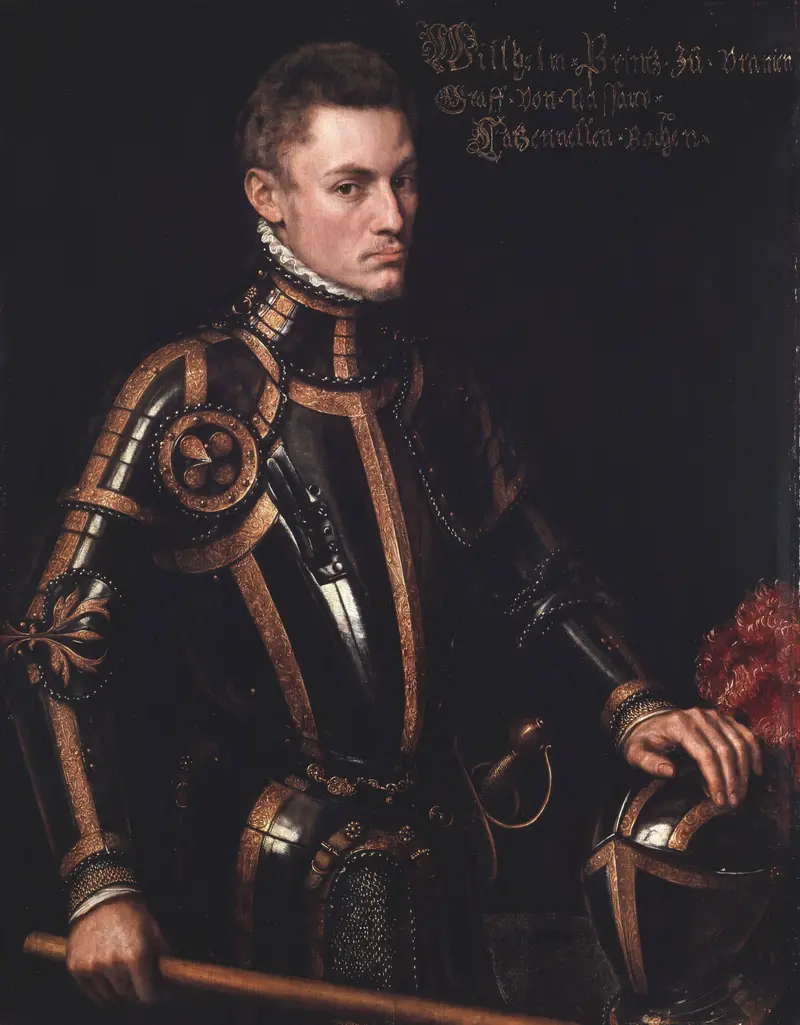
Portrait of William I of Nassau
Antonis Mor
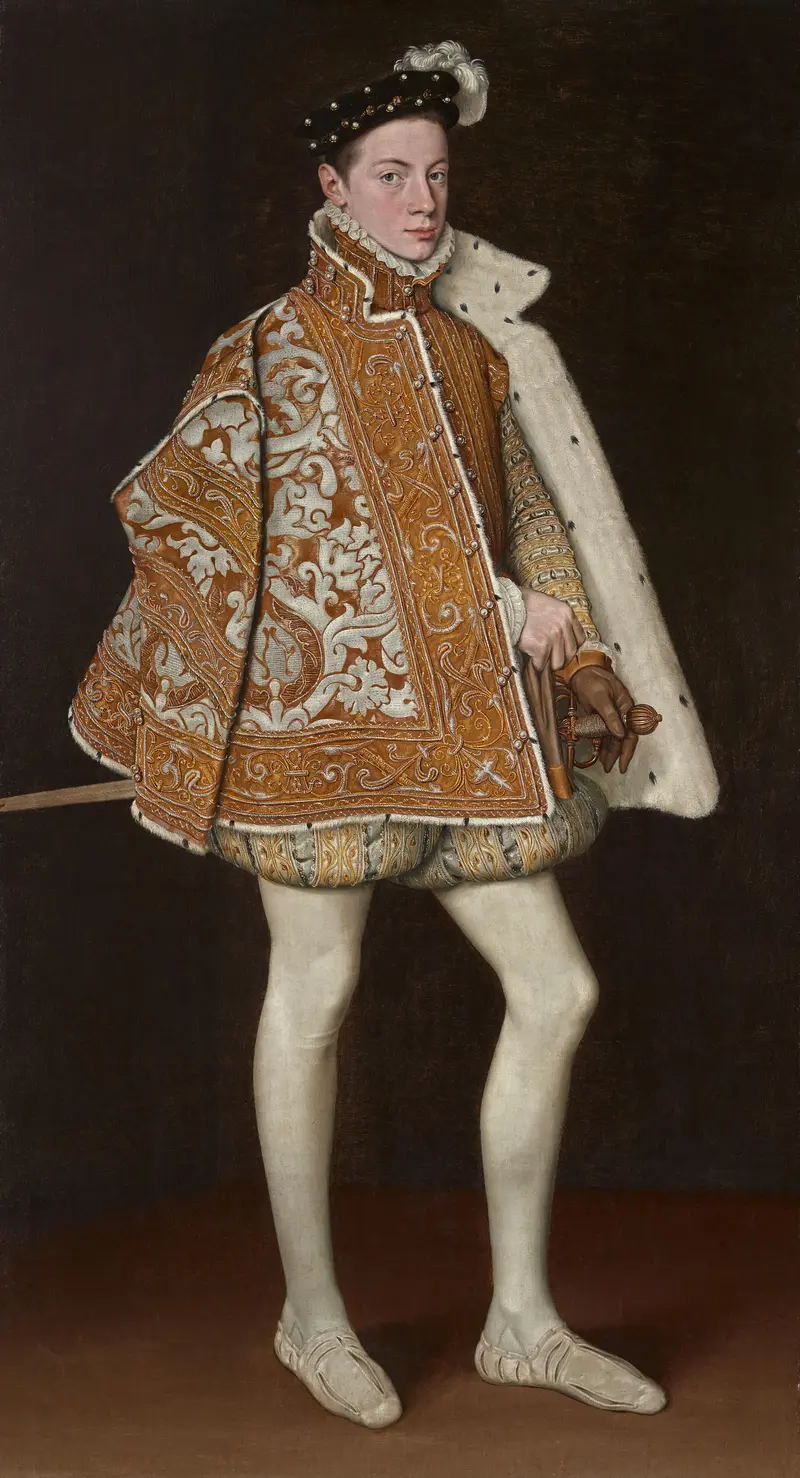
Portrait of Alessandro Farnese in Cape and Black Cap
Antonis Mor
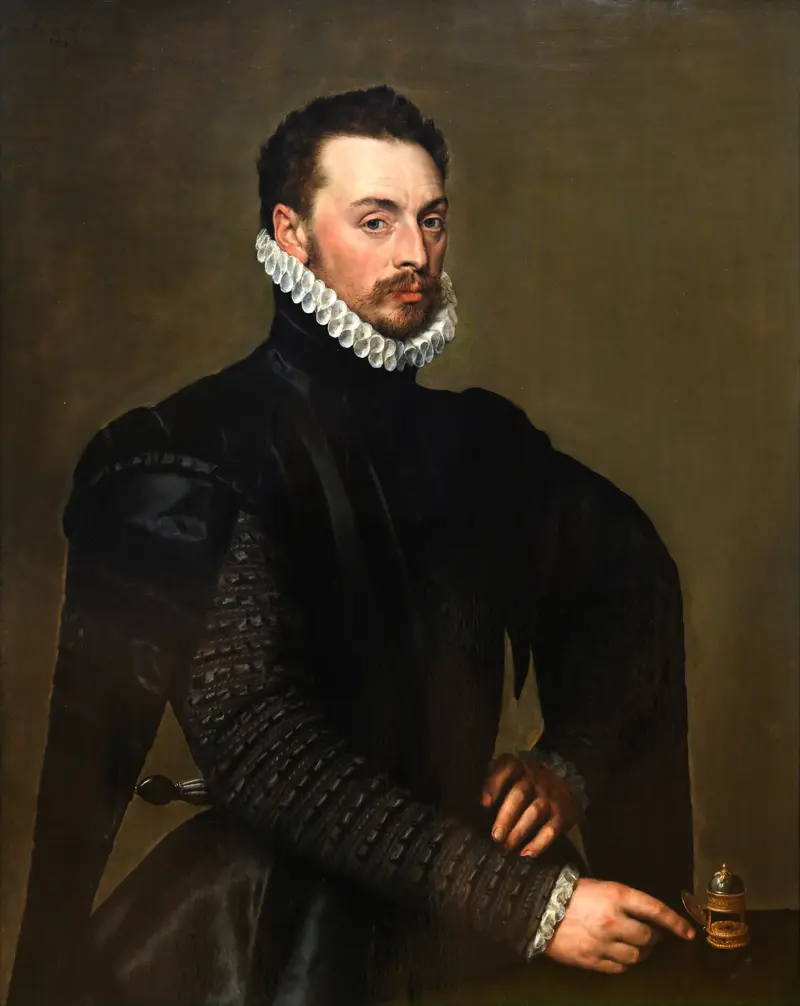
Portrait d'homme désignant une pendule Antonio Moro Musée du Louvre Peintures INV 1582 ; MR 880
Antonis Mor
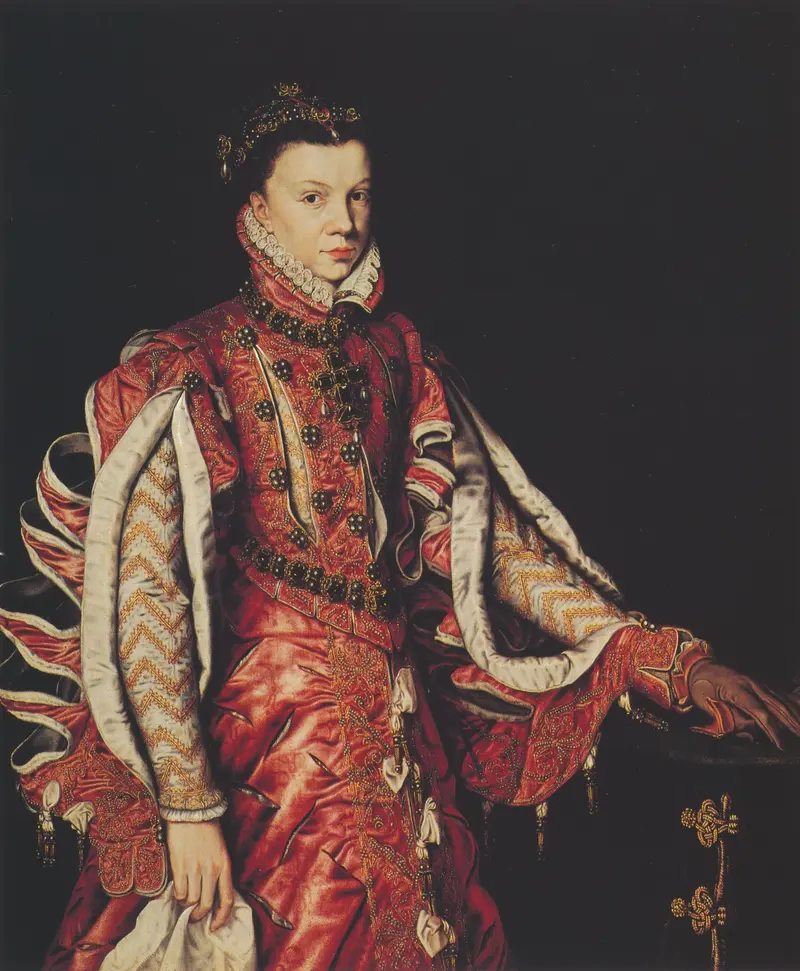
Portrait of Elisabeth of Valois, third wife of King Philip II of Spain
Antonis Mor
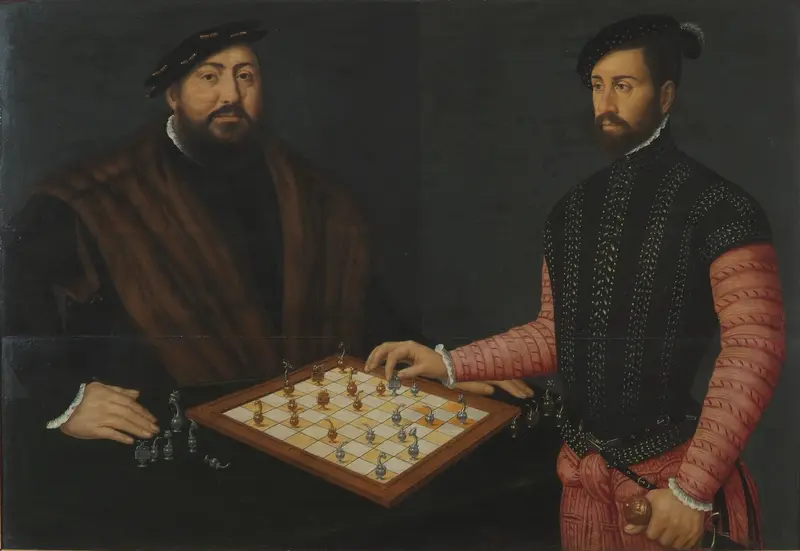
Von Sachsen vs. a Spaniard
Antonis Mor
Portrait of Maria of Portugal, Duchess of Parma (1538-1577).
Antonis Mor





