
Portrait of Elisabeth of Valois, third wife of King Philip II of Spain — History & Facts
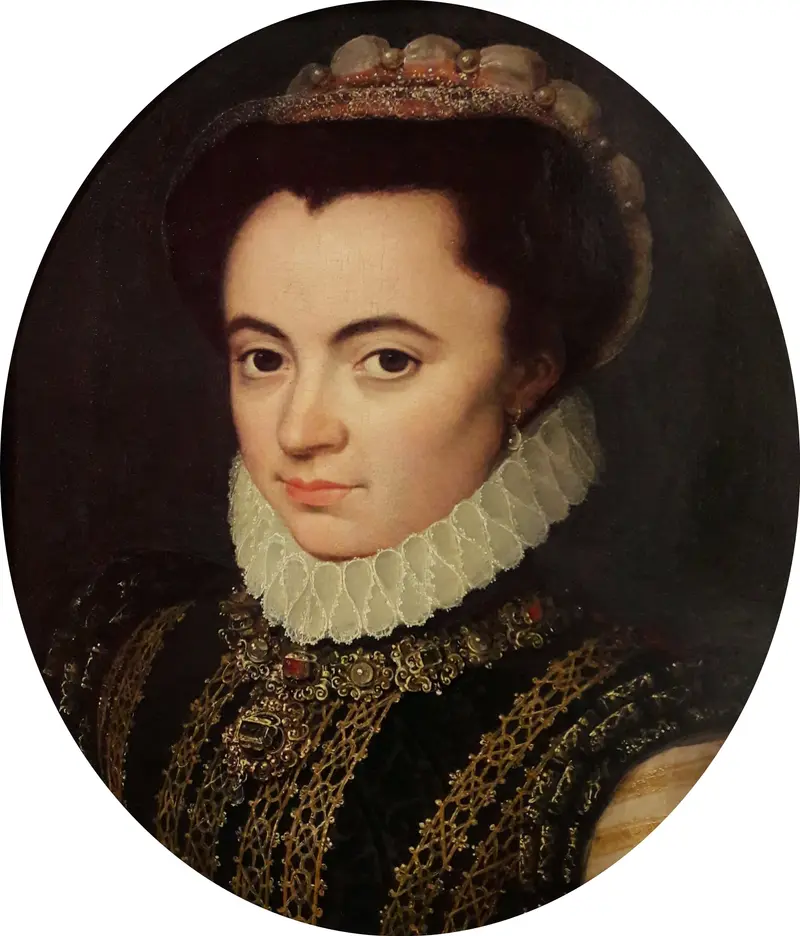
The first thing to catch the eye is the impossible richness of the dress: a red so deep it seems to glow from within, every inch alive with gold embroidery and stiff, sculptural folds. The sitter’s gaze is steady, almost wary, her lips pressed in a line that suggests both youth and the weight of expectation. Notice how her left hand, resting lightly on a table, anchors her in the world of power and ceremony, while the other gathers a fold of fabric—an action as practical as it is graceful.
The painter, Antonis Mor, frames her against a void of darkness, so that every detail—the jeweled girdle, the ruff, the intricate sleeves—commands your attention. This is not just a likeness; it is a performance of status, a careful construction of royal presence. Works like this, painted between 1559 and 1576, belong to a world where portraits were instruments of diplomacy and dynastic ambition. The Spanish and French courts traded images as tokens of alliance and proof of beauty, and painters like Mor were prized for their ability to capture both the flesh and the armor of royalty.
The sitter’s costume, with its blend of French and Spanish elements, speaks to the merging of two great houses, while the painting’s meticulous finish is a hallmark of the period’s court portraiture. Though history has kept few traces of this particular canvas beyond its presence in the RKDimages collection, it stands as a vivid witness to a moment when power, fashion, and identity were woven together in silk, gold, and paint. Let your eye linger on the play of light across the fabric, and imagine the world that demanded such splendor.
More Artworks by Antonis Mor

Portrait of a Man
Antonis Mor
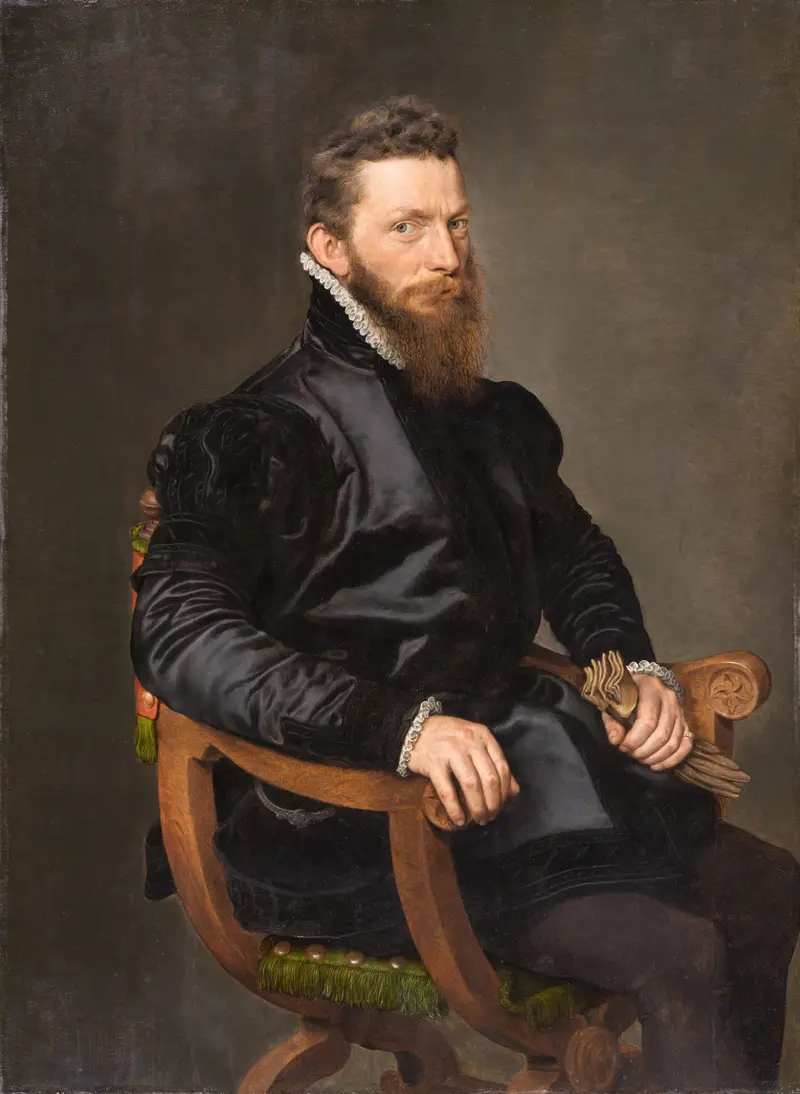
Portrait of a Gentleman
Antonis Mor
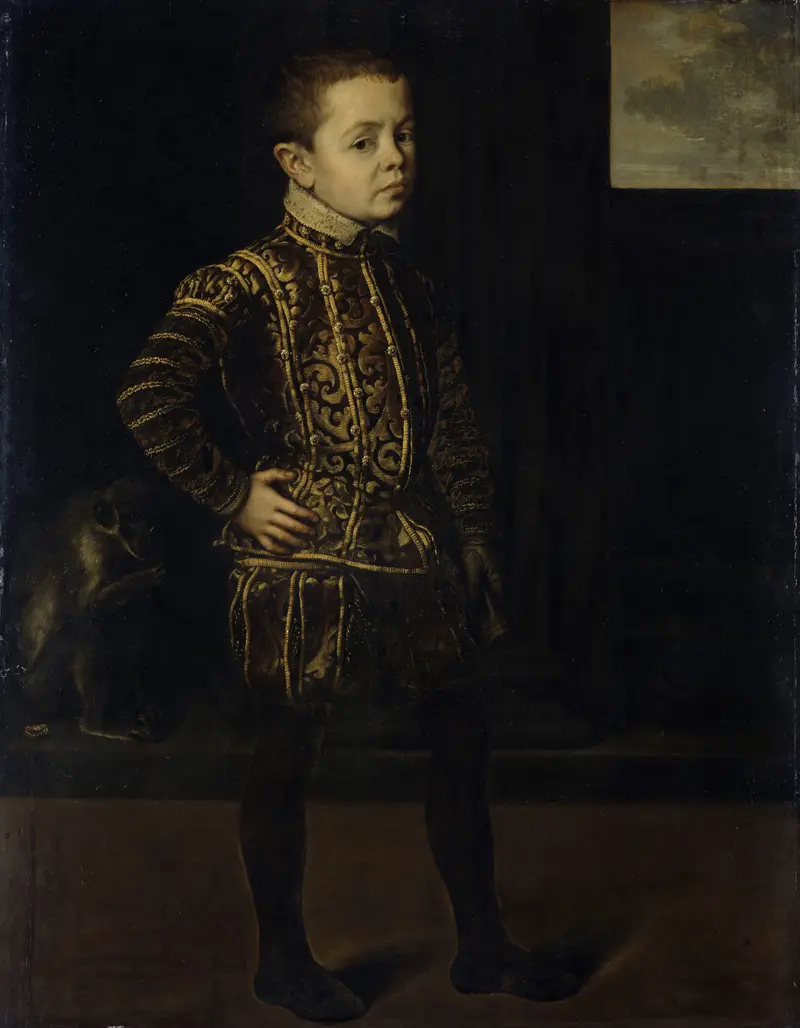
Portrait of a young prince
Antonis Mor
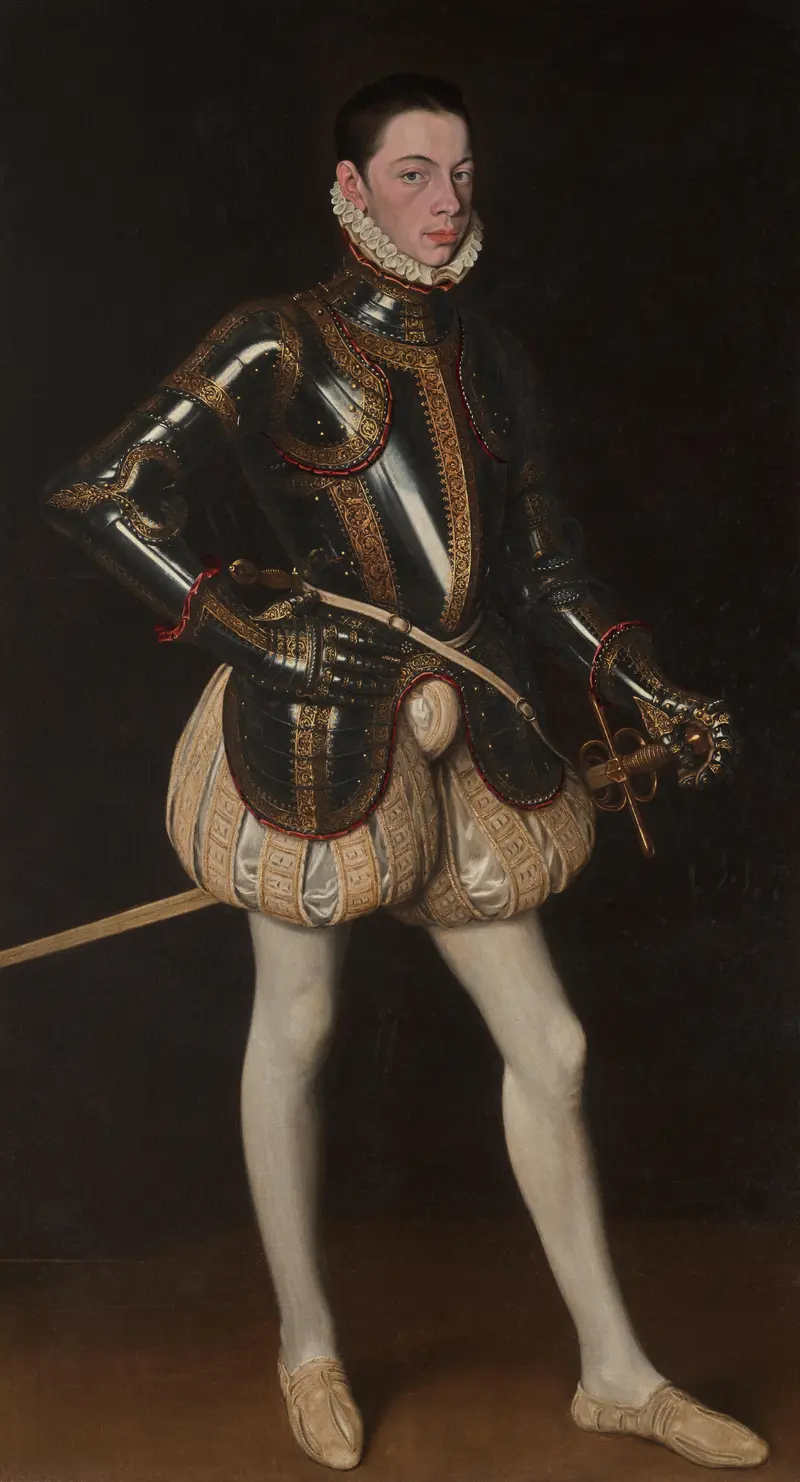
Alessandro Farnese in Armor
Antonis Mor
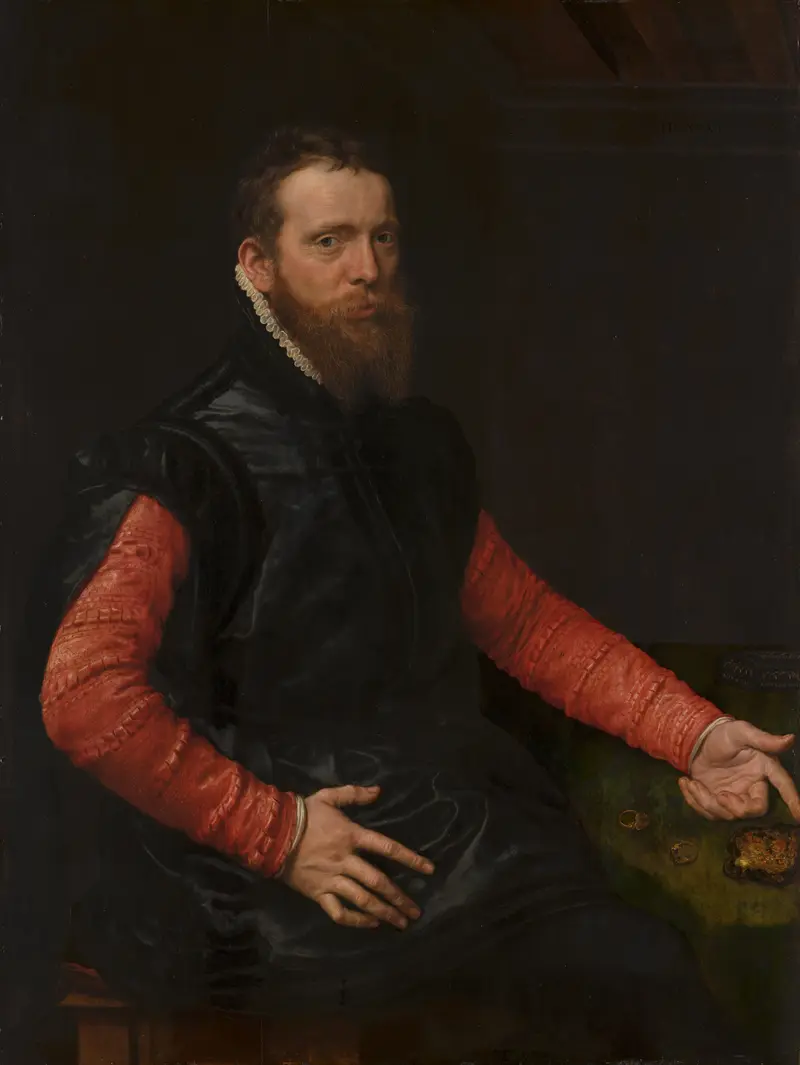
Steven van Herwijck
Antonis Mor
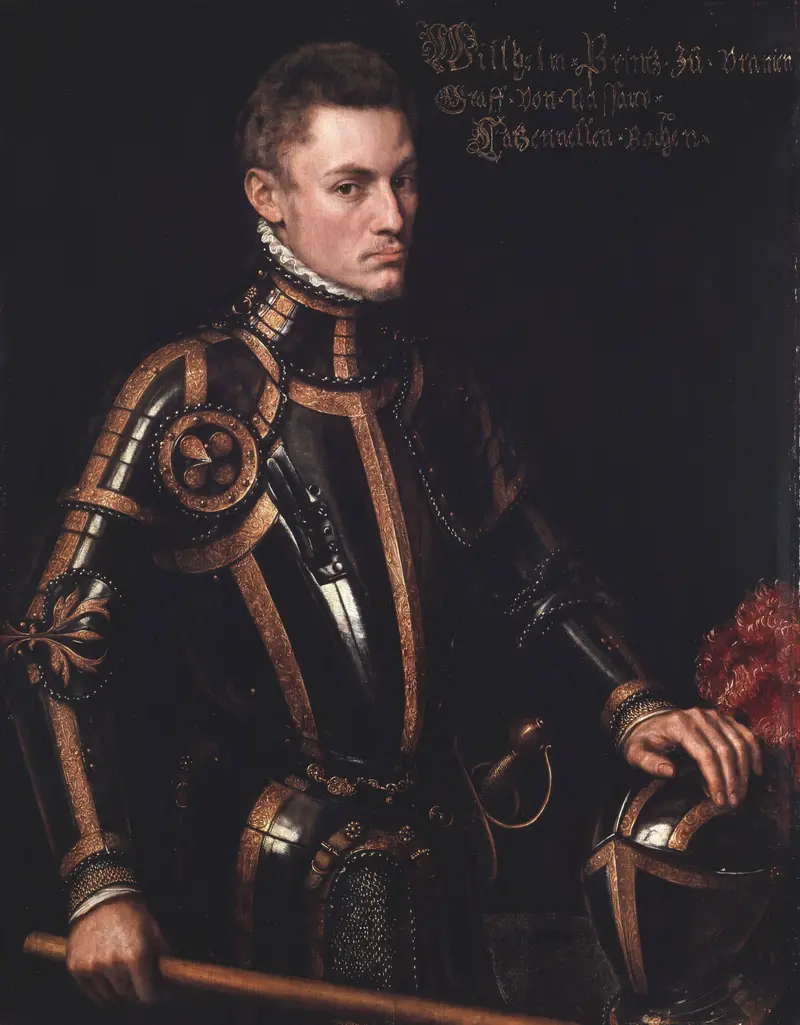
Portrait of William I of Nassau
Antonis Mor
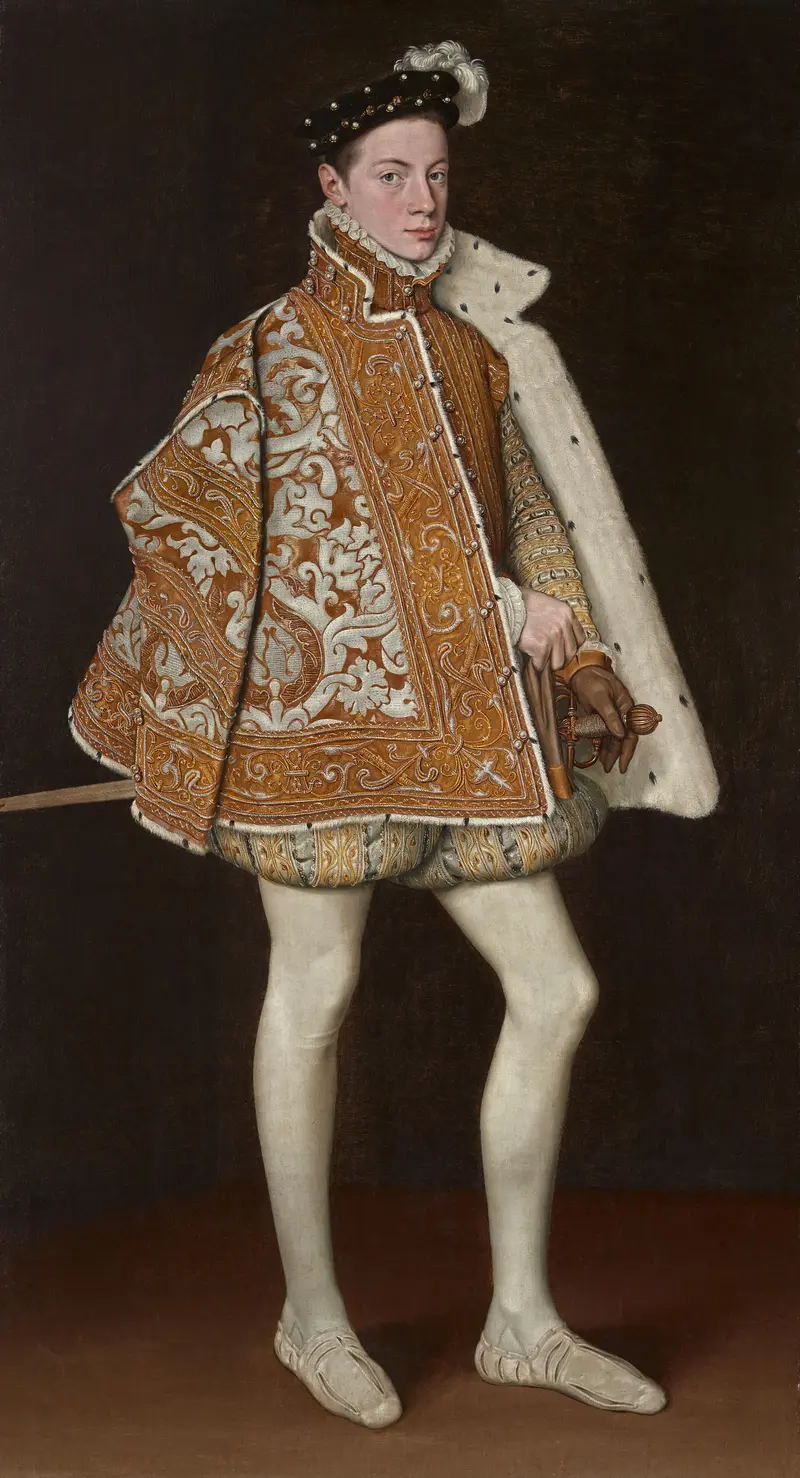
Portrait of Alessandro Farnese in Cape and Black Cap
Antonis Mor
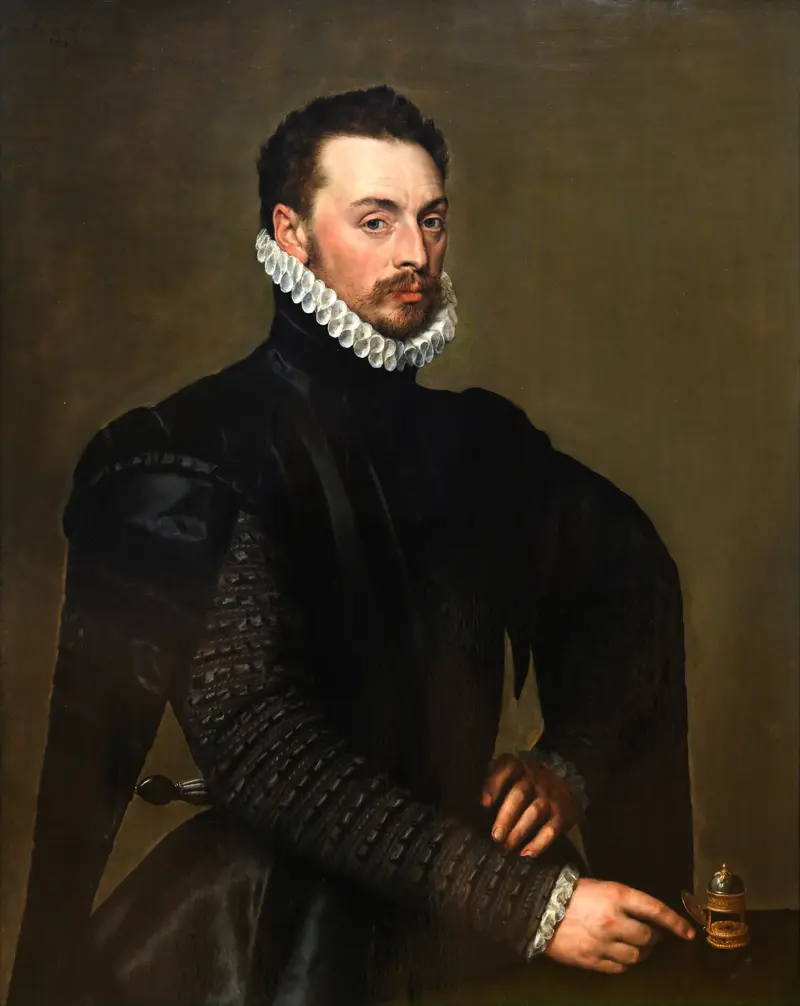
Portrait d'homme désignant une pendule Antonio Moro Musée du Louvre Peintures INV 1582 ; MR 880
Antonis Mor
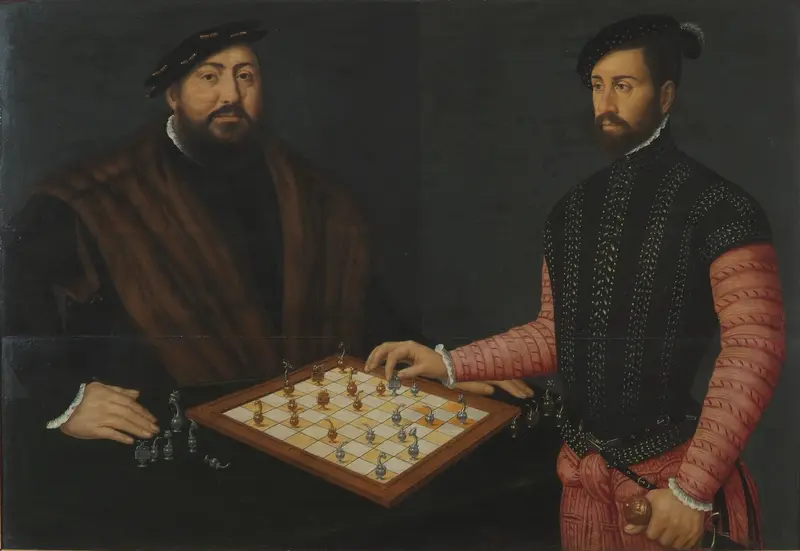
Von Sachsen vs. a Spaniard
Antonis Mor
Portrait of Maria of Portugal, Duchess of Parma (1538-1577).
Antonis Mor





