
Alessandro Farnese in Armor — History & Facts
The first thing to catch the eye in Alessandro Farnese in Armor is the gleam of the young man’s parade armor, chased with gold and edged in crimson velvet, catching the light as if he were about to step forward from the darkness. His posture is both formal and slightly relaxed: one hand resting on his hip, the other gripping the hilt of a sword, his gaze steady but not defiant. The painter, Antonis Mor, has chosen to set him against a void of deep shadow, so that every detail of the armor and the pale, almost theatrical ruff around his neck stands out with heightened clarity.
This is not the face of a battle-hardened veteran, but of a youth poised on the threshold of power, his features still soft, his expression composed yet alert. The careful rendering of the metallic surfaces and the crisp folds of the doublet invite the viewer to linger over the technical bravura, but also to wonder what thoughts lie behind that measured look. Portraits like this, painted in the mid-sixteenth century, were as much declarations as likenesses. In the courts of Europe, armor was a language of status and lineage, not merely protection: to be painted in such finery was to claim a place among the ruling elite.
Antonis Mor was renowned for his ability to capture both the grandeur and the psychological presence of his sitters, and here he balances the rigid formality of Spanish court portraiture with a sense of individual character. Dated probably circa 1561 and last recorded at Sotheby’s in New York, this painting belongs to a world where such images were commissioned to cement alliances, advertise loyalty, or mark a rite of passage. History has kept few traces of this particular canvas’s journey, but its presence still commands the viewer’s attention, challenging us to read both the armor and the man within.
More Artworks by Antonis Mor

Portrait of a Man
Antonis Mor
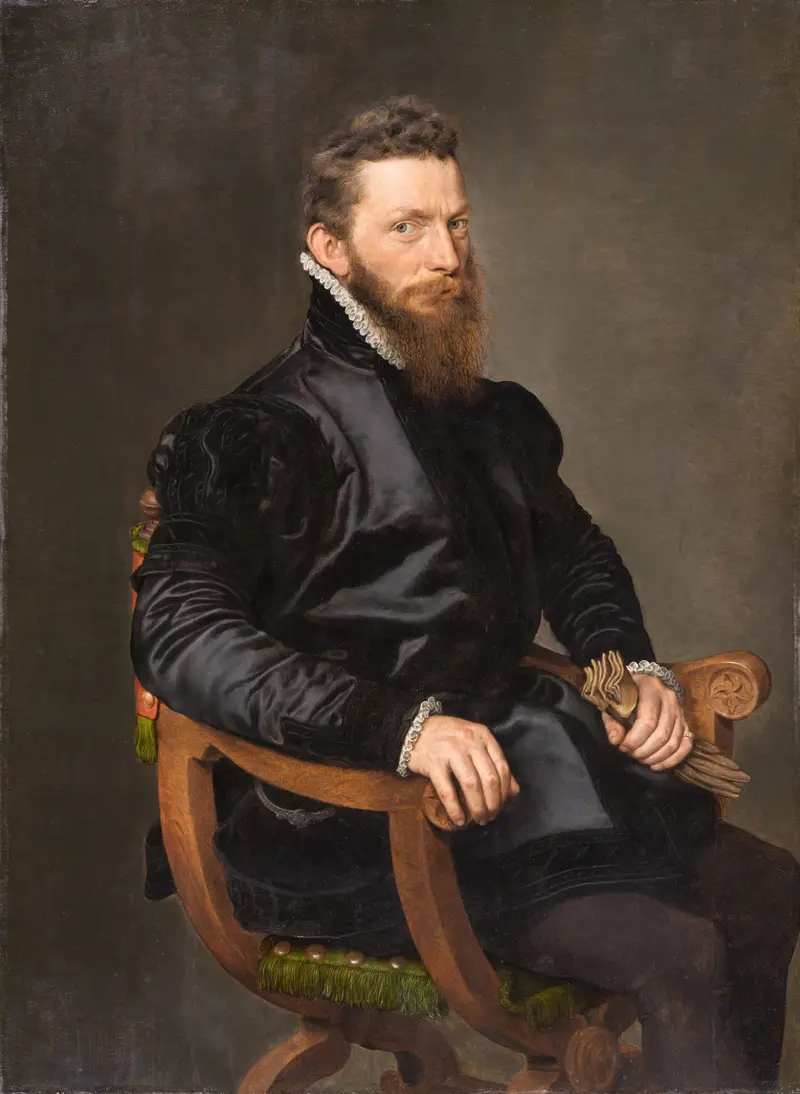
Portrait of a Gentleman
Antonis Mor
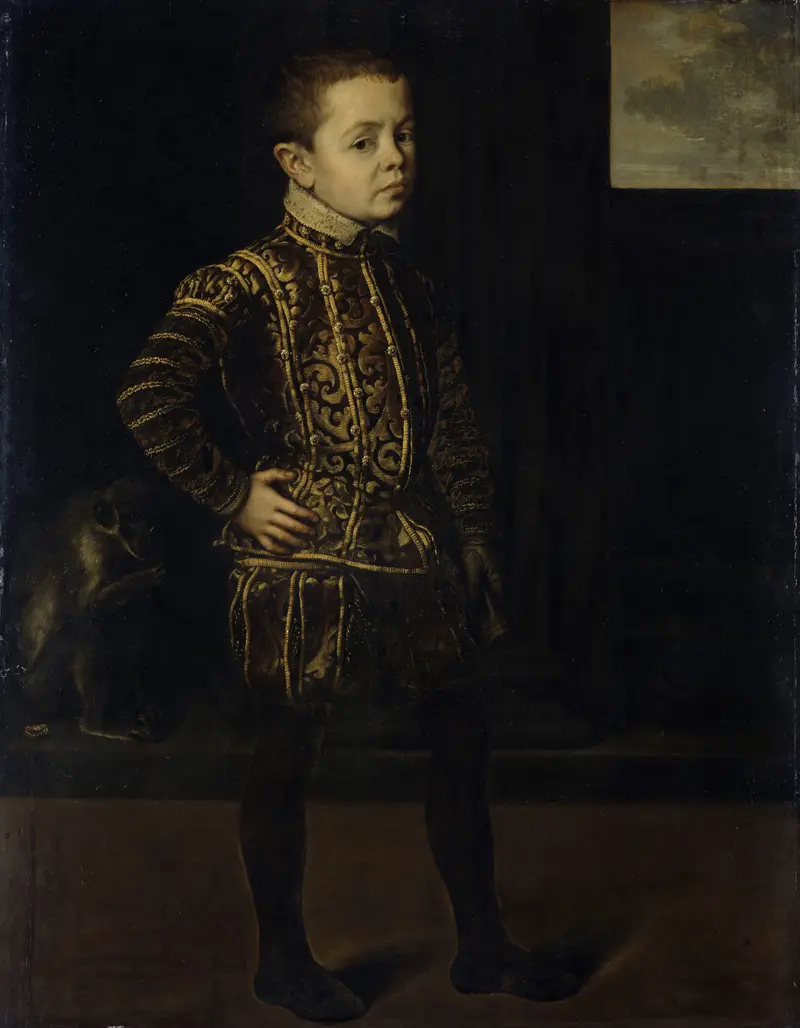
Portrait of a young prince
Antonis Mor
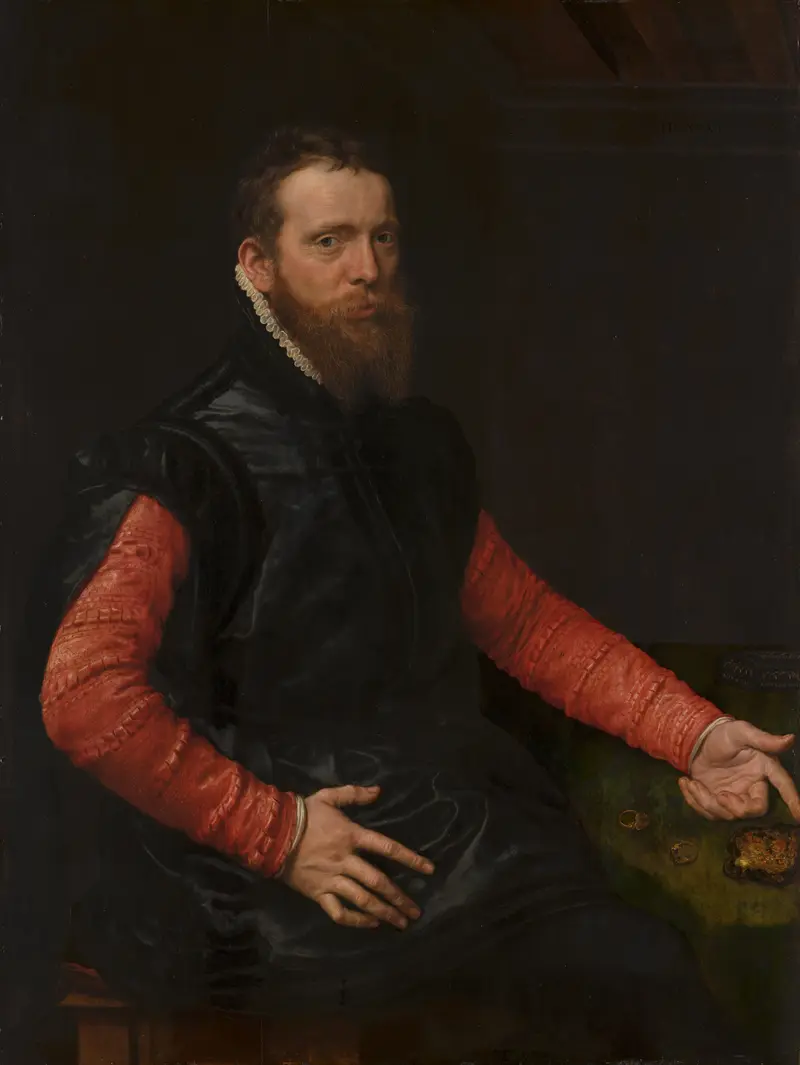
Steven van Herwijck
Antonis Mor
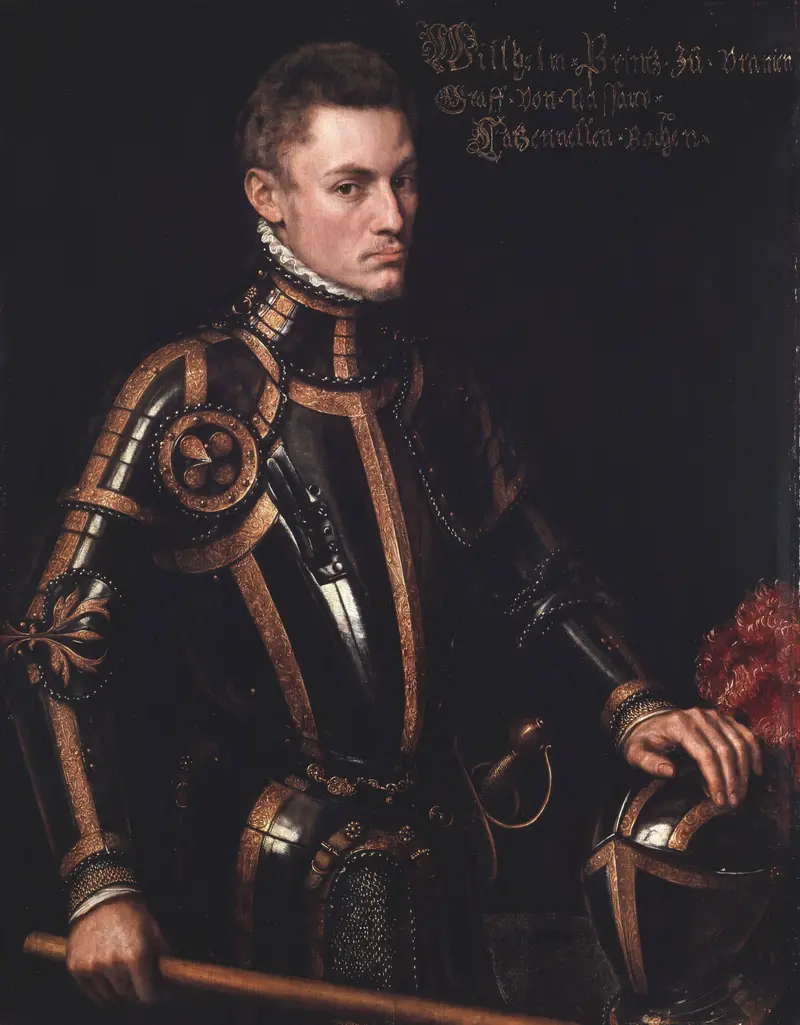
Portrait of William I of Nassau
Antonis Mor
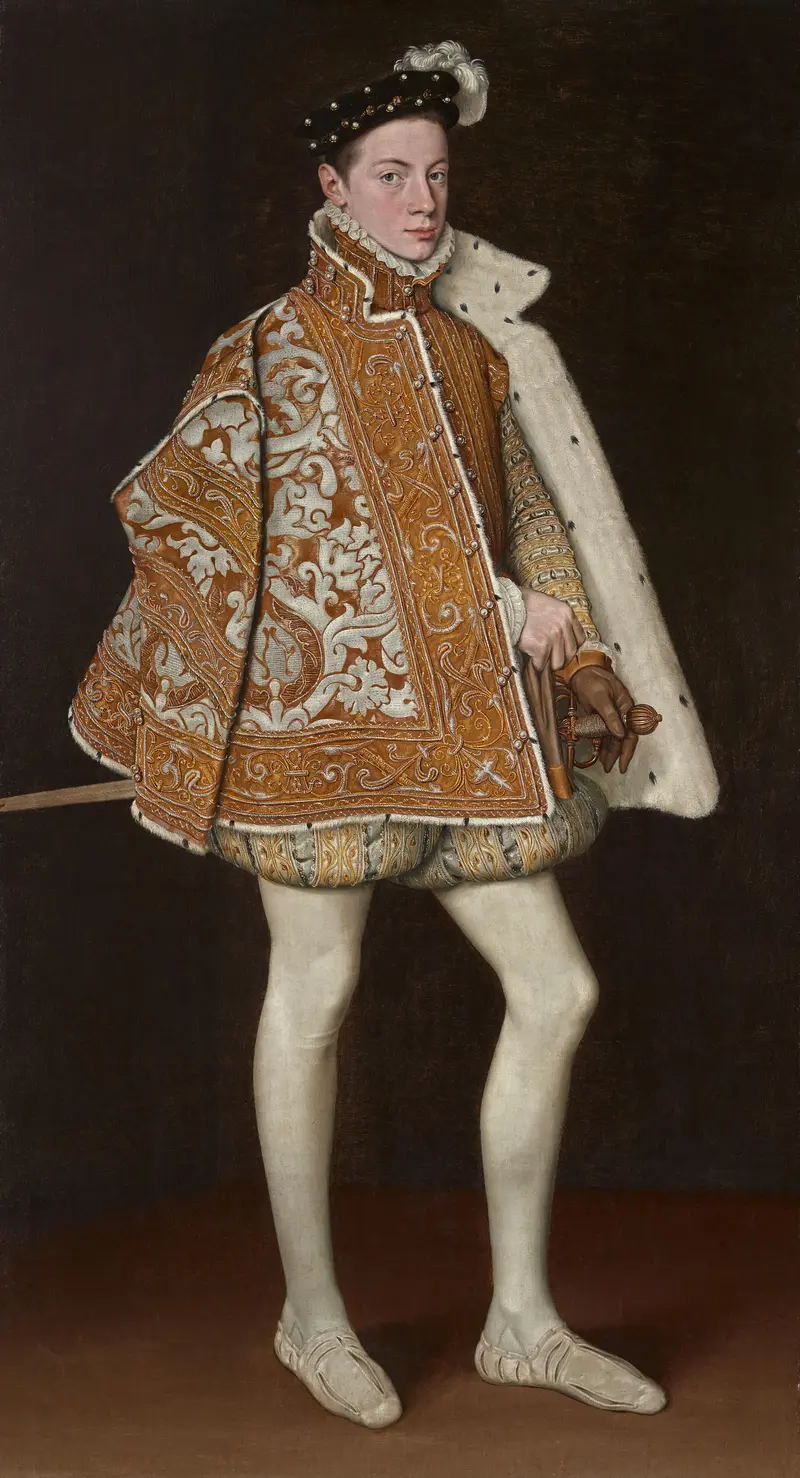
Portrait of Alessandro Farnese in Cape and Black Cap
Antonis Mor
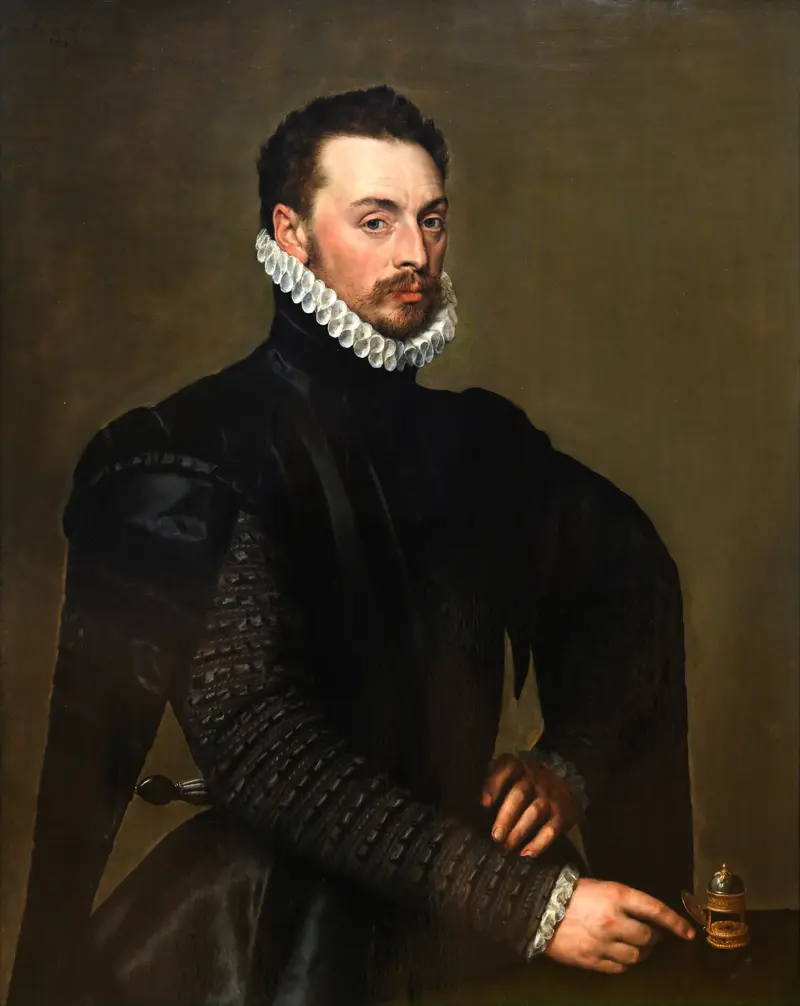
Portrait d'homme désignant une pendule Antonio Moro Musée du Louvre Peintures INV 1582 ; MR 880
Antonis Mor
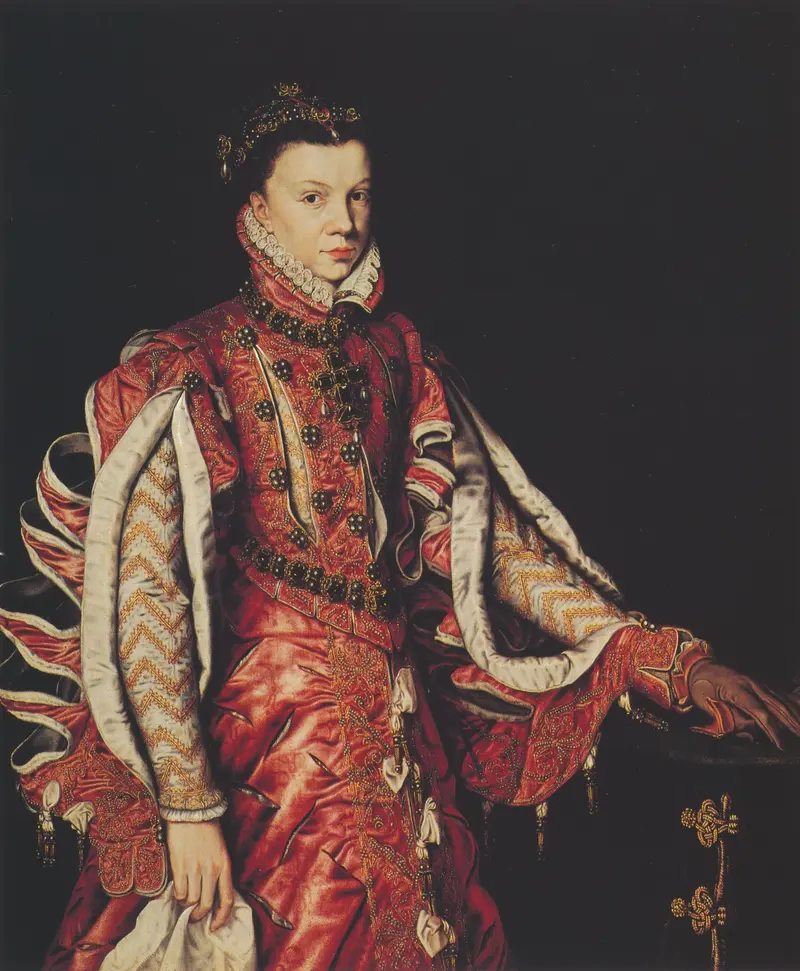
Portrait of Elisabeth of Valois, third wife of King Philip II of Spain
Antonis Mor
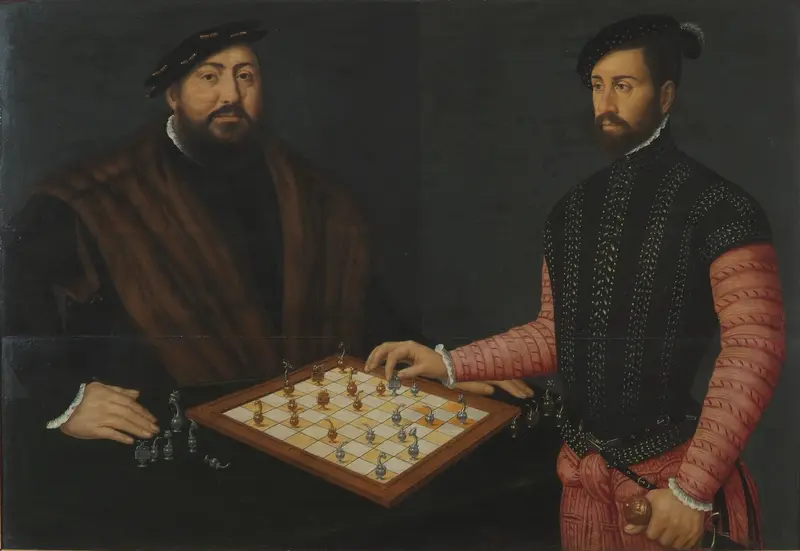
Von Sachsen vs. a Spaniard
Antonis Mor
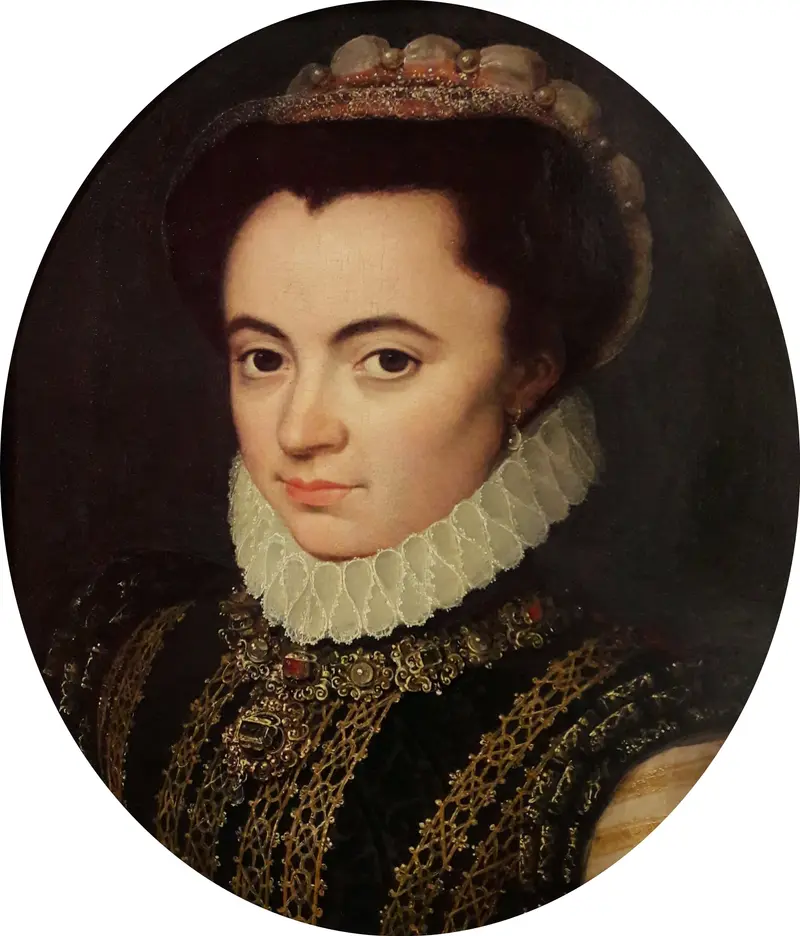
Portrait of Maria of Portugal, Duchess of Parma (1538-1577).
Antonis Mor





