
A Mother and Three Children at Rest — History & Facts
In the quietude of a moment suspended in time, the tender bond between mother and children unfolds, layered with echoes of loss yet imbued with warmth. Each brushstroke captures a delicate interplay of intimacy and silence, whispering to the viewer of the fragile beauty of familial love. Look to the left at the soft contours of the mother, her gentle pose cradling her children as if she were a protective cocoon. Notice how the light seeps through the window, casting a golden hue on their faces, illuminating innocence amidst shadows.
The subtle palette of earthy tones envelops the scene, allowing the figures to emerge as a cohesive unit, yet the muted background evokes a sense of solitude, suggesting the world beyond their sanctuary. Hidden within this serene tableau lies the poignant tension of loss. The children’s peaceful expressions suggest moments of playfulness and joy, juxtaposed against the mother's subdued gaze, hinting at her own inner turmoil. The slight distance between the figures reflects emotional layers, revealing a longing for connection that extends beyond the canvas.
It’s as if each child embodies a piece of her, reminding us that love can be both a source of strength and vulnerability. Antonie Waterloo painted this work between 1640 and 1690 during a period marked by significant social and political upheaval in Europe. Residing in the Netherlands, he navigated the complexities of family life amid the shifting tides of the art world, where genre painting began to gain prominence. This moment, captured with such tenderness, reflects not just a scene of rest but also a profound understanding of the human experience amidst the fragility of existence.
More Artworks by Antonie Waterloo
Browse all →
Gezicht op het dorp Soest
Antonie Waterloo

Hagar comforted by the Angel
Antonie Waterloo

Waldbach, der über Felsen stürzt, über die eine Holzbrücke führt
Antonie Waterloo
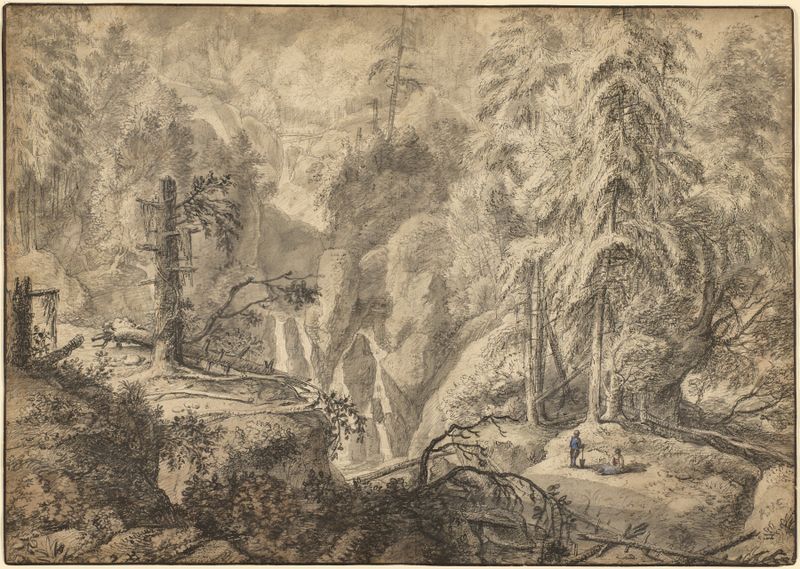
Mountain Landscape, Peasants in a Clearing near a Waterfall
Antonie Waterloo
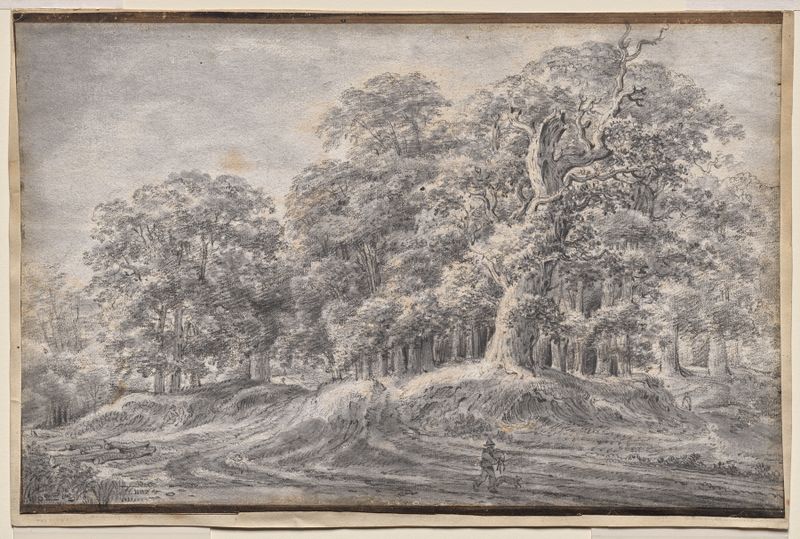
A Track on the Edge of a Wood with a Peasant Carrying Sheep
Antonie Waterloo
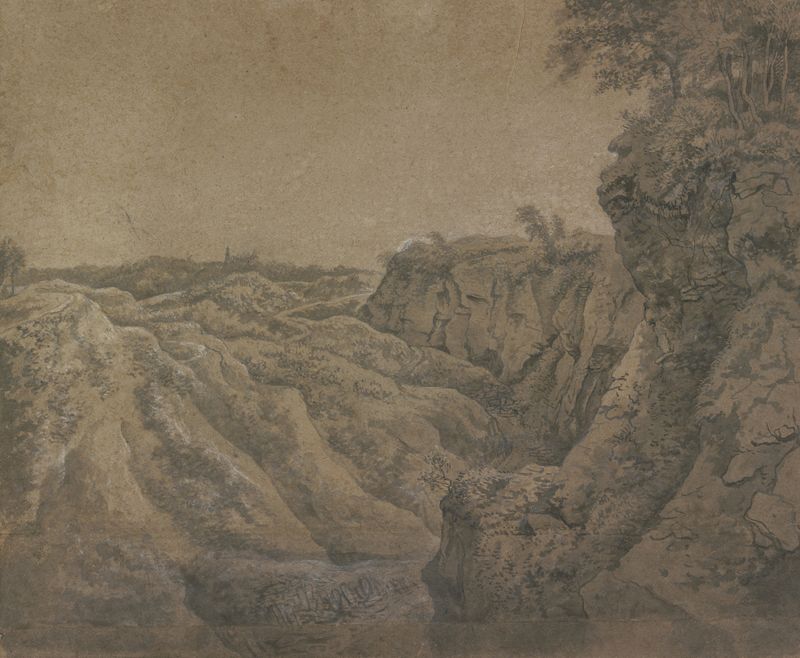
Landscape with a View of Bentheim Castle in the far Distance
Antonie Waterloo
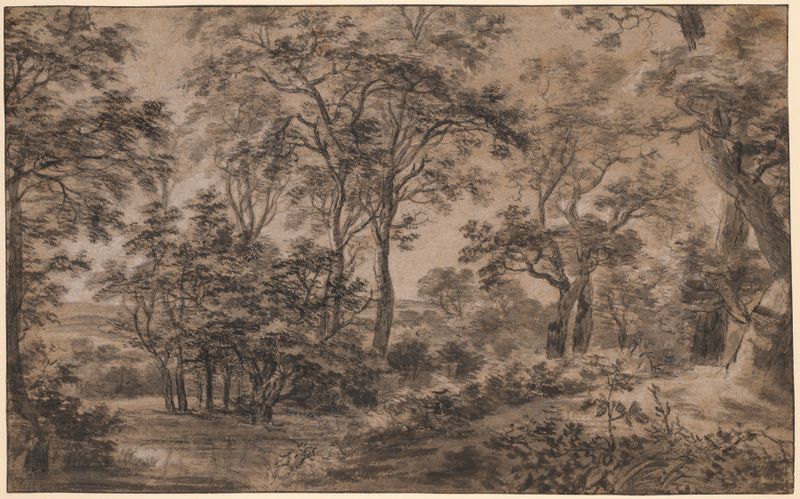
Wooded Landscape
Antonie Waterloo
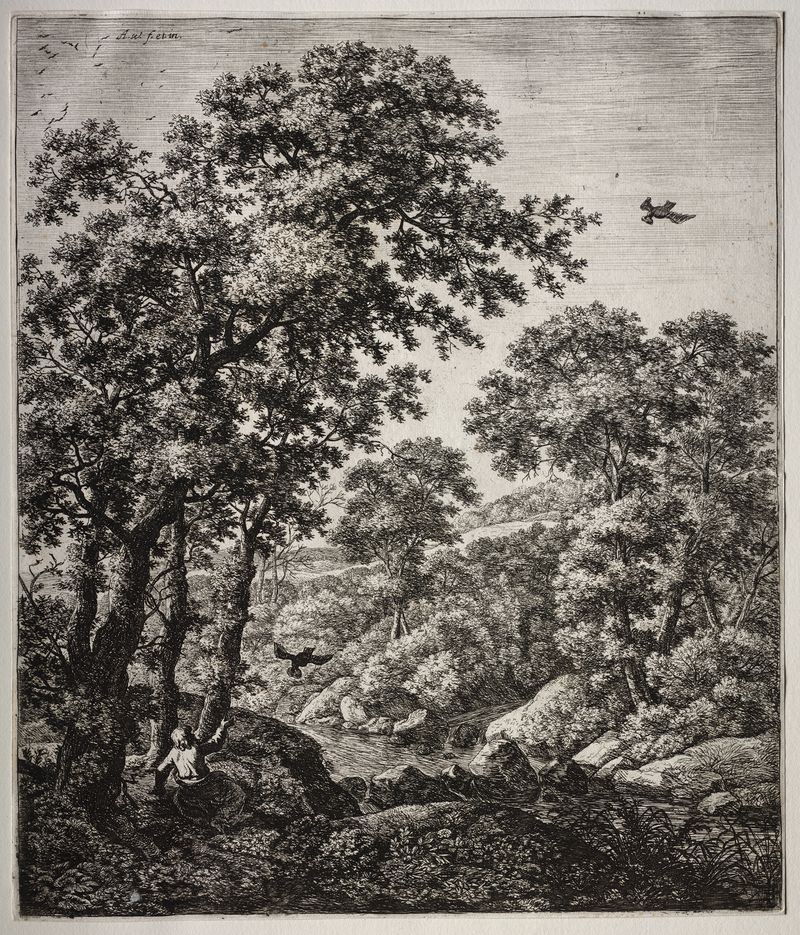
Elijah Fed by the Ravens
Antonie Waterloo
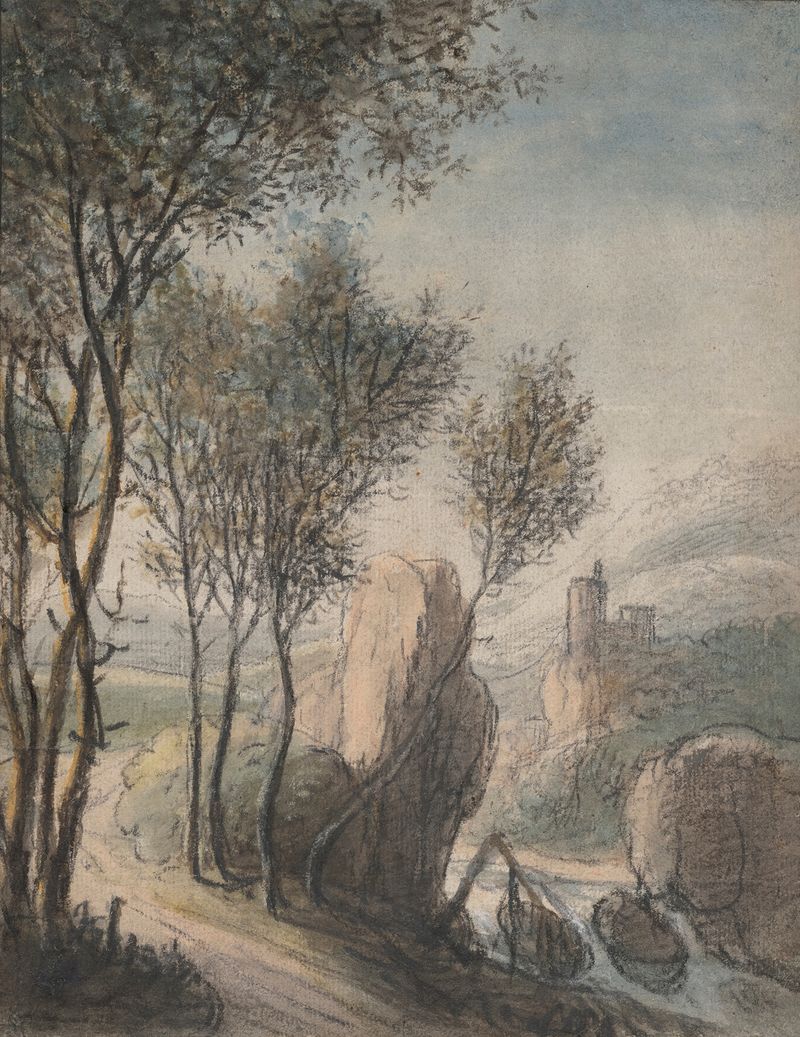
River Landscape with a Castle in the Distance
Antonie Waterloo

Trees and cottages in hilly landscape
Antonie Waterloo
More Portrait Art
Browse all →
Las meninas
Diego Velázquez

Self-portrait with a Bandaged Ear and Pipe
Unidentified artist

Girl with a Pearl Earring
Johannes Vermeer

The Sampling Officials of the Amsterdam Drapers’ Guild, Known as ‘The Syndics’
Rembrandt van Rijn

The Hundred Guilder Print: the man seen on the back in the lower left corner
Rembrandt van Rijn

Portrait of Dr Gachet
Vincent van Gogh