
Churchyard at the Waterside — History & Facts
The eye is drawn first to the gentle congregation of trees, their branches fanning out above a small churchyard that nestles quietly at the water’s edge. The artist, Antonie Waterloo, leads us along the bank, past the church’s pointed gables and the open archway, toward a world where water and land meet in tranquil conversation. Figures move with unhurried purpose: a woman stands near the wall, another pair strolls beneath the trees, and a boat glides across the still surface, its passengers mid-journey.
The etching’s delicate lines give the foliage a restless energy, while the calm expanse of sky and water opens a space for contemplation. The low horizon and careful placement of buildings and windmills in the distance invite us to linger, to imagine the lives unfolding in this riverside haven. Works like Churchyard at the Waterside belong to a tradition of Dutch landscape art that flourished in the seventeenth century, when artists found poetry in everyday scenes and the interplay of light and land. These images were collected by a rising urban middle class, eager to bring the serenity and order of the countryside into their homes.
Antonie Waterloo was known for his etchings, which captured the quiet drama of nature and human presence with an economy of line. This particular impression, now in the National Gallery of Art and made accessible through their Open Access Policy, is a testament to the enduring appeal of such scenes—humble yet expansive, inviting the viewer to step into a world shaped by water, trees, and the gentle passage of time. Let your gaze follow the river’s course, and see where it leads.
More Artworks by Antonie Waterloo
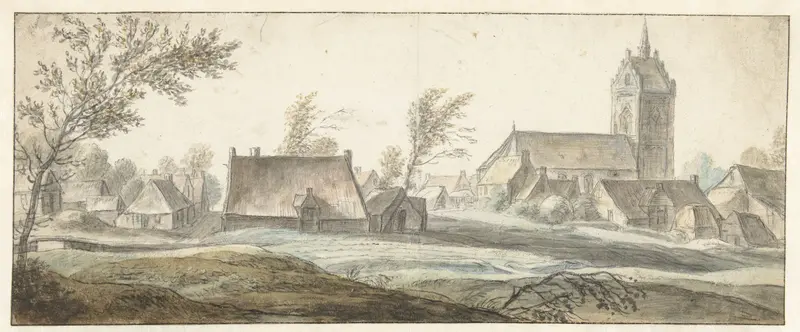
Gezicht op het dorp Soest
Antonie Waterloo
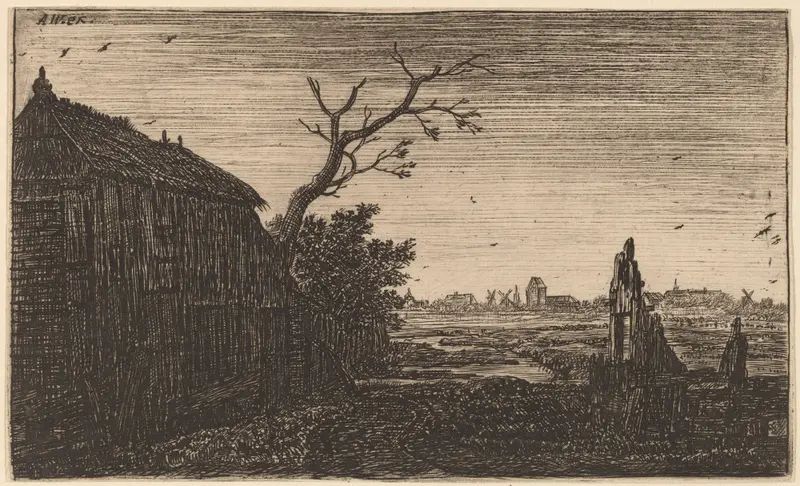
The Sluice
Antonie Waterloo
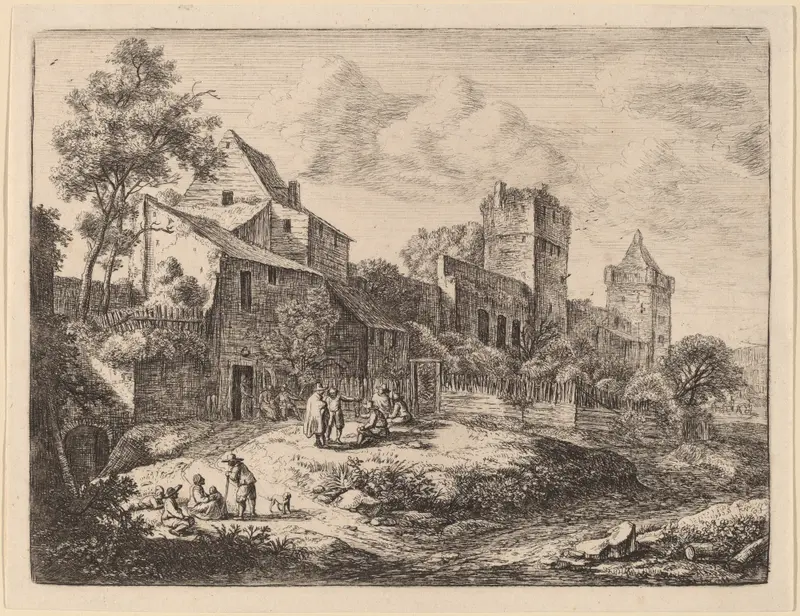
Square in Front of an Inn
Antonie Waterloo
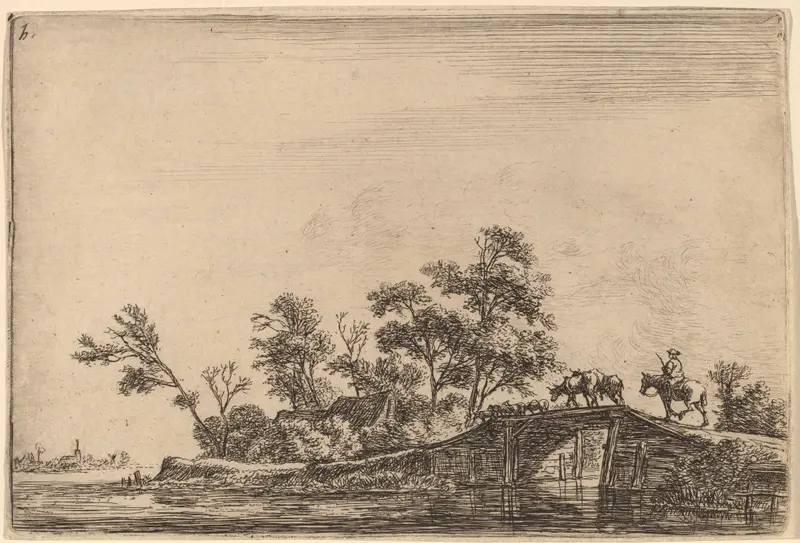
Rider and Flock on a Bridge
Antonie Waterloo
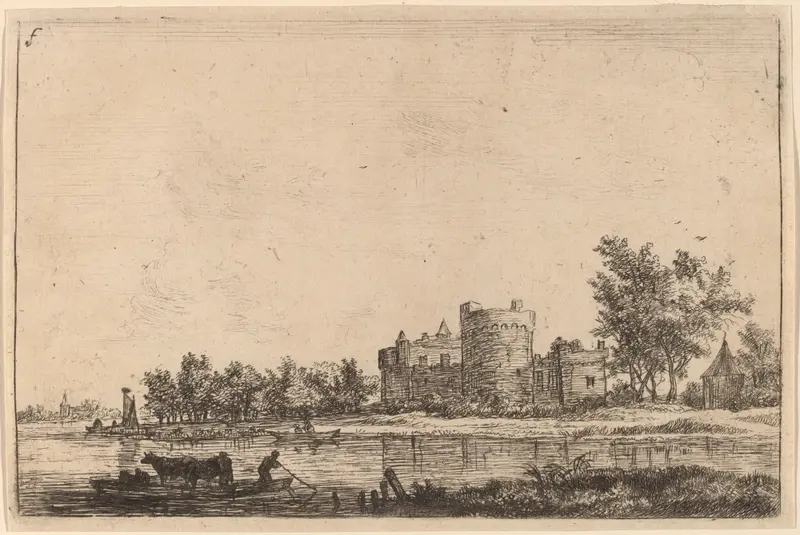
Two Cows on a Ferry
Antonie Waterloo
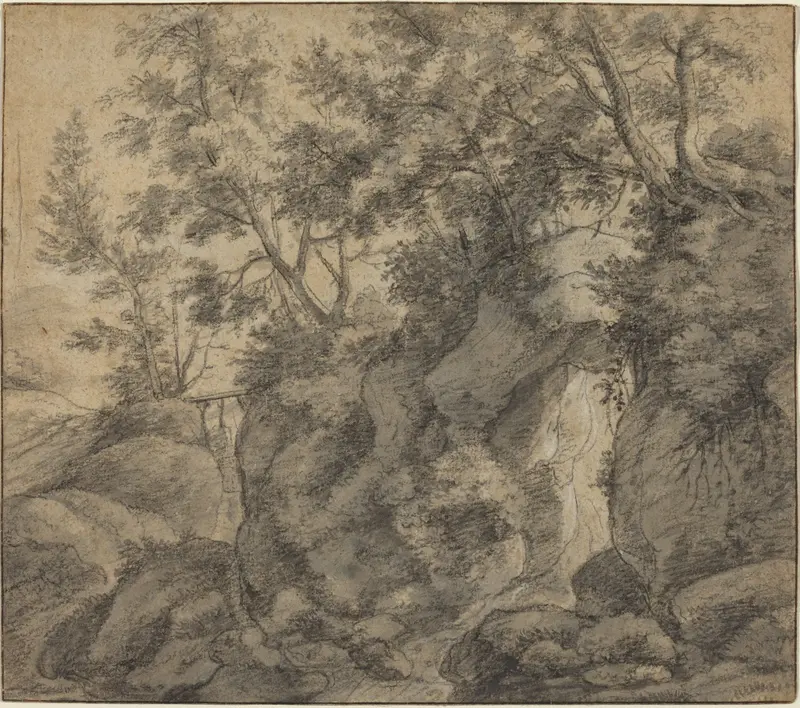
Landscape with a Wooded Ravine
Antonie Waterloo
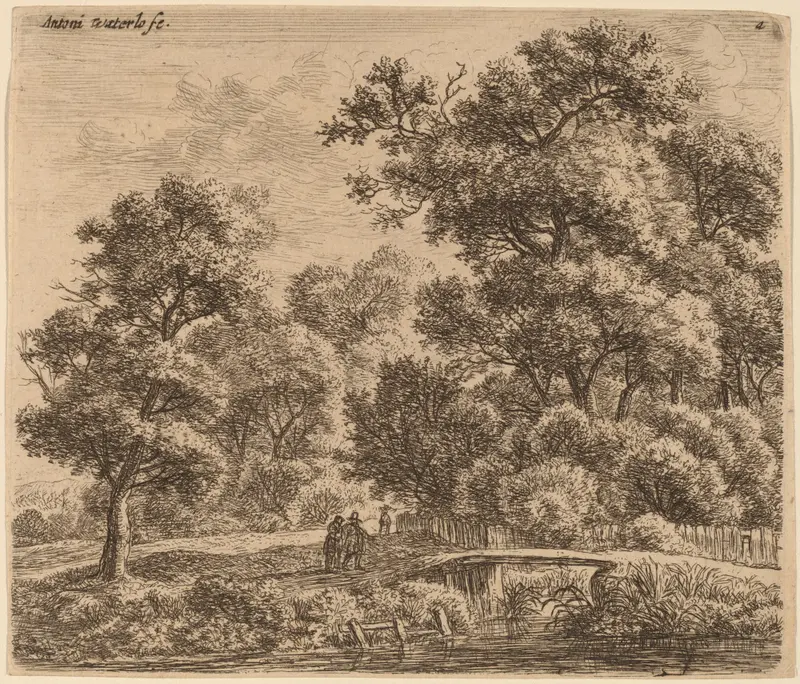
Wooded Landscape with a Bridge
Antonie Waterloo
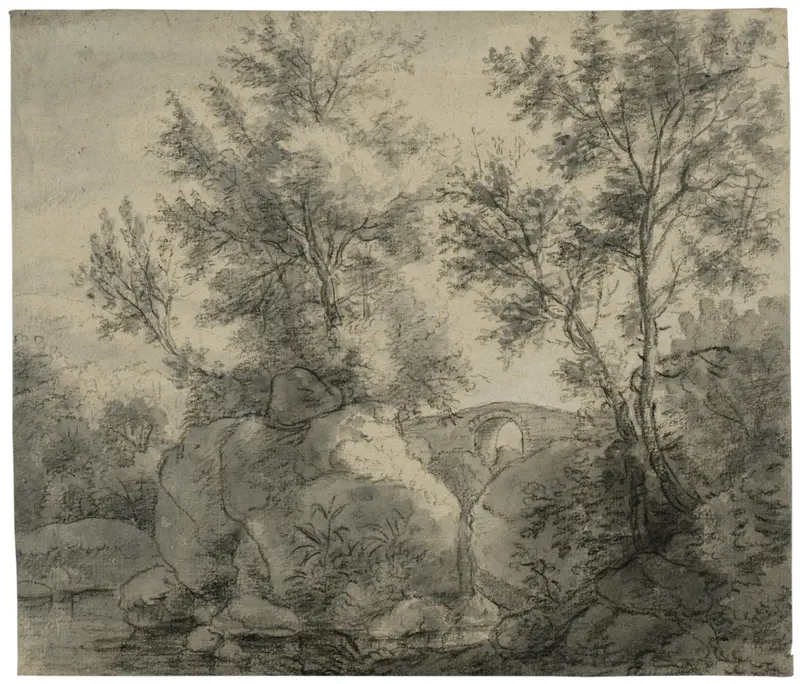
Rocky Landscape with a Stone Bridge
Antonie Waterloo
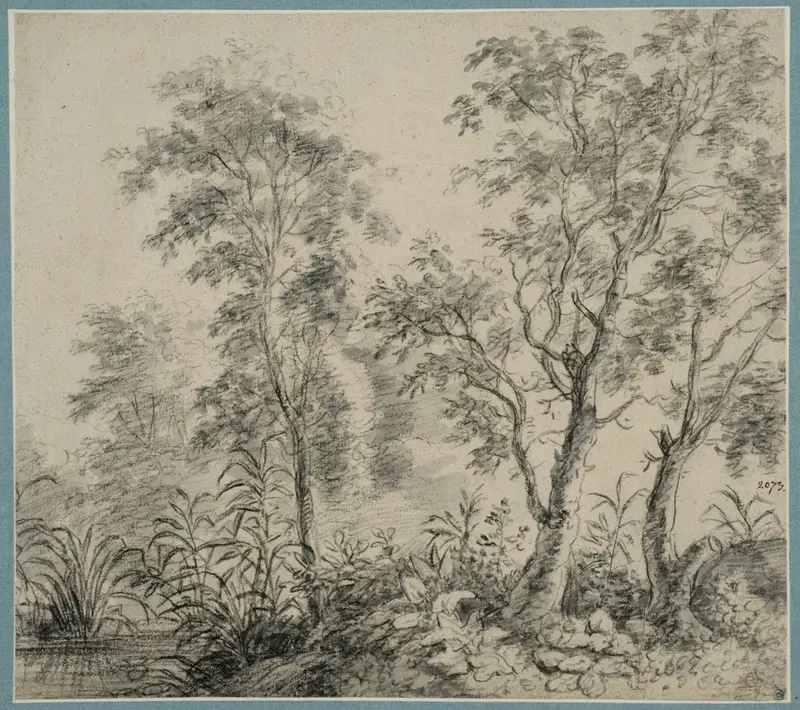
River Bank with a Row of Trees
Antonie Waterloo
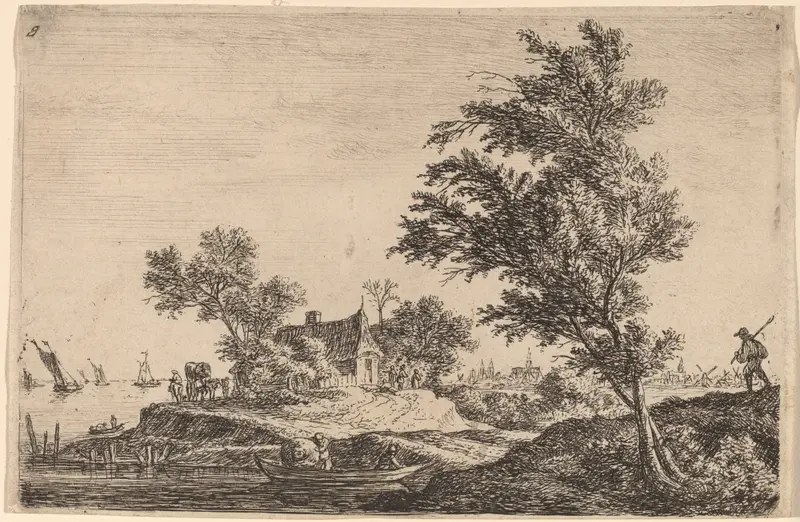
Traveler Passing Two Large Trees
Antonie Waterloo
More Landscape Art

The Starry Night
Vincent van Gogh

View of Delft
Johannes Vermeer

Water Lilies
Claude Monet

The Grand Canal, Venice, looking north-west from the Ca' Corner to the Ca' Contarini degli Scrigni, with the campanile of Santa Maria della Carità
Canaletto

Windsor Castle
Canaletto

The Grand Canal looking North-East from the Palazzo Dolfin-Manin to the Rialto Bridge
Canaletto