
Wooded Landscape with a Bridge — History & Facts
A hush falls over the landscape, and the eye is drawn first not to the figures, but to the dense, intricate canopy that fills the upper half of the scene. The trees, rendered with a patient hand, seem to press in from every side, their branches tangling and overlapping until the sky is little more than a suggestion. Beneath this living roof, a small bridge arches quietly over a stream, and a trio of travelers—dwarfed by the woods—pause mid-journey.
The careful crosshatching of the etching brings out the lushness of the foliage, while the open space around the bridge invites the viewer to step in and follow the path deeper into the thicket. Works like this by Antonie Waterloo belong to a moment in Northern Europe when the landscape itself became a subject worthy of close study and admiration. In the seventeenth century, Dutch and Flemish artists began to celebrate the everyday countryside, often for patrons who sought reminders of a peaceful, ordered nature in their homes. The absence of grand architecture or dramatic narrative here is telling: the focus is on the quiet dignity of the land and the humble figures who move through it.
This particular impression, now part of the National Gallery of Art collection and shared through their open access initiative, stands as a testament to an era when artists and collectors alike found meaning in the ordinary rhythms of rural life—an invitation to linger in the shade of imagined trees.
More Artworks by Antonie Waterloo
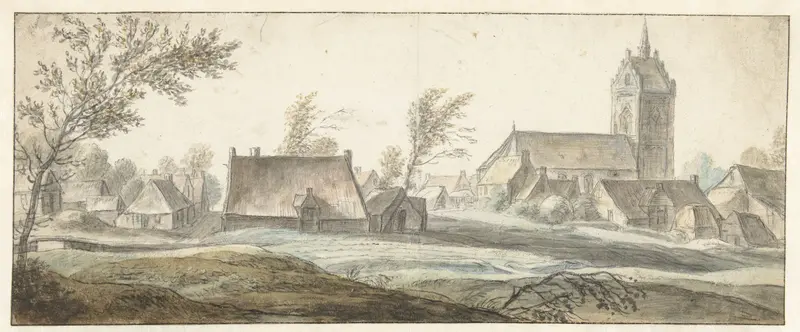
Gezicht op het dorp Soest
Antonie Waterloo
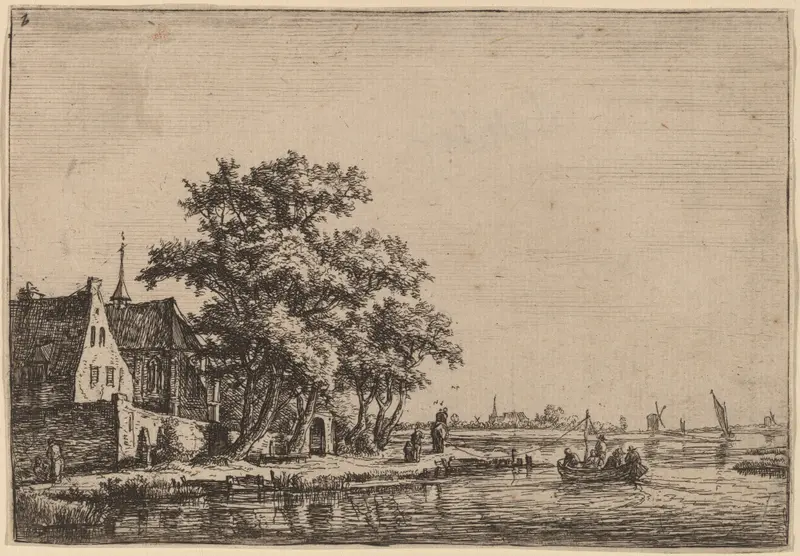
Churchyard at the Waterside
Antonie Waterloo
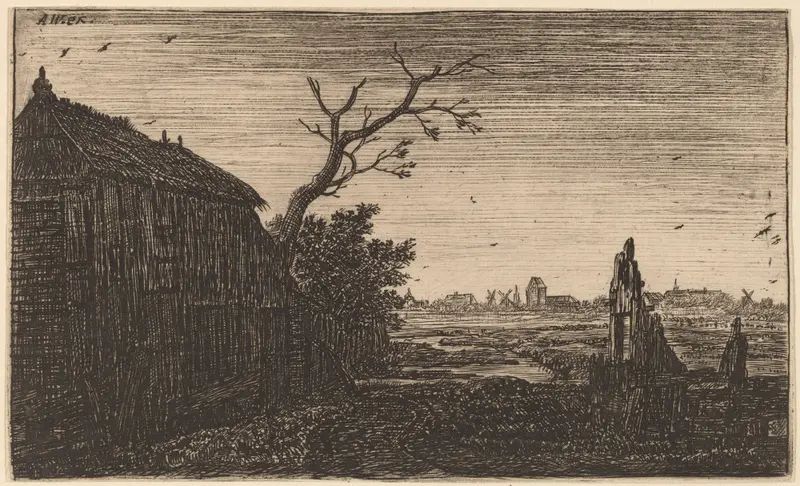
The Sluice
Antonie Waterloo
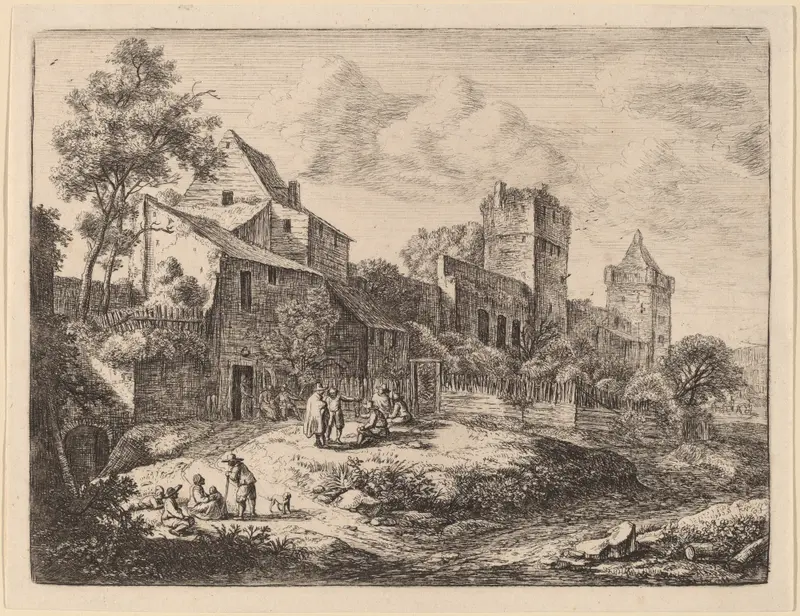
Square in Front of an Inn
Antonie Waterloo
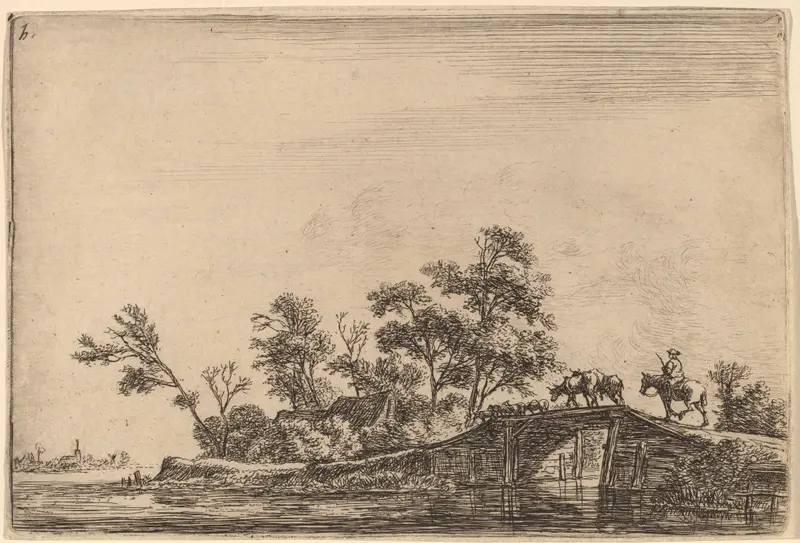
Rider and Flock on a Bridge
Antonie Waterloo
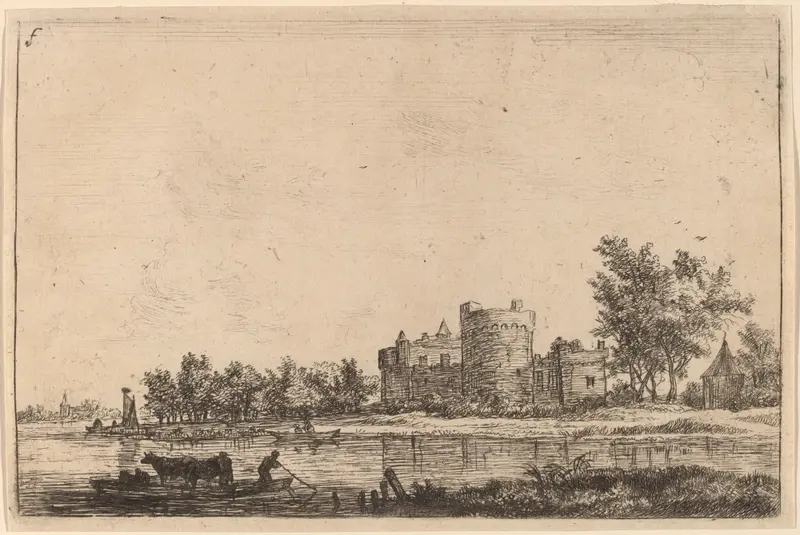
Two Cows on a Ferry
Antonie Waterloo
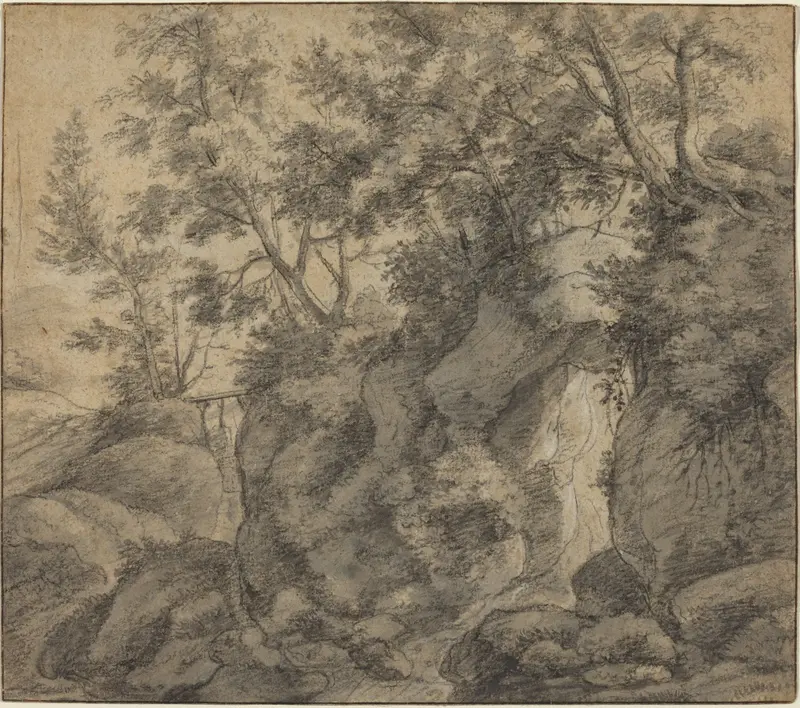
Landscape with a Wooded Ravine
Antonie Waterloo
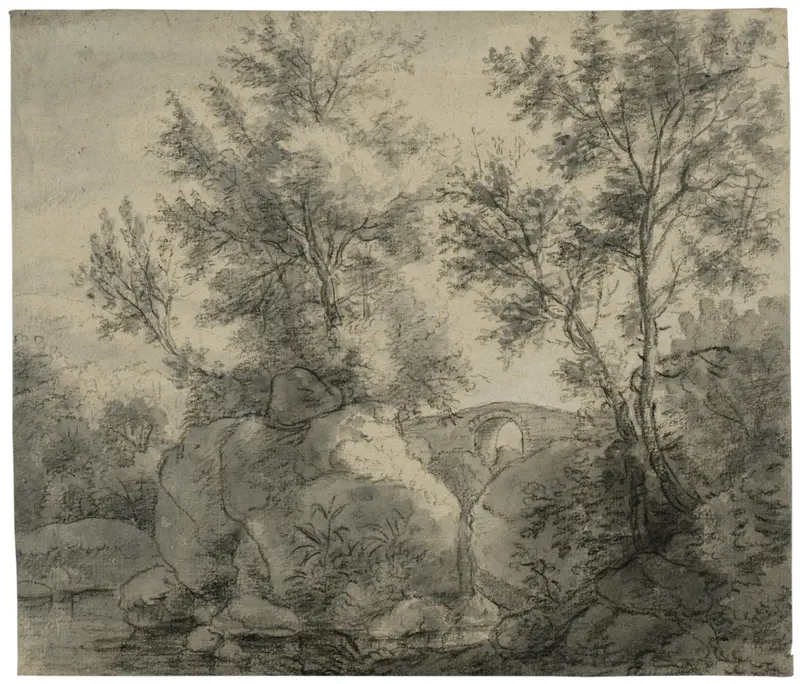
Rocky Landscape with a Stone Bridge
Antonie Waterloo
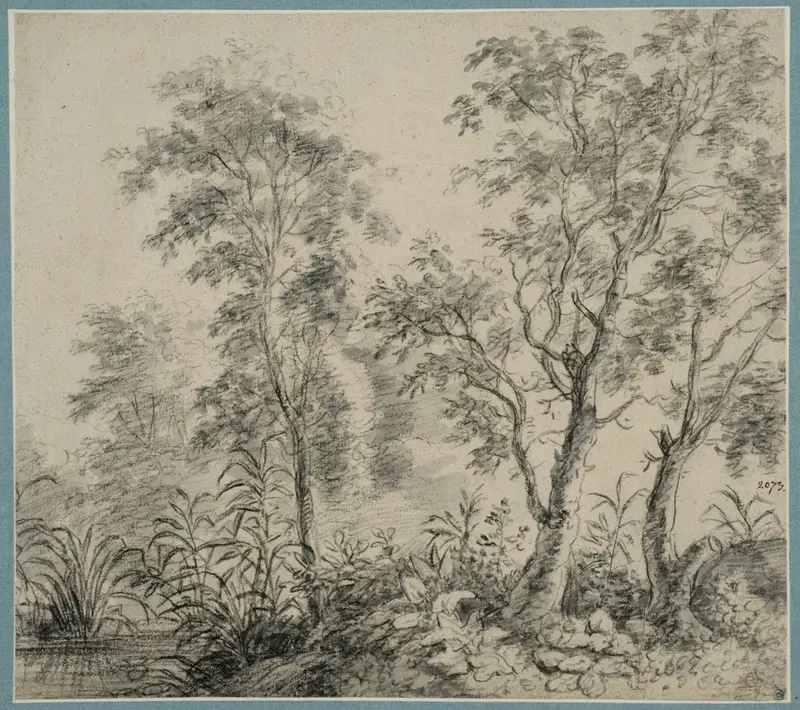
River Bank with a Row of Trees
Antonie Waterloo
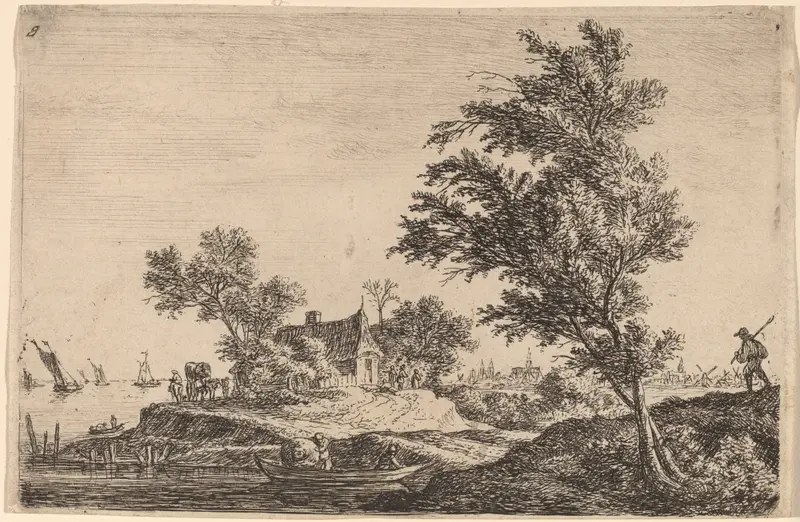
Traveler Passing Two Large Trees
Antonie Waterloo
More Landscape Art

The Starry Night
Vincent van Gogh

View of Delft
Johannes Vermeer

Water Lilies
Claude Monet

The Grand Canal, Venice, looking north-west from the Ca' Corner to the Ca' Contarini degli Scrigni, with the campanile of Santa Maria della Carità
Canaletto

Windsor Castle
Canaletto

The Grand Canal looking North-East from the Palazzo Dolfin-Manin to the Rialto Bridge
Canaletto