
Two Cows on a Ferry — History & Facts
The first thing to catch the eye in Two Cows on a Ferry is not the cows themselves, but the quiet choreography of daily life unfolding along the riverbank. Your gaze is drawn to the low, calm sweep of the water, where a flat-bottomed ferry glides across the surface, its cargo—two cows and their keepers—standing steady as the oarsman leans into his work. The castle on the right, with its rounded towers and watchful silhouette, anchors the scene, offering a sense of permanence against the fleeting passage of the ferry.
The artist, Antonie Waterloo, uses delicate, almost hesitant lines to suggest the movement of water and the gentle sway of trees, while the wide, empty sky above leaves room for the mind to wander. This is a world shaped by the rhythms of the Dutch Golden Age, when landscape etching became both a celebration of the land and a record of its transformation. Artists like Waterloo found quiet drama in the ordinary—ferries, cattle, distant castles—turning the everyday into a subject worthy of close attention. Such images were collected by merchants and burghers, hung in homes as reminders of both the beauty and industry of their surroundings.
This particular sheet, now held by the National Gallery of Art and shared through their open access policy, is a modest but telling fragment of that era: history has kept few traces of its journey, but the scene it captures still invites us to linger, following the ferry’s slow progress across the water.
More Artworks by Antonie Waterloo
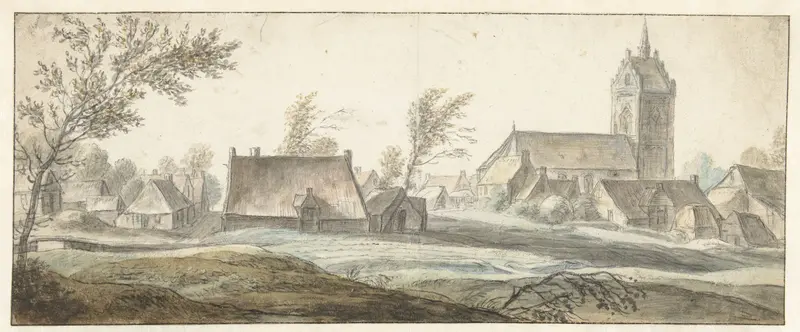
Gezicht op het dorp Soest
Antonie Waterloo
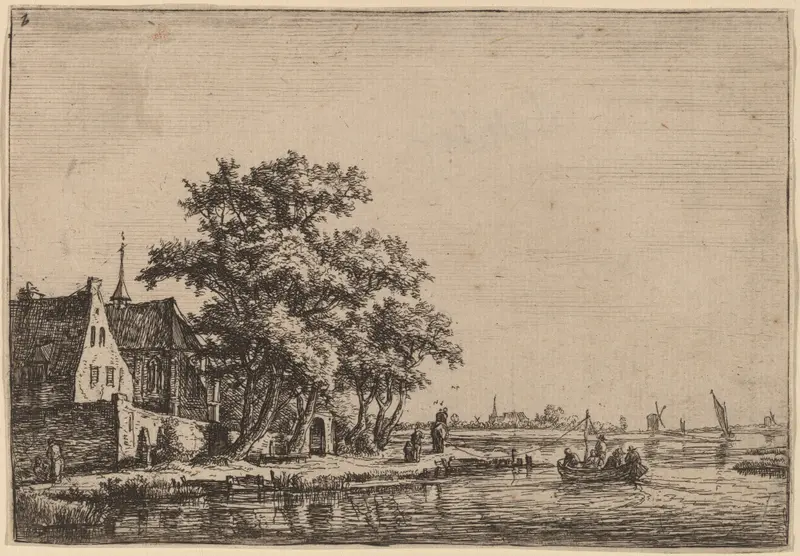
Churchyard at the Waterside
Antonie Waterloo
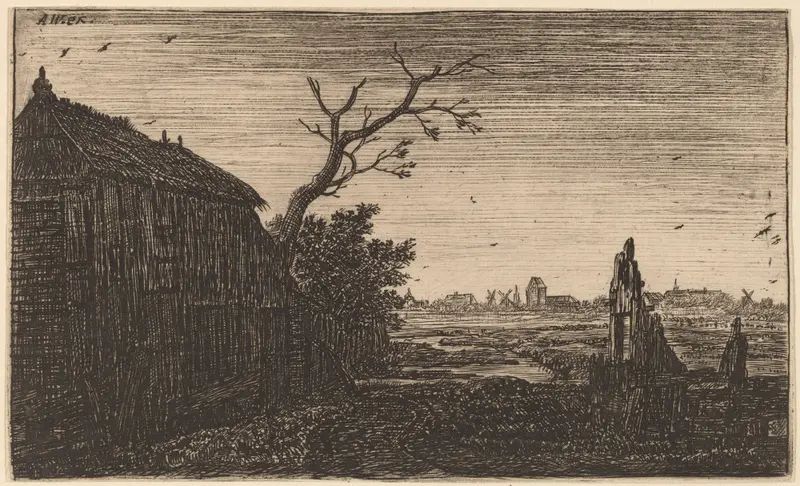
The Sluice
Antonie Waterloo
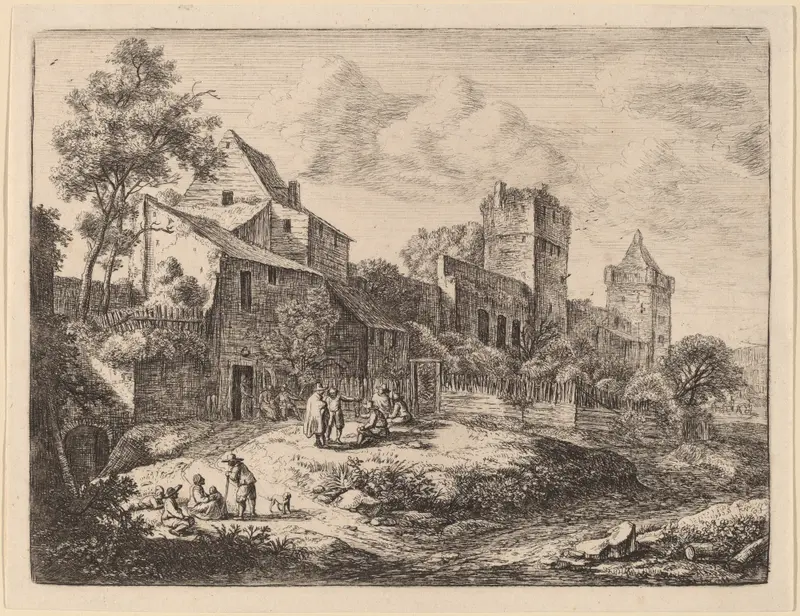
Square in Front of an Inn
Antonie Waterloo
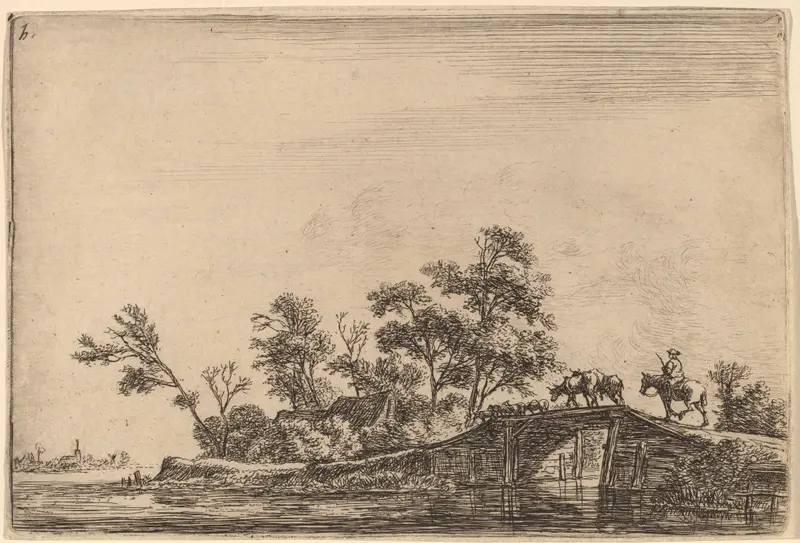
Rider and Flock on a Bridge
Antonie Waterloo
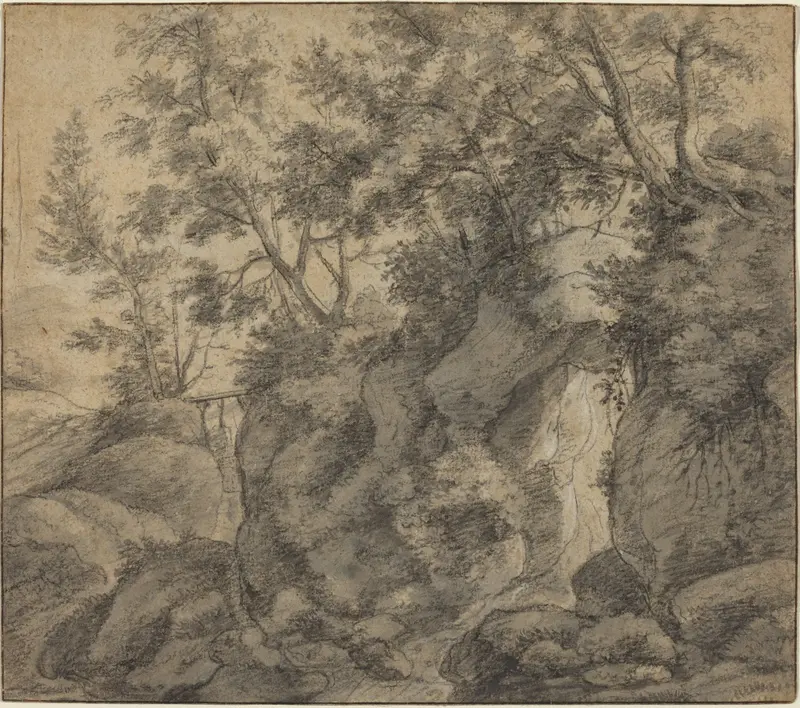
Landscape with a Wooded Ravine
Antonie Waterloo
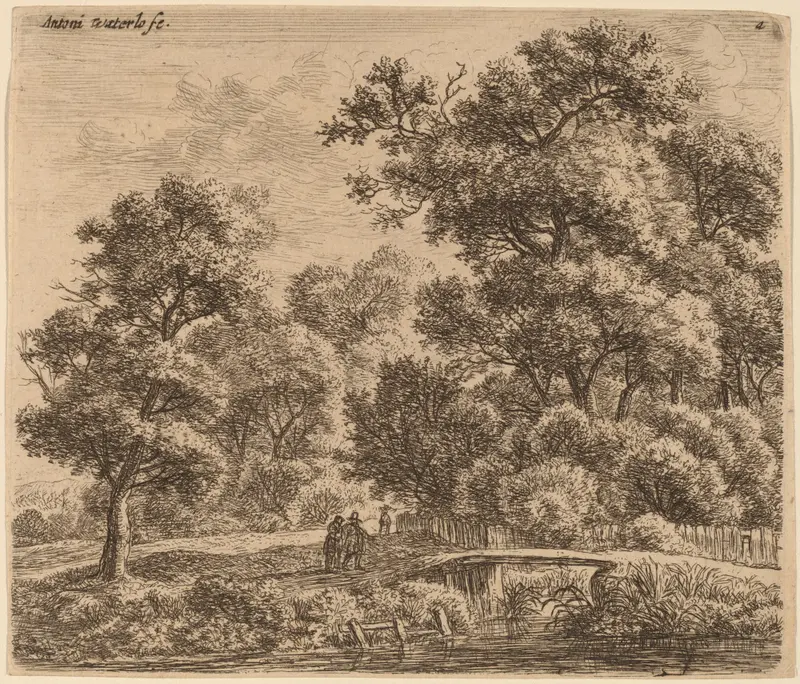
Wooded Landscape with a Bridge
Antonie Waterloo
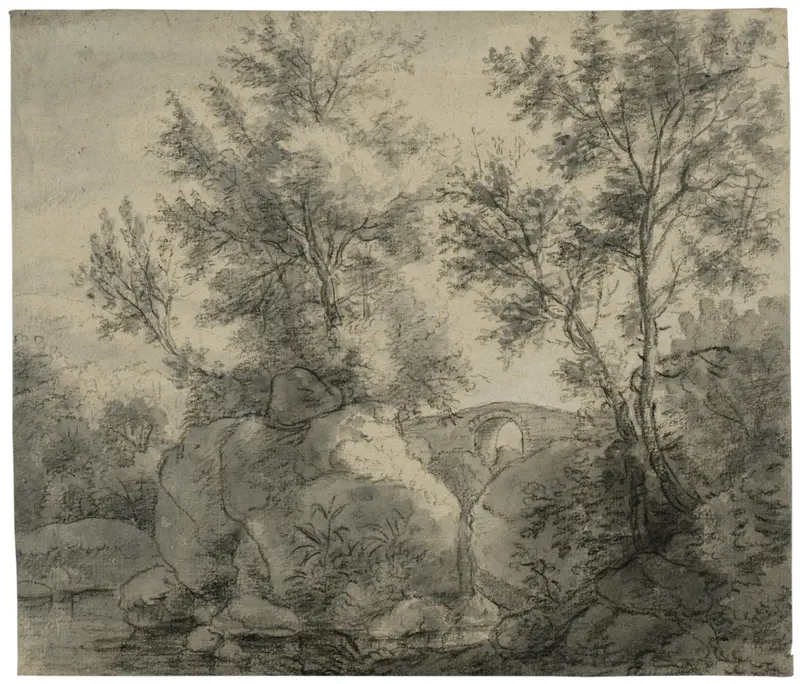
Rocky Landscape with a Stone Bridge
Antonie Waterloo
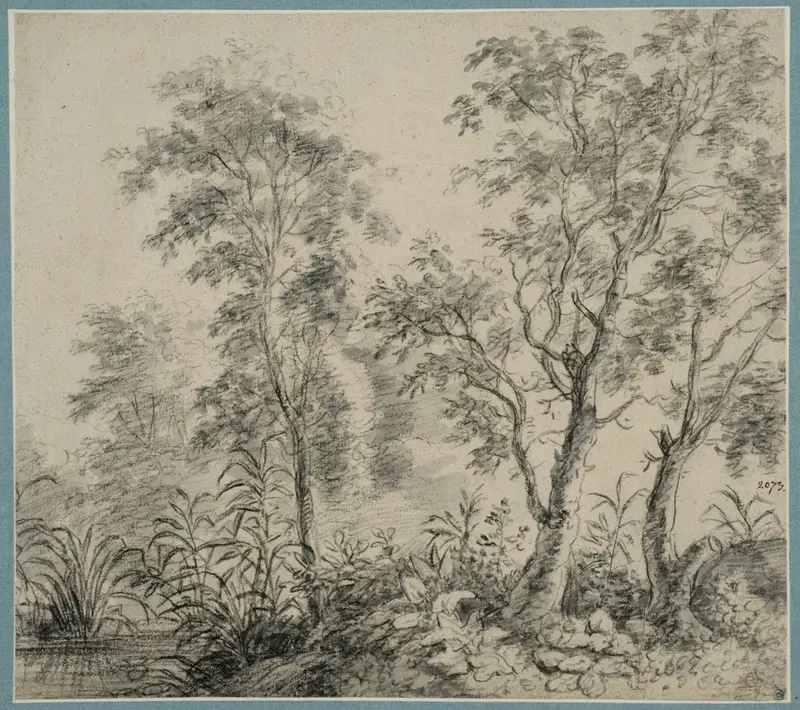
River Bank with a Row of Trees
Antonie Waterloo
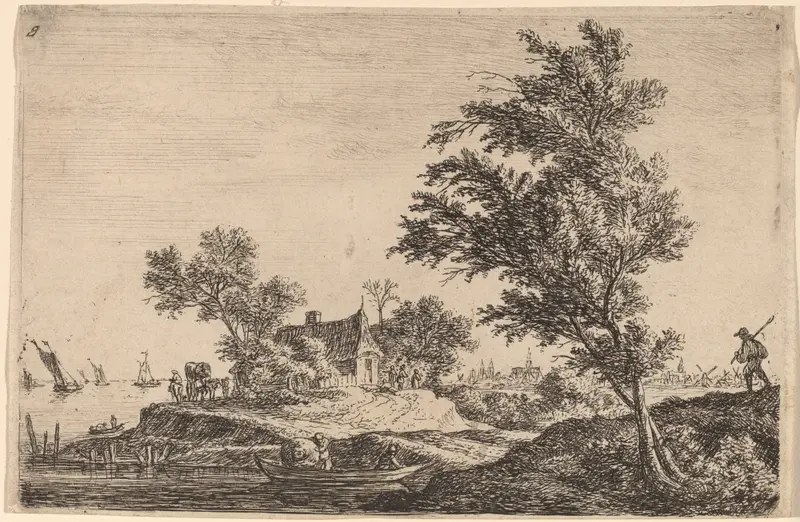
Traveler Passing Two Large Trees
Antonie Waterloo
More Landscape Art

The Starry Night
Vincent van Gogh

View of Delft
Johannes Vermeer

Water Lilies
Claude Monet

The Grand Canal, Venice, looking north-west from the Ca' Corner to the Ca' Contarini degli Scrigni, with the campanile of Santa Maria della Carità
Canaletto

Windsor Castle
Canaletto

The Grand Canal looking North-East from the Palazzo Dolfin-Manin to the Rialto Bridge
Canaletto