
Rider and Flock on a Bridge — History & Facts
A single rider, poised atop a rustic bridge with his flock, draws the viewer’s gaze to the quiet heart of Rider and Flock on a Bridge. The bridge arches gently over a reflective stretch of water, its sturdy timbers echoed in the careful etching of the trees and the clustered foliage beyond. The rider’s posture, upright but unhurried, suggests both vigilance and routine—a guardian guiding animals across a passage that links two worlds, field and village.
The sparse sky, scored with delicate lines, gives the land beneath it a sense of openness and calm, while the distant church spire anchors the composition in a lived landscape. The eye is invited to travel from the tranquil water’s edge, up through the tangle of trees, and finally to the figures crossing above, as if tracing the path of a day’s work. Works like this by Antonie Waterloo belong to a Northern tradition that found beauty and meaning in the everyday countryside. In the seventeenth century, Dutch and Flemish artists transformed humble scenes—bridges, roads, herdsmen—into meditations on the rhythms of rural life.
Such images were collected by the urban middle class, who saw in them both nostalgia and national pride. The National Gallery of Art, through its open access initiative, preserves this etching as part of a wider project to make these quiet, once-private moments available to all. Pause before the bridge, and let your eye wander the landscape as countless viewers have done before you.
More Artworks by Antonie Waterloo
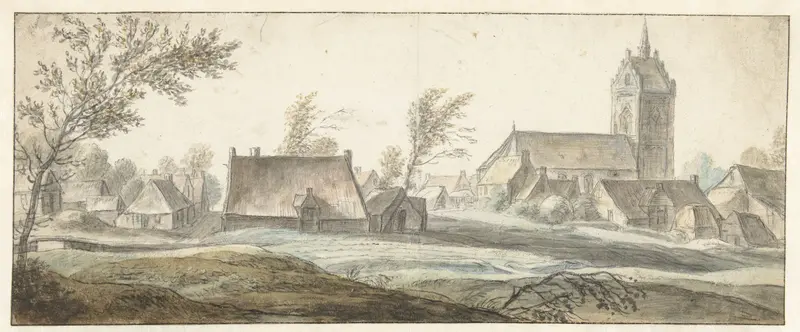
Gezicht op het dorp Soest
Antonie Waterloo
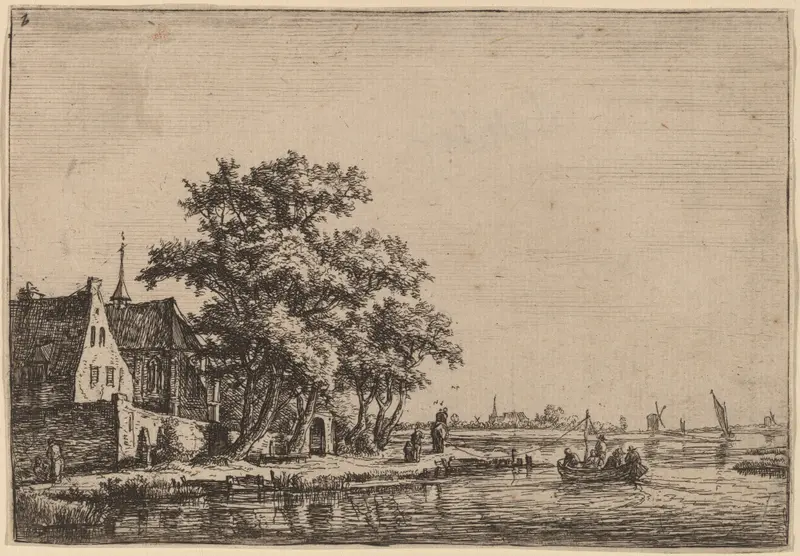
Churchyard at the Waterside
Antonie Waterloo
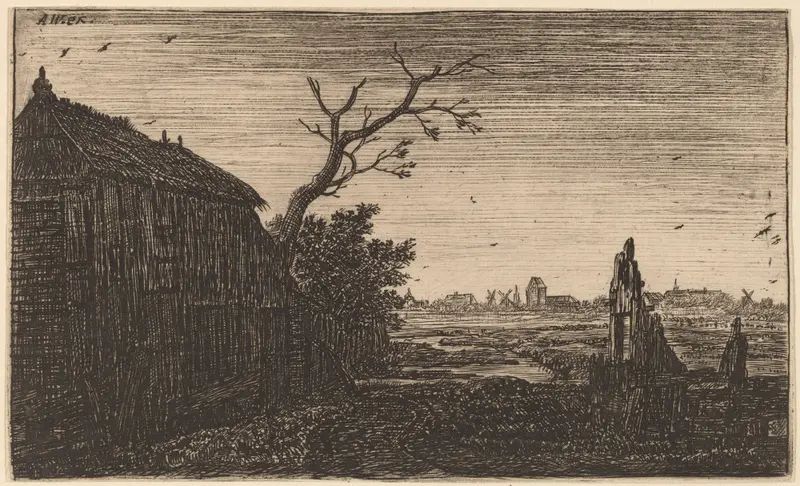
The Sluice
Antonie Waterloo
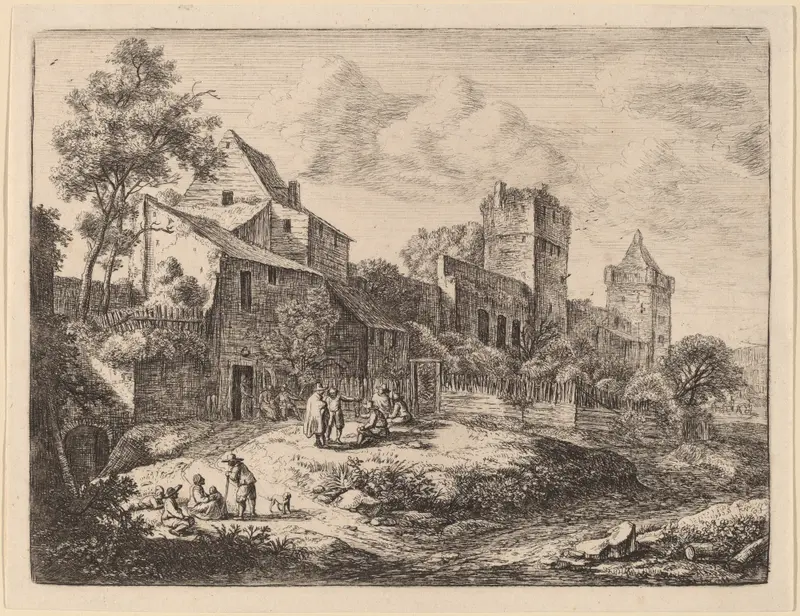
Square in Front of an Inn
Antonie Waterloo
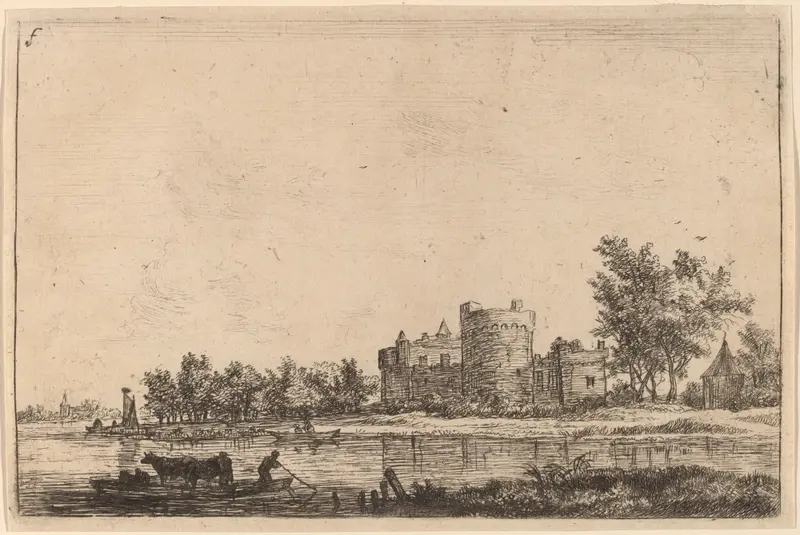
Two Cows on a Ferry
Antonie Waterloo
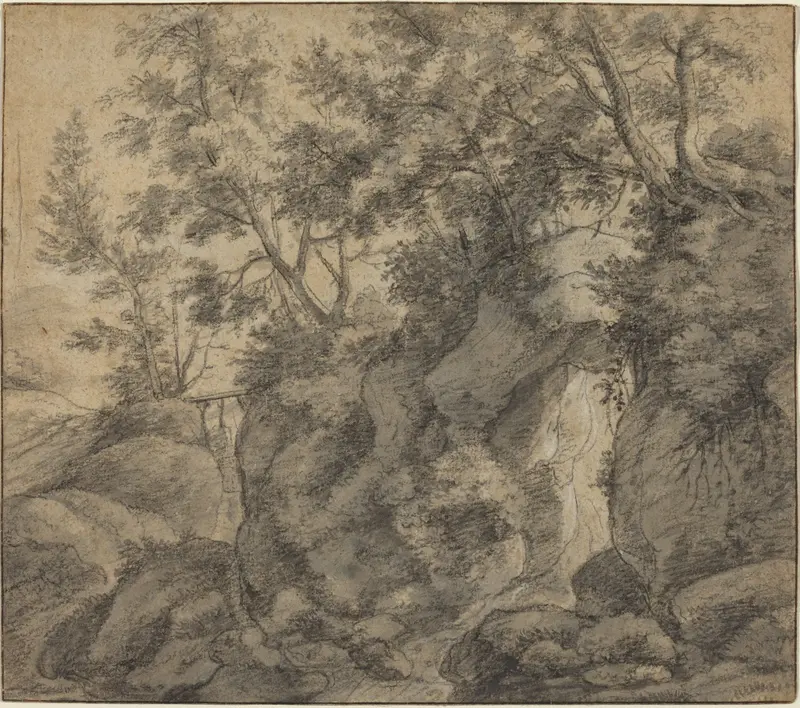
Landscape with a Wooded Ravine
Antonie Waterloo
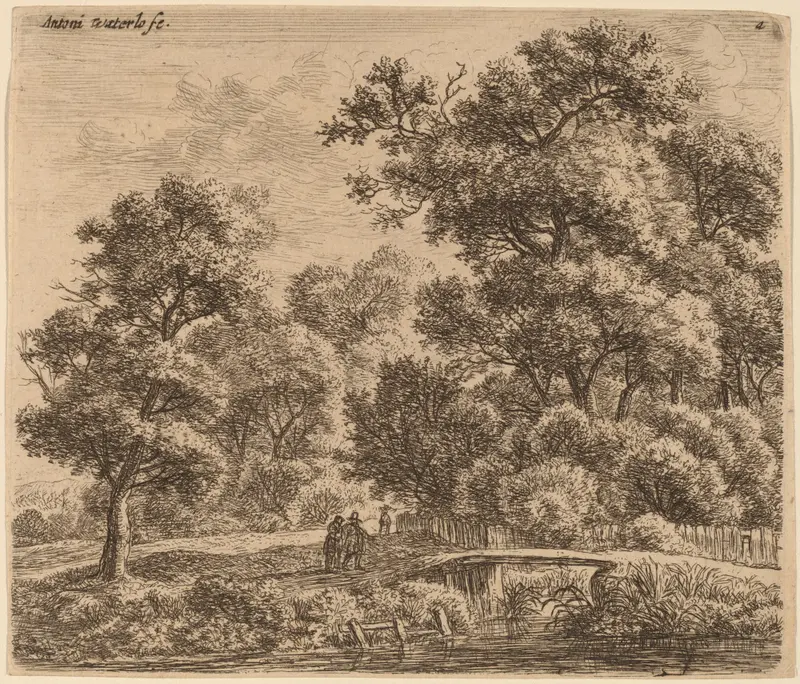
Wooded Landscape with a Bridge
Antonie Waterloo
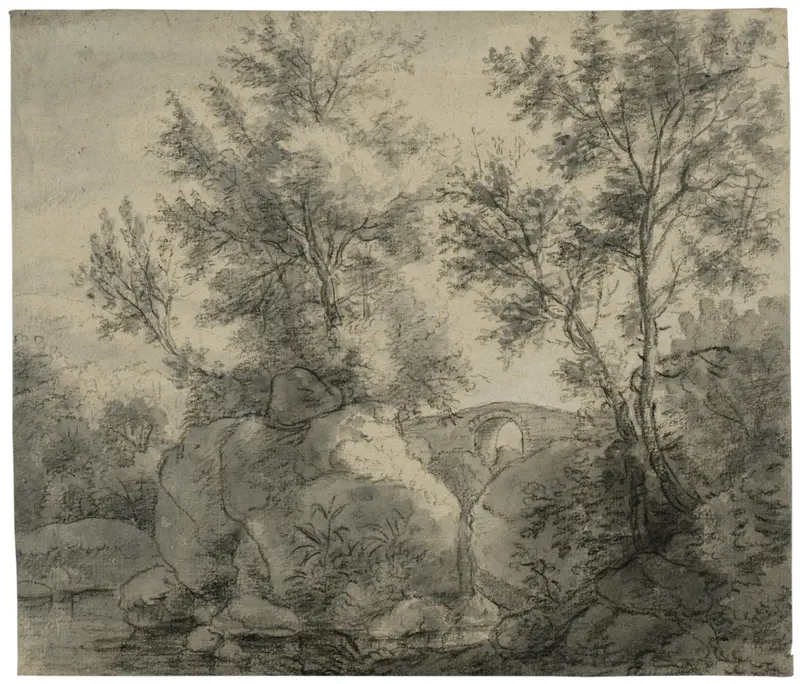
Rocky Landscape with a Stone Bridge
Antonie Waterloo
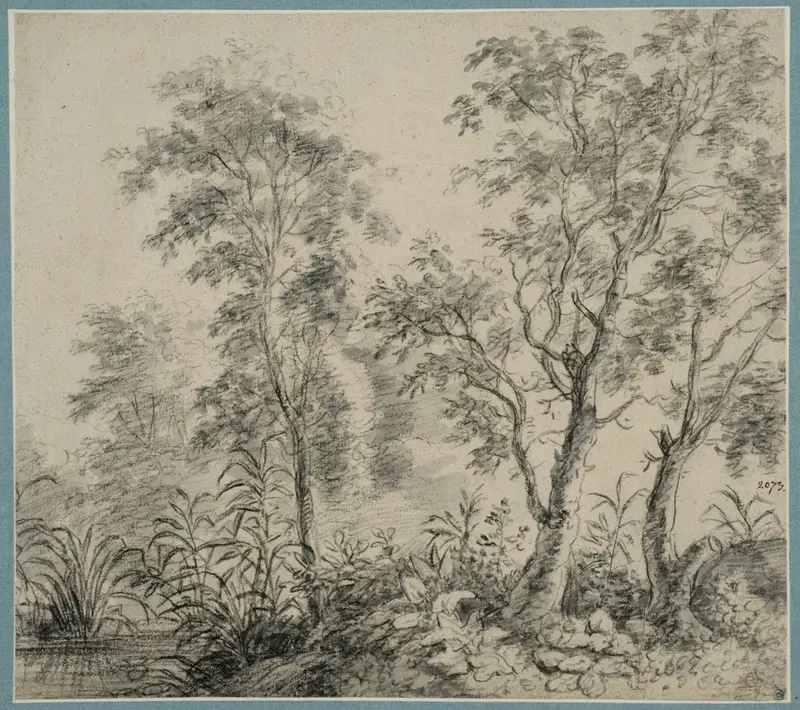
River Bank with a Row of Trees
Antonie Waterloo
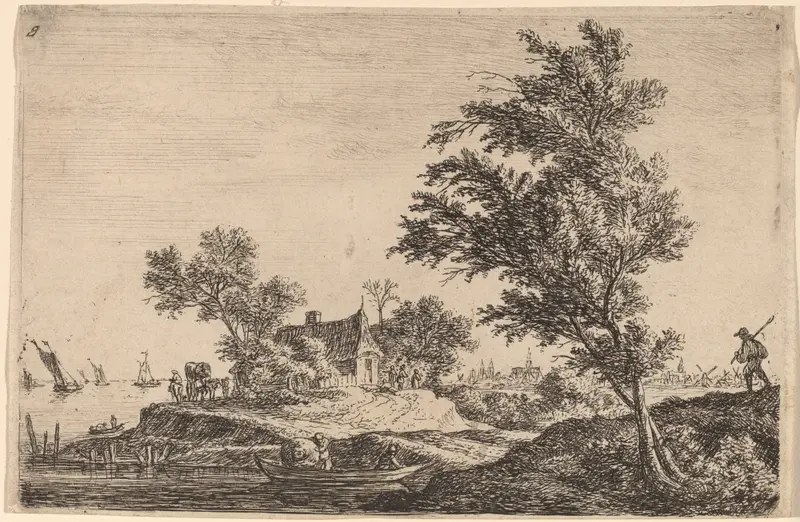
Traveler Passing Two Large Trees
Antonie Waterloo
More Landscape Art

The Starry Night
Vincent van Gogh

View of Delft
Johannes Vermeer

Water Lilies
Claude Monet

The Grand Canal, Venice, looking north-west from the Ca' Corner to the Ca' Contarini degli Scrigni, with the campanile of Santa Maria della Carità
Canaletto

Windsor Castle
Canaletto

The Grand Canal looking North-East from the Palazzo Dolfin-Manin to the Rialto Bridge
Canaletto