
A Pond in the Morvan — History & Facts
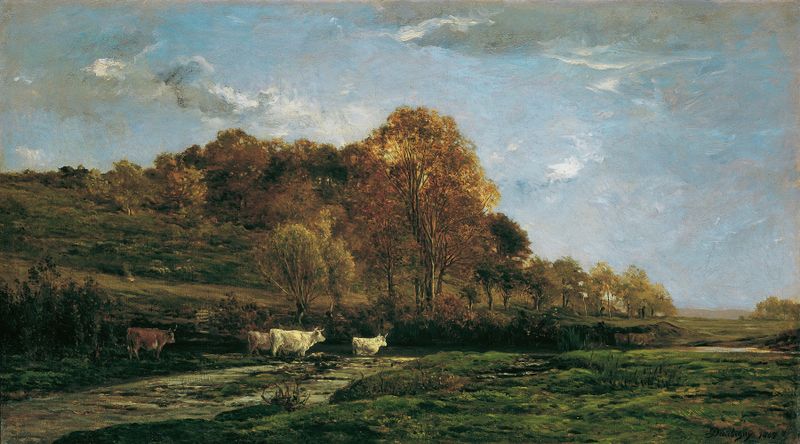
In the tranquil depths of nature, a pond reflects not just the world around it but the hidden tumult beneath surface calm. Here, in this serene landscape, juxtaposition is key—a delicate balance between beauty and the violence of reality, a reminder that stillness can often be deceptive. Look to the center of the canvas; the pond cradles a gentle reflection of the surrounding trees, their lush greens contrasting with the deeper blues of the water. The painter’s brushstrokes are fluid yet deliberate, lending the scene a sense of motion, as though one could peer past the surface and glimpse the underlying currents.
The light dances across the water, creating an interplay of shadows that hints at the complexities of nature, inviting the viewer to linger and explore. Beneath its serene veneer lies a tension—one feels the lurking presence of discord, as if the idyllic setting is merely a facade. The vibrant colors celebrate life, yet the darkness in the water suggests the violence of nature’s cycle; beauty often coexists with destruction. The viewer might contemplate the impermanence captured here, the fragility of tranquility, and the unseen struggles that shape the landscape. In 1869, while Daubigny painted this work in the Morvan region of France, he was at a pivotal moment in his career, transitioning from the tight constraints of academic tradition to more expressive and impressionistic styles.
This period saw the rise of plein air painting, as artists sought to capture nature directly and authentically. Daubigny’s exploration of light and color reflected not only his personal evolution but also the broader shifts occurring in the art world, as realism and impressionism began to intertwine.
More Artworks by Charles François Daubigny
Browse all →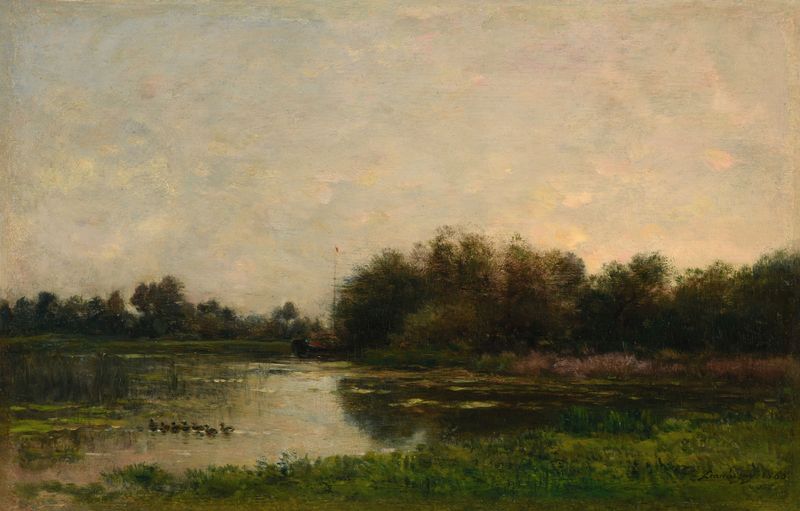
Bords de l’Oise
Charles François Daubigny
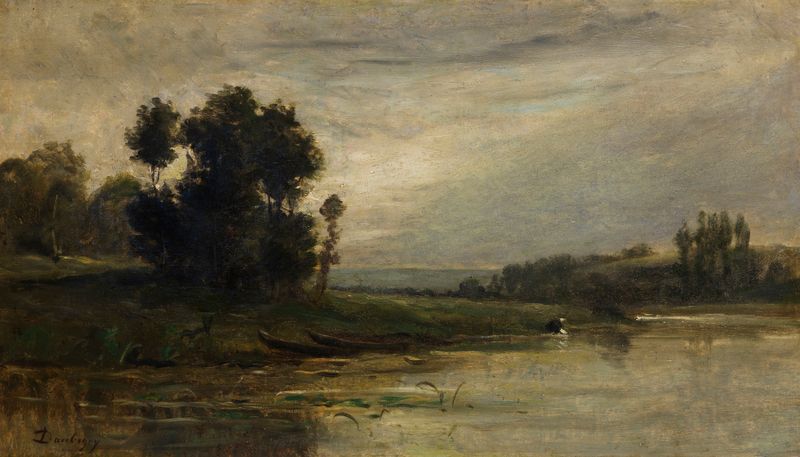
Bords de l’Oise
Charles François Daubigny
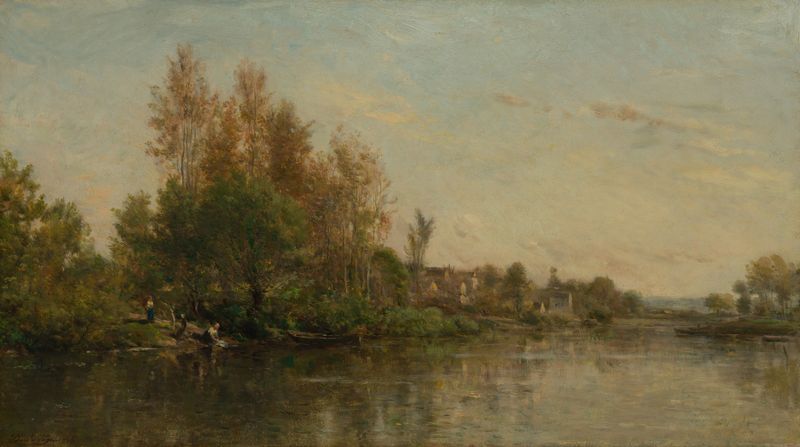
The Banks of the Oise
Charles François Daubigny
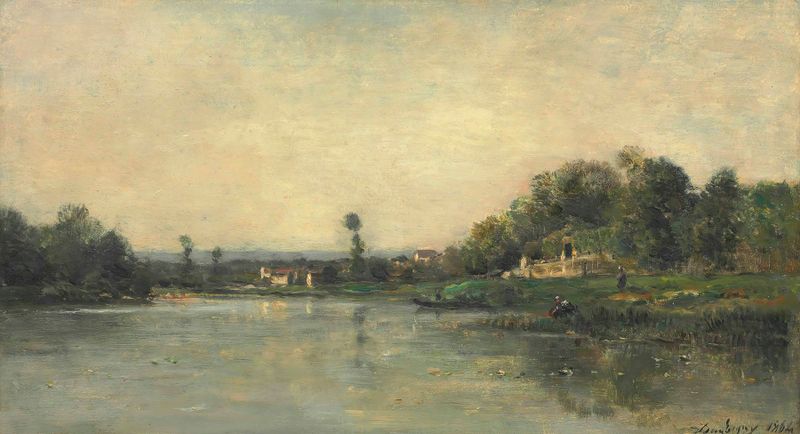
Les Bords De L’oise
Charles François Daubigny
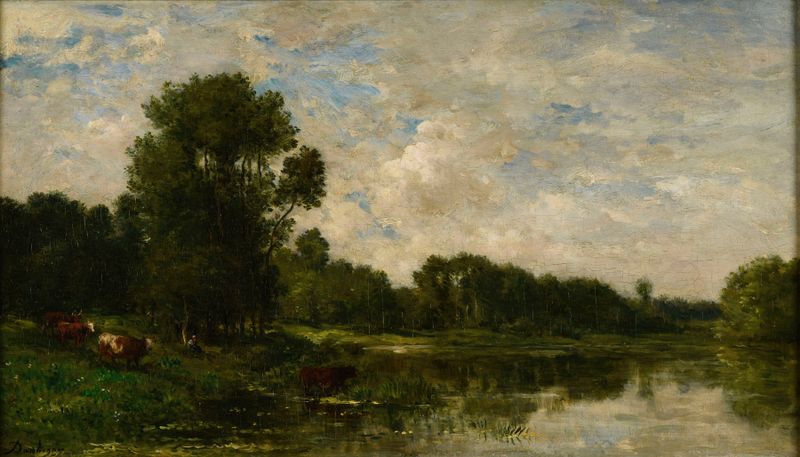
Bords de l’Oise
Charles François Daubigny
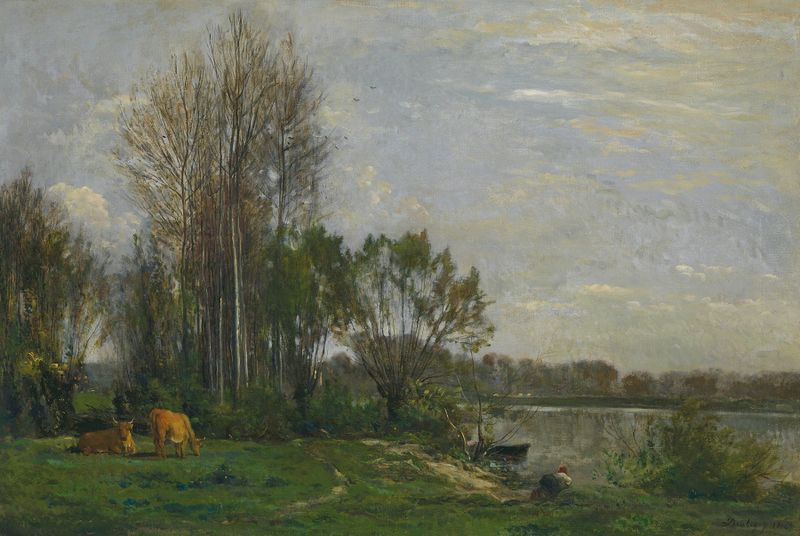
Les Bord De L’oise
Charles François Daubigny
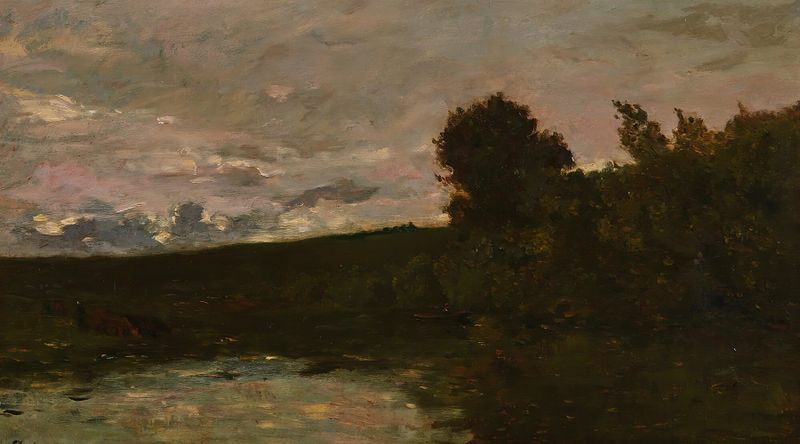
Bord De Riviére
Charles François Daubigny
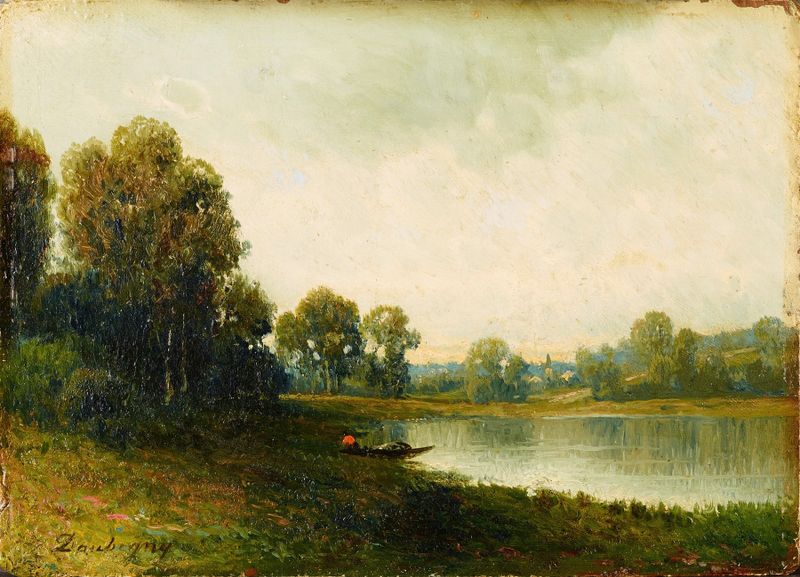
Landscape
Charles François Daubigny
Herbstliche Aulandschaft Abendstimmung
Charles François Daubigny
Landscape near Crémieu
Charles François Daubigny





