
A Procession at the Foot of the Palatine Hill in Rome — History & Facts
Beneath a vast, cloud-streaked sky, a throng of figures winds its way toward the ancient stones of the Palatine Hill. The air is thick with anticipation, every face a study in emotion, from the awe of children to the stoic resolve of the elderly. In the distance, the crumbling remnants of Rome whisper tales of glory and despair, while shadows cast by the fading light hint at an impending storm, both literal and metaphorical. Look to the left, where a cluster of women, draped in flowing garments, leans toward a man gesturing emphatically, their expressions caught between reverence and trepidation.
The artist's deft brushwork traces the intricate details of their clothing, contrasting the softness of fabric with the rough-hewn stones that loom around them. The palette — a harmonious blend of earthy browns, muted greens, and the soft gold of twilight — enhances the sense of history, as if the past is reaching out to envelop the present. At first glance, the procession appears ceremonial, yet there is an undercurrent of tension that ripples through the crowd. A child clutches a tattered toy, a poignant reminder of innocence in a world marked by turmoil.
The stark juxtaposition of the celebratory gathering set against the backdrop of decay serves as a haunting commentary on the fragility of civilization, hinting at the violence that lurks just beneath the surface of this momentous occasion. Created between 1809 and 1812, the painting reflects Josephus Augustus Knip's deep engagement with the classical past during a time when Europe was grappling with the aftermath of the Napoleonic Wars. Living in Paris, Knip was inspired by the romantic interest in antiquity that permeated the art world, seeking to capture the essence of a lost Rome while navigating his own artistic identity amid the shifting tides of history.
More Artworks by Josephus Augustus Knip
Browse all →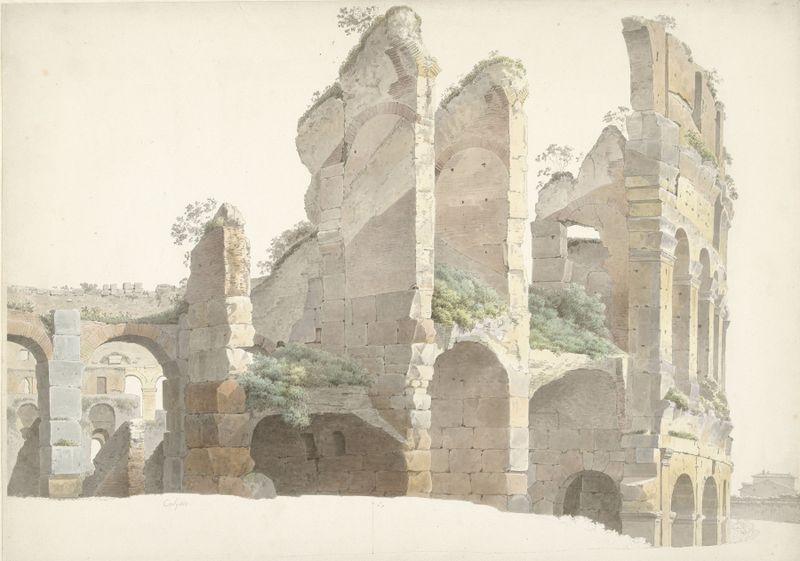
Het Colosseum te Rome
Josephus Augustus Knip
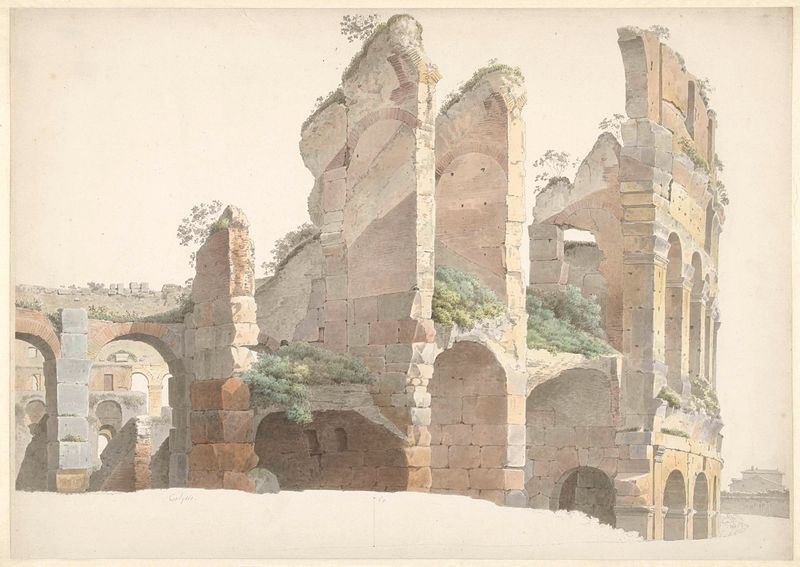
Het Colosseum te Rome
Josephus Augustus Knip
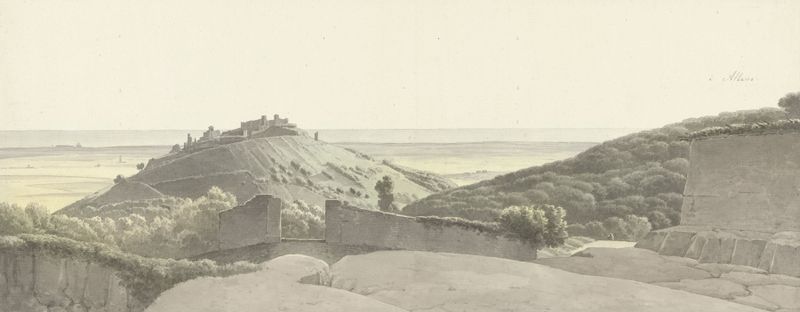
Landscape around Albano Laziale
Josephus Augustus Knip

View of Ariccia from Genzano
Josephus Augustus Knip
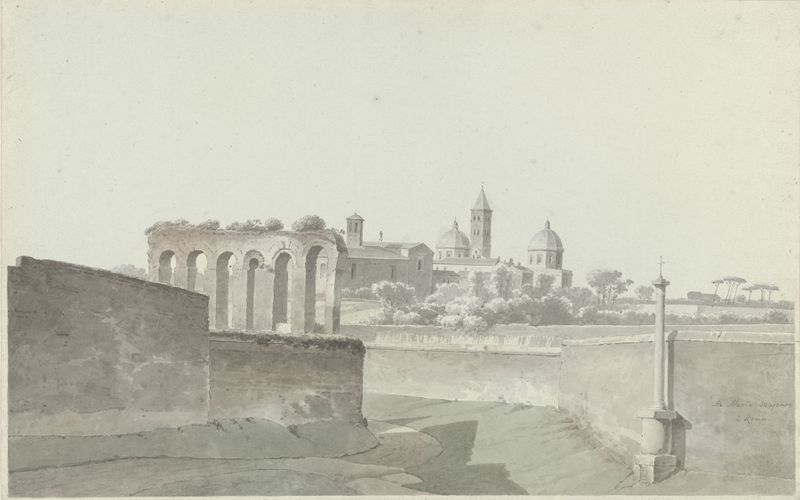
The Basilica of Santa Maria Maggiore in Rome
Josephus Augustus Knip
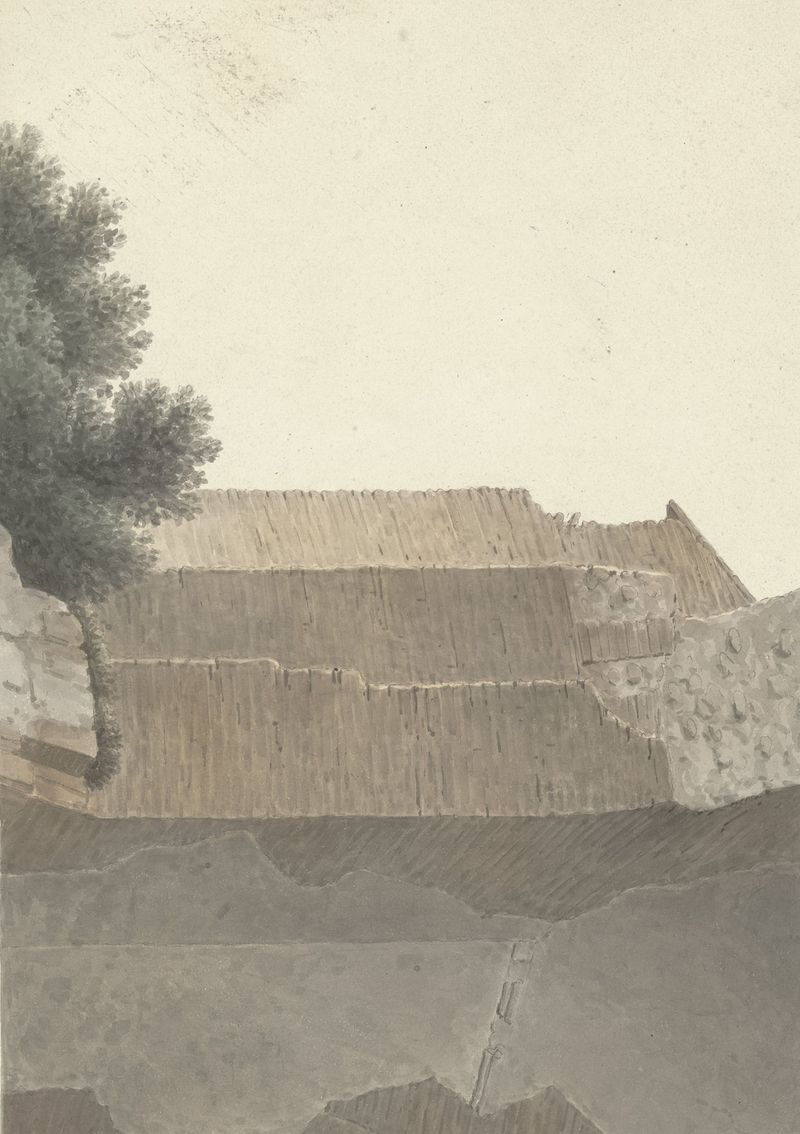
Part of the Vault of the Temple of Minerva Medica in Rome
Josephus Augustus Knip
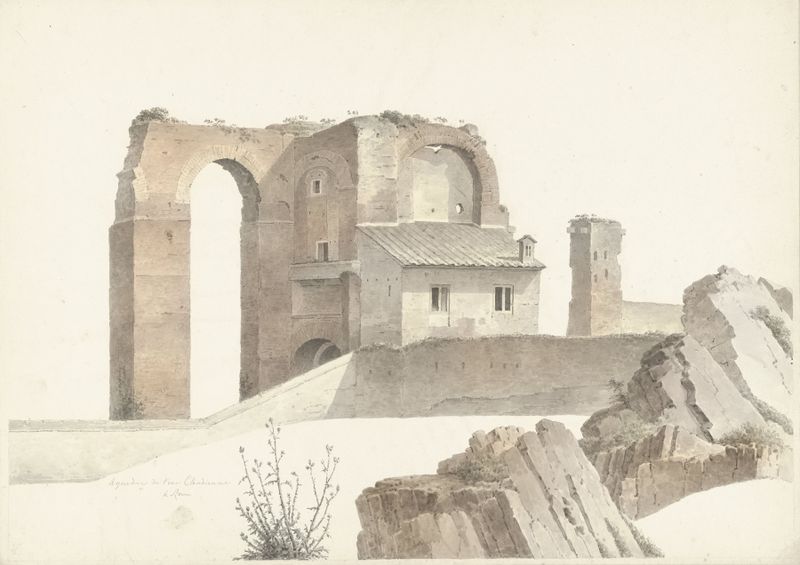
The Aqua Claudia in Rome
Josephus Augustus Knip
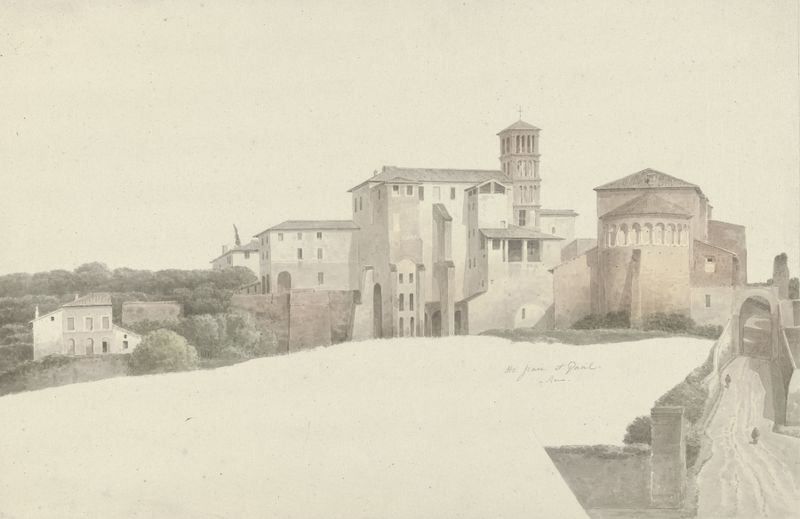
Basilica and Monastery of Santi Giovanni e Paolo in Rome
Josephus Augustus Knip
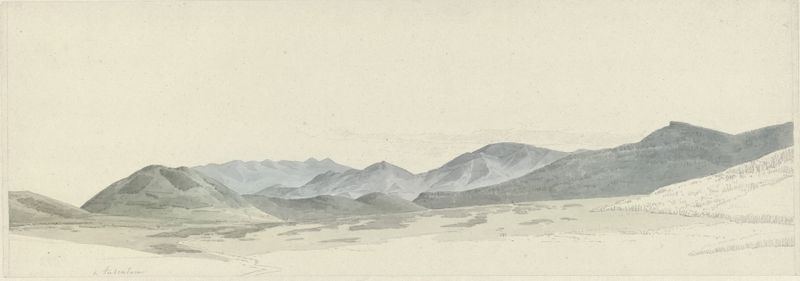
Mountain Landscape at Tusculum
Josephus Augustus Knip
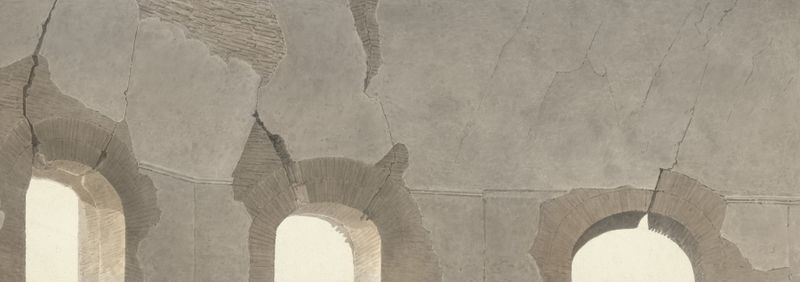
Part of the Vault of the Temple of Minerva Medica in Rome
Josephus Augustus Knip
More Historical Art
Browse all →
The Night Watch Militia Company of District II under the Command of Captain Frans Banninck Cocq
Rembrandt van Rijn

Lincoln Memorial
Henry Bacon

The Third of May 1808
Francisco de Goya

Isaac and Rebecca, Known as ‘The Jewish Bride’
Rembrandt van Rijn

The Charge of the Mamelukes (1814)
Francisco de Goya

De vier ruiters van de apocalyps
Albrecht Dürer