
A procession of revelling cripples and beggars — History & Facts
A ragged parade bursts forth in A procession of revelling cripples and beggars, where the eye is immediately caught by the wild, sweeping gesture of the figure at left—one arm outstretched as if conducting the unruly scene. The light, thinly washed across the panel, picks out faces twisted in laughter, surprise, or song, and the entire group seems caught mid-motion, teetering between chaos and choreography. Crutches, stumps, and tattered cloaks are not hidden but thrust into view, their presence both a badge and a prop in this carnival of survival.
The muddy browns and ochres flatten the space, pushing the troupe forward, their energy spilling toward the viewer. Every gesture feels exaggerated, every expression a mask, inviting us to wonder whether this is mockery, celebration, or both. Painted in 1635, this work belongs to the world of early seventeenth-century Dutch genre painting, where artists like Adriaen Pietersz van de Venne found both humor and sharp social commentary in the lives of society’s outsiders. Such scenes were rarely commissioned by the elite; instead, they catered to a burgeoning urban audience hungry for images that reflected—and sometimes ridiculed—the world outside their windows.
The painting’s home today in the Boijmans collection is a reminder of the era’s fascination with the grotesque and the comic, and of how little history records about the real lives behind these painted faces. Yet the energy of this ragtag procession still demands attention, urging us to look again and find ourselves somewhere in the crowd.
More Artworks by Adriaen Pietersz van de Venne
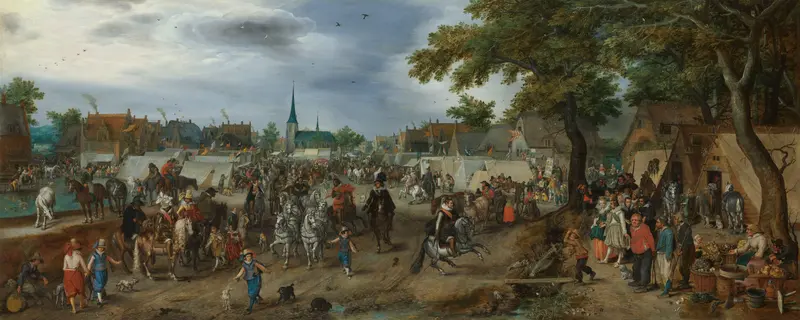
Princes Maurice and Frederick Henry at the Valkenburg Horse Fair
Adriaen Pietersz van de Venne
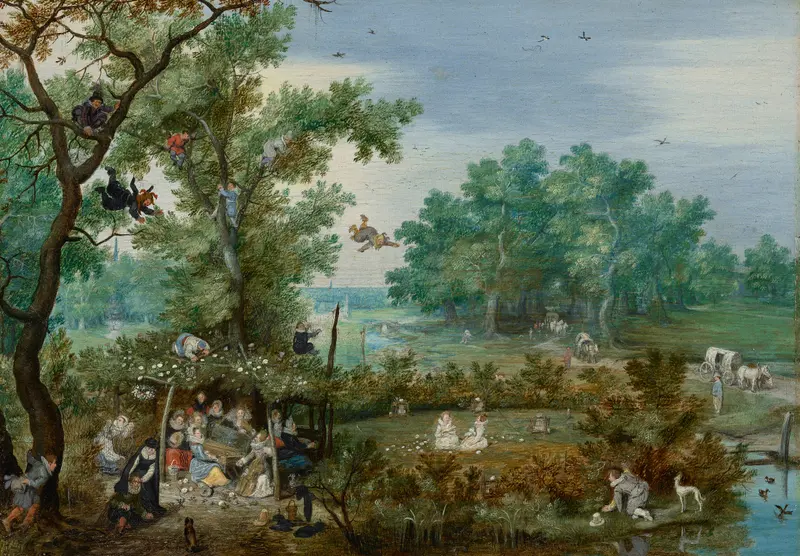
Merry Company in an Arbor
Adriaen Pietersz van de Venne
Princes Maurice and Frederick Henry at the Valkenburg Horse Fair
Adriaen Pietersz van de Venne
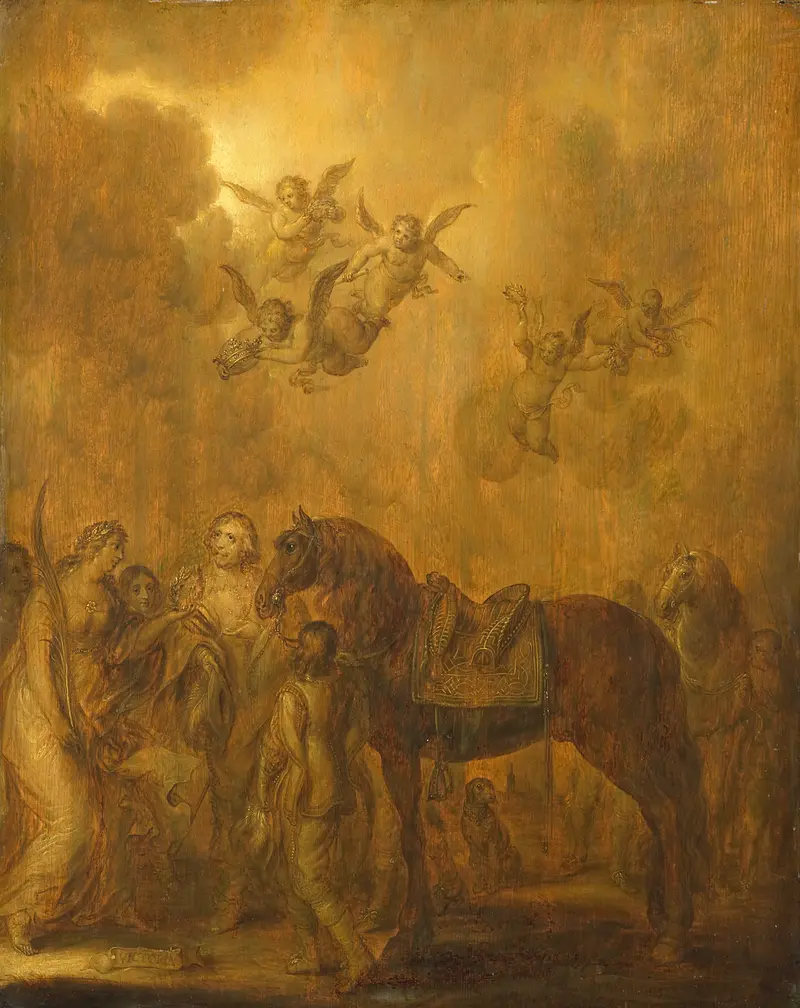
Allegory of the Stadtholdership of Prince Frederick Henry
Adriaen Pietersz van de Venne
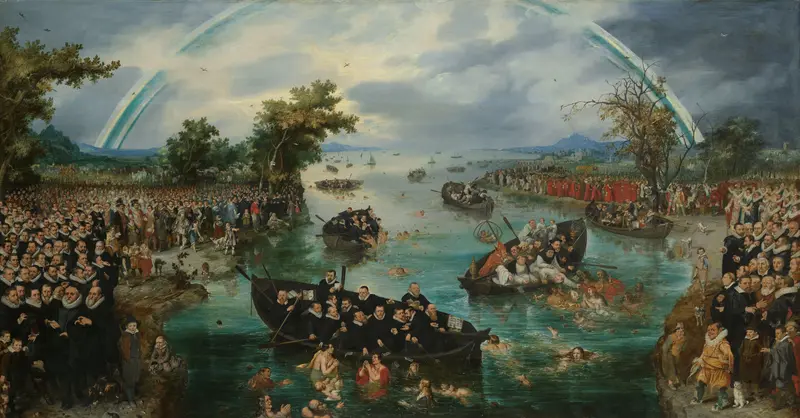
Fishing for Souls
Adriaen Pietersz van de Venne
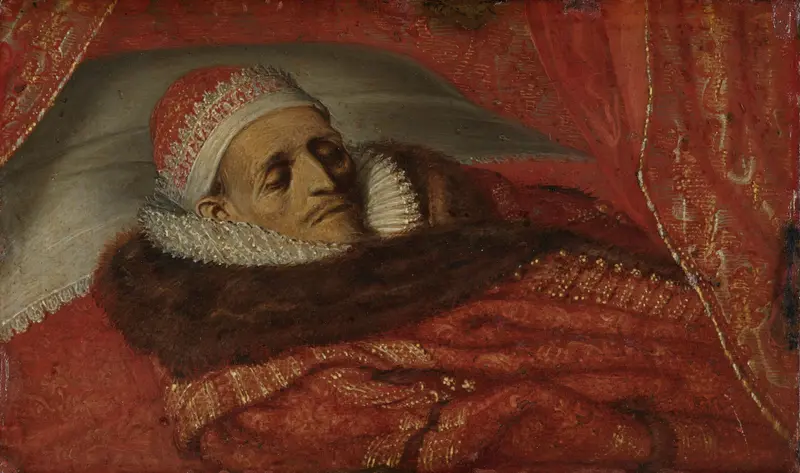
Stadtholder Prince Maurice Lying in State
Adriaen Pietersz van de Venne
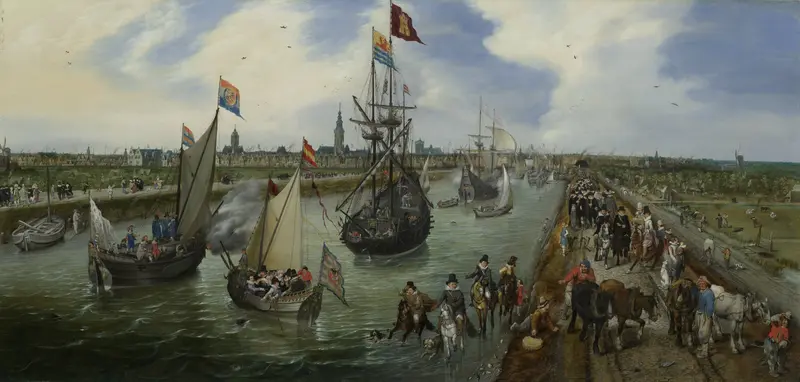
The Departure of a Dignitary from Middelburg
Adriaen Pietersz van de Venne
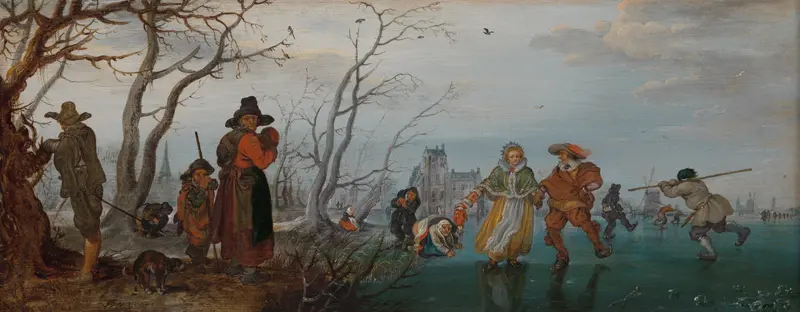
Winter
Adriaen Pietersz van de Venne

A Jeu de Paume Before a Country Palace
Adriaen Pietersz van de Venne
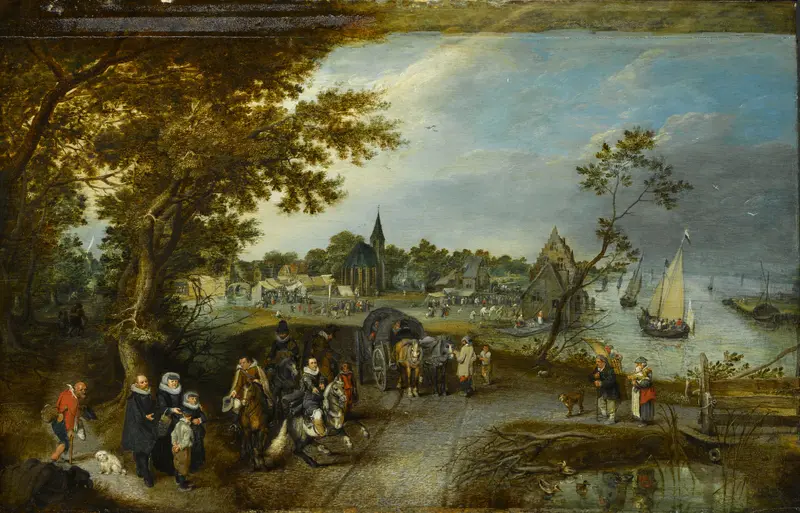
Landscape with Figures and a Village Fair (Village Kermesse)
Adriaen Pietersz van de Venne
More Genre Scene Art

Banquet of the Officers of the St George Civic Guard
Frans Hals

Rembrandt and Saskia in the Scene of the Prodigal Son
Rembrandt van Rijn

Bal du moulin de la Galette
Pierre-Auguste Renoir

Quadrille at the Moulin Rouge
Henri de Toulouse-Lautrec

A Burial at Ornans
Gustave Courbet

When Will You Marry?
Paul Gauguin